
science
Why Caribbean Heat Works: The Science Behind Spice That Keeps You Coming Back
Caribbean spicy dishes balance heat with acid, sweetness, and aromatics in ways that create depth rather than just fire. Learn how peppers like Scotch bonnets and habaneros work in jerk marinades, hot sauces, and braises—and how understanding this balance lets you adjust heat to your palate without losing flavor.
Share this
Pass it around
Send this page to a friend, copy the link, or save it to a Pinterest board.

Save for later
Pin this page
Save the image with a link back to this recipe, review, or article.
Why Caribbean Heat Works: The Science Behind Spice That Keeps You Coming Back
Caribbean spicy food tastes different from other regional heat traditions. The region's most craveable dishes don't rely on pure capsaicin shock. Instead, they layer heat with acid, sweetness, aromatics, and umami in ways that create complexity—the kind of flavor that unfolds rather than overwhelms. Understanding this balance explains why a proper jerk marinade, a good hot sauce, or a spiced broth can become genuinely addictive, and how to recognize—and create—dishes with real staying power.
The Pepper Foundation: Heat as One Flavor Among Many
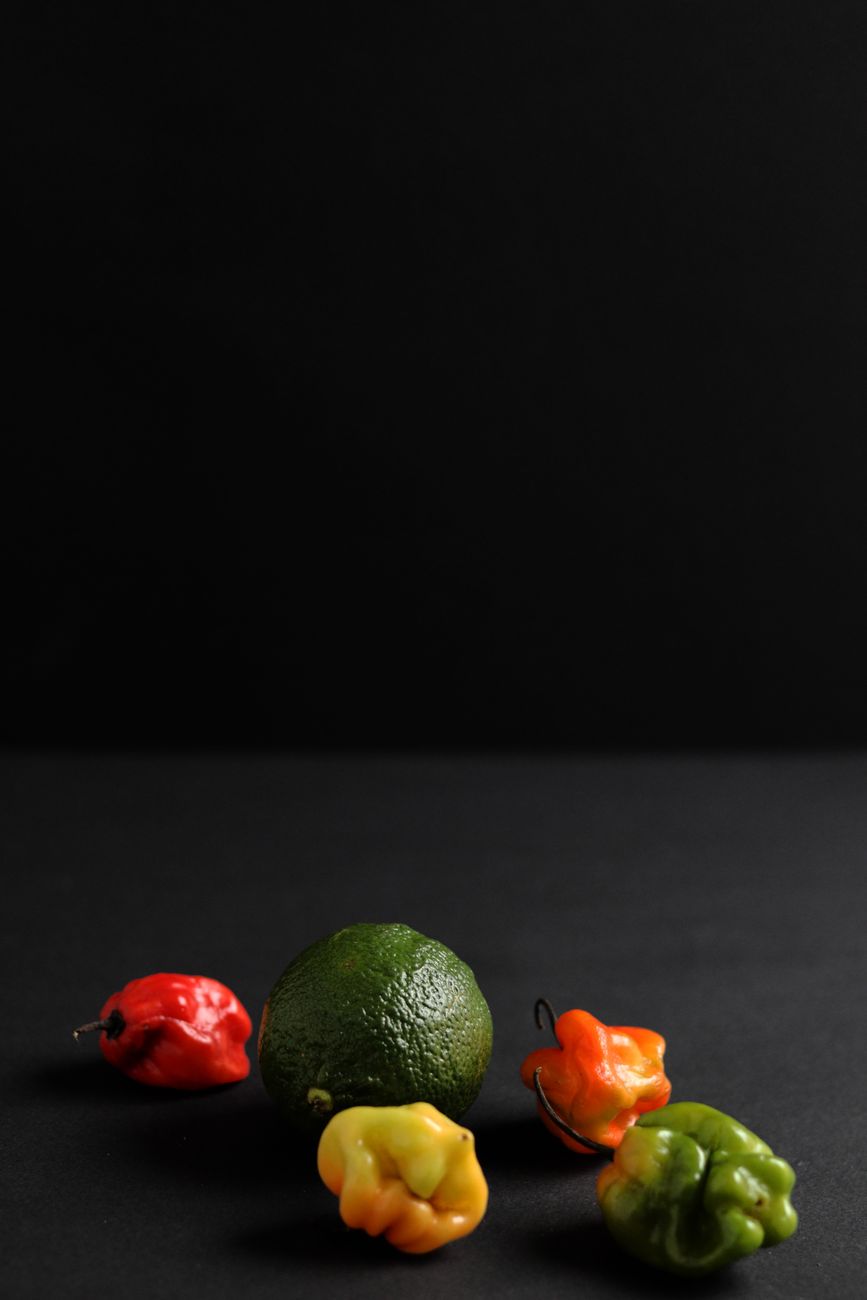
Caribbean cooks choose from a wider range of peppers than many North American kitchens stock. The Scotch bonnet, the habanero, and the bird's eye pepper dominate jerk and hot sauce recipes, but they're chosen for more than raw Scoville units.
A Scotch bonnet (100,000–350,000 Scoville units) has fruity, almost apricot-like notes underneath the burn. A habanero (100,000–350,000 SHU) brings citrus and earth. These aren't interchangeable with a jalapeño or cayenne; the flavor compounds matter as much as the heat compounds. When a recipe calls for a Scotch bonnet over a hotter ghost pepper, the choice is often about taste, not just intensity.
Capsaicin, the compound responsible for heat, triggers pain receptors. But it works alongside other volatile compounds in the pepper that your palate registers as flavor. A pepper with complex aromatics—fruity esters, sulfur compounds, alcohol notes—creates a more interesting sensory experience than one that's simply hot. Your brain can focus on flavors in addition to the burn, which makes the heat feel more approachable.
When shopping for peppers for Caribbean-style dishes, look for fresh Scotch bonnets or habaneros at markets that stock Caribbean ingredients. Fresh peppers have more volatile oils and aromatic complexity than dried versions. If fresh aren't available, dried Scotch bonnets or habaneros (usually labeled as such at specialty stores) work better than generic "hot peppers" or red pepper flakes.
Acid and Sweetness: The Balance That Makes Heat Addictive
Capicaicin doesn't work alone in craveable Caribbean dishes. Lime juice, vinegar, sugar, and fruits create a flavor structure that changes how your palate experiences heat.
Acid slows down capsaicin binding to pain receptors, which is why hot sauce with vinegar feels different from the same pepper solo. Sugar masks and complements heat; it's why Caribbean hot sauce often includes mango, pineapple, or brown sugar. Sweetness actually heightens your perception of fruity pepper notes while softening the sharp edges of capsaicin.
A typical jerk marinade demonstrates this principle:
- Peppers (Scotch bonnet or habanero) provide the baseline heat and fruity top notes
- Lime juice and vinegar add acid that tempers the burn and brightens other flavors
- Brown sugar or molasses add sweetness and create a glaze
- Allspice, cinnamon, and nutmeg add warm spice that registers as complexity rather than additional heat
- Garlic and ginger add bite and aromatic weight
When these elements combine on chicken or fish, the heat becomes one instrument in an ensemble rather than the only voice. A bite might register as fruity-spicy-sweet-sour-warm all at once. Your palate can process all of it because they're competing for attention.
If you're making a Caribbean hot sauce or marinade and find it uncomfortably hot, adding a squeeze of lime, a spoonful of sugar, or a tablespoon of vinegar doesn't mask the heat—it reorganizes how your mouth experiences it. The capsaicin is still there, but now there's a flavor story attached, which makes the experience less one-dimensional.
Umami and Aromatics: The Hidden Layer
Caribbean spicy dishes often include tomato, fish sauce, or fermented products—ingredients that add umami, the savory fifth taste. Umami compounds coat your mouth and linger on your palate, creating a sensation of depth that makes you want to take another bite. Combined with heat and the sweet-acid balance, umami extends the flavor experience. A spoonful of hot sauce feels satisfying rather than like a punishment.
Allspice deserves separate attention here. Native to Jamaica and central to jerk seasoning, allspice contains aromatic compounds that trigger warmth and complexity on your tongue. A proper jerk dish has more than one source of heat sensation: capsaicin from peppers, warm spice compounds from allspice, pungency from ginger. Layered this way, heat becomes textured rather than monolithic.
When building a spicy Caribbean dish, consider the aromatics as carefully as the heat source. Thyme, garlic, ginger, cinnamon, and cloves all appear in the region's cooking. Each adds a different kind of warmth and complexity that makes capsaicin feel like part of a larger flavor composition.
Why Caribbean Heat Doesn't Need to Be Extreme
Many craveable Caribbean dishes use moderate heat levels. A Scotch bonnet-based marinade doesn't require ghost peppers or extract. When you've balanced acid, sweetness, umami, and aromatics correctly, lower heat levels still deliver impact. A jerk chicken marinade with two Scotch bonnets might be medium heat by industrial-sauce standards, yet feel thoroughly spicy because every component is contributing.
This also makes these dishes more approachable if you prefer less heat. You can reduce the number of peppers or remove the seeds and membranes (where most capsaicin concentrates) and keep the flavor profile intact. The dish remains recognizable because you've preserved the acid, sweetness, aromatics, and umami. Heat becomes an adjustable dial rather than the whole point.
If you're sensitive to spice, start with half the pepper amount a recipe calls for, then taste and add more if you want it. The supporting flavors will still be there; you'll just experience less burn. Caribbean cooking's reliance on flavor balance makes this adjustment realistic in ways it isn't with a pure hot sauce or heavy spice blend.
Building Your Own Spicy Caribbean Flavors
Understanding this balance changes how you approach heat at home. Instead of asking "how many peppers do I need," ask:
- What acid will I use, and how much?
- Where does sweetness come in—sugar, fruit, or molasses?
- What aromatics will add complexity?
- Is there umami in the form of tomato, fermented ingredients, or stock?
- Then: how much pepper, and which kind?
A basic spicy marinade might start with equal parts lime juice and oil, a tablespoon or two of brown sugar, two minced Scotch bonnets, a teaspoon each of allspice and thyme, minced garlic, and ginger. Taste it before you commit to the heat level. Does it need more lime for brightness? More sugar for sweetness? Then adjust the peppers.
This approach—balancing flavor first, heat second—is why Caribbean spicy food can be so craveable. You're not chasing a Scoville number. You're creating something with enough depth that people want more, not less.
Peppers featured in this post
Cook with this idea
Recipes to try next.
Put these ingredients and techniques to use in your next meal.
caribbean · medium
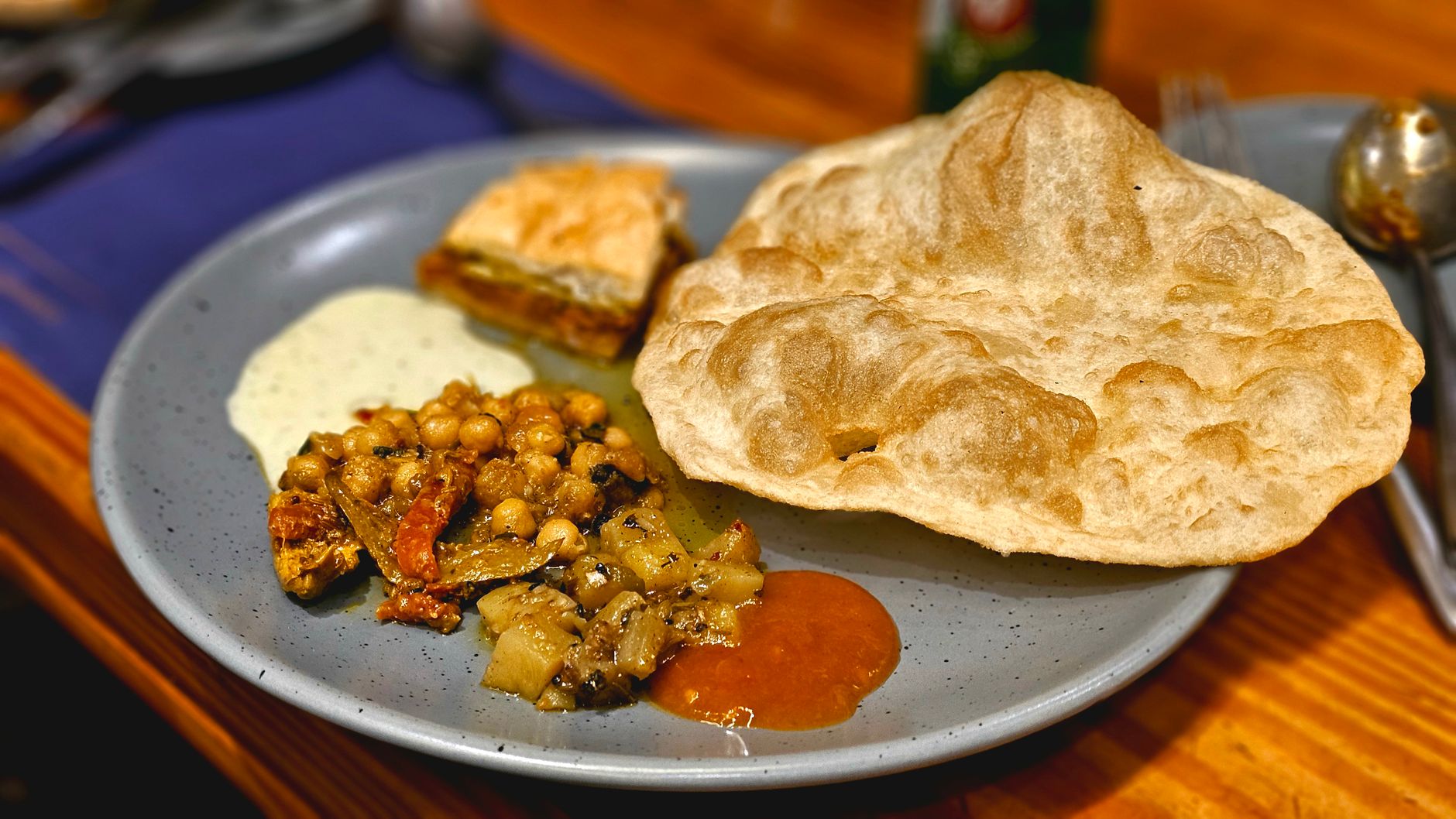
May 9, 2026Trinidadian Doubles with Scotch Bonnet Channa
Pillowy bara flatbreads cradle curry-spiced chickpeas brightened with scotch bonnet heat and finished with sweet-tart tamarind sauce—Trinidad's most beloved street food. 80 min · 0 saves.
caribbean · mild
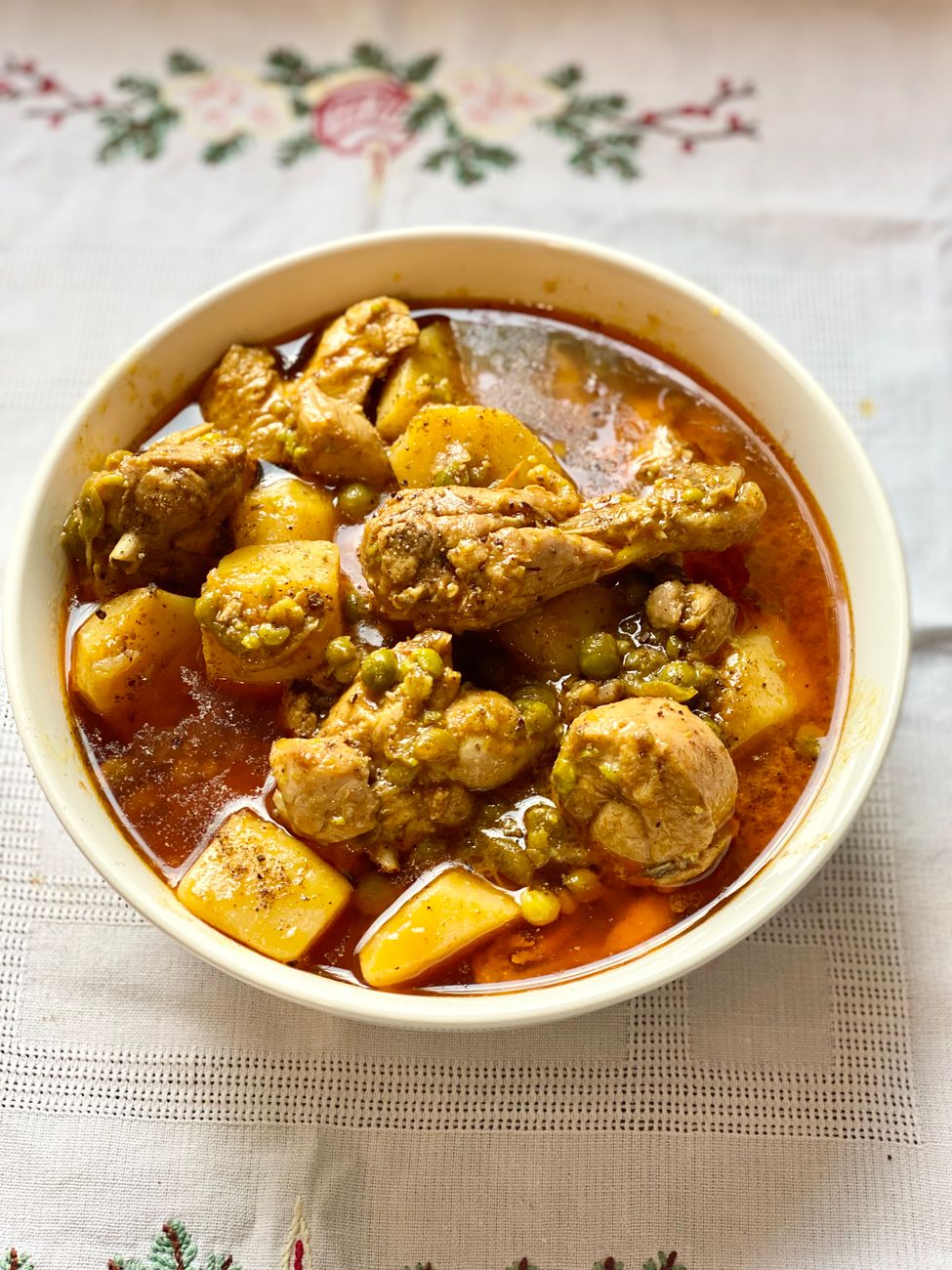
Sep 8, 2026Caribbean Mild Curry Stew with Scotch Bonnet and Root Vegetables
A fragrant, saucy Caribbean curry stew built on gentle heat from a whole Scotch bonnet pepper, warm spices, and coconut milk. Root vegetables soften into the broth while chicken or chickpeas stay tender. The heat is felt as warmth, not fire—suitable for any table. 60 min · 0 saves.

caribbean · mild
May 28, 2026Grilled Jerk Pork Shoulder with Scotch Bonnet Glaze
A Caribbean pork shoulder rubbed with warm spices and finished with a gentle scotch bonnet glaze that delivers fruity heat without overwhelming fire. 200 min · 0 saves.
Bottle picks
Related hot sauce reviews.
Explore sauces with related ingredients, flavors, and heat levels.
Fly By Jing Sichuan Gold Review
A citrusy, tingly sauce with real peppercorn presence and enough versatility to move beyond dumplings.
Best for dumplings
Best for: Eggs and breakfast tacos
Skip if: Skip if you want a thick, smoky wing sauce more than a bright finishing bottle.
Read review
Mike's Hot Honey Review
Sweet heat done right: sticky, quick, and versatile enough to become a finishing move instead of a novelty.
Best for gifting
Best for: Pizza and fried chicken
Skip if: Skip if you want a classic vinegar-forward table sauce with almost no sweetness.
Read review
Heatonist Los Calientes Rojo Review
Heatonist Los Calientes Rojo: flavor notes, heat level, and suggested food pairings.
Best for tacos
Best for: Tacos and rice bowls
Skip if: Skip if you are chasing a novelty-level heat hit or a super-special-occasion bottle.
Read review
Go deeper
Background guides that build on this.
Keep reading
More on this subject.
If this post helped, these are the next pieces most likely to keep the thread going.
science
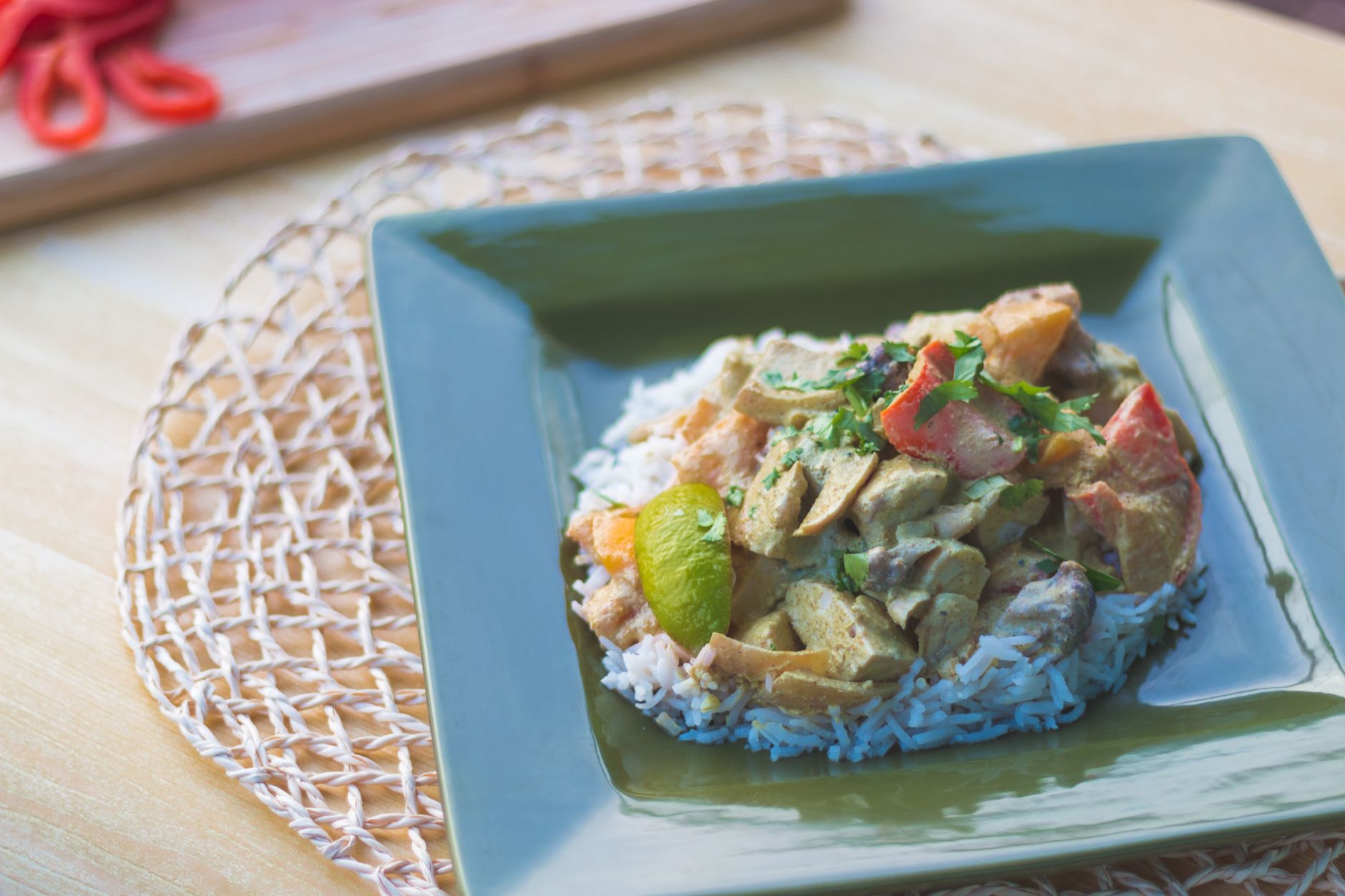
Apr 19, 2026Caribbean Cooking with Scotch Bonnet, Jerk, and Curry
Explore the peppers and aromatics used in Caribbean jerk and curries, including scotch bonnet, thyme, garlic, and allspice.
science
May 13, 2026Scotch Bonnet Sauce, Curry Goat, and Coconut Milk
Scotch bonnet peppers, allspice, coconut milk, and other seasonings shape Caribbean pepper sauces and slow-cooked curry goat.
science
Apr 30, 2026Caribbean Pepper Pot, Scotch Bonnet Marinades, and Curry Goat
Compare the long simmer of Caribbean pepper pot, the seasoning in scotch bonnet marinades, and the aromatics in curry goat.
Comments
Reader discussion is shared across recipes, reviews, and editorial pieces.
Comments are read-only while member sign-in is paused.