Recurring series
Heat Check
Short, useful reads on what is worth buying, cooking, or paying attention to right now.
Recent angleHow to Build Your First Hot Sauce ShelfRecent angleHow Korean Chilli Pastes Build Layered Heat
Browse Heat CheckBlog
Longer reads on spicy food culture, shelf-building, gear, ingredients, and the ideas that make the rest of the site more useful.
Recurring series
Short, useful reads on what is worth buying, cooking, or paying attention to right now.
Recurring series
Use one strong bottle to make multiple nights of dinner feel sharper, not repetitive.
Recurring series
Practical guidance on how to build a smarter hot sauce shelf, pantry, and gear lineup over time.
Editorial archive
Sort for the newest reads or tighten the archive around one topic or cuisine.
Page 1 of 15
guides
Apr 2, 2026A practical way to build a useful starter shelf without overbuying novelty bottles or expensive gift sets.

guides
Mar 26, 2026A practical guide to the sweet, fermented, and deeply savory spice architecture behind Korean cooking.
culture
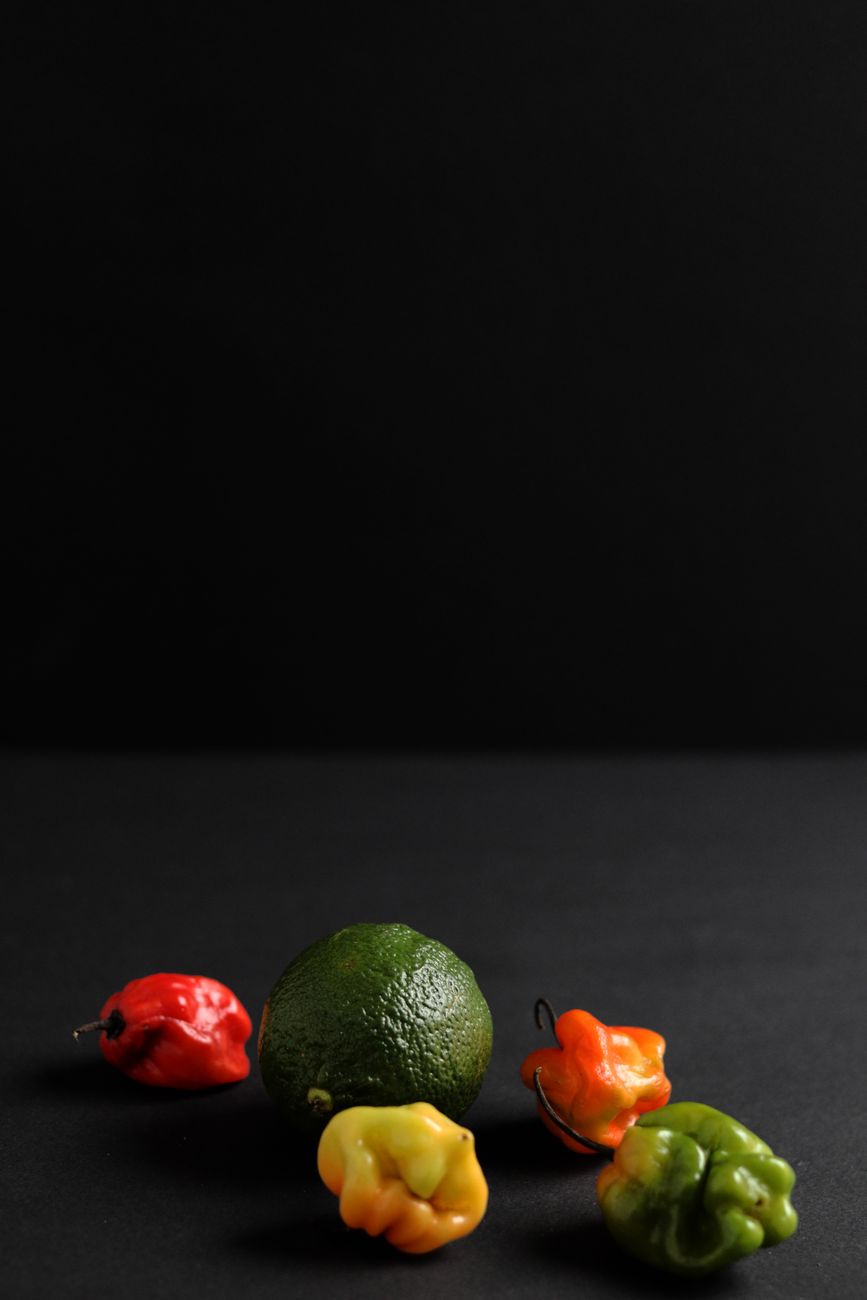
Oct 18, 2026Jamaican cooking builds heat intentionally, not as theater. Scotch bonnets anchor the tradition—fruity, complex peppers that shape everything from jerk seasoning to table sauces. Learn how to choose them, use them, and understand why this approach to spice has stayed central to the cuisine.
culture
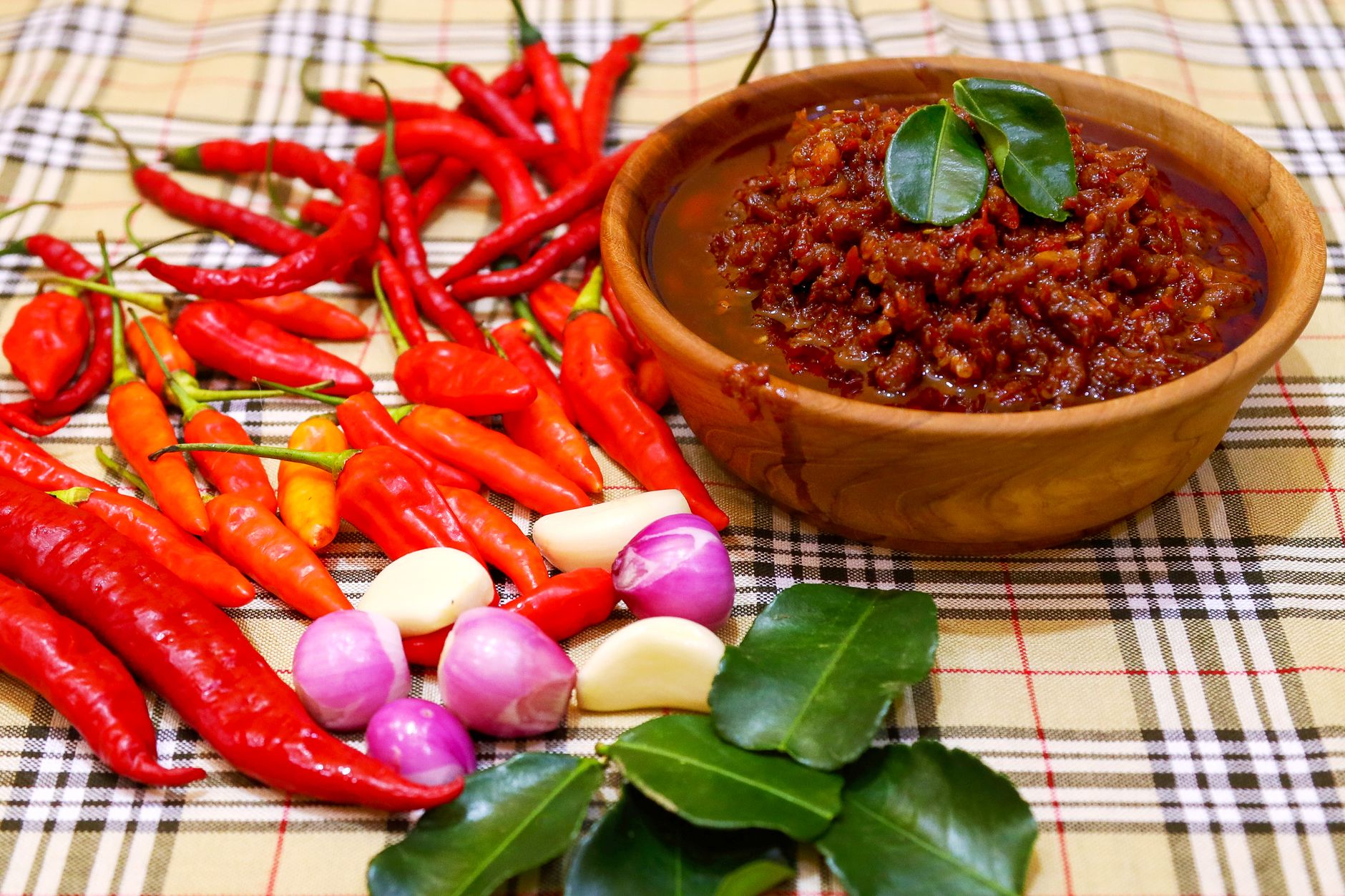
Oct 12, 2026Malaysian heat builds in layers—through chile pastes, aromatics, and the way coconut milk carries spice. These dishes work because you can taste as you go, adjusting heat without losing the flavor underneath.
science
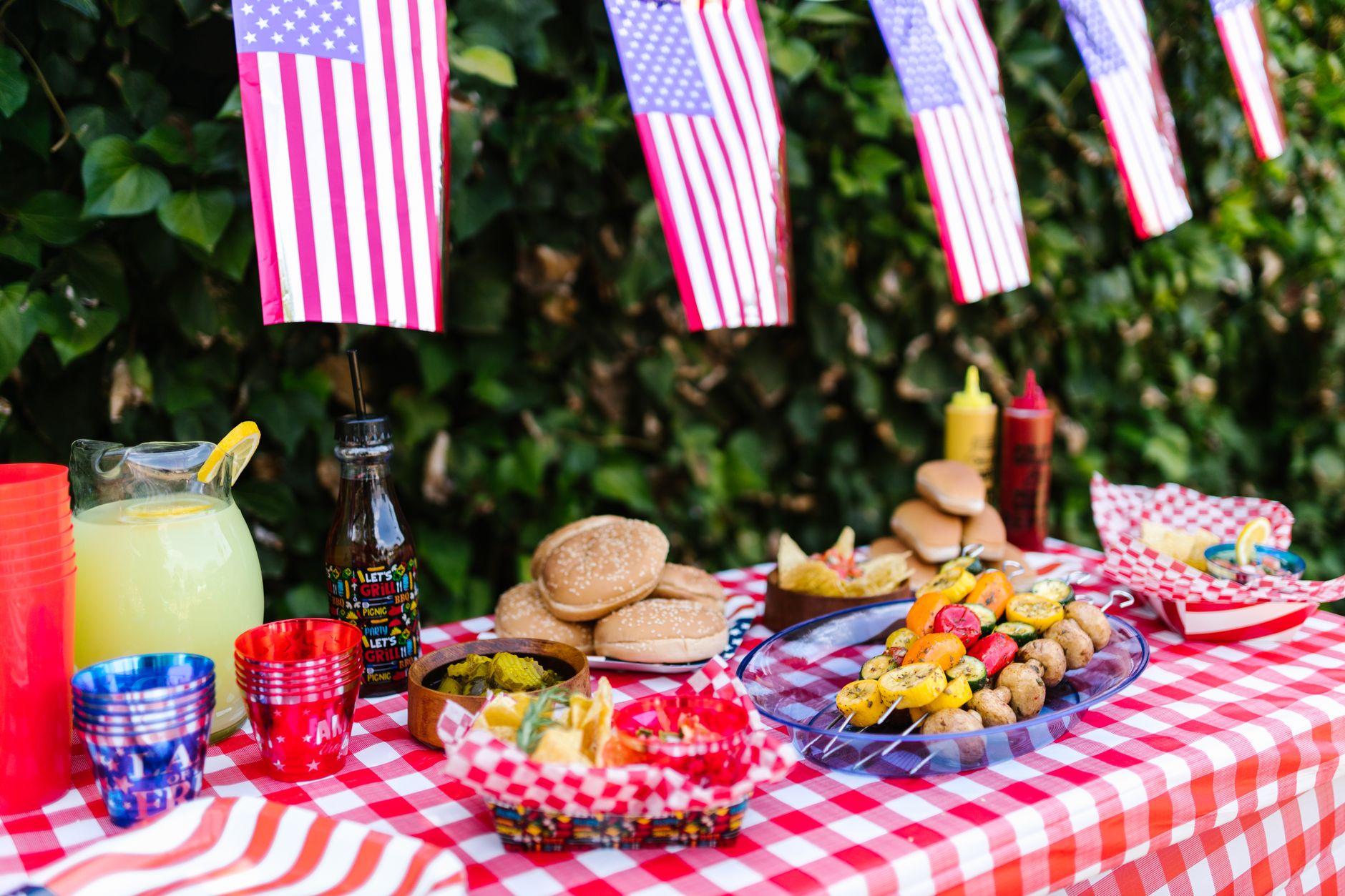
Oct 11, 2026American spicy cooking has shifted from pure heat toward layered flavor—fermented sauces, smoked peppers, and acid working together. These techniques make heat feel less aggressive and more useful at the table.

culture
Oct 11, 2026Calabrian chilis and peperoncini are reshaping how Italian cooks approach heat. Learn which peppers matter, how they're used across Southern Italy, and how to choose between whole, powdered, fresh, and oil-packed forms.
science
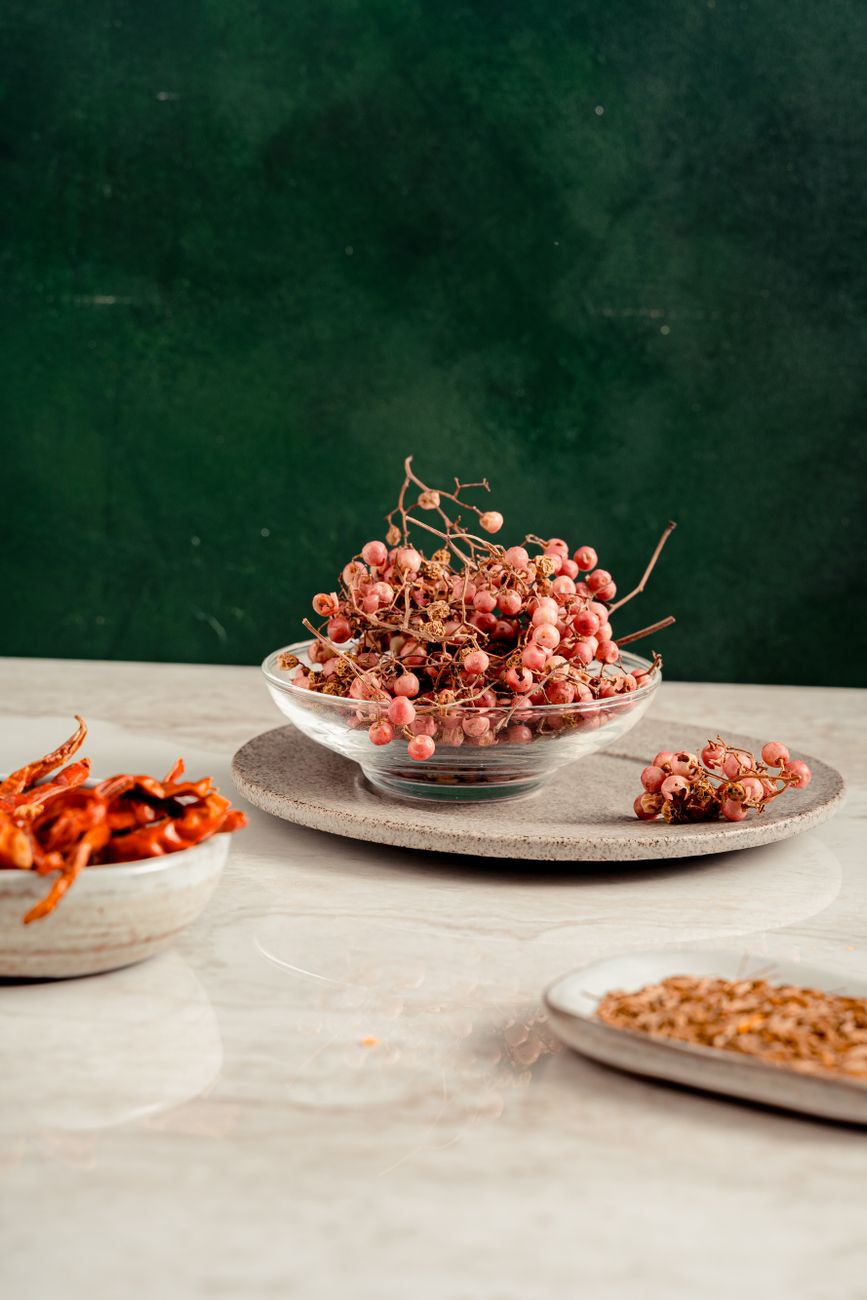
Oct 10, 2026Two kinds of heat drive the spicy Chinese dishes worth craving: the numbing tingle of Sichuan peppercorn and the slow burn of infused chili oil. Learn how they work together, which dried chilies matter, and how to build layered heat that enhances flavor instead of flattening it.
science
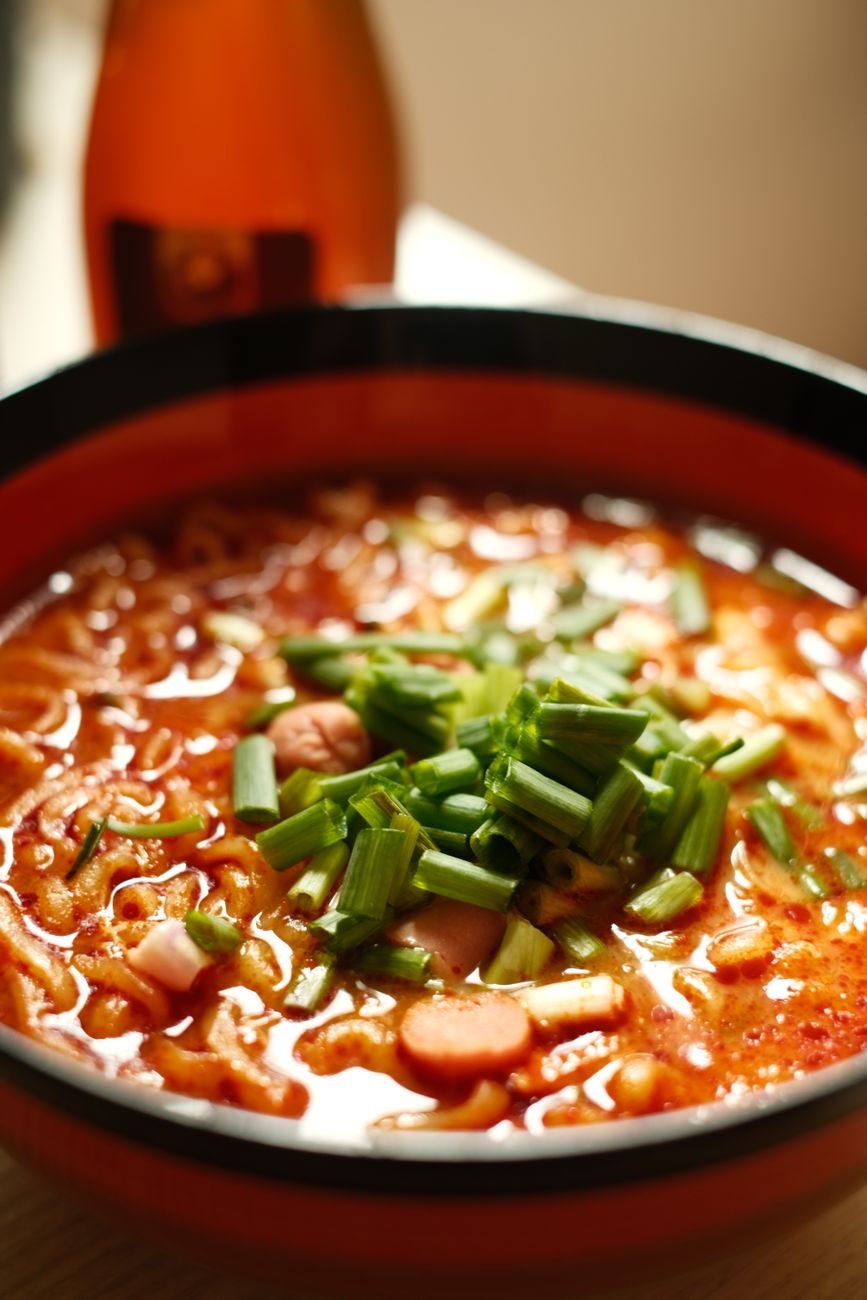
Oct 9, 2026Japanese cooks have long used chili as an accent, but the current wave of spicy dishes—ramen, miso-based bowls, karaage—works because heat is layered with umami, fat, and salt. Learn how capsaicin behaves in oil versus broth, why rayu (chili oil) builds flavor rather than just fire, and how multiple applications of heat keep a dish craveable instead of numbing.
science
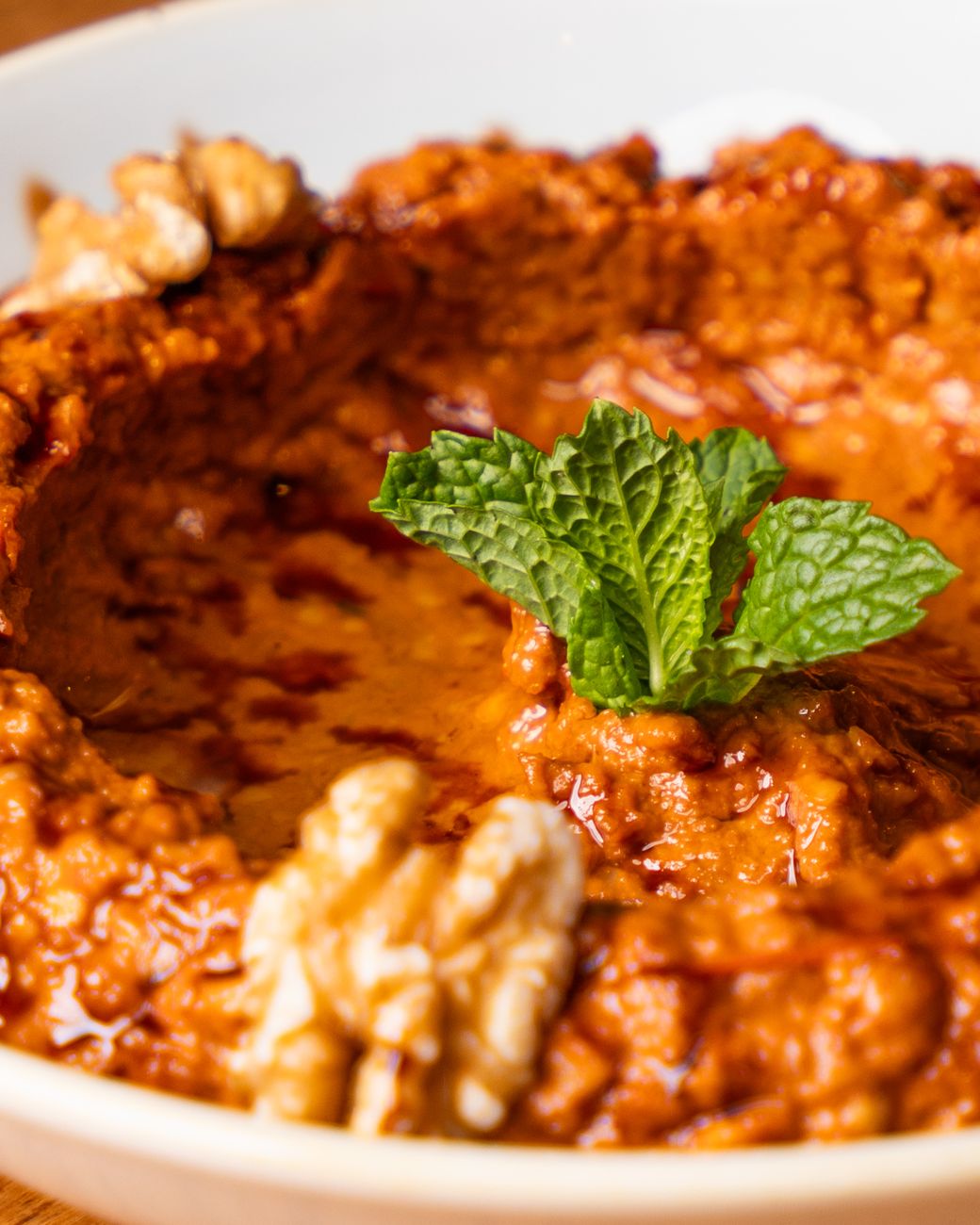
Oct 7, 2026Middle Eastern spicy food layers chile peppers with warm spices and acid to build depth instead of just heat. Learn how dishes like harissa and muhammara work, and how to adjust the burn to your taste.

science
Oct 6, 2026Southern Italian cooks have always used peperoncini as a core seasoning, not a novelty. Here's how heat works in regional Italian cooking, why it's becoming more visible, and how to use dried peppers to sharpen flavor rather than overwhelm it.