Guide
Ultimate Scoville Scale Guide
A practical guide to what the Scoville scale actually measures, and how to use it without treating it like the whole story.
What the Scoville scale actually measures
The Scoville scale measures the concentration of capsaicinoids, the compounds that create pepper heat. The result is expressed in Scoville Heat Units, usually shortened to SHU.
That number is useful, but it is not the whole eating experience.
- It tells you roughly how much heat potential is in a pepper or sauce.
- It does not tell you whether that heat feels bright, smoky, slow-building, sharp, fruity, or exhausting.
- It does not tell you how vinegar, sugar, salt, fermentation, oil, or texture will change the way that heat lands.
So the Scoville scale is best treated as a starting point, not a final verdict.
Quick Scoville scale reference
Use this as the fast orientation table when you want to understand where a pepper or sauce sits before you buy it.
| Heat lane | Approximate SHU | What it usually feels like | Common examples |
|---|---|---|---|
| No heat | 0 | Sweet, vegetal, no burn | Bell pepper |
| Very mild | 100 to 1,000 | Barely there, friendly | Banana pepper, mild poblano |
| Mild | 1,000 to 5,000 | Noticeable warmth, easy everyday use | Jalapeno, many table sauces |
| Medium | 5,000 to 25,000 | Real heat, still broadly usable | Serrano, hotter jalapeno sauces, chili crisp blends |
| Hot | 25,000 to 100,000 | Strong burn, less casual for most people | Cayenne, Thai bird's eye, many habanero sauces |
| Very hot | 100,000 to 350,000 | Serious heat with shorter margin for error | Scotch bonnet, hot habanero peppers |
| Extreme | 350,000 to 1,000,000 | Heat-first territory for most eaters | Ghost pepper, some superhot sauces |
| Superhot | 1,000,000+ | Punishing if used casually | Reaper, scorpion, concentrated novelty sauces |
Common peppers on the scale
These ranges vary by growing conditions, ripeness, and cultivar, but this list gives you a grounded mental map.
| Pepper | Approximate SHU | Notes |
|---|---|---|
| Bell pepper | 0 | Flavor without heat |
| Poblano | 1,000 to 2,000 | Mild, earthy, very approachable |
| Jalapeno | 2,500 to 8,000 | The reference point many people know best |
| Fresno | 2,500 to 10,000 | Similar lane to jalapeno, often fruitier |
| Serrano | 10,000 to 23,000 | Sharper and more assertive than jalapeno |
| Cayenne | 30,000 to 50,000 | Lean, direct heat |
| Thai bird's eye | 50,000 to 100,000 | Fast, punchy, very noticeable |
| Habanero | 100,000 to 350,000 | Fruity and aggressive, but still culinary |
| Scotch bonnet | 100,000 to 350,000 | Similar range to habanero, often with more Caribbean fruitiness |
| Ghost pepper | 800,000 to 1,000,000+ | Extreme and slow-building |
| Carolina Reaper | 1,400,000 to 2,200,000+ | Superhot territory |
What those numbers mean in real cooking
The most useful way to read the scale is not "bigger number equals better." It is "what kind of food can carry this heat well?"
0 to 5,000 SHU
This is the everyday lane.
- Great for eggs, breakfast tacos, rice bowls, sandwiches, and casual table use.
- Usually works best when you want to pour generously instead of measuring carefully.
- A lot of broadly useful supermarket hot sauces live here or just above it.
5,000 to 25,000 SHU
This is the flavor-first enthusiast lane.
- Good for tacos, grilled chicken, noodle bowls, dumplings, fried rice, and weeknight cooking.
- Hot enough to feel like "real spice" without automatically turning the dish into a challenge.
- Often the smartest lane for building your first serious hot sauce shelf.
25,000 to 100,000 SHU
This is where sauces start becoming more selective.
- Great for wings, pizza, burgers, fried chicken, and smaller-dose cooking.
- Less ideal as a universal breakfast or table sauce unless you already like serious heat.
- This is often where people start confusing "intensity" with "versatility."
100,000 SHU and above
This is where intent matters.
- Very good for heat-chasing, wing nights, spicy dares, and small-dose blending.
- Much less useful as a daily sauce for most people.
- Superhot sauces can still taste great, but they usually need discipline to stay fun.
Why two sauces with similar SHU can feel wildly different
This is where people misuse the Scoville scale most often.
A sauce rated lower on paper can feel easier, harsher, or even hotter in a real meal depending on what else is in the bottle.
Acidity
Vinegar and citrus can make heat feel brighter and faster. That is why a sauce can seem louder than its SHU might suggest.
Sugar and fruit
Sweetness can round the edges of heat. A fruity habanero sauce may feel more approachable than a drier, sharper sauce with similar numbers.
Fat and oil
Oil changes the texture of heat and how it coats the mouth. Chili crisp and oil-based sauces often feel different from vinegar-based table sauces even when both bring real punch.
Fermentation
Fermentation adds savory depth and funk, which changes how the heat reads. Some fermented sauces feel more layered and less one-dimensional than a raw-pepper equivalent.
Texture and cling
A thicker garlic-heavy or smoky sauce can feel more intense on rich food simply because it stays on the bite longer.
How to use the Scoville scale when buying hot sauce
This is the most practical way to use the number:
If you want an everyday bottle
Stay roughly in the mild-to-medium lanes and prioritize flavor notes over bragging rights.
Good targets:
- egg and taco bottles
- bright habanero sauces that still pour easily
- balanced reds
- lower-heat fermented sauces
If you want a wing or pizza bottle
You can push higher because richer food carries more aggression.
Good targets:
- medium-hot to very hot sauces
- garlic-heavy sauces
- hot honey or sticky pantry condiments
- one bigger hitter for occasional use
If you are buying a gift
Do not default to the highest number.
Better strategy:
- gift sets
- tasting flights
- subscriptions
- broader heat range instead of one punishing bottle
If you are building a starter shelf
A smarter first shelf is usually:
- one everyday bottle
- one brighter taco-or-seafood bottle
- one richer-food or higher-heat bottle
That gives you coverage without turning the fridge into a novelty museum.
What the Scoville scale does not tell you
Even a strong guide needs to be honest about what is missing from the number.
The scale does not tell you:
- whether a sauce tastes fruity, smoky, earthy, garlicky, or sour
- whether it works best on eggs, tacos, seafood, wings, or pizza
- whether the heat arrives immediately or creeps up
- whether the sauce is actually pleasant to keep eating
- whether the bottle is worth the price
That is why reviews matter, not just rankings.
FlamingFoodies rule of thumb
We treat Scoville as one input among several:
- Use SHU to understand the lane.
- Use flavor notes to understand the fit.
- Use real meal context to decide whether a bottle belongs on your shelf.
The better buying question is usually not "How hot is it?" but:
- What food do I want this bottle to improve?
- Do I want a generous pour or a tiny-dose weapon?
- Do I want brightness, smoke, sweetness, funk, or pain?
FAQ
Is a higher Scoville number always better?
No. A better bottle is the one you actually want to use on the food you cook most often.
What SHU range is best for beginners?
Usually the mild-to-medium bands, especially if you want a sauce for eggs, tacos, bowls, and weeknight dinners.
Are hot sauces and raw peppers measured the same way?
They can both be expressed in Scoville terms, but sauces are mixtures. Other ingredients can dramatically change how that heat feels.
Why does one habanero sauce feel easier than another?
Because sugar, vinegar, fruit, salt, fermentation, and texture all affect how the heat lands, even when the pepper base is similar.
What should I buy if I want heat and flavor?
Start with balanced habanero sauces, bright everyday reds, or flavor-first bottles in the medium-to-hot range before jumping straight to superhots.
Peppers covered in this guide
Put it into practice
Recipes that use what this guide explains.
Matched on the vocabulary, techniques, and ingredients above.
jamaican · mild
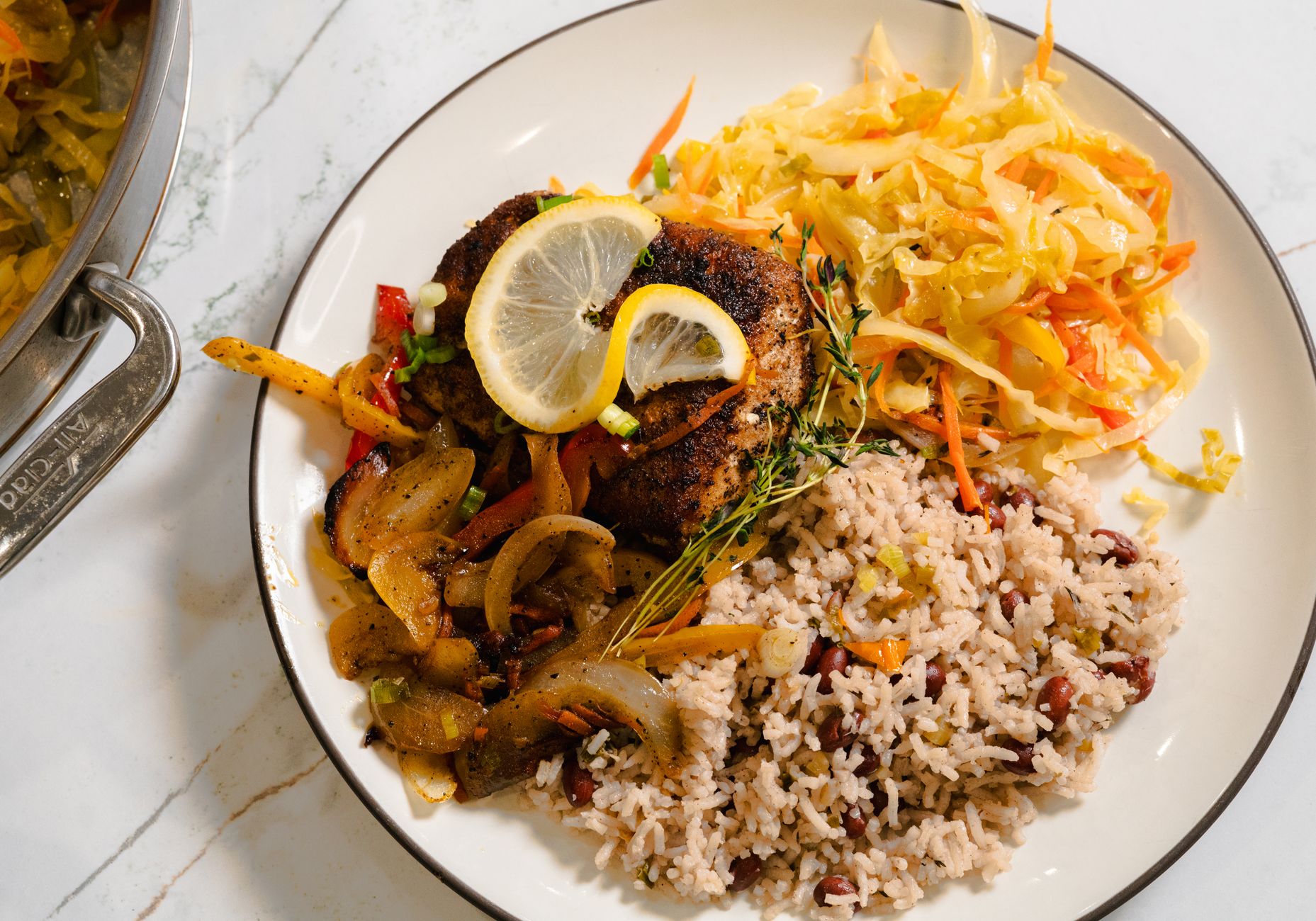
May 11, 2026Jamaican Escovitch Fish with Scotch Bonnet Oil
Crispy fried snapper topped with pickled vegetables and a gentle scotch bonnet-infused oil that brings warmth without overwhelming heat. 55 min · 0 saves.

jamaican · mild
Apr 11, 2026Jamaican Brown Stew Chicken with Sweet Scotch Bonnet
Tender chicken pieces slowly braised in a rich, caramelized sauce with aromatic thyme, allspice, and just a whisper of Scotch bonnet heat. 65 min · 0 saves.

other · reaper
Sep 7, 2026Spiced Lamb & Yogurt Rice Bowl with Carolina Reaper Chilli Oil
A Greek-inspired rice bowl built on charred lamb, cool yogurt, and finished with a carefully made Carolina Reaper chilli oil that delivers real heat without drowning out the flavors underneath. This is for people who want to actually taste their food—the burn is the point, but so is the meal. 60 min · 0 saves.
Bottles to try
Hot sauces to try.
Reviewed picks that map to the heat tiers and styles covered here.
Heatonist Los Calientes Rojo Review
Heatonist Los Calientes Rojo: flavor notes, heat level, and suggested food pairings.
Best for tacos
Best for: Tacos and rice bowls
Skip if: Skip if you are chasing a novelty-level heat hit or a super-special-occasion bottle.
Read review
Yellowbird Habanero Hot Sauce Review
A bright, carrot-forward bottle with enough heat to stay lively and enough sweetness to stay versatile.
Best for tacos
Best for: Tacos and rice bowls
Skip if: Skip if you want a classic vinegar-forward table sauce with almost no sweetness.
Read review
Torchbearer Garlic Reaper Review
An extremely hot garlic-forward sauce that somehow keeps real flavor structure under all that reaper pressure.
Best for wings
Best for: Pizza and fried chicken
Skip if: Skip if the table is heat-shy or you mainly want an easy everyday pour.
Read review
From the blog
Articles on this topic.
science
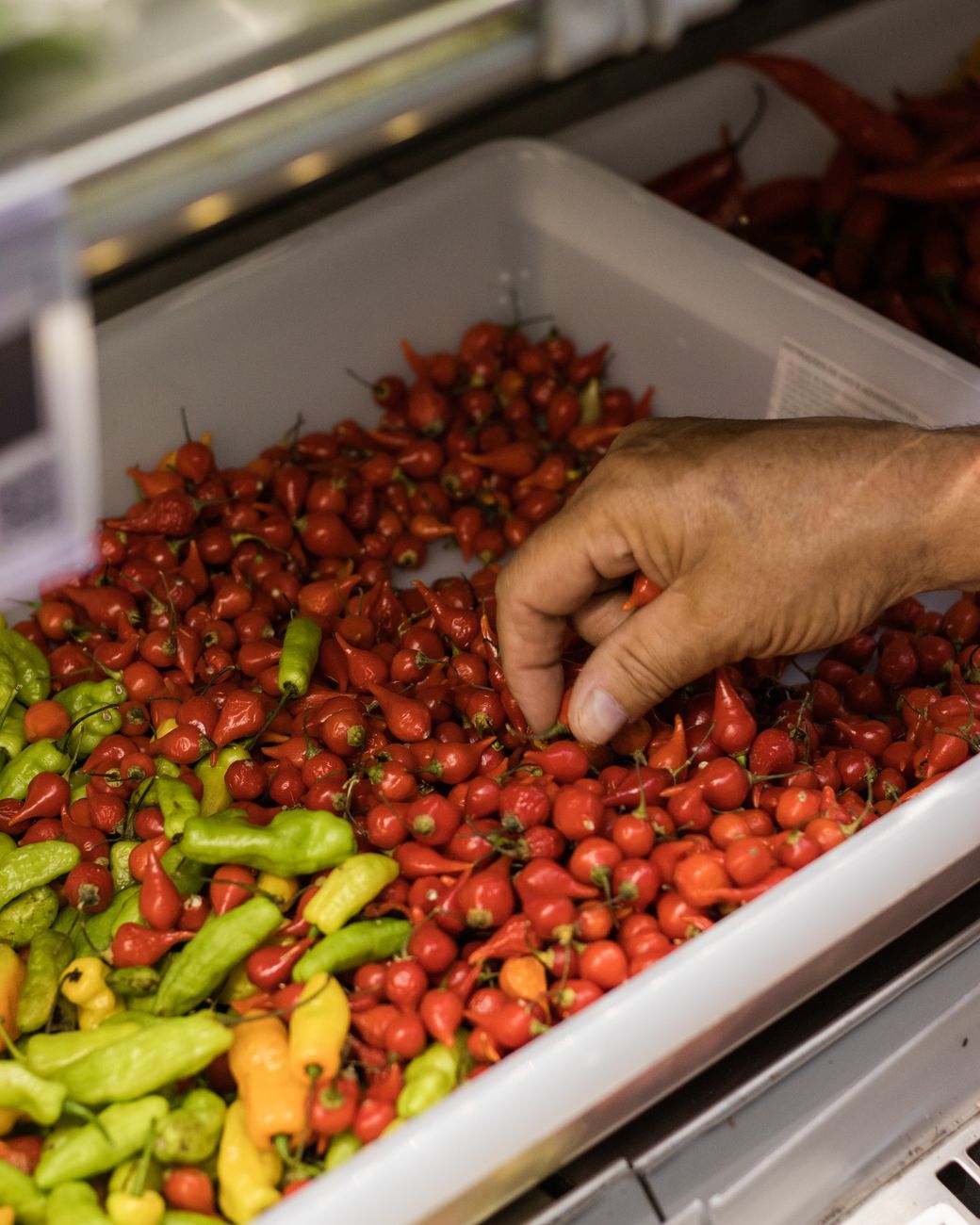
Sep 7, 2026Why Spicy Brazilian Cooking Is Having a Moment—And What You Should Actually Cook
Brazilian heat culture goes way beyond malagueta peppers—and it's finally getting the attention it deserves. We're breaking down the regional spicy dishes actually worth cooking right now, from Bahian dendê-fired seafood to São Paulo's fermented pimenta biquinho renaissance, plus why this approach to building heat (layered, craveable, never punishing) is exactly what home cooks are hungry for.
culture
Apr 10, 2026Why Ethiopian Spice Blends Are Having Their Moment Right Now
Ethiopian cooks know something about heat that the rest of us are just catching on to: the best spice blends don't just burn, they tell a story. From berbere's wine-dark complexity to mitmita's bright fire, these blends layer warmth with depth in ways that will change how you think about spicy food.
science
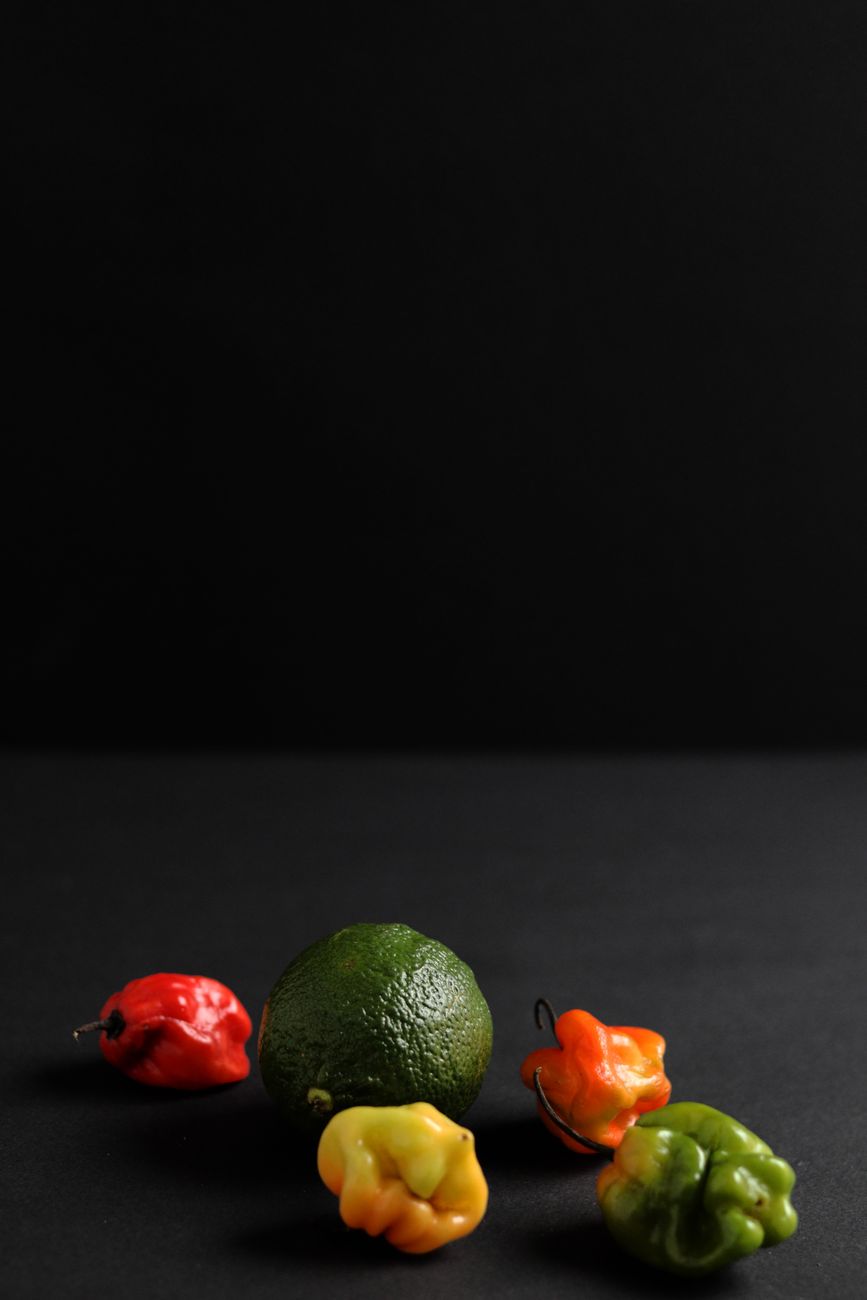
Sep 8, 2026Why Caribbean Heat Works: The Science Behind Spice That Keeps You Coming Back
Caribbean spicy dishes balance heat with acid, sweetness, and aromatics in ways that create depth rather than just fire. Learn how peppers like Scotch bonnets and habaneros work in jerk marinades, hot sauces, and braises—and how understanding this balance lets you adjust heat to your palate without losing flavor.
Keep reading