
Cayenne
Also known as: cayenne pepper, red pepper, Guinea spice
Cayenne is arguably the most important pepper in American cooking, even if most people don't know they're eating it. Ground cayenne powder appears in virtually every spice blend; the fresh or dried pepper is the base of Tabasco and many classic Louisiana hot sauces.
Scoville
30K–50K SHU
Heat
Hot
Origin
south america
Species
C. annuum
Type
Drying chile
Plant height
24–36 in
Heat profile
Hot heat — 30K–50K SHU
Step milder
Calabrian Chili
25K–40K SHU
This pepper
Cayenne
30K–50K SHU
Step hotter
Ají Amarillo
30K–50K SHU
Flavor profile
Dry, earthy heat with minimal fruit — the backbone of powdered chili and hot sauce.
The cayenne's value is in its clean, dry heat rather than any distinctive flavor. That neutrality is exactly the point — it adds fire without competing with other ingredients. Fresh cayennes appear in Italian-American dishes and some Asian cooking, but the dried powdered form is where it does its heaviest lifting, showing up in everything from barbecue rubs to Cincinnati chili. Frank's RedHot is made from cayenne. Tabasco adds fermented cayenne-range peppers. This is the working pepper.
Color
Bright red
Did you know
Frank's RedHot, the most popular hot sauce in the United States, is made primarily from aged cayenne peppers — not a single exotic variety.
How to use it
- —Ground into powder for rubs, blends, and spice mixes
- —Base pepper for Louisiana-style hot sauces
- —Added whole to Italian-American dishes (arrabbiata, aglio e olio)
- —Infused into oils and butters for heat base
- —Used in Korean and Sichuan cooking as a component pepper
Pairs well with
Substitutes
Can't find cayenne? Try one of these.
Thai Bird's Eye
Use ½ as many50K–100K SHU
Thai bird's eye is about twice the heat but a similar dry, clean profile when dried. Works especially well as a substitute in Asian recipes.
Calabrian Chili
1:1 in dried/flake form25K–40K SHU
Calabrian dried flakes have similar heat but more fruit character. Best in Italian preparations.
How to grow it
Growing cayenne at home
USDA zones
Perennial in 9–11, annual in 4–8
Germinate
10–21 days
To harvest
~70 days from transplant
Plant height
24–36 in
Sun
full sun
Water
moderate
Container
Container-friendly
One of the most productive home garden peppers — a single plant can yield 50+ pods in a long season. Best when peppers are left on the plant until fully red, then harvested all at once and dried. Grow at the edge of a vegetable bed where the bright red ripening pods give you a visual cue for harvest timing.
Where to find it
Buying cayenne
Fresh
Fresh cayenne is uncommon at mainstream grocers but available at Asian, Italian, and Mexican markets, often labeled simply as 'long red chiles' or 'Italian frying peppers.'
Dried
Ground cayenne is sold in every spice aisle in the US; whole dried cayennes are common at Latin and Asian markets.
Seasonality
Fresh peak August–October; ground powder is shelf-stable year-round.
Seed sources
- Burpee
- Bonnie Plants
- Baker Creek
- Pepper Joe's
Quality varies enormously by brand for ground cayenne — fresh, bright-red powder is much hotter and more flavorful than the brown, sun-faded jar that's been on the shelf for two years. Check the color before buying.
History & origin
Where cayenne comes from
The cayenne pepper takes its name from Cayenne, the capital of French Guiana, though it's likely a slightly older Amazonian cultivar. Portuguese traders carried it from South America across to India and Africa in the 1500s; today most commercial cayenne is grown in India, China, Mexico, and the southern US. Its position in Louisiana cooking comes from a long French-Caribbean trade route rather than any North American origin.
Cook with it
Recipes that use cayenne.
american · reaper
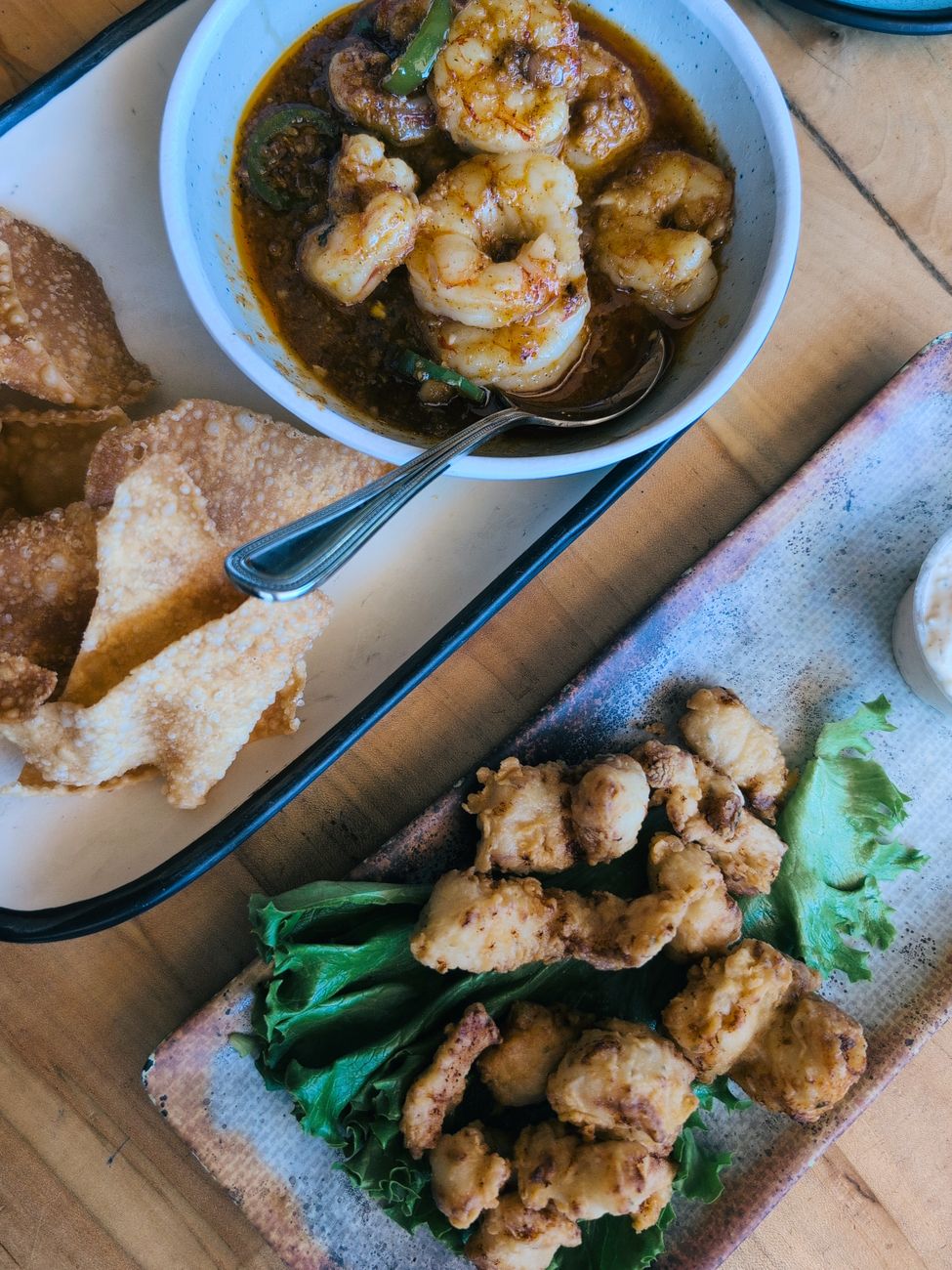
Oct 12, 2026Garlic Reaper Shrimp with Charred Scallions
Large shrimp seared until golden, tossed with Torchbearer Garlic Reaper sauce and finished with crispy garlic chips and charred scallion greens. The sauce clings to the shrimp without overwhelming the sweetness of the protein, and the heat builds steadily rather than hitting all at once. 20 min · 0 saves.

cajun · mild
Oct 8, 2026Cajun-Roasted Chicken with Paprika and Cayenne
A whole or halved chicken roasted at high heat until the skin crisps and chars, seasoned with paprika, cayenne, garlic, and thyme. The meat stays juicy inside while a quick pan sauce made from the roasting drippings adds savory depth. 65 min · 0 saves.
american · reaper
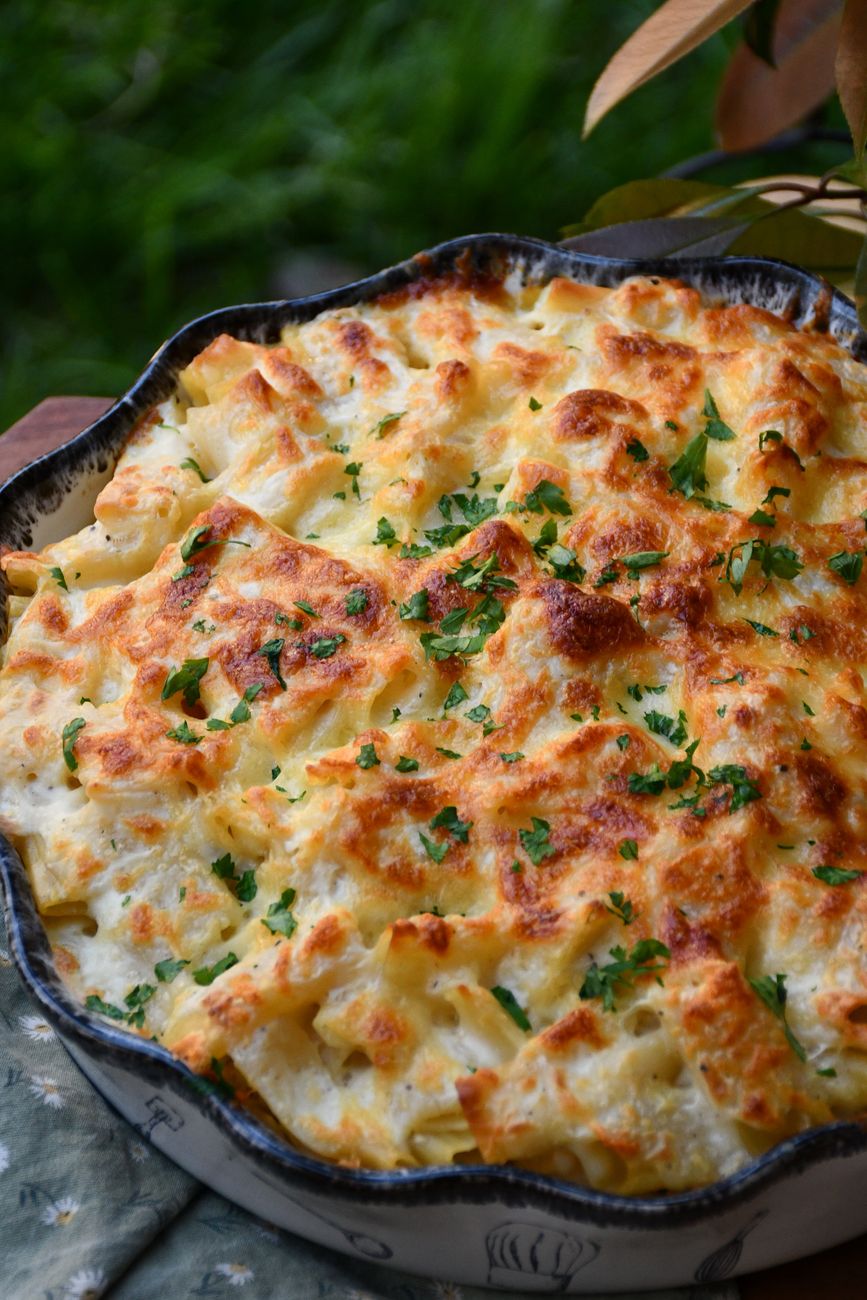
Jun 15, 2026Reaper-Spiked Buffalo Chicken Mac and Cheese
Comfort food meets serious heat in this weeknight mac loaded with shredded chicken and Torchbearer's garlic reaper sauce. 40 min · 0 saves.
From the blog
Articles about cayenne.

science
Oct 11, 2026Why American Spicy Food is Getting Bolder: Heat, Acid, and Umami Over Fire
American spicy cooking has shifted from pure heat toward layered flavor—fermented sauces, smoked peppers, and acid working together. These techniques make heat feel less aggressive and more useful at the table.

culture
Oct 11, 2026Spicy Italian Cooking Right Now: What's Driving the Heat
Calabrian chilis and peperoncini are reshaping how Italian cooks approach heat. Learn which peppers matter, how they're used across Southern Italy, and how to choose between whole, powdered, fresh, and oil-packed forms.
science
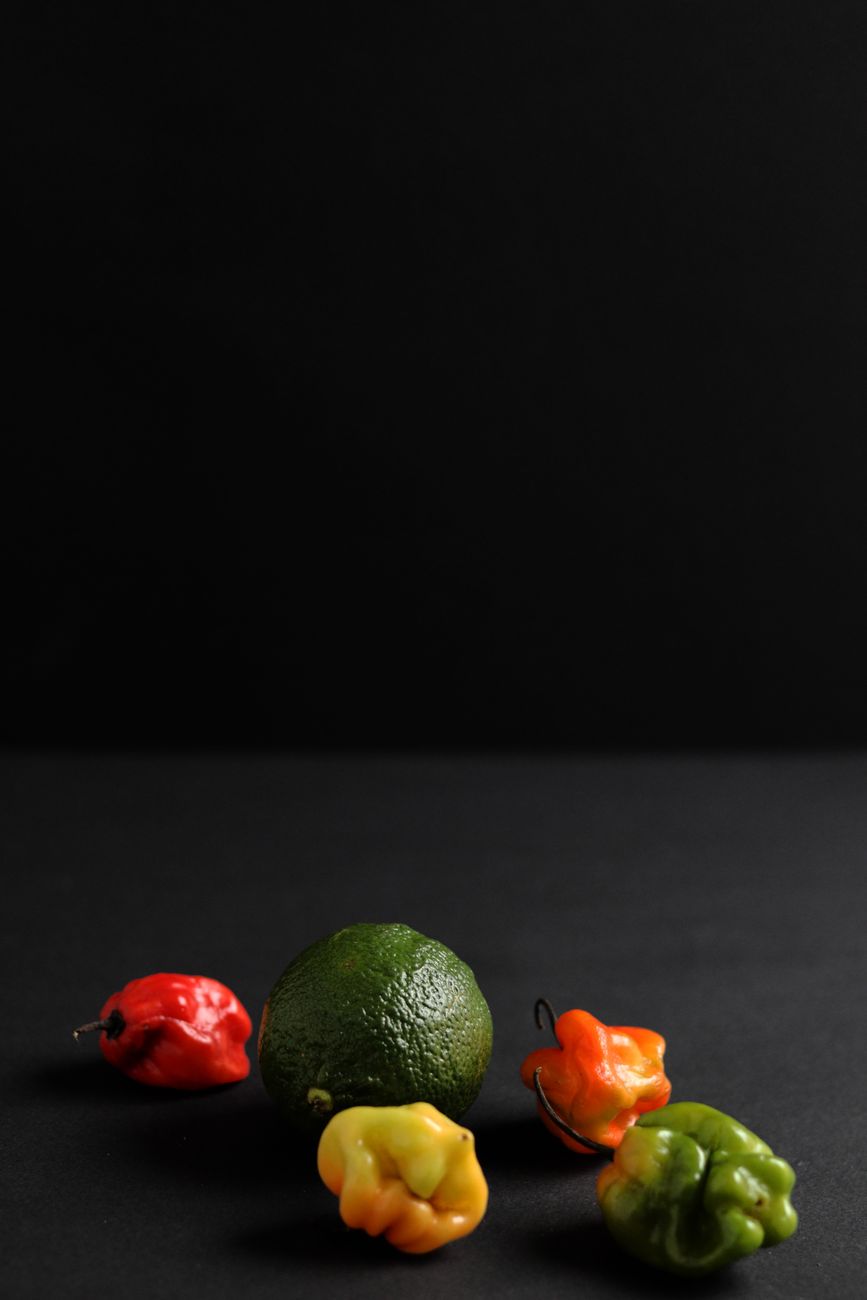
Sep 8, 2026Why Caribbean Heat Works: The Science Behind Spice That Keeps You Coming Back
Caribbean spicy dishes balance heat with acid, sweetness, and aromatics in ways that create depth rather than just fire. Learn how peppers like Scotch bonnets and habaneros work in jerk marinades, hot sauces, and braises—and how understanding this balance lets you adjust heat to your palate without losing flavor.
Background reading
Guides that cover cayenne.
Similar peppers
Other hot peppers
Frequently asked
Common questions about cayenne
Is cayenne the same as paprika?
No. Both are dried ground peppers, but they come from different cultivars with very different heat levels. Cayenne is 30,000–50,000 SHU. Paprika is typically 0–500 SHU. Sweet paprika has no heat at all; smoked paprika adds smoke without much fire.
Why is cayenne in so many spice blends?
Because it provides clean, dry heat without competing flavor. Most other hot peppers carry distinctive notes (smoky, fruity, vegetal) that won't blend neutrally. Cayenne's job in a curry powder or Cajun rub is to add fire while letting the other spices express their flavors. It's the most 'neutral' high-heat pepper available.
What hot sauces are made from cayenne?
Most of the iconic American hot sauces: Frank's RedHot, Tabasco (with related Tabasco peppers), Crystal, Louisiana, Texas Pete, and most generic 'Louisiana-style' sauces. The combination of cayenne, vinegar, and salt defines the original American hot sauce category.
Can you grow cayenne in a pot?
Yes, and they do well in containers. A 3-gallon pot is the minimum; 5 gallons is better. They need full sun and warm soil. A single plant in a container can give you a full year's supply of dried peppers if you let them fully ripen before harvest.
Pantry examples
If you want to taste cayenne in a bottle or pantry product
These are optional examples of how this pepper shows up in real products. The profile above stands on its own even if you never shop from this section.
Wing sauce classic
Frank's RedHot Original Cayenne Sauce
The cayenne workhorse behind most restaurant wing sauces. Pairs with butter straight out of the bottle. Also useful on eggs, pizza, and anything that wants vinegar heat.
View example ↗The original
Tabasco Original Red Pepper Sauce
The Avery Island classic that started the modern hot sauce shelf — thin, vinegary, and sharp. Correct on oysters, gumbo, Bloody Marys, and anywhere acid does the work.
View example ↗Fast crust
Cajun Seasoning Blend
A no-nonsense seasoning for salmon, fries, wings, and sheet-pan dinners when you want flavor in under thirty seconds.
View example ↗Louisiana upgrade
Pain is Good Louisiana Style Hot Sauce
A more complex, slightly sweeter Louisiana-style with better body than the commodity brands. Good for gumbo, fried seafood, and people who want something beyond Crystal.
View example ↗