
Jalapeño
Also known as: jalapeño pepper, chipotle when smoked
The most widely consumed hot pepper in the world, the jalapeño is the gateway drug of the spicy food world. Eaten fresh, pickled, roasted, or smoked into chipotles, it appears in more dishes than any other hot pepper.
Scoville
3K–8K SHU
Heat
Medium
Origin
mexico
Species
C. annuum
Type
Fresh pod
Plant height
24–36 in
Heat profile
Medium heat — 3K–8K SHU
See the full scoville scale →Flavor profile
Grassy, bright, and mildly vegetal with a clean, manageable heat.
The jalapeño's near-universal availability and predictable heat range make it the chef's workhorse pepper. Ripe red jalapeños are sweeter and slightly hotter than the ubiquitous green; roasting either color mellows the heat and deepens the flavor. When smoked and dried, the jalapeño becomes the chipotle — a completely different flavor identity with the same base ingredient. If you're building heat tolerance, the jalapeño is where to start.
Color
Red or green
Did you know
The same jalapeño pepper becomes a chipotle when it's left on the plant to ripen red, then smoked and dried — entirely different flavor, same pepper.
How to use it
- —Sliced fresh into tacos, nachos, and sandwiches
- —Smoked and dried as chipotle for salsas and adobo
- —Pickled en escabeche alongside carrots and onion
- —Roasted and blended into hot sauces and salsas
- —Stuffed with cheese and bacon (jalapeño popper)
Pairs well with
Substitutes
Can't find jalapeño? Try one of these.
Serrano
Use about ⅔ as many10K–23K SHU
Serranos are 2–3× hotter with a similar bright, grassy profile. Reduce quantity or remove some seeds to dial the heat back.
Chipotle
1 chipotle per 2 jalapeños3K–8K SHU
When you want jalapeño's flavor with smoky depth instead of fresh grassiness — chipotle is the same pepper, smoked and dried.
How to grow it
Growing jalapeño at home
USDA zones
Perennial in 9–11, annual in 4–8
Germinate
7–21 days
To harvest
~75 days from transplant
Plant height
24–36 in
Sun
full sun
Water
moderate
Container
Container-friendly
Start seeds indoors 8–10 weeks before last frost; jalapeños need warm soil (75–85°F) to germinate. Transplant after night temperatures stay above 55°F. Pinch the first flower set to push energy into root development. A 3–5 gallon container is enough per plant. Uneven watering causes blossom-end rot, so mulch heavily and water deeply once or twice a week rather than shallow daily.
Where to find it
Buying jalapeño
Fresh
Year-round at virtually every US grocery store; the most universally stocked hot pepper in the country.
Dried
Smoked-dried form (chipotle) is widely available at Latin grocers, well-stocked supermarkets, and online. Unsmoked dried jalapeños are uncommon.
Seasonality
Peak field-grown season is August through October; greenhouse production keeps fresh supply steady year-round.
Seed sources
- Burpee
- Bonnie Plants
- Johnny's Selected Seeds
- Pepper Joe's
- Baker Creek
Green jalapeños are picked unripe and are what you'll see in most supermarkets. Red jalapeños are fully ripened — sweeter, slightly hotter, and harder to find fresh. If a recipe specifies red jalapeño, leave green ones on the windowsill for a few days to ripen, or substitute Fresno chiles.
History & origin
Where jalapeño comes from
The jalapeño takes its name from Xalapa (historically Jalapa), the capital of Veracruz, where the pepper was traded for centuries before Spanish contact. Indigenous peoples in southern Mexico cultivated it long before European arrival, and the smoking technique that turns ripe jalapeños into chipotles is itself ancient — likely older than written records of the pepper. Today commercial production centers on Chihuahua, Sinaloa, and Texas, with Mexico still supplying most of the global supply.
Cook with it
Recipes that use jalapeño.

mexican · hot
Oct 18, 2026Habanero Chicken and Charred Corn Rice Bowl
A composed rice bowl with charred corn, habanero-marinated chicken, black beans, and a roasted habanero crema. Heat builds from the marinated chicken and finishes with bright chile warmth in the sauce. 60 min · 0 saves.
american · reaper
Oct 12, 2026Garlic Reaper Shrimp with Charred Scallions
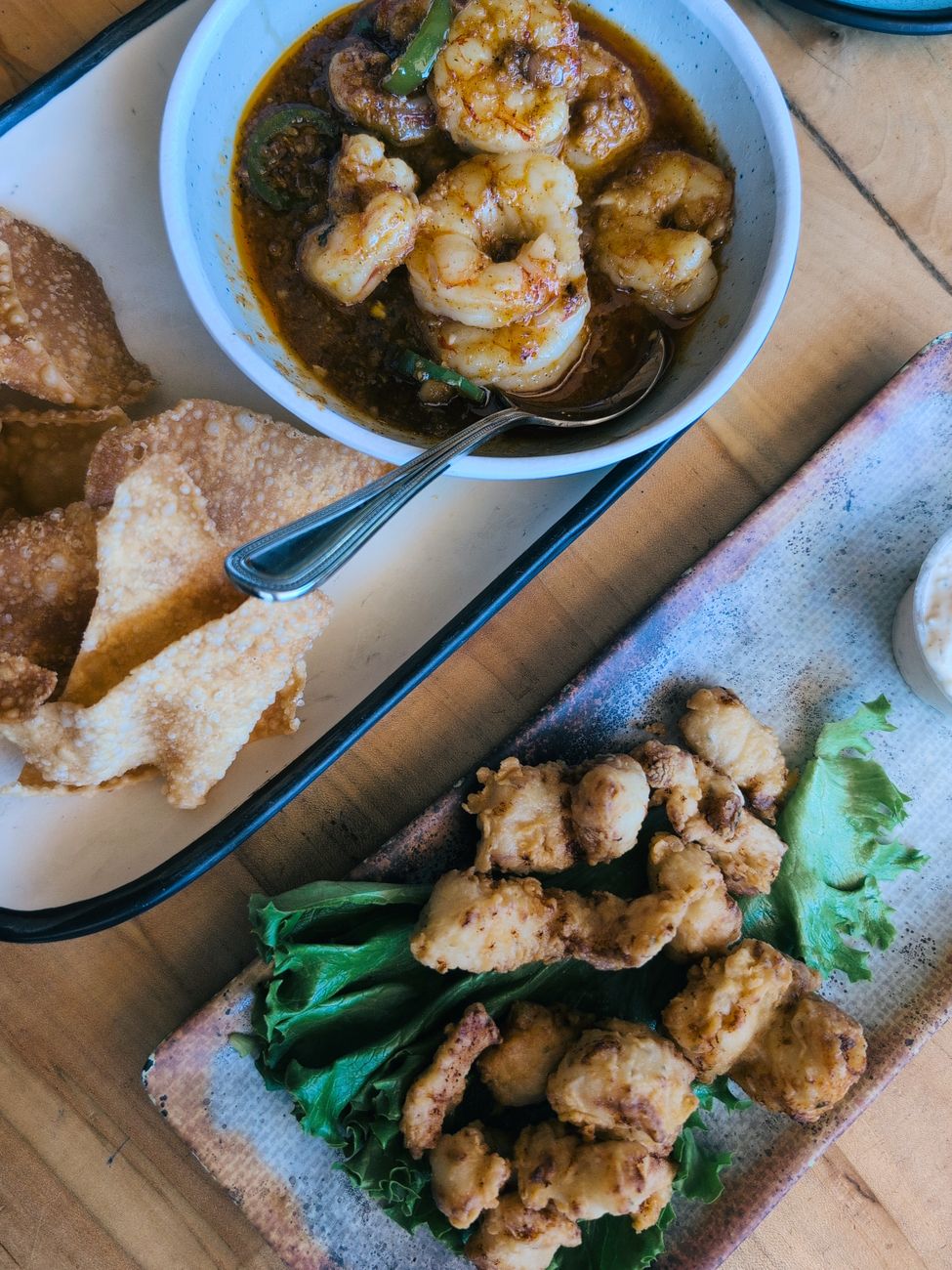
Large shrimp seared until golden, tossed with Torchbearer Garlic Reaper sauce and finished with crispy garlic chips and charred scallion greens. The sauce clings to the shrimp without overwhelming the sweetness of the protein, and the heat builds steadily rather than hitting all at once. 20 min · 0 saves.

mexican · inferno
Oct 9, 2026Charred Chicken Wings with 7-Pot Chile and Lime
Whole chicken wings coated in a roasted 7-pot chile paste, charred until blistered, and finished with fresh lime and fleur de sel. For heat lovers who want chile flavor to drive the dish, not mask it. 45 min · 0 saves.
From the blog
Articles about jalapeño.
culture
Oct 18, 2026Spicy Jamaican Dishes That Define Heat and Flavor Right Now
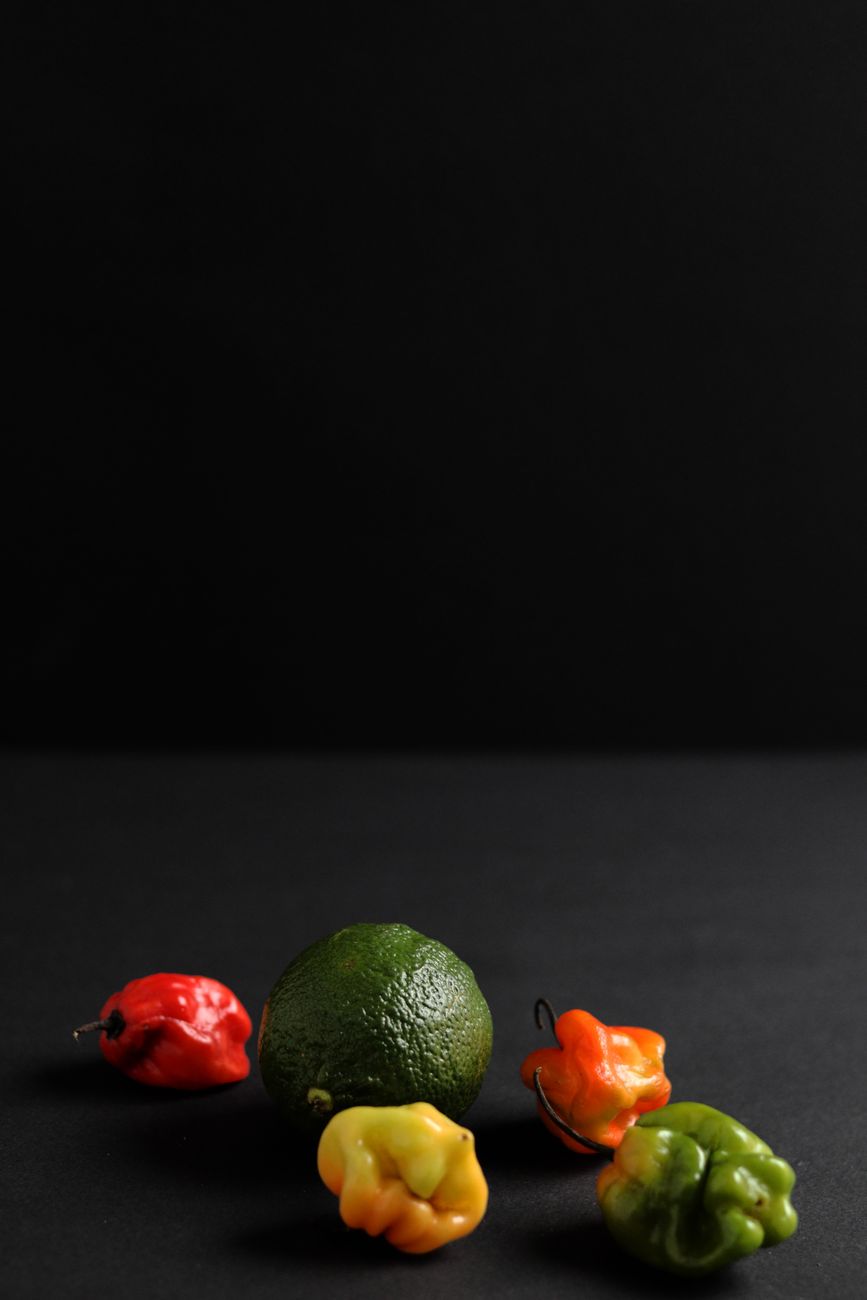
Jamaican cooking builds heat intentionally, not as theater. Scotch bonnets anchor the tradition—fruity, complex peppers that shape everything from jerk seasoning to table sauces. Learn how to choose them, use them, and understand why this approach to spice has stayed central to the cuisine.

science
Oct 11, 2026Why American Spicy Food is Getting Bolder: Heat, Acid, and Umami Over Fire
American spicy cooking has shifted from pure heat toward layered flavor—fermented sauces, smoked peppers, and acid working together. These techniques make heat feel less aggressive and more useful at the table.
science
Oct 10, 2026Why Chili Oil and Numbing Heat Drive the Spiciest Chinese Dishes Right Now
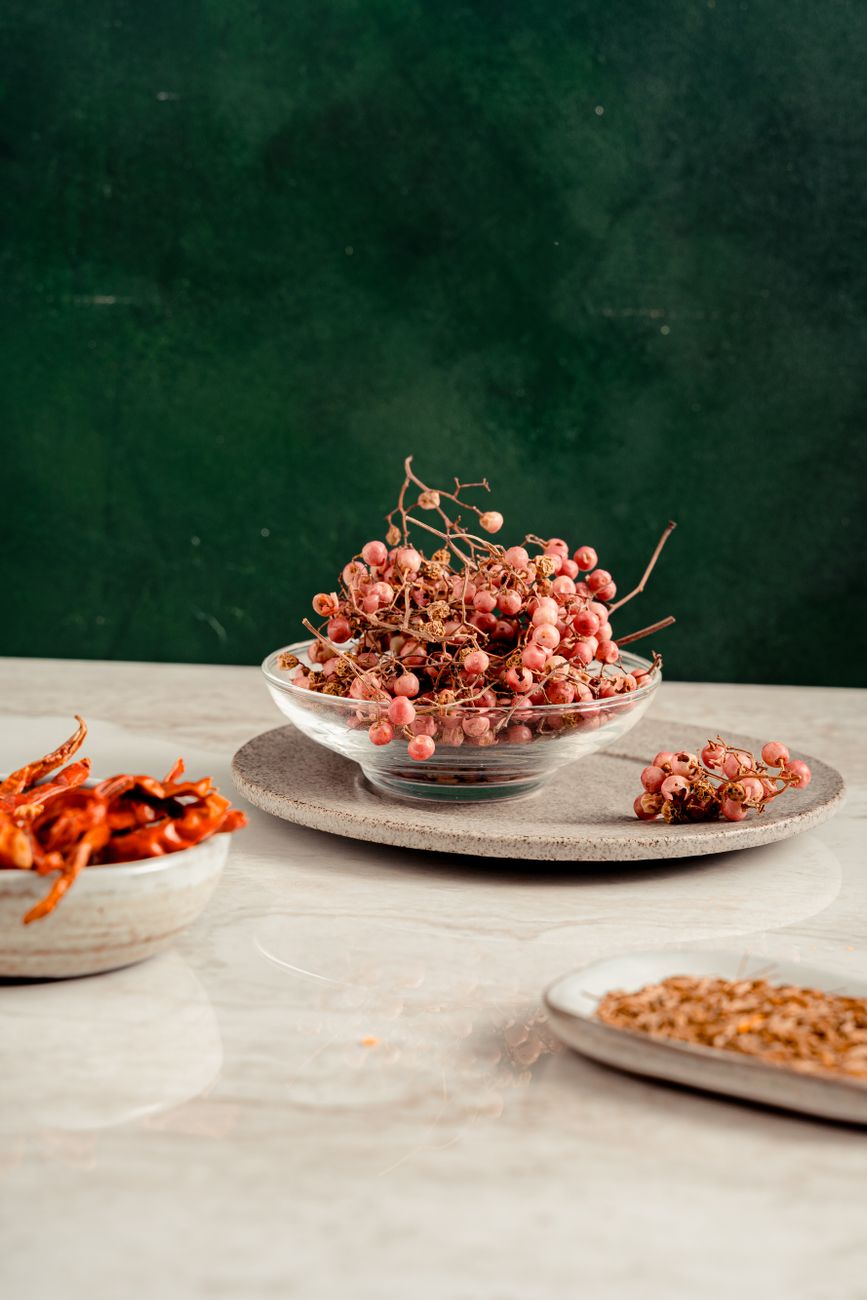
Two kinds of heat drive the spicy Chinese dishes worth craving: the numbing tingle of Sichuan peppercorn and the slow burn of infused chili oil. Learn how they work together, which dried chilies matter, and how to build layered heat that enhances flavor instead of flattening it.
Similar peppers
Other medium peppers
Frequently asked
Common questions about jalapeño
How hot is a jalapeño compared to a habanero?
A habanero is about 25–50 times hotter than a jalapeño. Jalapeños sit in the 2,500–8,000 Scoville range; habaneros run from 100,000 to 350,000 SHU. The two peppers also taste fundamentally different — jalapeños are grassy and vegetal, habaneros are fruity and tropical.
Are red jalapeños hotter than green?
Slightly — but the bigger difference is flavor. Red jalapeños have been left on the plant to ripen and develop sweetness, fruitiness, and a touch more capsaicin. Most commercial jalapeños are picked green because they ship better, not because the green form is preferred.
What's the difference between a jalapeño and a chipotle?
They're the same pepper at different stages. A chipotle is a ripe red jalapeño that has been slow-smoked over wood and dried. The smoking transforms the bright, vegetal jalapeño flavor into something deep, earthy, and lightly sweet. Chipotles are usually sold dried, ground into powder, or canned in adobo sauce.
Can you eat jalapeño seeds?
Yes — seeds are edible and not the source of a jalapeño's heat. Capsaicin lives mostly in the white pith (the placenta) that holds the seeds, not in the seeds themselves. Removing the seeds and pith reduces heat by 60–80% without changing the pepper's flavor.
What's a good substitute for jalapeño?
Serrano peppers are the closest swap — they're hotter (use about two-thirds the amount) with the same grassy, fresh character. Fresno peppers work for red jalapeño calls. For a milder substitute, use poblano or Anaheim; you'll lose heat but keep the vegetal flavor. In a pinch, ¼ teaspoon of cayenne powder approximates the heat of one fresh jalapeño but loses all the fresh-pepper flavor.
Pantry examples
If you want to taste jalapeño in a bottle or pantry product
These are optional examples of how this pepper shows up in real products. The profile above stands on its own even if you never shop from this section.
Smoky shortcut
Chipotle Peppers in Adobo
The pantry move for smoky mayo, burger sauce, taco braises, and chili that tastes like you actually thought ahead.
View example ↗Most-poured bottle
Cholula Original Hot Sauce
The best-selling Mexican hot sauce in the US — mild enough for any table, bright enough for eggs, tacos, pizza, and cocktails. The bottle most people already trust.
View example ↗Jalapeño brightness
Tabasco Green Jalapeño Sauce
Milder than the red, brighter and more herbaceous — great on Mexican food, omelets, grilled fish, and anyone who wants acid with a green, vegetal edge.
View example ↗Clean label
Siete Jalapeño Hot Sauce
A grain-free, clean-ingredient jalapeño sauce with real brightness. Hits for people who want the heat without vinegar overload or industrial fermentation.
View example ↗