
science
Caribbean Cooking with Scotch Bonnet, Jerk, and Curry
Explore the peppers and aromatics used in Caribbean jerk and curries, including scotch bonnet, thyme, garlic, and allspice.
Share this
Pass it around
Send this page to a friend, copy the link, or save it to a Pinterest board.

Save for later
Pin this page
Save the image with a link back to this recipe, review, or article.
The Heat That Builds Layers
Caribbean spice doesn't just burn—it develops. Well-made jerk chicken or a bowl of Trinidadian curry unfolds in stages: fruity pepper notes arrive first, then warmth builds as you keep eating. This is different from the quick, single-note heat of a jalapeño or the flat burn of a super-hot pepper eaten on its own.
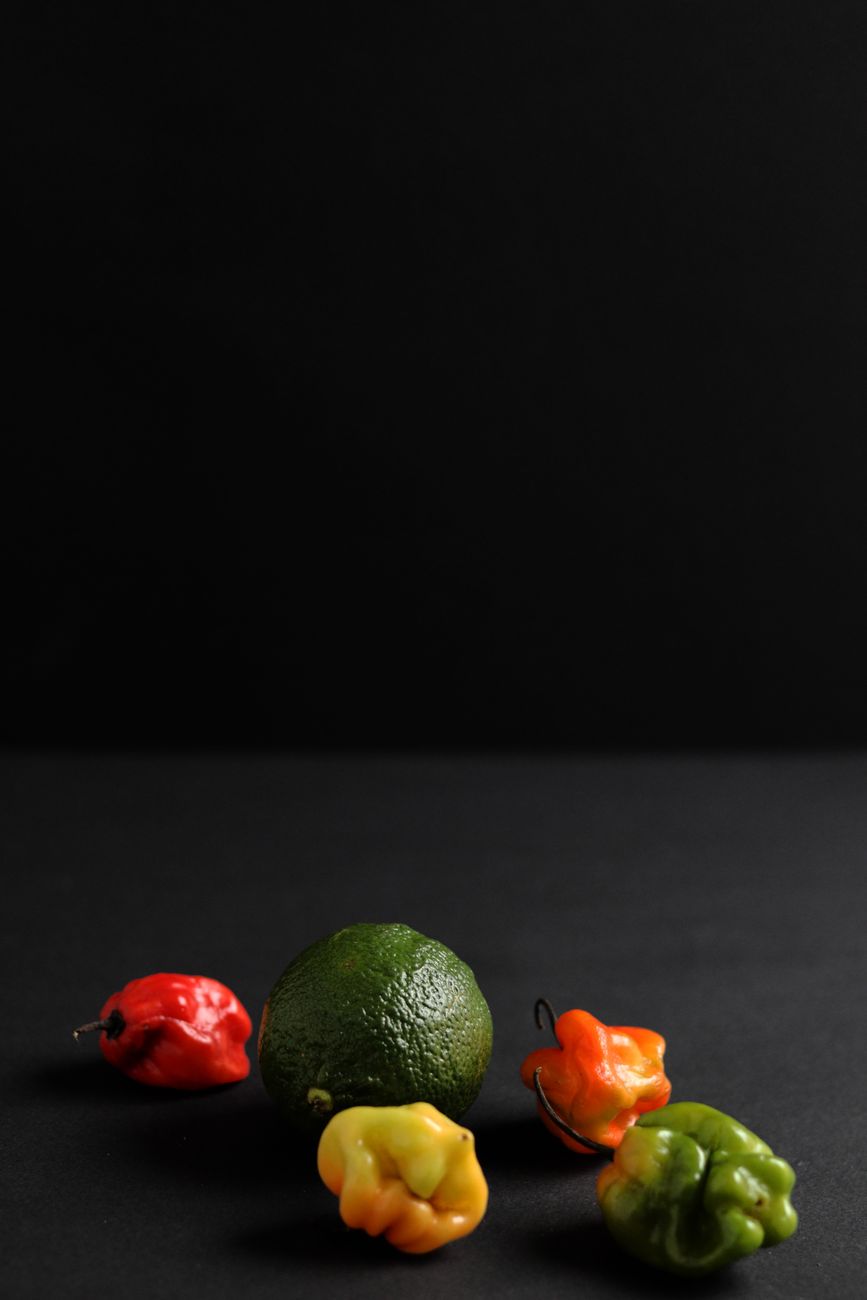
The star players here are Scotch bonnet and habanero peppers, both generally measured around 100,000–350,000 Scoville units. Raw numbers only tell part of the story: these peppers also carry fruity, almost floral notes that come through before the heat does. Combined with traditional aromatics like allspice, thyme, and garlic, they build a dish with several distinct flavors instead of one dominant burn.
Jerk: The Gateway That Actually Delivers
Jerk seasoning is often the first Caribbean dish people try, and the technique explains why it works. It balances Scotch bonnets with sweet elements like brown sugar or molasses, plus the aromatic bite of allspice berries, so a dish can taste both warm and sweet at once.
The marinade time matters more than most home cooks expect. Jerk marinades typically include acidic ingredients like lime juice and vinegar alongside the peppers and spices. Given enough time—at least four hours, preferably overnight—these ingredients season the meat all the way through rather than just coating the surface, so the heat and other flavors come through evenly as you eat rather than sitting only on the outside.
Curry Culture: How Trinidad Changed the Game
Trinidadian curry layers heat in a way that builds real depth: curry powder provides a base warmth, fresh peppers add brightness, and a long simmer lets everything combine.
Much of that depth comes from "green seasoning"—a paste made from cilantro, culantro, garlic, onions, and hot peppers, blended smooth and used as both marinade and sauce base. It adds herbaceous brightness against the earthier curry spices, so the dish builds heat gradually while staying fresh-tasting.
This style also handles fat well. Whether you're cooking curry goat, chicken, or chickpeas, the spices bloom in oil before any liquid goes in, a standard technique for developing flavor in a curry base. It works just as well with vegetables: curry mango, pumpkin, or green beans pick up sweetness from the cooking process that plays well against the heat, which is worth remembering if you're cooking for a mix of vegetarians and meat-eaters.
The Scotch Bonnet Difference
As with most chile peppers, the heat in Scotch bonnets concentrates in the seeds and inner membranes, while the flesh carries more of the fruity aroma. That means you can control heat levels by adjusting how you prepare the peppers:
- Whole peppers added during cooking: mild heat, maximum aroma
- Sliced peppers with seeds removed: moderate heat, good flavor balance
- Finely minced peppers with seeds: full heat and maximum flavor integration
- Pepper paste or sauce: intense heat with concentrated aromatics
This flexibility means the same base recipe can serve different heat tolerances at the table without losing its core flavor.
Cooking at Home
Caribbean spicing works well for home cooks because it doesn't require specialty equipment or hard-to-find ingredients. Most cities have Caribbean markets, and many mainstream grocery stores now stock Scotch bonnets, allspice berries, and curry powder.
The techniques scale easily for home kitchens. Unlike cuisines that depend on specific cooking vessels, Caribbean spicing adapts to standard equipment—you can make jerk marinade in any blender and cook curry in any heavy pot.
The appeal comes down to balance: these dishes layer heat with sweetness, acidity, and aromatic spice rather than relying on chile heat alone. That balance also makes the technique practical for cooking to different spice tolerances within the same meal, using the pepper-preparation choices above to adjust heat without changing the dish itself.
Peppers featured in this post
Cook with this idea
Recipes to try next.
Put these ingredients and techniques to use in your next meal.

caribbean · medium
Oct 18, 2026Caribbean Scotch Bonnet Burger with Mango-Pepper Slaw
A handheld burger built on a toasted bun with a seared beef patty, charred scotch bonnet mayo, and a bright mango slaw that cools and complements the medium heat. 32 min · 0 saves.
caribbean · medium
May 9, 2026Trinidadian Doubles with Scotch Bonnet Channa
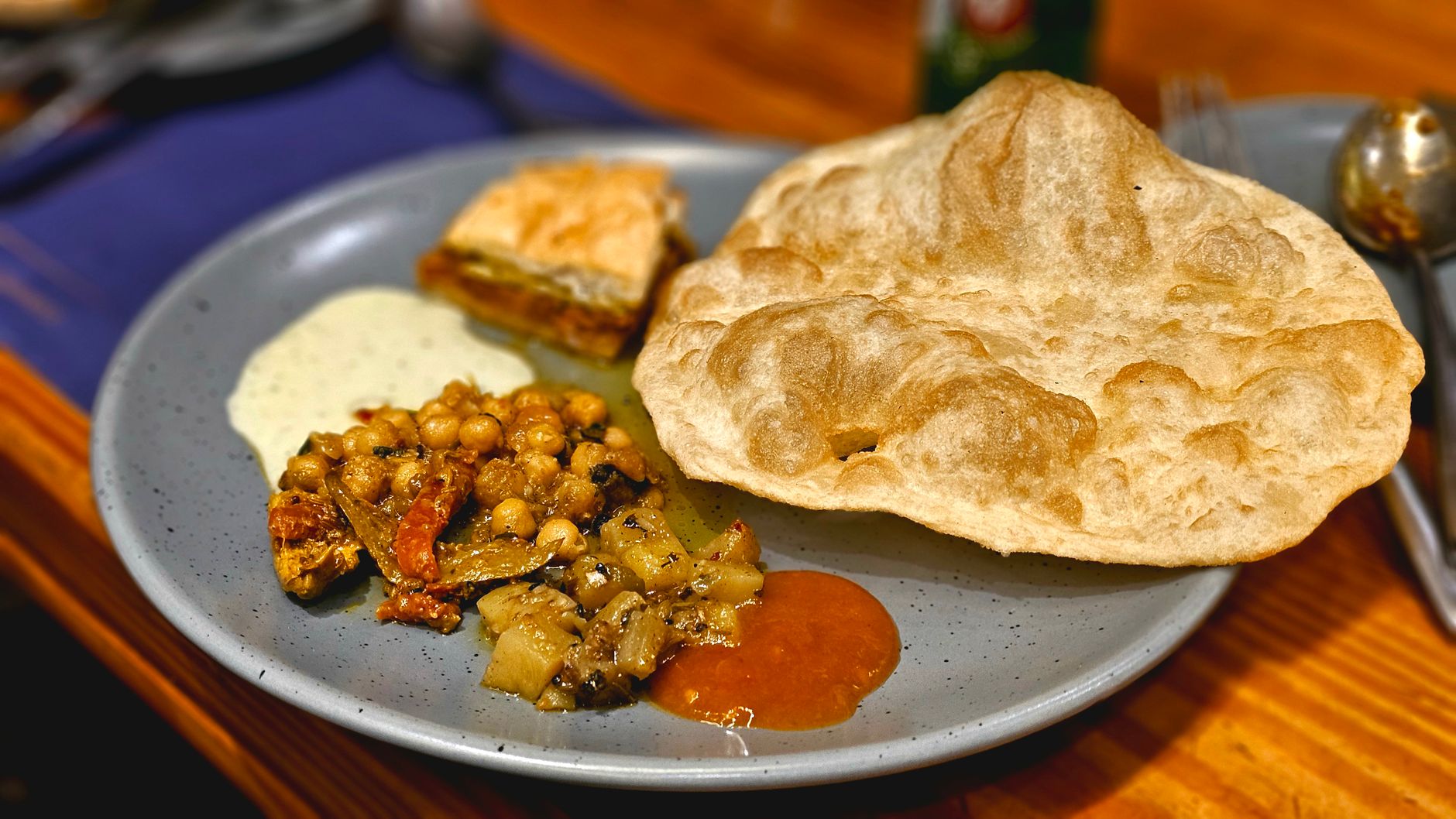
Pillowy bara flatbreads cradle curry-spiced chickpeas brightened with scotch bonnet heat and finished with sweet-tart tamarind sauce—Trinidad's most beloved street food. 80 min · 0 saves.
caribbean · mild
Sep 8, 2026Caribbean Mild Curry Stew with Scotch Bonnet and Root Vegetables
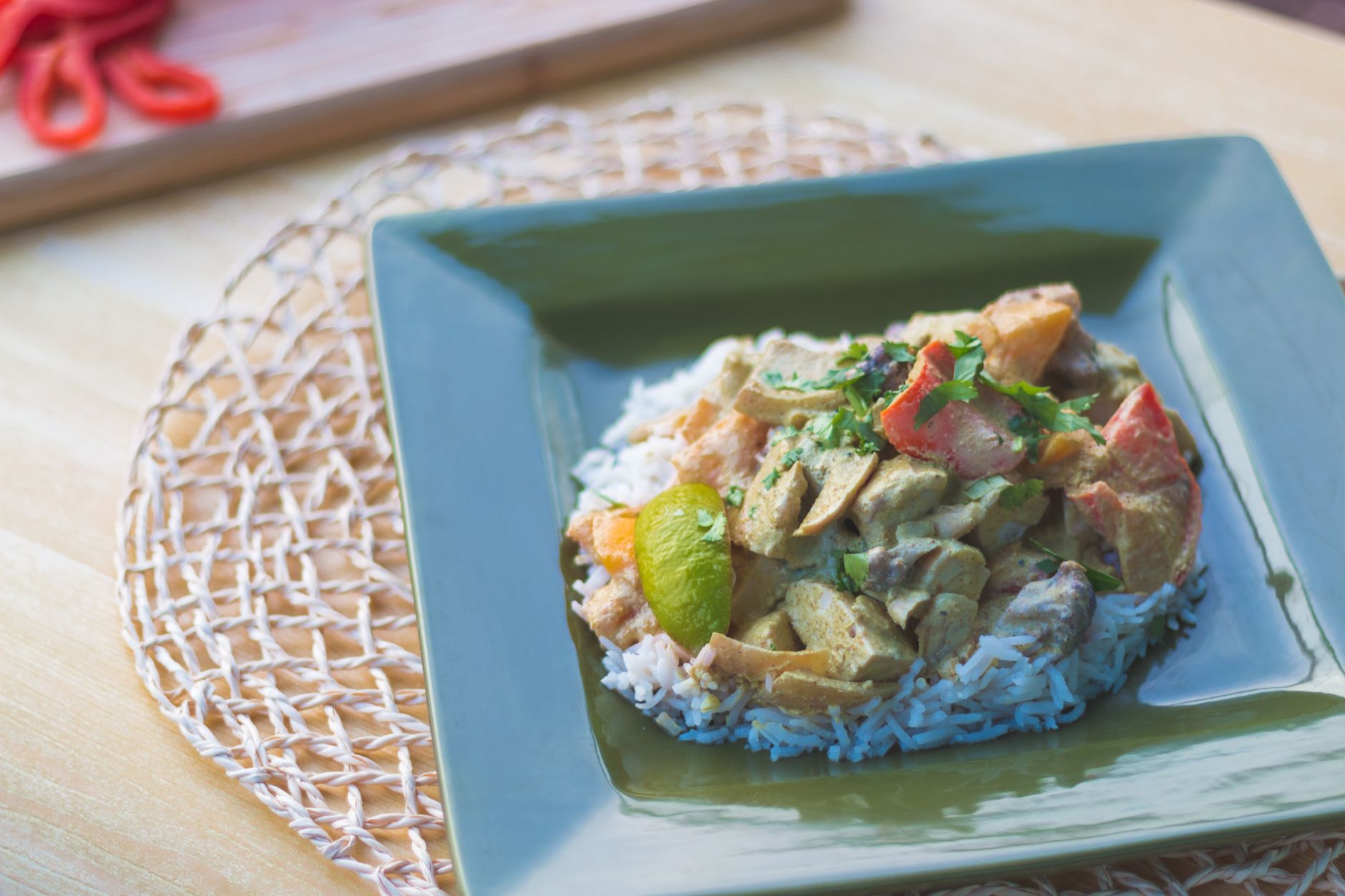
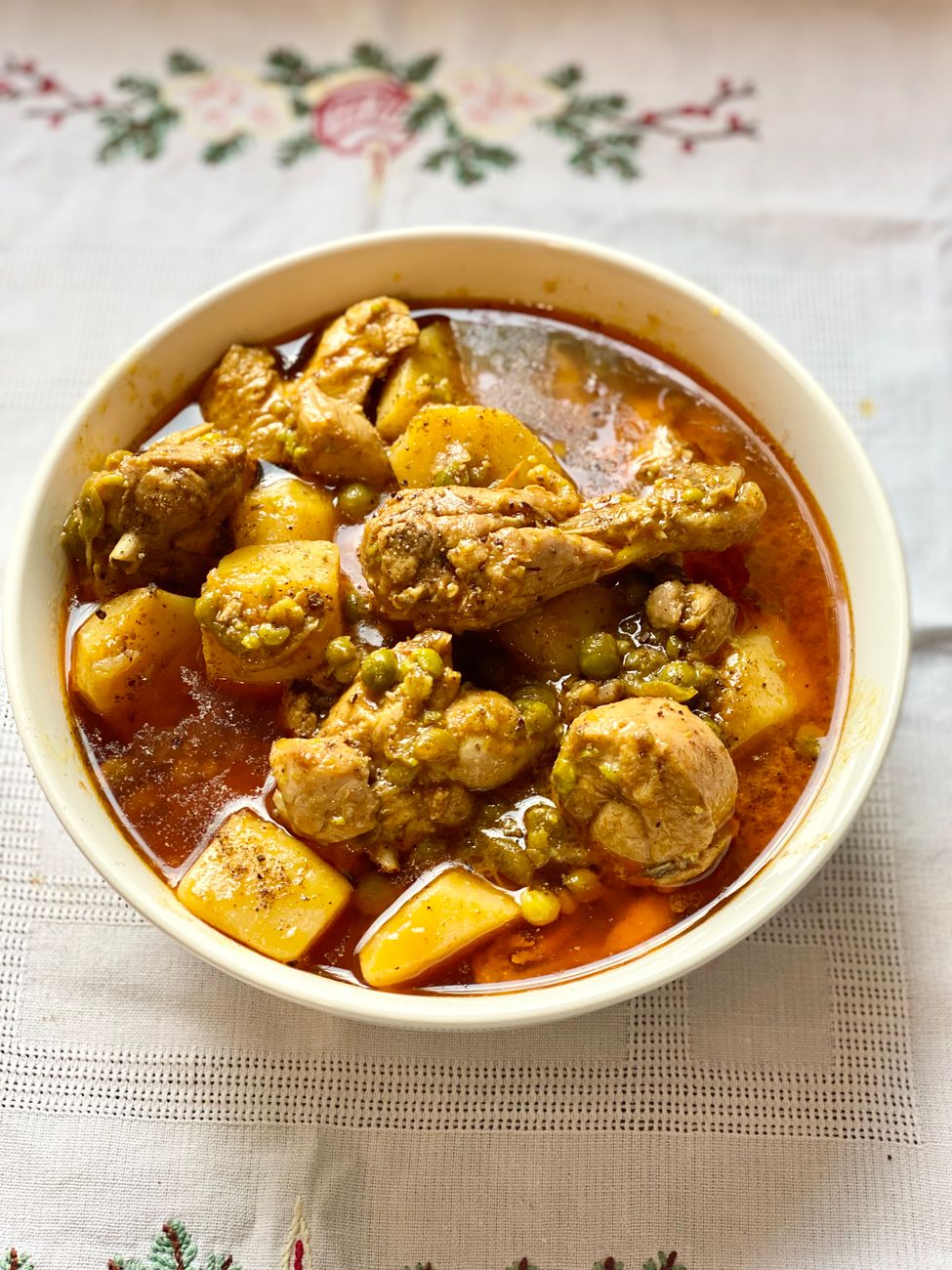
A fragrant, saucy Caribbean curry stew built on gentle heat from a whole Scotch bonnet pepper, warm spices, and coconut milk. Root vegetables soften into the broth while chicken or chickpeas stay tender. The heat is felt as warmth, not fire—suitable for any table. 60 min · 0 saves.
Bottle picks
Related hot sauce reviews.
Explore sauces with related ingredients, flavors, and heat levels.
Fly By Jing Sichuan Gold Review
A citrusy, tingly sauce with real peppercorn presence and enough versatility to move beyond dumplings.
Best for dumplings
Best for: Eggs and breakfast tacos
Skip if: Skip if you want a thick, smoky wing sauce more than a bright finishing bottle.
Read review
Mike's Hot Honey Review
Sweet heat done right: sticky, quick, and versatile enough to become a finishing move instead of a novelty.
Best for gifting
Best for: Pizza and fried chicken
Skip if: Skip if you want a classic vinegar-forward table sauce with almost no sweetness.
Read review
Heatonist Los Calientes Rojo Review
Heatonist Los Calientes Rojo: flavor notes, heat level, and suggested food pairings.
Best for tacos
Best for: Tacos and rice bowls
Skip if: Skip if you are chasing a novelty-level heat hit or a super-special-occasion bottle.
Read review
Go deeper
Background guides that build on this.
Keep reading
More on this subject.
If this post helped, these are the next pieces most likely to keep the thread going.
science
Sep 8, 2026Why Caribbean Heat Works: The Science Behind Spice That Keeps You Coming Back
Caribbean spicy dishes balance heat with acid, sweetness, and aromatics in ways that create depth rather than just fire. Learn how peppers like Scotch bonnets and habaneros work in jerk marinades, hot sauces, and braises—and how understanding this balance lets you adjust heat to your palate without losing flavor.
science
May 13, 2026Scotch Bonnet Sauce, Curry Goat, and Coconut Milk
Scotch bonnet peppers, allspice, coconut milk, and other seasonings shape Caribbean pepper sauces and slow-cooked curry goat.
science
Apr 30, 2026Caribbean Pepper Pot, Scotch Bonnet Marinades, and Curry Goat
Compare the long simmer of Caribbean pepper pot, the seasoning in scotch bonnet marinades, and the aromatics in curry goat.
Comments
Reader discussion is shared across recipes, reviews, and editorial pieces.
Comments are read-only while member sign-in is paused.