
science
Caribbean Pepper Pot, Scotch Bonnet Marinades, and Curry Goat
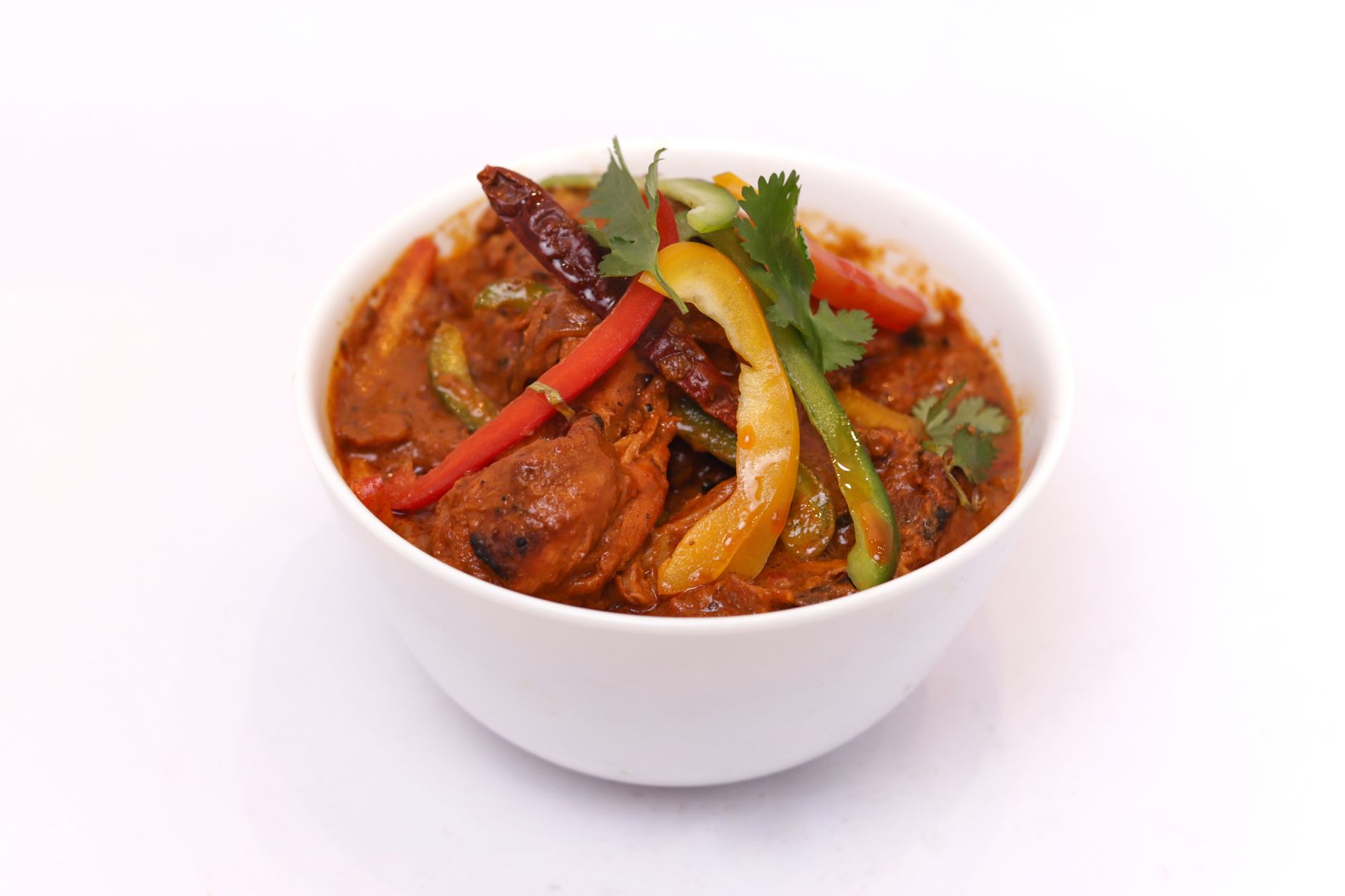
Compare the long simmer of Caribbean pepper pot, the seasoning in scotch bonnet marinades, and the aromatics in curry goat.
Share this
Pass it around
Send this page to a friend, copy the link, or save it to a Pinterest board.

Save for later
Pin this page
Save the image with a link back to this recipe, review, or article.
Caribbean Pepper Pot, Scotch Bonnet Marinades, and Curry Goat
Caribbean heat doesn't work the same way as other spicy cuisines. It's not just the scotch bonnets. Caribbean cooking tends to build spice gradually, through long cooking and layered ingredients, so heat and flavor develop together instead of sitting on top of a finished dish.
While Thai bird's eye chiles deliver a quick, sharp hit and Mexican chipotles bring smoky warmth, Caribbean spicing tends to unfold more slowly, with heat that seems to reveal other flavors in the dish as you eat.
Three Caribbean heat styles are worth understanding in more detail: pepper pot, scotch bonnet marinades, and curry goat. Each uses a different technique to build spice over time rather than adding it all at once.
Ingredients and Preparation
Pepper pot is a slow-simmered stew that varies from island to island but is always built around long, patient cooking.
Instead of stirring hot sauce into a finished dish, pepper pot builds heat through hours of gentle simmering. Scotch bonnets or habaneros cook down slowly, and their heat integrates into the broth alongside the other ingredients rather than sitting as a separate layer on top.
The result is a dish where the heat feels woven into the stew rather than added at the end.
A traditional backbone ingredient is cassareep, a concentrated cassava syrup that gives pepper pot its dark color and deep, slightly bitter-sweet flavor. It also balances the heat with sweetness and adds body to the broth.
Cooks are adapting this slow-build approach beyond the traditional recipe, applying it to oxtail braises and vegetarian versions made with jackfruit.
Scotch Bonnet Marinades: The Fruit That Burns
Scotch bonnets are commonly cited in the same Scoville range as habaneros, roughly 100,000 to 350,000 Scoville heat units, but they have a distinct fruity aroma that sets them apart. That fruitiness is part of what makes scotch bonnet marinades work: the pepper contributes both heat and a bright, tropical note.
When you marinate chicken or pork in a scotch bonnet mixture, you're adding both fire and fruit-forward flavor at the same time, which is part of why the heat can feel more approachable than a straight chile hit.
Acids from lime juice or vinegar in the marinade help break the pepper down and mix its flavor and heat through the meat as it sits.
Some common pairings in scotch bonnet marinades:
- Allspice berries add warm, clove-like spice notes
- Fresh ginger adds its own sharp, aromatic bite
- Coconut milk mellows and rounds out the marinade
- Brown sugar or molasses add sweetness that balances the heat
These combinations reflect ingredients commonly used together in Caribbean cooking, building a marinade with both sweetness and heat rather than heat alone.
Curry Goat: The Master Class in Heat Layering
Caribbean curry goat layers heat from several sources at once: fresh scotch bonnets for direct heat, curry powder for aromatic warmth, and sometimes dried chiles for background spice. Black pepper, ginger, cumin, and coriander in the curry powder each add their own warm, spiced notes alongside the chile heat.
Goat meat holds up well to this much spice. Its rich, slightly gamey flavor doesn't get lost the way a milder meat like chicken might, and the long braising time common to curry goat gives the spices and chiles time to cook into the meat and sauce rather than sitting on the surface.
Some modern versions of Caribbean curry push the technique further, using scotch bonnet oil for more controlled heat, curry leaves for extra aroma, and other methods adapted from Indian cooking.
Cooking at Home
These three approaches share a common thread: heat that's built in over time rather than added at the end. The slow simmer of pepper pot, the fruit-forward marinades built on scotch bonnet, and the layered spicing of curry goat all show different ways of working chile heat into a dish so it becomes part of the flavor rather than something separate from it.
None of these techniques rely on raw intensity alone. They combine chiles with sweetness, acid, fat, and other spices so the heat has context and balance.
That balance is worth paying attention to next time you're building a spicy dish of your own, Caribbean or otherwise.
Peppers featured in this post
Cook with this idea
Recipes to try next.
Put these ingredients and techniques to use in your next meal.

caribbean · medium
Oct 18, 2026Caribbean Scotch Bonnet Burger with Mango-Pepper Slaw
A handheld burger built on a toasted bun with a seared beef patty, charred scotch bonnet mayo, and a bright mango slaw that cools and complements the medium heat. 32 min · 0 saves.

caribbean · inferno
Jun 8, 2026Scorpion Pepper Macaroni with Burnt Butter and Breadcrumbs
Comfort food meets volcanic heat in this Caribbean-spiced mac and cheese that replaces mild cheddar with aged sharp varieties and introduces Trinidad Moruga Scorpion peppers through both the cheese sauce and a crispy topping. 65 min · 0 saves.

caribbean · inferno
May 16, 2026Scotch Bonnet Callaloo with Fire-Roasted Plantain
Traditional Caribbean callaloo that brings the fire with layers of whole scotch bonnets and 7-pot peppers, creating a deeply flavorful stew that's as much about comfort as it is about heat. Sweet fire-roasted plantains provide the perfect cooling balance. 55 min · 0 saves.
Bottle picks
Related hot sauce reviews.
Explore sauces with related ingredients, flavors, and heat levels.
Yellowbird Habanero Hot Sauce Review
A bright, carrot-forward bottle with enough heat to stay lively and enough sweetness to stay versatile.
Best for tacos
Best for: Tacos and rice bowls
Skip if: Skip if you want a classic vinegar-forward table sauce with almost no sweetness.
Read review
Queen Majesty Scotch Bonnet and Ginger Review
A bright, elegant sauce that leans on fruit, ginger, and Scotch bonnet lift instead of brute force.
Best for seafood
Best for: Seafood and fish tacos
Skip if: Skip if you want a thick, smoky wing sauce more than a bright finishing bottle.
Read review
Heatonist Los Calientes Rojo Review
Heatonist Los Calientes Rojo: flavor notes, heat level, and suggested food pairings.
Best for tacos
Best for: Tacos and rice bowls
Skip if: Skip if you are chasing a novelty-level heat hit or a super-special-occasion bottle.
Read review
Go deeper
Background guides that build on this.
Keep reading
More on this subject.
If this post helped, these are the next pieces most likely to keep the thread going.
science
May 13, 2026Scotch Bonnet Sauce, Curry Goat, and Coconut Milk
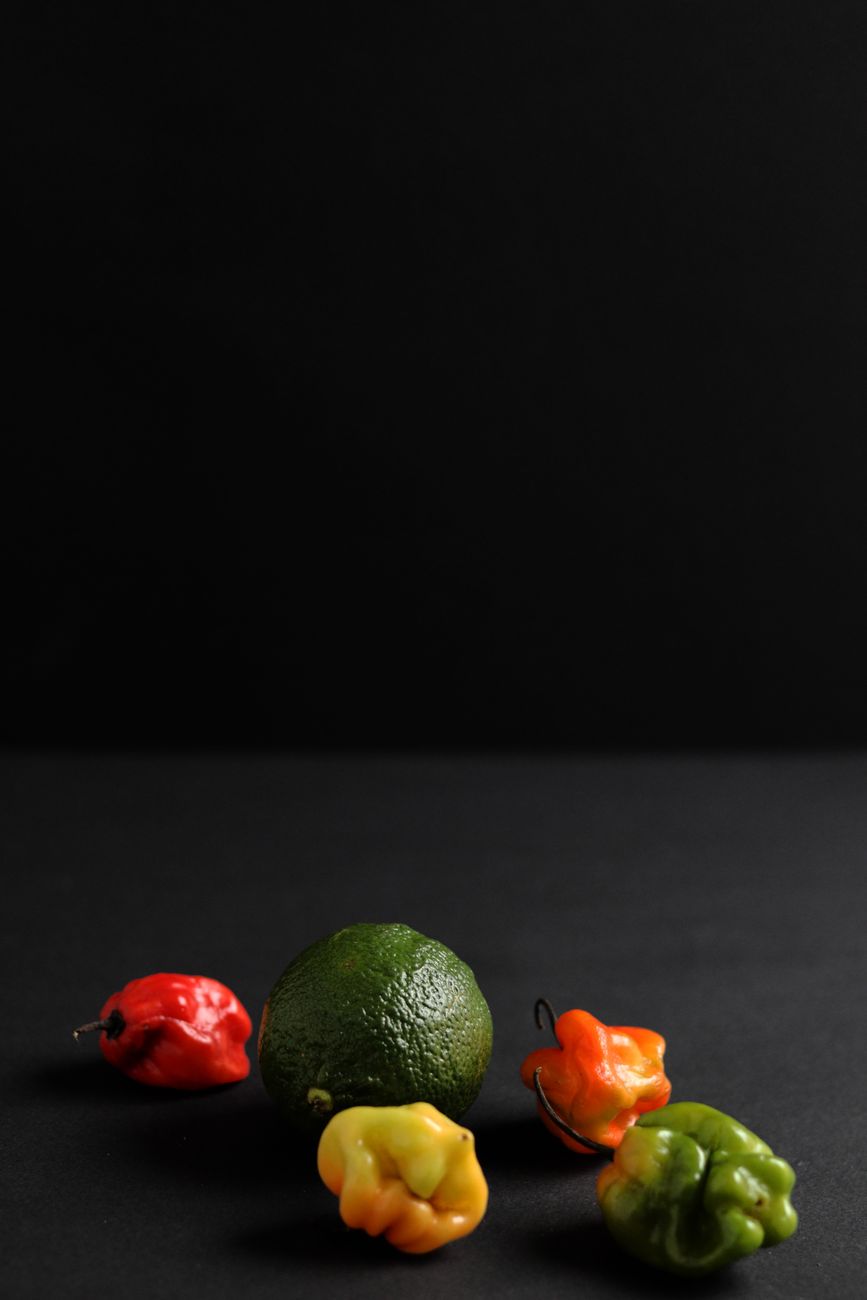
Scotch bonnet peppers, allspice, coconut milk, and other seasonings shape Caribbean pepper sauces and slow-cooked curry goat.
science
Sep 8, 2026Why Caribbean Heat Works: The Science Behind Spice That Keeps You Coming Back
Caribbean spicy dishes balance heat with acid, sweetness, and aromatics in ways that create depth rather than just fire. Learn how peppers like Scotch bonnets and habaneros work in jerk marinades, hot sauces, and braises—and how understanding this balance lets you adjust heat to your palate without losing flavor.
science
Apr 19, 2026Caribbean Cooking with Scotch Bonnet, Jerk, and Curry
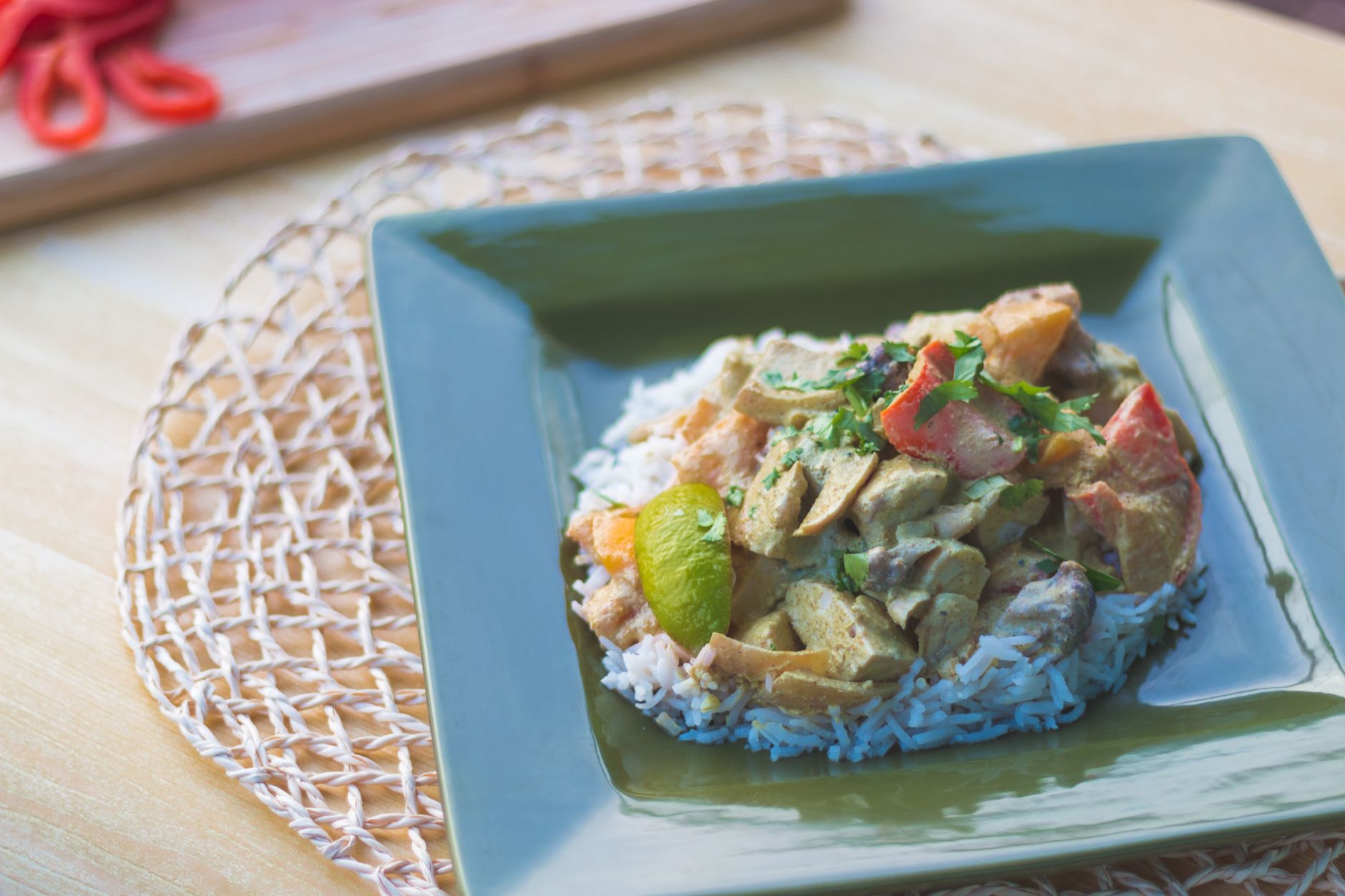
Explore the peppers and aromatics used in Caribbean jerk and curries, including scotch bonnet, thyme, garlic, and allspice.
Comments
Reader discussion is shared across recipes, reviews, and editorial pieces.
Comments are read-only while member sign-in is paused.