
Ghost Pepper
Also known as: bhut jolokia, naga jolokia, raja mirchi, ghost chili
The ghost pepper was the world's hottest documented pepper from 2007 to 2011 and remains one of the most culturally significant superhot peppers. Originally from India's Assam region, it holds cultural and culinary significance in Northeastern Indian cooking far beyond its internet fame.
Scoville
855K–1.0M SHU
Heat
Extreme
Origin
south asia
Species
C. chinense
Type
Superhot
Plant height
24–48 in
Heat profile
Extreme heat — 855K–1.0M SHU
Step milder
7 Pot Douglah
853K–1.9M SHU
This pepper
Ghost Pepper
855K–1.0M SHU
Step hotter
Trinidad Moruga Scorpion
1.2M–2.0M SHU
Flavor profile
Smoky, earthy fruit with a building heat that escalates for several minutes.
The ghost pepper was the first pepper to cross the one million Scoville threshold publicly, and it changed how the world understood capsaicin. But behind the viral challenge videos is a legitimate culinary ingredient used in northeastern Indian cuisine for centuries. The slow-building heat, the deep smoky fruit, and the long duration make it genuinely different from habanero-range peppers — not just hotter, but differently constructed. Dave's Ghost Pepper sauce handles it well. Used in small quantities in curries and chutneys, it's extraordinary.
Color
Red (most common), chocolate, or yellow
Did you know
The Indian military used ghost peppers to develop smoke grenades and crowd-control sprays — the pepper was weaponized before it became a social media challenge.
How to use it
- —Northeastern Indian curries and chutneys in small quantities
- —Ghost pepper hot sauces and salsas
- —Infused oils for indirect, deep heat
- —Dried and powdered for extreme rub applications
- —Pickling alongside ginger and garlic
Pairs well with
Substitutes
Can't find ghost pepper? Try one of these.
Habanero
Use 3–5 habaneros per ghost pepper100K–350K SHU
Ghost peppers are roughly 5–7× hotter than habanero. Habaneros are the safest stand-in if you want a fruity, intense heat without crossing into 'cannot taste anything' territory.
Scotch Bonnet
Use 3–5 scotch bonnets per ghost pepper100K–350K SHU
Same family, similar fruit notes, much more manageable heat. Good for layering flavor without ghost-pepper-level danger.
How to grow it
Growing ghost pepper at home
USDA zones
Perennial in 10–11, annual in 4–9 with care
Germinate
20–35 days
To harvest
~130 days from transplant
Plant height
24–48 in
Sun
full sun
Water
moderate
Container
Container-friendly
Notoriously slow germination — heat mats and patience essential. Plants thrive in extended heat and humidity, mimicking the Indian monsoon. In cooler climates start indoors 12–14 weeks before last frost. Yields are modest (10–25 pods per plant) but each pod has enormous heat impact.
Where to find it
Buying ghost pepper
Fresh
Fresh ghost peppers are rare at general grocers; specialty hot sauce shops, online pepper farms, and South Asian markets in larger cities are the most reliable sources.
Dried
Dried whole pods and ghost pepper powder are widely available online and at specialty spice retailers (Penzeys, World Spice).
Seasonality
Late season pepper; fresh peak September–November in US growing.
Seed sources
- Pepper Joe's
- Refining Fire Chiles
- Baker Creek
- Puckerbutt Pepper Company
Always handle fresh ghost peppers with gloves. Capsaicin can transfer from your fingers to your eyes, nose, or skin and cause prolonged irritation. Wash everything that touched the pepper, including your cutting board, in soapy water.
History & origin
Where ghost pepper comes from
Known locally as bhut jolokia ('ghost chile' in Assamese), the pepper has been part of Northeast Indian cooking for generations — used in pickles, chutneys, and as a preservative in dried meats. Its global moment came in 2007 when Guinness certified it as the world's hottest pepper at over one million Scoville units, a record it held until 2011. The Indian Defence Research and Development Organisation has researched its capsaicin for use in crowd-control sprays and elephant-deterrent grenades.
Cook with it
Recipes that use ghost pepper.

indian · inferno
Oct 7, 2026Mirchi ka Salan with Ghost Pepper and Charred Tomato
Whole ghost peppers in a deep, roasted peanut and sesame sauce with charred tomato depth. Built for cooks who know what they're after: this is extreme heat, not a mild dish dialed up. The peppers stay intact, the sauce is nutty and tangy, and the payoff is sustained, serious capsaicin. 60 min · 0 saves.
indian · hot
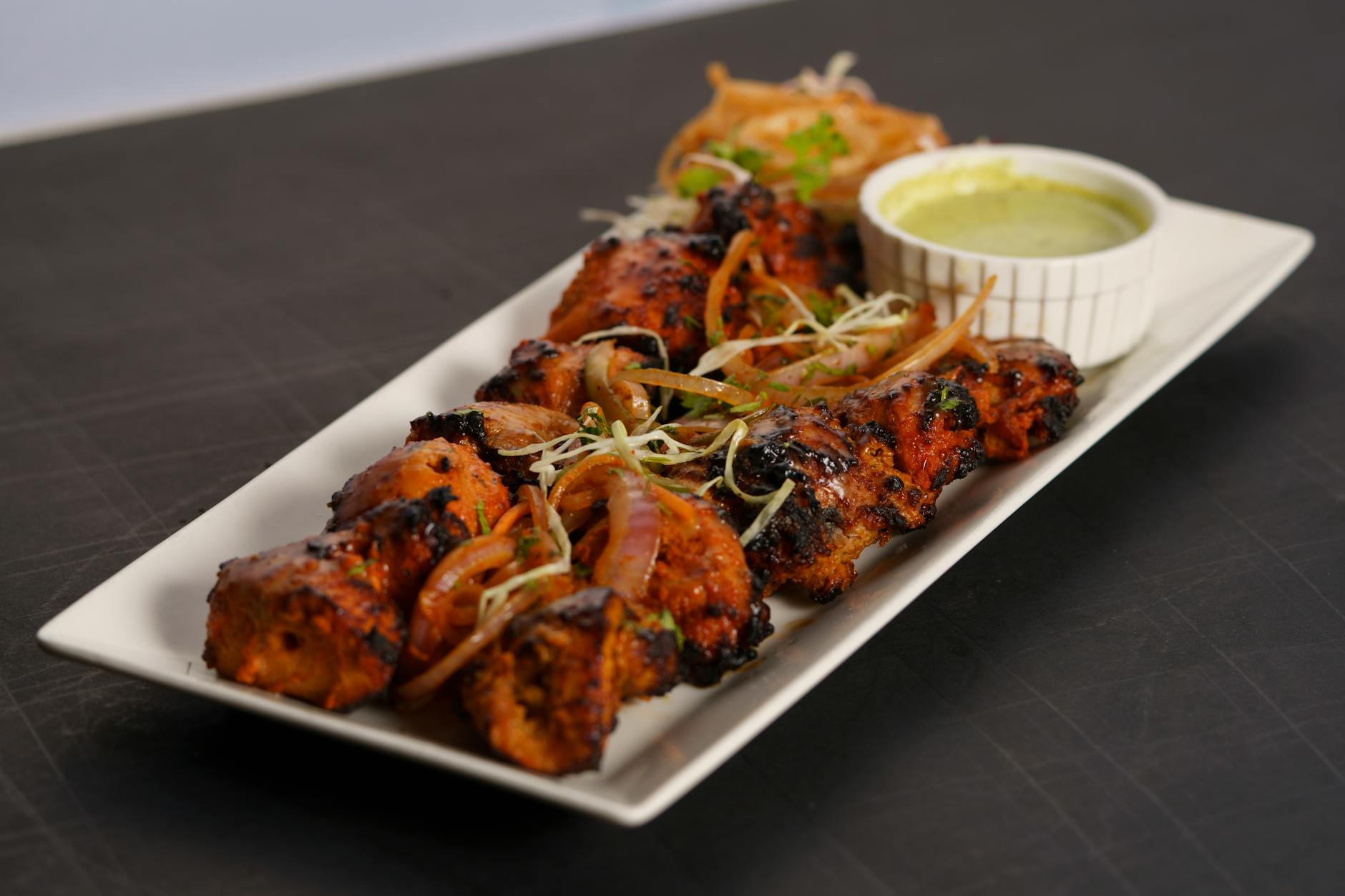
Jun 15, 2026Charred Habanero Chicken Tikka with Smoked Tomato Chutney
Tender chicken thighs get the full heat treatment in this fiery take on tikka—marinated in habanero-spiked yogurt, then charred until caramelized and served with a smoky grilled tomato chutney that doubles down on the fire. 55 min · 0 saves.
indian · inferno
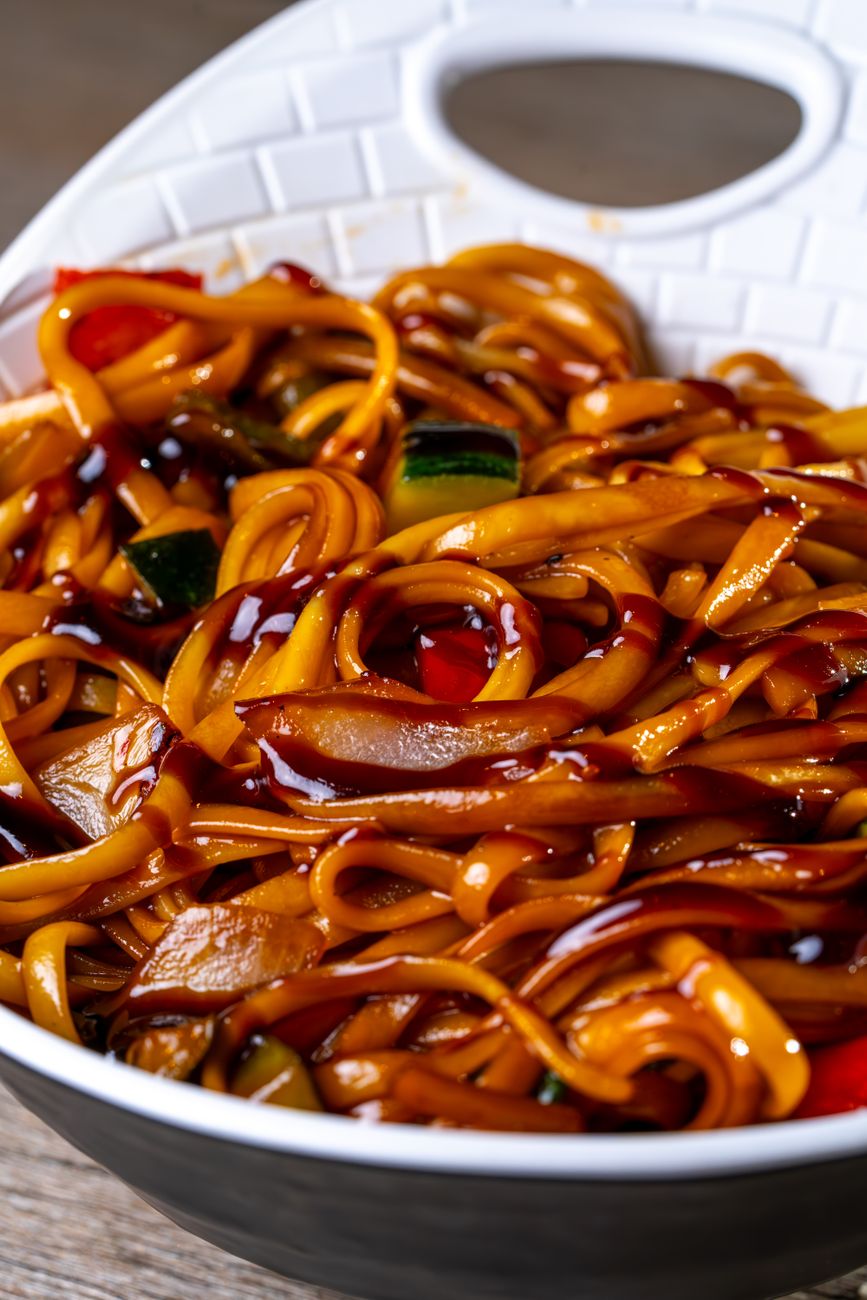
Jun 3, 2026Bhut Jolokia Hakka Noodles
Indo-Chinese hakka noodles that bring the fire with bhut jolokia and Trinidad Moruga peppers—serious heat for those who've earned their stripes 35 min · 0 saves.
From the blog
Articles about ghost pepper.
science
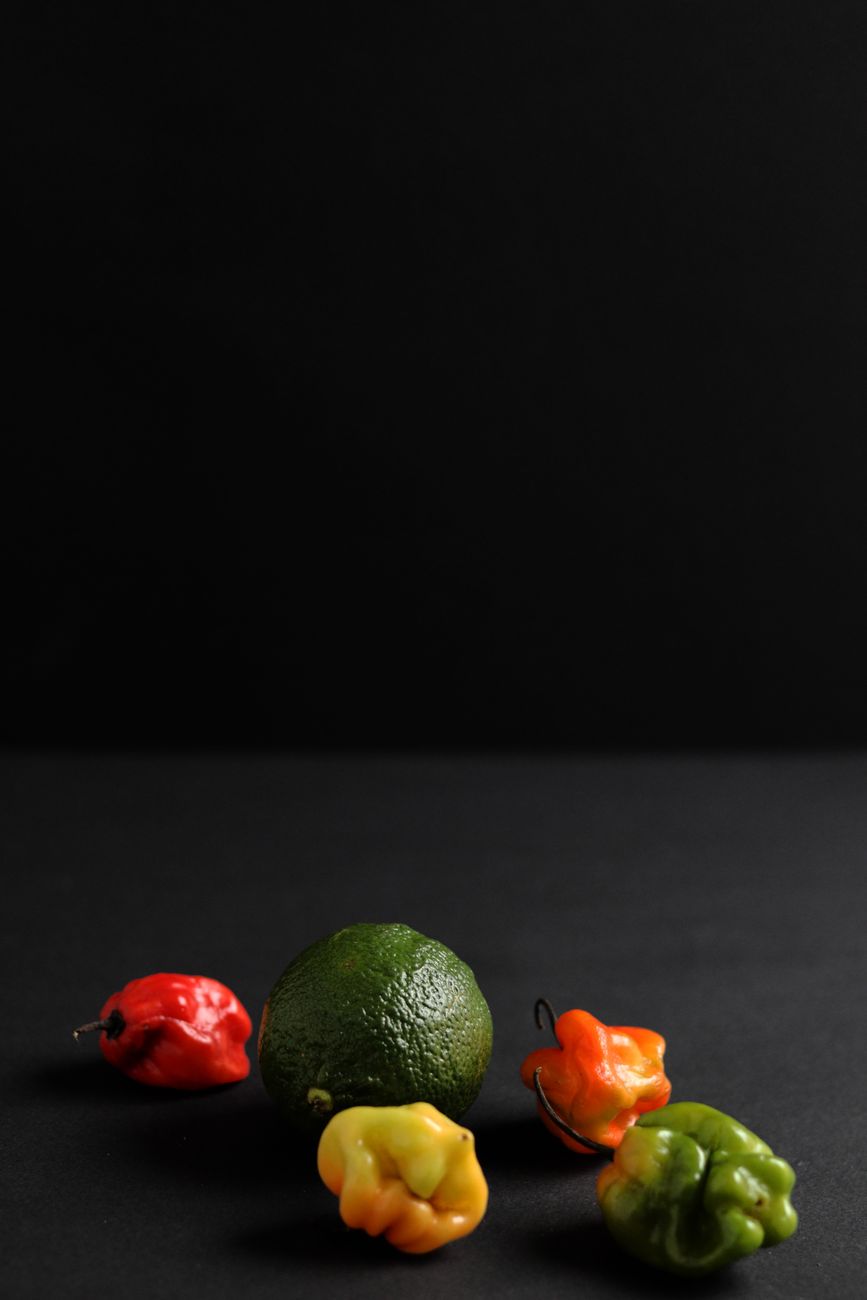
Sep 8, 2026Why Caribbean Heat Works: The Science Behind Spice That Keeps You Coming Back
Caribbean spicy dishes balance heat with acid, sweetness, and aromatics in ways that create depth rather than just fire. Learn how peppers like Scotch bonnets and habaneros work in jerk marinades, hot sauces, and braises—and how understanding this balance lets you adjust heat to your palate without losing flavor.
culture
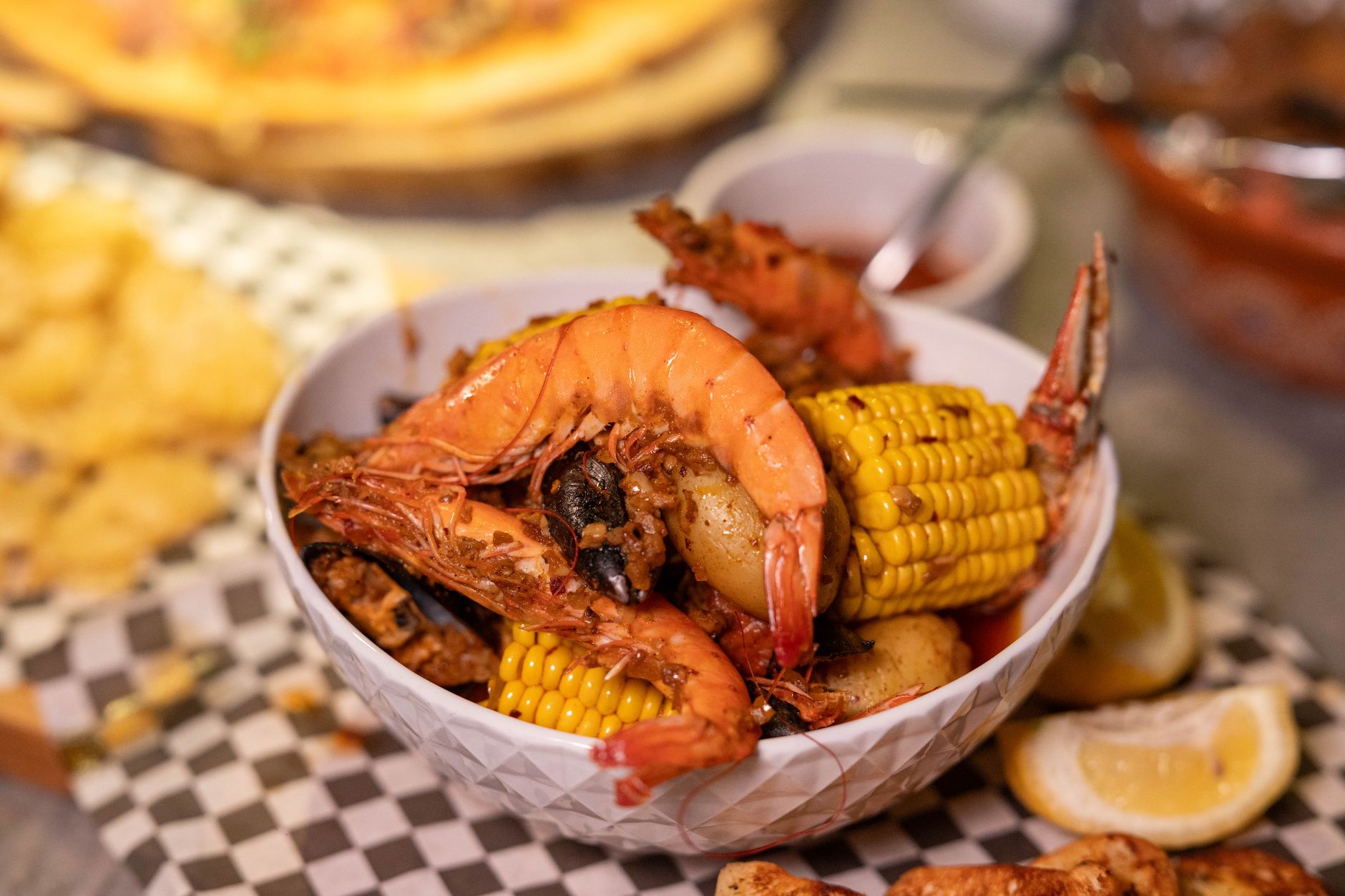
Jun 13, 2026Boudin, Crawfish Boils, and Cajun-Inspired Dishes
Boudin, crawfish boils, and Cajun-inspired dishes offer different textures and seasoning choices, from rice sausage to spiced seafood.

culture
May 25, 2026Why Brazil's Fiery Regional Cooking Is Having Its Moment
From malagueta-spiked moqueca to pimenta-de-cheiro stews, Brazilian heat culture offers complexity beyond the ubiquitous jalapeño. Here's what makes these dishes so craveable—and why your dinner table needs this kind of warmth.
Background reading
Guides that cover ghost pepper.
Frequently asked
Common questions about ghost pepper
How hot is a ghost pepper really?
Ghost peppers measure 855,000 to 1,041,427 Scoville Heat Units — about 200–400 times hotter than a jalapeño and 3–10 times hotter than a habanero. The heat builds slowly and can keep escalating for several minutes after the first bite, which makes it more disorienting than peppers that peak immediately.
Can a ghost pepper actually hurt you?
Eating one whole can cause severe nausea, vomiting, and esophageal pain in many people; documented cases have included internal injury when eating challenges go wrong. In normal cooking quantities (a small piece, well-cooked, in a sauce or curry), they're safe. Always wear gloves when handling fresh ones — capsaicin transfers easily to skin and eyes.
What does bhut jolokia mean?
Bhut jolokia translates roughly to 'ghost chili' in Assamese — bhut means ghost or spirit, jolokia is the regional word for chile. The name reflects the pepper's eerie reputation: heat that creeps up on you, lingers, and seems to come from nowhere.
Is the ghost pepper still the hottest in the world?
No. The ghost pepper held the Guinness World Record from 2007 to 2011. It was surpassed first by the Trinidad Scorpion, then by the Carolina Reaper (2013–2023), and most recently by Pepper X (over 2.6 million SHU). The ghost pepper is still extraordinarily hot — and culturally significant as the first pepper to cross the one-million SHU threshold.
Pantry examples
If you want to taste ghost pepper in a bottle or pantry product
These are optional examples of how this pepper shows up in real products. The profile above stands on its own even if you never shop from this section.
Ghost heat
Dave's Gourmet Ghost Pepper Hot Sauce
Clean ghost pepper heat without novelty gimmicks — a usable bottle for people who've outgrown habanero and want the next serious step up.
View example ↗Clean ghost heat
Yellowbird Ghost Pepper Hot Sauce
Yellowbird's entry into ghost pepper territory — same clean label and fruit-forward approach, real ghost heat. The ghost sauce that tastes like food, not a contest.
View example ↗Grow your own
Superhot Pepper Seed Pack
For readers who want the gardening pipeline behind their own sauce projects and fresh mash experiments.
View example ↗