Scotch Bonnet
Also known as: scotch bonnet pepper, bonney pepper, Caribbean red pepper
The defining pepper of Caribbean cuisine, the scotch bonnet appears in Jamaican jerk, Trinidadian pepper sauce, and West African cooking. Closely related to habanero but with a distinctly sweeter, more complex fruit character.
Scoville
100K–350K SHU
Heat
Very Hot
Origin
caribbean
Species
C. chinense
Type
Fresh pod
Plant height
24–36 in
Heat profile
Very Hot heat — 100K–350K SHU
Step milder
Habanero
100K–350K SHU
This pepper
Scotch Bonnet
100K–350K SHU
Step hotter
Fatalii
125K–400K SHU
Flavor profile
Sweet, fruity, and floral with a deep Caribbean heat that's rounder than habanero.
The scotch bonnet is culinarily indispensable in Caribbean cooking in a way no substitute can replicate. The flavor difference from habanero is real — rounder, sweeter, with less of the sharp citrus note. Jamaican jerk marinade without scotch bonnet is technically possible but wrong. Walkerswood and Grace are the definitive commercial expressions of this pepper's potential. If you're cooking Caribbean food seriously, this is the pepper to source.
Color
Red, yellow, or orange
Did you know
The scotch bonnet gets its name from its resemblance to a traditional Scottish tam o'shanter hat — the same squat, rounded shape.
How to use it
- —Jamaican jerk marinade and seasoning — essential ingredient
- —Trinidadian pepper sauce with chadon beni
- —West African pepper soup and stews
- —Pickled and fermented Caribbean condiments
- —Rice and pea dishes throughout the Caribbean
Pairs well with
Substitutes
Can't find scotch bonnet? Try one of these.
How to grow it
Growing scotch bonnet at home
USDA zones
Perennial in 10–11, annual in 4–9
Germinate
14–28 days
To harvest
~100 days from transplant
Plant height
24–36 in
Sun
full sun
Water
moderate
Container
Container-friendly
Loves heat. Slow to germinate; consider a heat mat. Plants set fruit best when night temperatures stay above 65°F. Caribbean home growers traditionally let the plants overwinter; in cooler US climates, treat as annual or move pots indoors. Productive once established — 20–40 pods per plant is typical.
Where to find it
Buying scotch bonnet
Fresh
Standard at Caribbean grocers; increasingly common at well-stocked supermarkets in cities with Caribbean communities. Specialty stores carry yellow, red, and orange varieties.
Dried
Rare in dried form; the scotch bonnet's thin walls don't dry well. Most preserved versions are in jerk pastes or pepper sauces (Walkerswood, Encona, Grace).
Seasonality
Year-round in tropical climates; field-grown peak August–October in the southern US.
Seed sources
- Baker Creek
- Pepper Joe's
- Refining Fire Chiles
- Caribbean Garden Seed
- White Hot Peppers
If you can't find fresh scotch bonnets, look for Walkerswood jerk seasoning or a quality Jamaican-made pepper sauce — both deliver the authentic flavor in pantry form. Habaneros are an acceptable but not identical substitute.
History & origin
Where scotch bonnet comes from
The scotch bonnet is the defining heat ingredient of Caribbean cooking. Likely descended from peppers traded between the Yucatán and the Antilles before European contact, it adapted to Caribbean island climates and became culturally rooted in Jamaican jerk, Trinidadian pepper sauce, and the West African dishes brought across the Atlantic during the colonial era. The name comes from its resemblance to a tam o' shanter — a Scottish bonnet — courtesy of British colonial observers.
Cook with it
Recipes that use scotch bonnet.

caribbean · medium
Oct 18, 2026Caribbean Scotch Bonnet Burger with Mango-Pepper Slaw
A handheld burger built on a toasted bun with a seared beef patty, charred scotch bonnet mayo, and a bright mango slaw that cools and complements the medium heat. 32 min · 0 saves.

jamaican · reaper
Oct 10, 2026Jamaican Scotch Bonnet Burger with Reaper Heat
A Jamaican-spiced beef burger with homemade Carolina Reaper hot sauce, caramelized onions, and mango-cilantro slaw. The heat builds steadily from the sauce and spiced patty, while cool toppings keep each bite enjoyable rather than punishing. 45 min · 0 saves.
caribbean · reaper
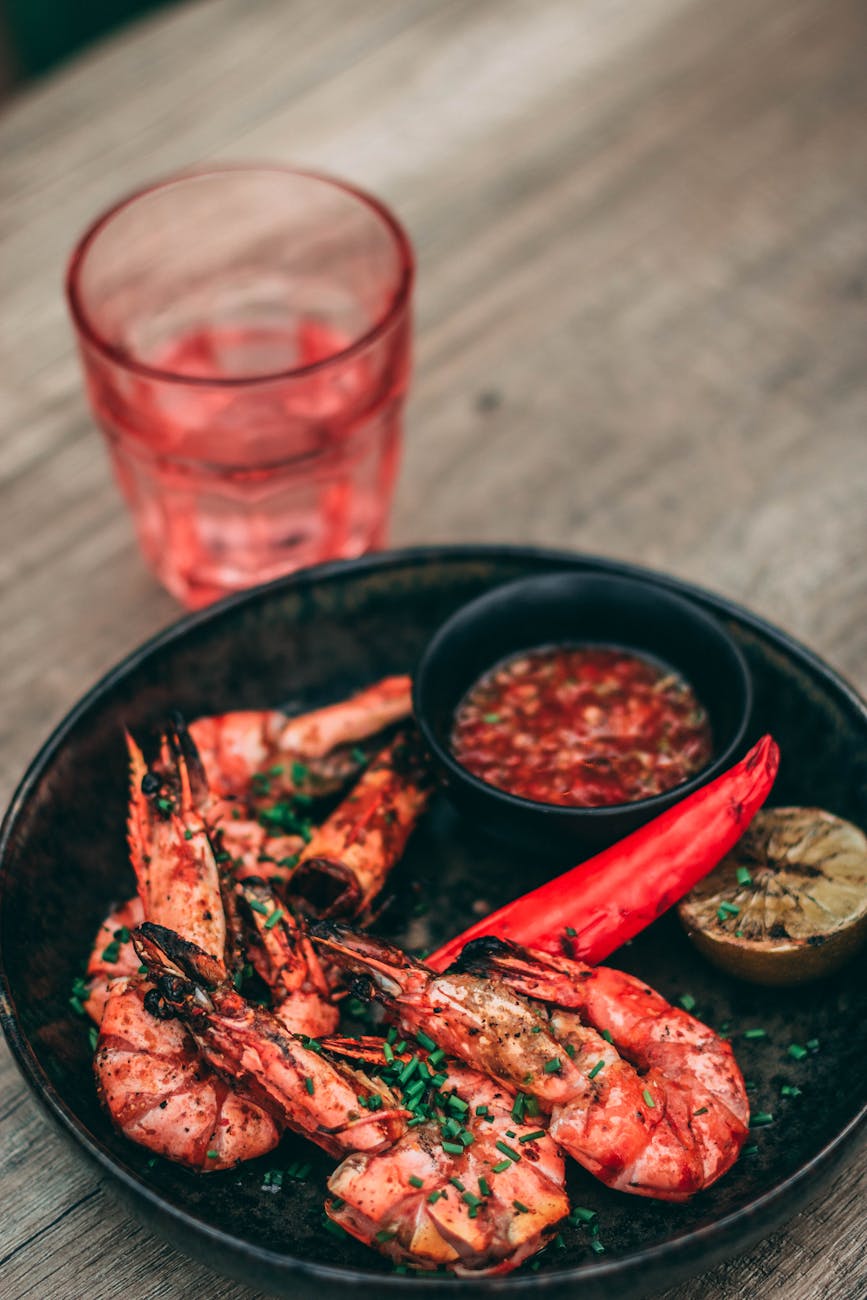
Oct 8, 2026Scotch Bonnet Shrimp with Lime and Coconut
Pan-seared shrimp in a fiery Scotch bonnet and coconut sauce with lime juice and garlic. This Caribbean dish balances extreme heat with tropical sweetness and seafood tenderness. Serves 4. 27 min · 0 saves.
In a bottle
Hot sauces that feature scotch bonnet
Reviewed bottles where scotch bonnet shows up by name in the ingredient list, tasting notes, or product description.
From the blog
Articles about scotch bonnet.
culture
Oct 18, 2026Spicy Jamaican Dishes That Define Heat and Flavor Right Now
Jamaican cooking builds heat intentionally, not as theater. Scotch bonnets anchor the tradition—fruity, complex peppers that shape everything from jerk seasoning to table sauces. Learn how to choose them, use them, and understand why this approach to spice has stayed central to the cuisine.
science
Sep 8, 2026Why Caribbean Heat Works: The Science Behind Spice That Keeps You Coming Back
Caribbean spicy dishes balance heat with acid, sweetness, and aromatics in ways that create depth rather than just fire. Learn how peppers like Scotch bonnets and habaneros work in jerk marinades, hot sauces, and braises—and how understanding this balance lets you adjust heat to your palate without losing flavor.
science
Jun 13, 2026Jollof Rice, Suya, and Pepper Soup: West African Seasonings
Jollof rice, suya, and pepper soup use peppers alongside peanuts, aromatics, and other seasonings. Compare what each ingredient contributes.
Background reading
Guides that cover scotch bonnet.
Similar peppers
Other very hot peppers
Frequently asked
Common questions about scotch bonnet
Is scotch bonnet hotter than habanero?
Roughly the same heat — both run 100,000–350,000 Scoville Heat Units. Individual peppers vary; you'll find scotch bonnets at the high end of that range as often as habaneros. The bigger difference is flavor: scotch bonnets are sweeter and more floral, habaneros are sharper and more citrusy.
Why is scotch bonnet essential for jerk seasoning?
Jamaican jerk depends on the specific fruit-sweet character of scotch bonnet — the way its tropical notes layer with allspice, thyme, and brown sugar to create the marinade's signature flavor. Habanero substitutes are passable but the cuisine evolved around scotch bonnet specifically, and authentic versions don't compromise.
Where can I buy scotch bonnet peppers?
Caribbean groceries are the most reliable source. Beyond that, look at Latin or West African markets, larger grocery chains in diverse cities, or online specialty pepper suppliers. If you can't find them fresh, jarred pepper sauces from Walkerswood, Grace, or Matouk's deliver the same flavor profile.
Why are scotch bonnets named after a hat?
The pepper's squat, rounded, slightly puckered shape resembles a traditional Scottish tam o' shanter — the bonnet worn by Scottish highlanders. British colonial observers in the Caribbean gave it the name; locals had always called it by other names (bonney pepper, country pepper, scotty).
Pantry examples
If you want to taste scotch bonnet in a bottle or pantry product
These are optional examples of how this pepper shows up in real products. The profile above stands on its own even if you never shop from this section.
Jamaican original
Walkerswood Scotch Bonnet Pepper Sauce
Authentic scotch bonnet sauce from Jamaica — fruity, bright, and deeply aromatic. The right bottle for jerk chicken, oxtail, rice and peas, and anything Caribbean.
View example ↗Caribbean pour
Encona Original Hot Pepper Sauce
A fruity, mild-to-medium Caribbean sauce with a tropical edge — approachable enough for everyday use, interesting enough to stand out at a BBQ or seafood dinner.
View example ↗Bright and fruity
Queen Majesty Scotch Bonnet and Ginger
A sharper, fruitier bottle that cuts through rich seafood, roasted carrots, and fried chicken.
View example ↗Backyard hero
Jerk Seasoning
A fast flavor base for shrimp skewers, chicken thighs, grilled corn, and any cookout that needs more swagger.
View example ↗