science
Scotch Bonnet Sauce, Curry Goat, and Coconut Milk
Scotch bonnet peppers, allspice, coconut milk, and other seasonings shape Caribbean pepper sauces and slow-cooked curry goat.
Share this
Pass it around
Send this page to a friend, copy the link, or save it to a Pinterest board.

Save for later
Pin this page
Save the image with a link back to this recipe, review, or article.
Scotch Bonnet Sauce, Curry Goat, and Coconut Milk
Caribbean heat rarely feels like a single hit of burn. Island cooks build spice in layers, combining different peppers with aromatic oils, bright acids, and natural sugars so the heat reads as complex rather than one-note.
The difference comes down to how Caribbean kitchens combine different types of heat with aromatics, acid, and sugar. When scotch bonnets meet allspice berries, or bird's eye chilies simmer in coconut milk with lime, the result is a layered heat that builds and lingers instead of hitting all at once.
This isn't the flat burn of a jalapeño or the blunt intensity of a ghost pepper. It's a heat shaped by how the spices are combined and cooked.
Why Scotch Bonnets Hit Different
Scotch bonnet peppers aren't like the peppers most of us grew up with. Jalapeños deliver a fairly straightforward burn, while scotch bonnets carry a fruity sweetness alongside their heat, giving the burn more depth.
This is part of why jerk seasoning tastes different from a bottled hot sauce or a chipotle-based dish. The scotch bonnet's heat mingles with allspice berries, which share aromatic notes with cloves and cinnamon, adding warmth that sits alongside the burn rather than separate from it.
Traditional jerk marinades add lime juice and vinegar. The acid brightens the other flavors and helps the marinade penetrate the meat, so the seasoning isn't just sitting on the surface.
How Curry Goat Builds Its Heat
Curry goat is a fixture on Caribbean menus, and the way its heat develops in stages is part of the appeal.
The process starts when whole spices—cardamom pods, cinnamon bark, star anise—hit hot oil. Blooming spices in oil releases aromatic notes that don't come through the same way in water-based cooking, so the dish carries warm, fragrant flavor before the chili heat arrives.
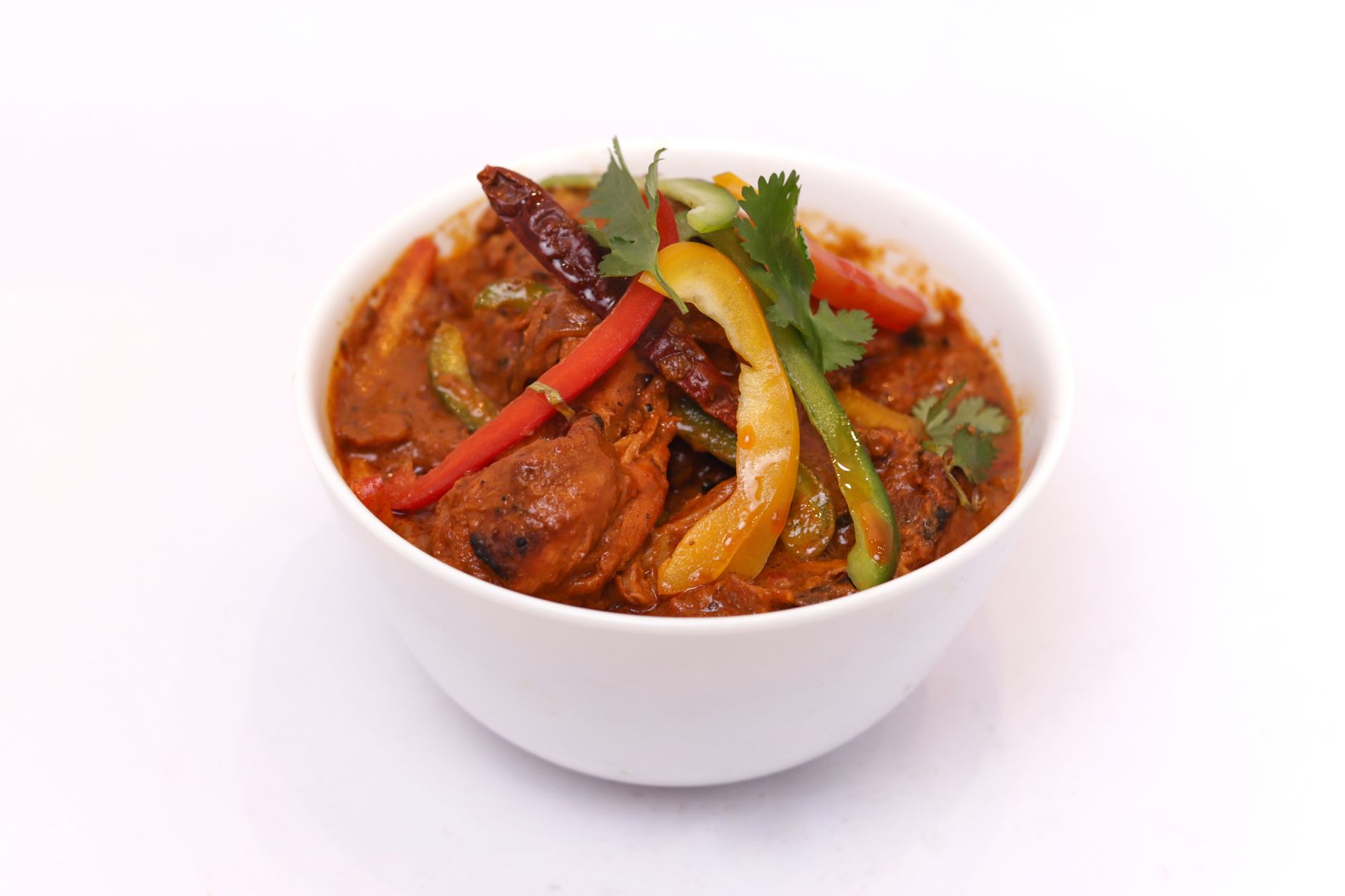
Then comes curry powder blended with scotch bonnet and cayenne, followed by fresh peppers for a brighter, more immediate heat. The long, slow braise lets everything meld while the goat, with its rich, slightly gamey flavor, holds its own against the spice.
The Art of Caribbean Pepper Sauce
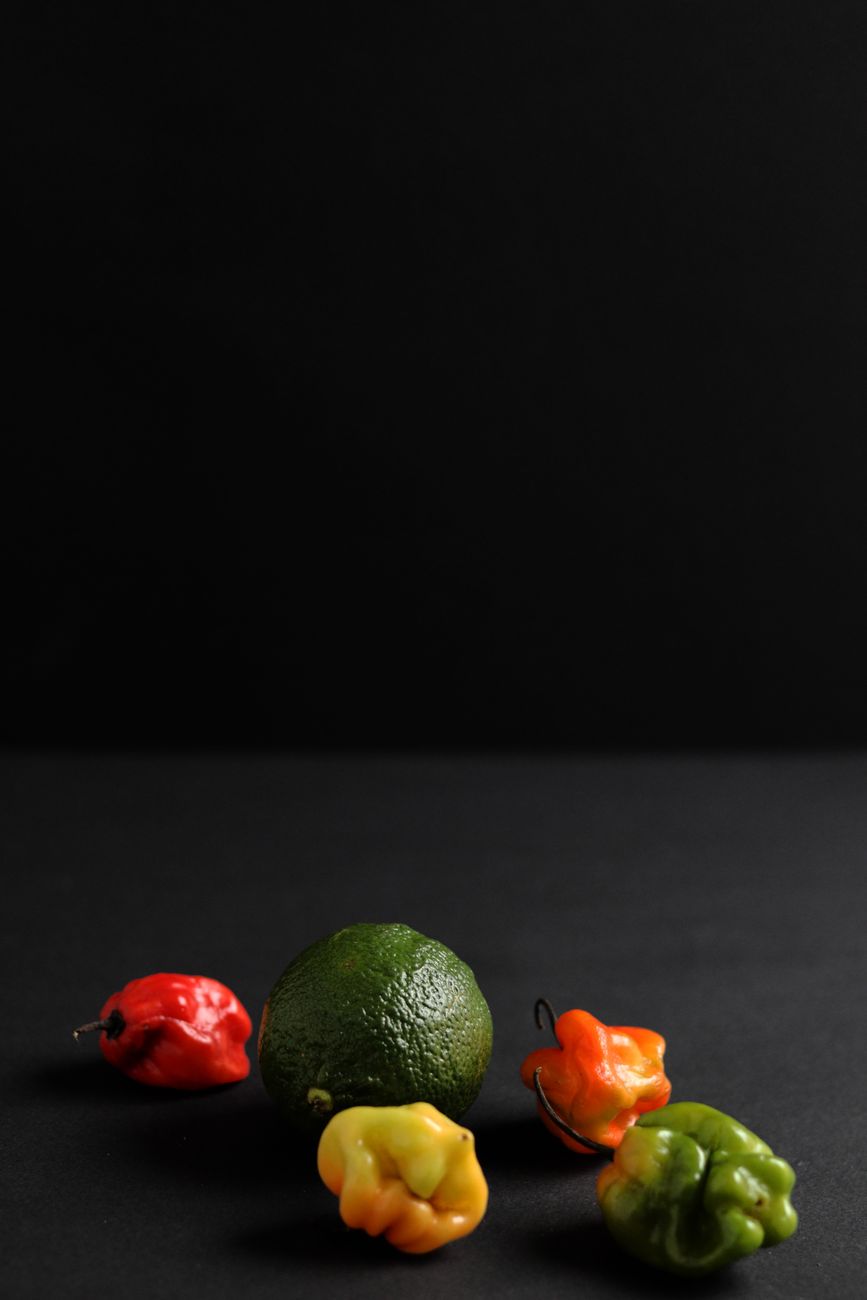
Caribbean pepper sauces are built from more than just chilies. Most start with scotch bonnets or habaneros, but the supporting ingredients shape the final flavor.
Garlic and onion add savory depth, and fermentation lets those flavors mellow and combine with the peppers over time. The vinegar base sharpens the other flavors and keeps the sauce tasting bright rather than flat.
Many traditional recipes include fruit—mango, papaya, tamarind—which adds sweetness that balances the acid and chili heat, rounding out the sauce rather than just cooling it down.
The Coconut Milk Secret
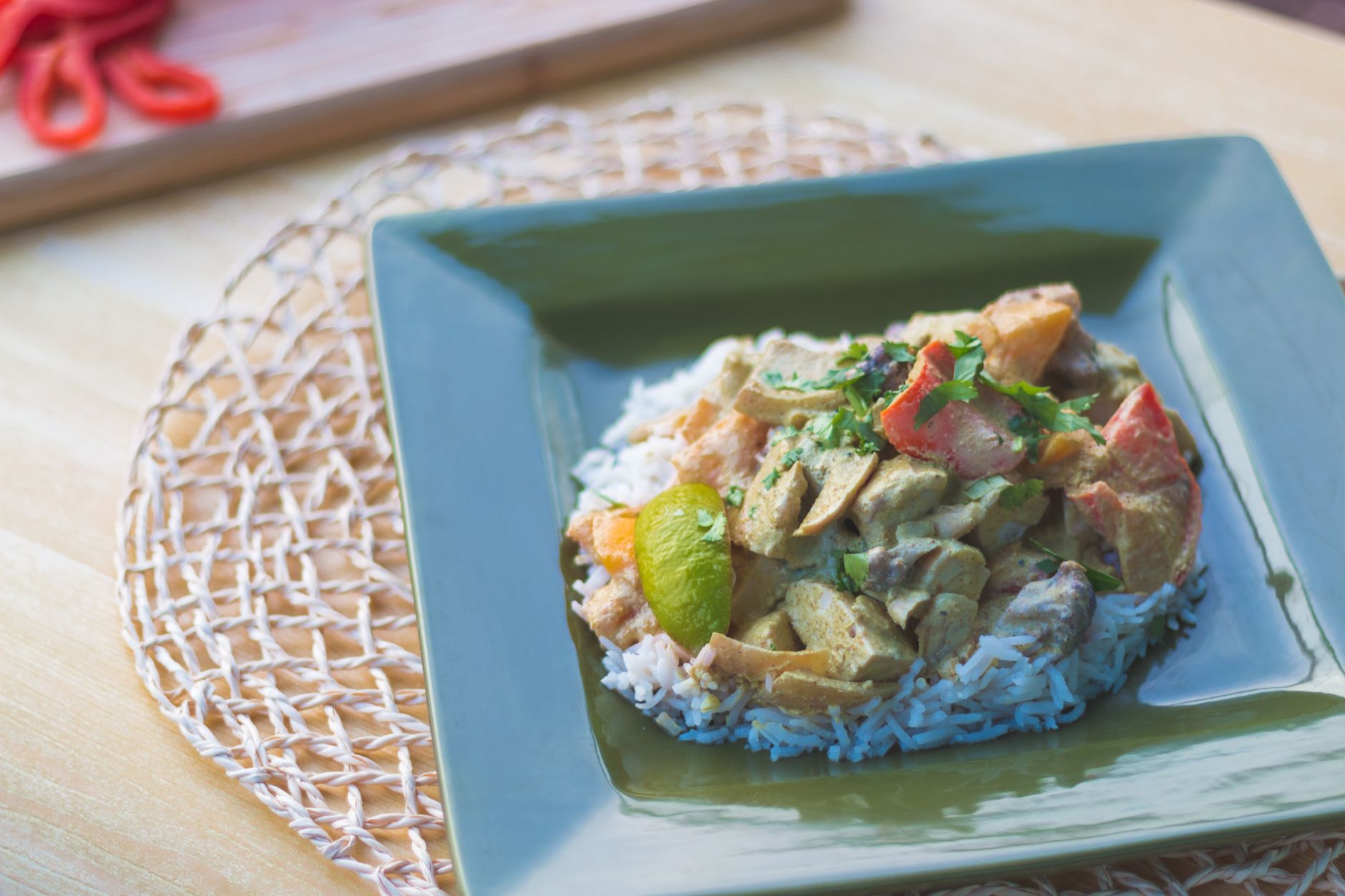
Coconut milk shows up in many Caribbean dishes, and its role goes beyond simply cooling things down.
Caribbean cooking uses these combinations deliberately: pairing complex peppers with aromatics, acid, sugar, and fat so the heat has layers instead of a single dimension.
Peppers featured in this post
Cook with this idea
Recipes to try next.
Put these ingredients and techniques to use in your next meal.

caribbean · medium
Oct 18, 2026Caribbean Scotch Bonnet Burger with Mango-Pepper Slaw
A handheld burger built on a toasted bun with a seared beef patty, charred scotch bonnet mayo, and a bright mango slaw that cools and complements the medium heat. 32 min · 0 saves.

caribbean · inferno
Jun 8, 2026Scorpion Pepper Macaroni with Burnt Butter and Breadcrumbs
Comfort food meets volcanic heat in this Caribbean-spiced mac and cheese that replaces mild cheddar with aged sharp varieties and introduces Trinidad Moruga Scorpion peppers through both the cheese sauce and a crispy topping. 65 min · 0 saves.

caribbean · inferno
May 16, 2026Scotch Bonnet Callaloo with Fire-Roasted Plantain
Traditional Caribbean callaloo that brings the fire with layers of whole scotch bonnets and 7-pot peppers, creating a deeply flavorful stew that's as much about comfort as it is about heat. Sweet fire-roasted plantains provide the perfect cooling balance. 55 min · 0 saves.
Bottle picks
Related hot sauce reviews.
Explore sauces with related ingredients, flavors, and heat levels.
Queen Majesty Scotch Bonnet and Ginger Review
A bright, elegant sauce that leans on fruit, ginger, and Scotch bonnet lift instead of brute force.
Best for seafood
Best for: Seafood and fish tacos
Skip if: Skip if you want a thick, smoky wing sauce more than a bright finishing bottle.
Read review
Yellowbird Habanero Hot Sauce Review
A bright, carrot-forward bottle with enough heat to stay lively and enough sweetness to stay versatile.
Best for tacos
Best for: Tacos and rice bowls
Skip if: Skip if you want a classic vinegar-forward table sauce with almost no sweetness.
Read review
Fly By Jing Sichuan Gold Review
A citrusy, tingly sauce with real peppercorn presence and enough versatility to move beyond dumplings.
Best for dumplings
Best for: Eggs and breakfast tacos
Skip if: Skip if you want a thick, smoky wing sauce more than a bright finishing bottle.
Read review
Go deeper
Background guides that build on this.
Keep reading
More on this subject.
If this post helped, these are the next pieces most likely to keep the thread going.
science
Apr 30, 2026Caribbean Pepper Pot, Scotch Bonnet Marinades, and Curry Goat
Compare the long simmer of Caribbean pepper pot, the seasoning in scotch bonnet marinades, and the aromatics in curry goat.
science
Sep 8, 2026Why Caribbean Heat Works: The Science Behind Spice That Keeps You Coming Back
Caribbean spicy dishes balance heat with acid, sweetness, and aromatics in ways that create depth rather than just fire. Learn how peppers like Scotch bonnets and habaneros work in jerk marinades, hot sauces, and braises—and how understanding this balance lets you adjust heat to your palate without losing flavor.
science
Apr 19, 2026Caribbean Cooking with Scotch Bonnet, Jerk, and Curry
Explore the peppers and aromatics used in Caribbean jerk and curries, including scotch bonnet, thyme, garlic, and allspice.
Comments
Reader discussion is shared across recipes, reviews, and editorial pieces.
Comments are read-only while member sign-in is paused.