
Habanero
Also known as: habanero pepper, red savina habanero
The habanero is the first pepper that genuinely surprises people who grew up eating jalapeños. The fruit-forward heat — citrus, mango, apricot — arrives fast and lingers, but never loses its tropical character.
Scoville
100K–350K SHU
Heat
Very Hot
Origin
south america
Species
C. chinense
Type
Fresh pod
Plant height
24–30 in
Heat profile
Very Hot heat — 100K–350K SHU
Step milder
Piri Piri
50K–175K SHU
This pepper
Habanero
100K–350K SHU
Step hotter
Scotch Bonnet
100K–350K SHU
Flavor profile
Intensely fruity and floral with a fast, aggressive heat that builds quickly.
The habanero changed how Americans think about hot sauce. Before it became mainstream, the dominant styles were vinegar-and-cayenne Louisiana sauces. The habanero brought fruit into the conversation in a way no previous commercial pepper had. Yellowbird built a brand on it. El Yucateco made it the face of Yucatecan cooking. When used carefully — seeded, roasted, paired with citrus and tropical fruit — it's one of the most culinarily versatile superhot-adjacent peppers available.
Color
Orange (most common), red, or chocolate
Did you know
The habanero was the world's hottest pepper from 1994 to 2006, holding the Guinness record until the Red Savina variety was eventually surpassed by the bhut jolokia.
How to use it
- —Caribbean and Yucatecan salsas and hot sauces
- —Mango-habanero wing sauce
- —Scotch bonnet substitute in Caribbean cooking
- —Infused into oils and marinades for indirect heat
- —Paired with tropical fruit in salsas
Pairs well with
Substitutes
Can't find habanero? Try one of these.
Scotch Bonnet
1:1100K–350K SHU
The closest substitute — same species, same heat range, slightly sweeter and more floral. Often interchangeable in Caribbean and Mexican recipes.
Ají Amarillo
1:1 (for flavor, less heat)30K–50K SHU
Tropical fruit flavor without the same intensity of heat. Use when you want habanero's fruit character at a lower burn.
How to grow it
Growing habanero at home
USDA zones
Perennial in 10–11, annual in 4–9
Germinate
14–28 days
To harvest
~100 days from transplant
Plant height
24–30 in
Sun
full sun
Water
moderate
Container
Container-friendly
Slower to germinate than annuum peppers — 75–90°F soil temp speeds things up significantly. Longer growing season too: start indoors 10–12 weeks before last frost. Plants thrive in heat above 85°F and will keep producing until the first cold night. A 5-gallon container is recommended; the root system is larger than jalapeño's.
Where to find it
Buying habanero
Fresh
Orange habaneros are increasingly stocked at mainstream US grocery stores. Red, chocolate, and white variants are at Caribbean and Latin specialty markets.
Dried
Dried whole habaneros and habanero powder available online and at specialty spice shops. Not common in mainstream stores.
Seasonality
Field-grown peak August–October; greenhouse production maintains year-round supply in larger markets.
Seed sources
- Burpee
- Pepper Joe's
- Baker Creek
- Refining Fire Chiles
- White Hot Peppers
Color matters more for habanero than other peppers: orange is the most common commercial variety, but Yucatecan red habaneros are distinctly fruitier and chocolate habaneros are earthier and slightly milder. Worth seeking out the variants once you know the base flavor.
History & origin
Where habanero comes from
Habanero means 'from Havana' in Spanish, but the pepper is native to the Amazon basin and the Yucatán, not Cuba — the name reflects an old trade route rather than origin. Maya cultivation predates written history by millennia. Today the Yucatán remains the world's most famous habanero growing region, with Mexico's denomination of origin (Habanero de la Península de Yucatán) recognizing the specific terroir that produces the variety's characteristic fruit notes.
Cook with it
Recipes that use habanero.

mexican · hot
Oct 18, 2026Habanero Chicken and Charred Corn Rice Bowl
A composed rice bowl with charred corn, habanero-marinated chicken, black beans, and a roasted habanero crema. Heat builds from the marinated chicken and finishes with bright chile warmth in the sauce. 60 min · 0 saves.

caribbean · medium
Oct 18, 2026Caribbean Scotch Bonnet Burger with Mango-Pepper Slaw
A handheld burger built on a toasted bun with a seared beef patty, charred scotch bonnet mayo, and a bright mango slaw that cools and complements the medium heat. 32 min · 0 saves.

jamaican · reaper
Oct 10, 2026Jamaican Scotch Bonnet Burger with Reaper Heat
A Jamaican-spiced beef burger with homemade Carolina Reaper hot sauce, caramelized onions, and mango-cilantro slaw. The heat builds steadily from the sauce and spiced patty, while cool toppings keep each bite enjoyable rather than punishing. 45 min · 0 saves.
In a bottle
Hot sauces that feature habanero
Reviewed bottles where habanero shows up by name in the ingredient list, tasting notes, or product description.
From the blog
Articles about habanero.
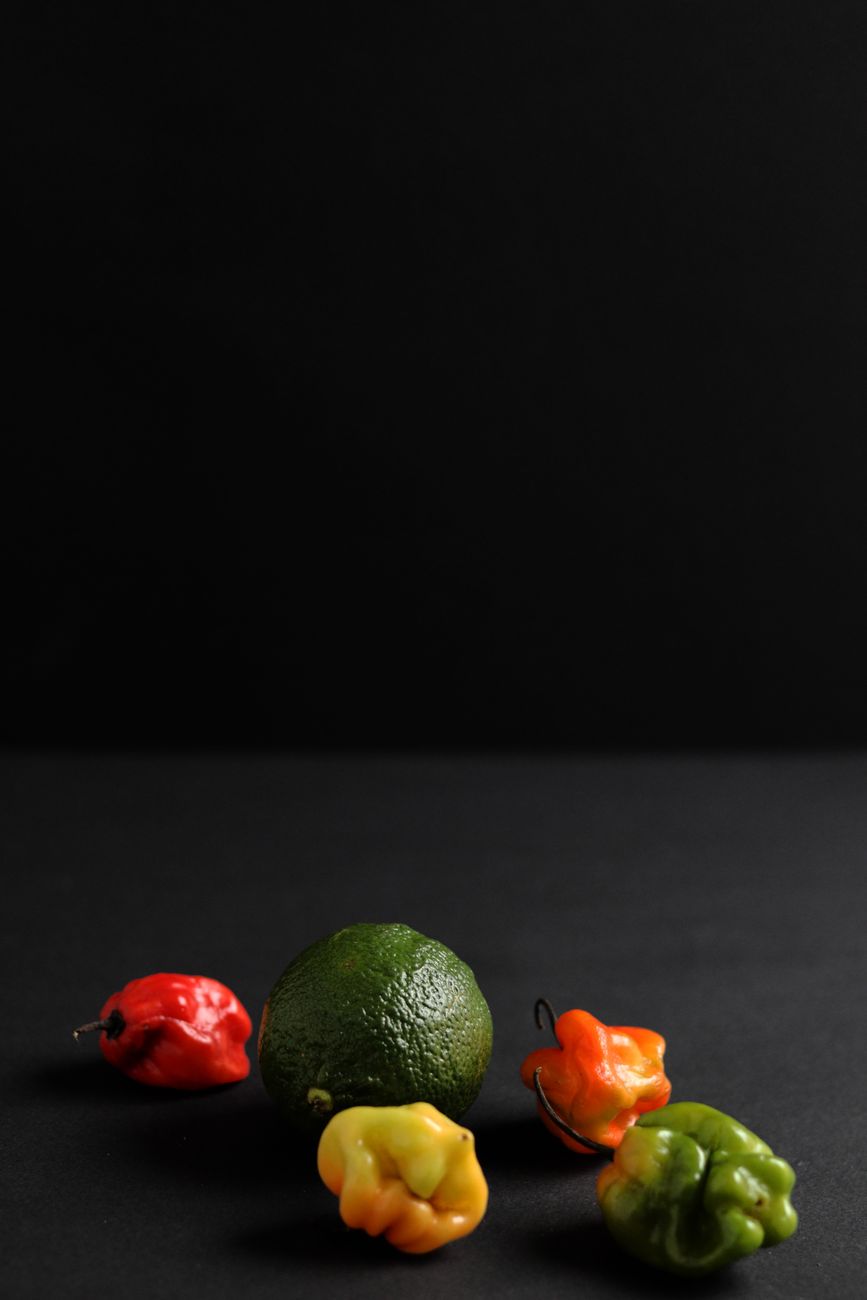
science
Sep 8, 2026Why Caribbean Heat Works: The Science Behind Spice That Keeps You Coming Back
Caribbean spicy dishes balance heat with acid, sweetness, and aromatics in ways that create depth rather than just fire. Learn how peppers like Scotch bonnets and habaneros work in jerk marinades, hot sauces, and braises—and how understanding this balance lets you adjust heat to your palate without losing flavor.
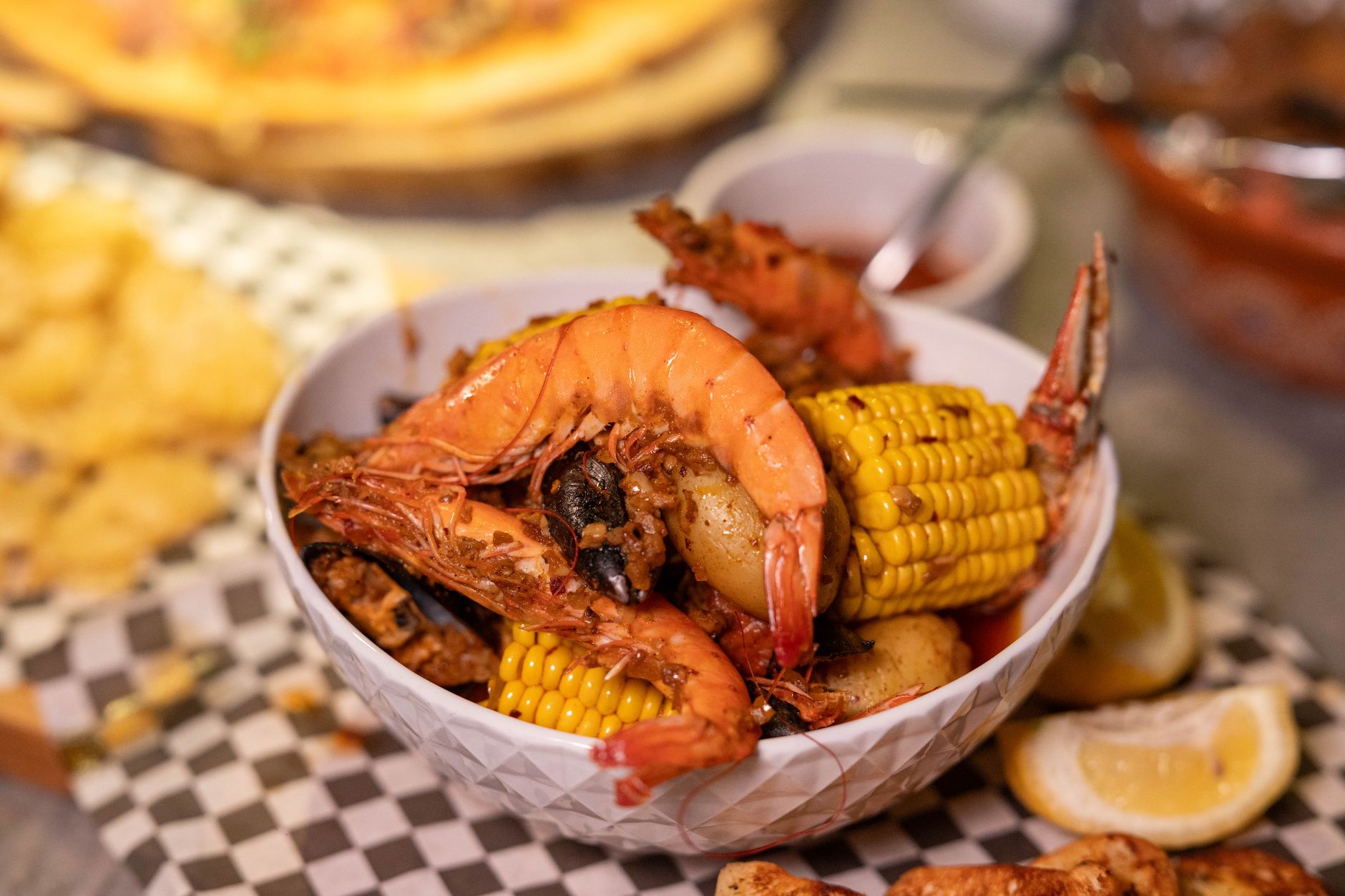
culture
Jun 13, 2026Boudin, Crawfish Boils, and Cajun-Inspired Dishes
Boudin, crawfish boils, and Cajun-inspired dishes offer different textures and seasoning choices, from rice sausage to spiced seafood.
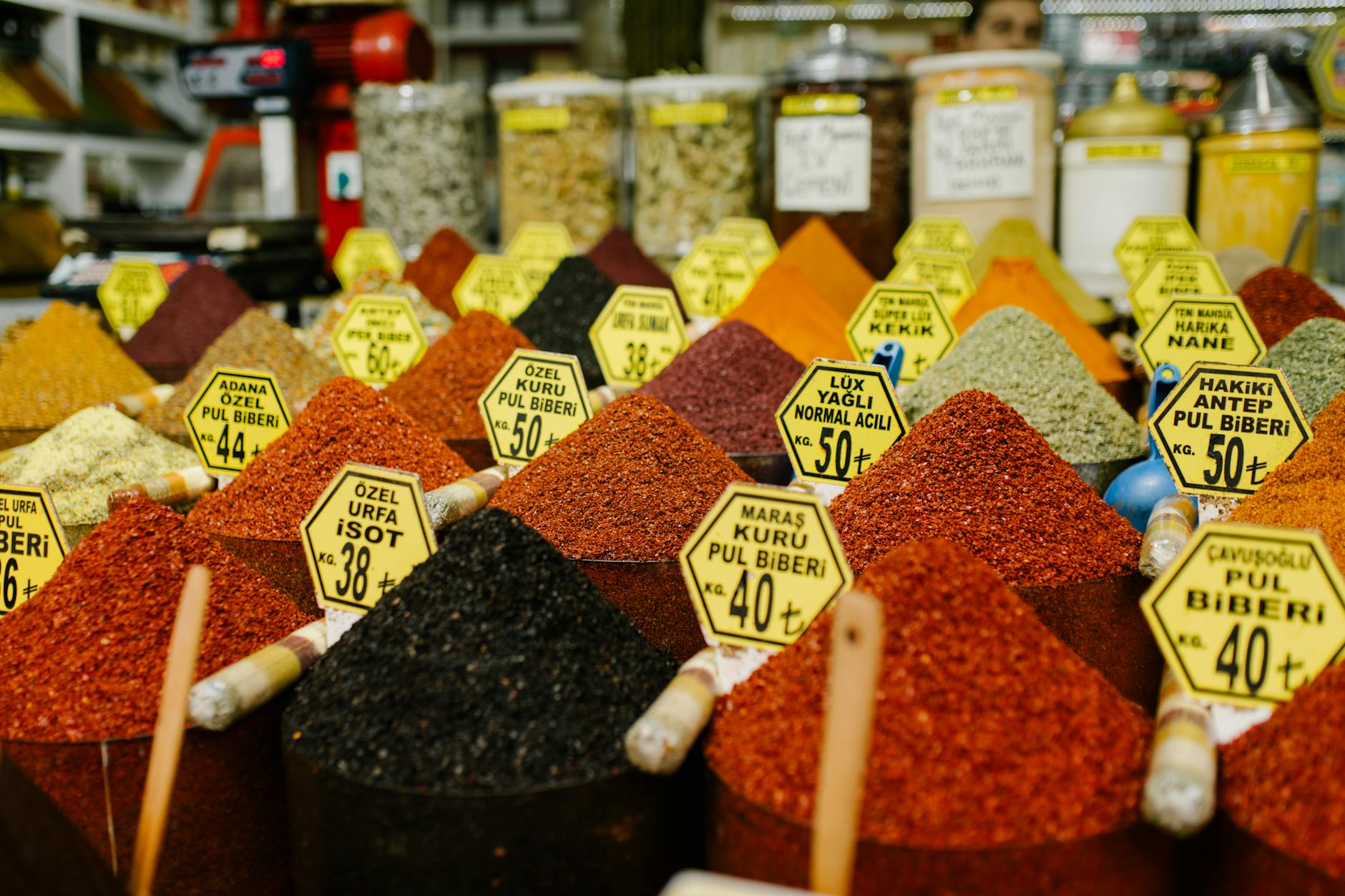
science
Jun 12, 2026Urfa Biber: How Turkish Dried Peppers Are Prepared and Used
A guide to Urfa biber and Turkish dried-pepper preparation, with ideas for seasoning dishes without relying on a single measure of heat.
Background reading
Guides that cover habanero.
Similar peppers
Other very hot peppers
Frequently asked
Common questions about habanero
How hot is a habanero compared to a jalapeño?
About 25–50 times hotter. Habaneros run 100,000–350,000 Scoville Heat Units; jalapeños sit at 2,500–8,000. The flavor is also fundamentally different — jalapeños are vegetal and grassy, habaneros are fruity and tropical.
What's the difference between habanero and scotch bonnet?
They're closely related (same species, Capsicum chinense) and roughly equal heat. Habaneros tend toward citrus and slight pine; scotch bonnets are sweeter and more floral with stronger fruit notes. In most recipes they're interchangeable, but Caribbean cooks insist scotch bonnet is essential for authentic jerk and pepper sauces.
Can you cook out the heat of a habanero?
Not really. Capsaicin survives cooking — heat doesn't dissipate the way some flavor compounds do. What you can do is reduce volume (use less pepper), remove seeds and pith (cuts heat by ~60%), or pair with fat and dairy (which absorb capsaicin and feel cooler on the palate). Roasting won't reduce heat but does deepen the flavor.
Why are habaneros so fruity?
Capsicum chinense peppers contain a different set of aromatic compounds than annuum peppers like jalapeño. The same volatile esters that give peaches, mangoes, and apricots their tropical character are present in habaneros at higher concentrations. The 'fruit' note isn't an illusion — it's chemically related to actual fruit.
Pantry examples
If you want to taste habanero in a bottle or pantry product
These are optional examples of how this pepper shows up in real products. The profile above stands on its own even if you never shop from this section.
Everyday bottle
Yellowbird Habanero Hot Sauce
Bright carrot-habanero heat with enough body to work on eggs, tacos, and roasted vegetables.
View example ↗Red vs green
El Yucateco Red Habanero Sauce
The sweeter, deeper-flavored counterpart to the green — more tomato and roasted chili, less brightness. Better on red meats, enchiladas, and anything going toward the oven.
View example ↗Tropical heat
Mango Habanero Hot Sauce
Sweet mango and fiery habanero in a bottle — the bright, fruity dimension that pairs with grilled chicken, shrimp skewers, and anything headed to the grill in summer.
View example ↗Sweet heat balance
Cholula Sweet Habanero Hot Sauce
Warm honey-habanero sweetness before the heat kicks in — the right bottle when you want both dimensions at once. Works as a glaze or a drizzle.
View example ↗