
science
Filipino Cooking with Chili, Vinegar, and Coconut Milk
Explore the use of chili, vinegar, coconut milk, and fermented ingredients in Filipino dishes such as Bicol express and laing.

Share this
Pass it around
Send this page to a friend, copy the link, or save it to a Pinterest board.

Save for later
Pin this page
Save the image with a link back to this recipe, review, or article.
Filipino spicy dishes rarely rely on straightforward heat. Bicol express builds its fire through coconut milk, and laing layers chili heat into slow-cooked taro leaves. What makes these dishes distinct is how the heat plays against coconut richness, fermented funk, and bright acidity, rather than standing on its own.
Ingredients and Preparation
The most common spicy Filipino dishes often include a fermented ingredient. Bagoong alamang and bagoong isda add salt and a savory depth that changes how fresh chilies come across in a dish.
Take dinuguan made with a heavy hand of siling labuyo. The blood's mineral richness meets the bright, slightly citrusy heat of those small red chilies. Add bagoong, and the dish picks up layers of flavor that shift with each spoonful.
Bicol express is a clear example of how coconut milk works with chili heat instead of simply masking it. The coconut milk spreads the heat of siling labuyo across the dish, while fermented shrimp paste adds pockets of umami throughout. Each bite carries a different balance of chili, coconut fat, and salt.
Vinegar's Role in Balancing Heat
Filipino cooking's use of vinegar creates another category of spicy dishes. Rather than only cutting through heat after the fact, many recipes cook the vinegar in directly, which changes how the chili tastes throughout the dish.
Laing is a good example. Taro leaves cook down in coconut milk with siling labuyo, and the vinegar added during cooking changes the chili's aroma and flavor, making it taste more rounded than sharp. The earthiness of the taro leaves helps ground the heat.
Sinigang na baboy made with extra chilies uses the same approach. Tamarind's sourness offsets the heat, so the dish reads as tart and spicy rather than simply hot.
Pinangat from Quezon follows a similar pattern, using tomatoes, kamias, and sometimes vinegar alongside varying levels of chili heat. The result is a soup where the sourness and heat play off each other instead of the heat sitting on its own.
Coconut Milk as a Heat Carrier
Coconut milk appears in many well-known spicy Filipino dishes. The fat in coconut milk helps spread chili heat across a dish rather than concentrating it in one bite, which is part of why these dishes read as rich rather than simply hot.
Ginataang kuhol with siling labuyo is one example: the snails add texture and a mineral note, while the coconut milk carries the chili heat through the sauce.
Ginataang santol works on the same base, with the fruit's tartness adding another layer to the coconut sauce.
This coconut-chili pairing looks different by region:
- Bicol style: Rich, heavy cream with intense siling labuyo
- Mindanao versions: Lighter coconut milk with local chilies and lemongrass
- Visayan takes: Even lighter coconut with more herbs, milder heat
- Northern Luzon: Coconut milk with bagoong and mountain chilies
Balancing Heat With Fat, Acid, and Umami
Filipino spicy dishes generally combine chili heat with fat, acid, or fermented ingredients rather than serving heat on its own. Dishes like spicy sisig, made with rendered pork fat and fresh siling labuyo, or kare-kare finished with extra bagoong and chilies, pair heat with richness so the dish doesn't taste purely hot.
In dishes like bicol express, the heat isn't uniform from bite to bite—some spoonfuls carry more chili than others, which keeps the spice level varied rather than constant.
Fermented ingredients such as bagoong or patis add salt and savory depth alongside the heat, which is part of why these dishes read as balanced rather than only spicy.
Morcon served with a spicy sauce follows the same idea. The slow-cooked beef provides richness, and the sauce layers fresh chilies, black pepper, and sometimes fermented ingredients for a mix of heat rather than one flat level.
Across these dishes, chili heat is rarely the only element at work. It's balanced by fat, acid, salt, or umami, and that combination is what changes how the heat comes across from bite to bite.
Cook with this idea
Recipes to try next.
Put these ingredients and techniques to use in your next meal.
other · hot
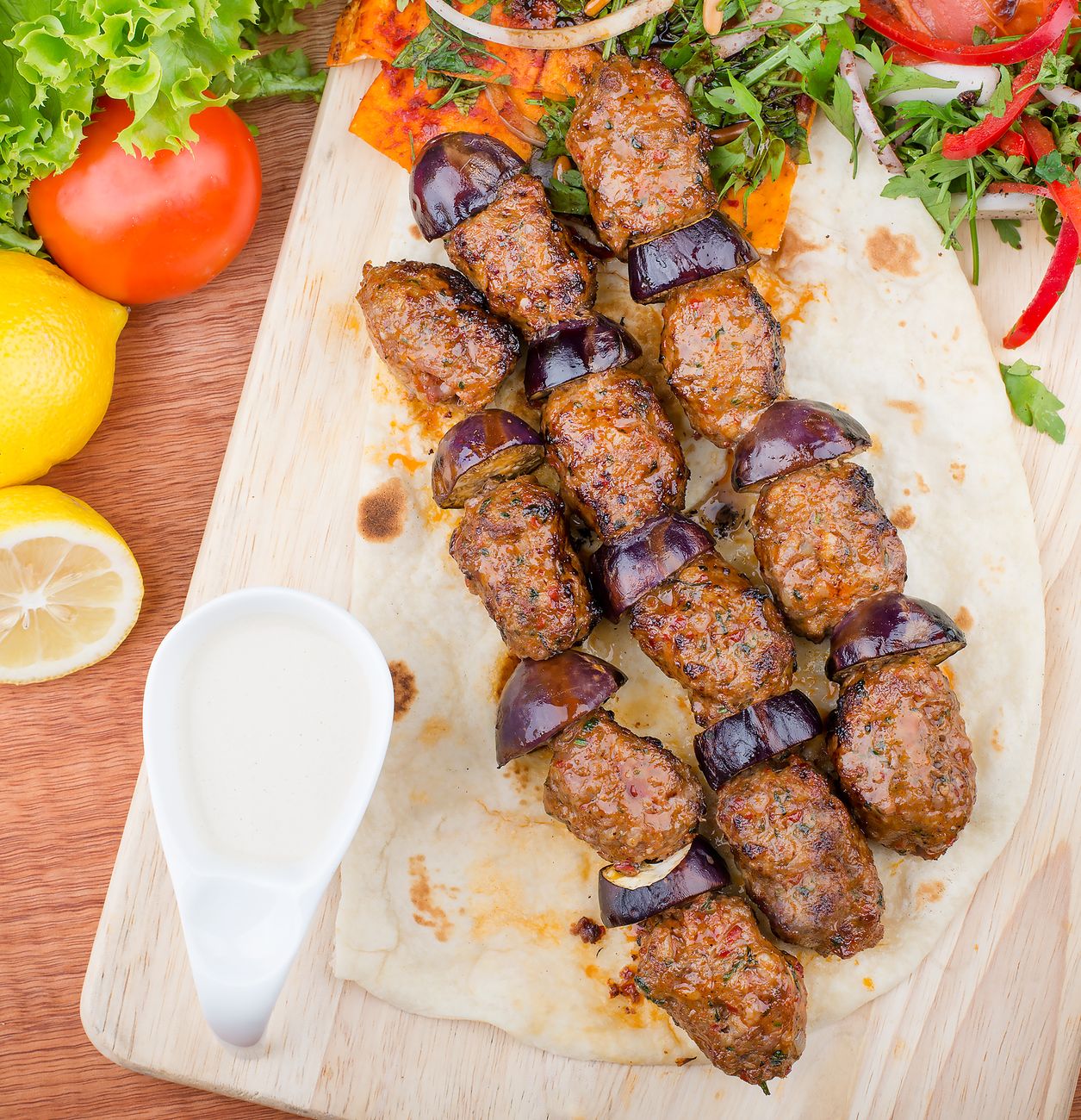
Sep 7, 2026Adana Kebab with Charred Chilli and Sumac
Ground lamb pressed onto flat metal skewers and grilled hard over flame until blackened and crackling on the outside, tender and juicy within. This Turkish street classic gets its serious kick from fresh red chilli ground into the meat and dried Aleppo chilli that brings warmth and fruity depth. The grill is non-negotiable—charcoal or gas flame gives you the char and smoke that makes this dish sing. 32 min · 0 saves.

other · hot
Jun 8, 2026Moqueca de Camarão with Malagueta Fire
Brazilian coconut shrimp stew spiked with fresh malagueta and habanero peppers for serious heat 35 min · 0 saves.

other · hot
May 16, 2026Nigerian Scotch Bonnet Noodle Stir-Fry with Palm Oil
A beautiful collision of flavors where Nigerian heat meets Chinese noodles—scotch bonnet peppers aren't here for decoration, they're bringing genuine fire that builds with each satisfying bite. 35 min · 0 saves.
Bottle picks
Related hot sauce reviews.
Explore sauces with related ingredients, flavors, and heat levels.
Yellowbird Habanero Hot Sauce Review
A bright, carrot-forward bottle with enough heat to stay lively and enough sweetness to stay versatile.
Best for tacos
Best for: Tacos and rice bowls
Skip if: Skip if you want a classic vinegar-forward table sauce with almost no sweetness.
Read review
Queen Majesty Scotch Bonnet and Ginger Review
A bright, elegant sauce that leans on fruit, ginger, and Scotch bonnet lift instead of brute force.
Best for seafood
Best for: Seafood and fish tacos
Skip if: Skip if you want a thick, smoky wing sauce more than a bright finishing bottle.
Read review
Fly By Jing Sichuan Gold Review
A citrusy, tingly sauce with real peppercorn presence and enough versatility to move beyond dumplings.
Best for dumplings
Best for: Eggs and breakfast tacos
Skip if: Skip if you want a thick, smoky wing sauce more than a bright finishing bottle.
Read review
Go deeper
Background guides that build on this.
Keep reading
More on this subject.
If this post helped, these are the next pieces most likely to keep the thread going.

science
May 25, 2026Scotch Bonnets, Palm Oil, and Fermented Seasonings in Nigerian Cooking
Learn how scotch bonnets, palm oil, and fermented seasonings are used in Nigerian dishes, with practical ideas for adjusting the heat.
science
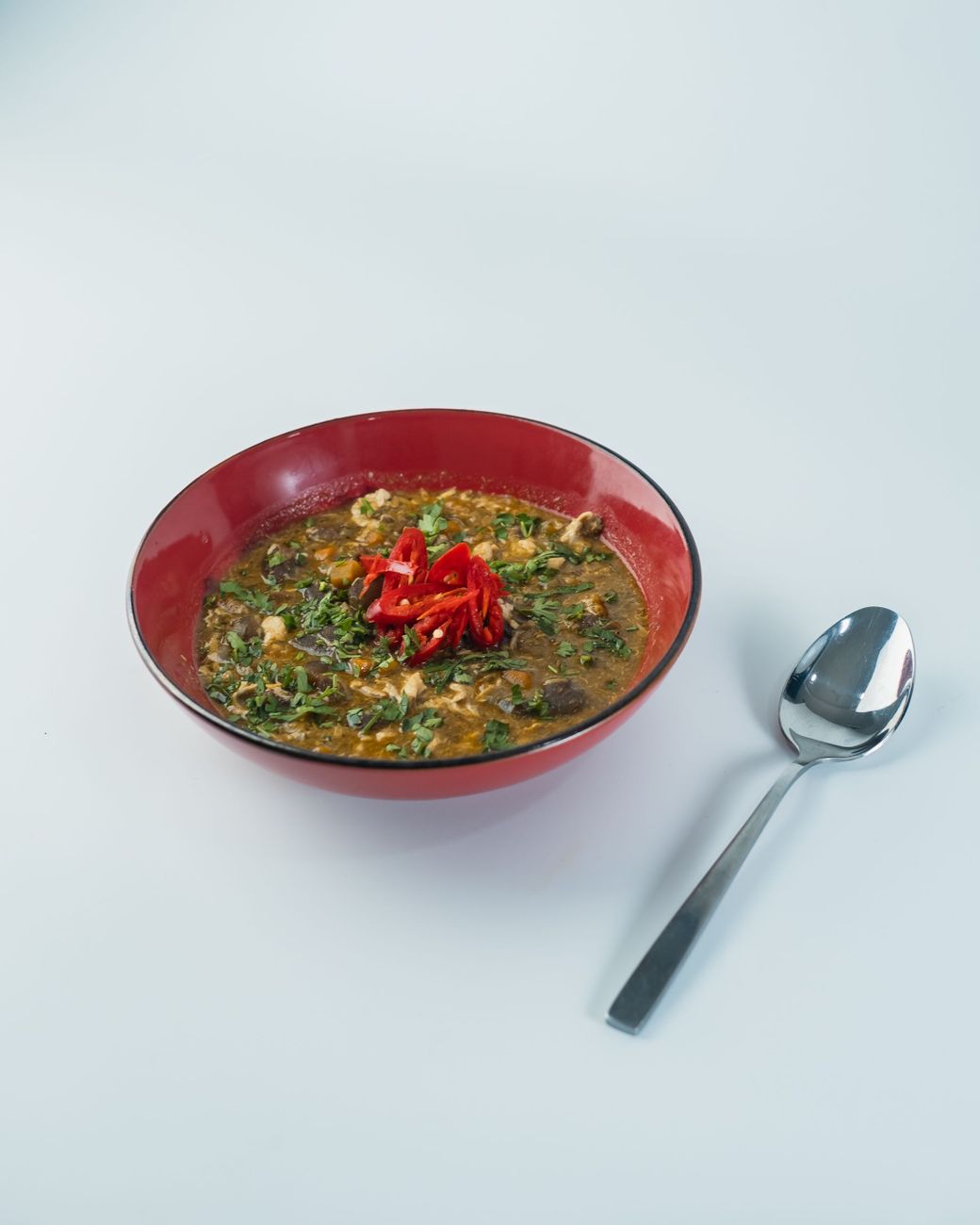
May 21, 2026Nigerian Pepper Soup: Peppers, Broth, and Aromatics
Look inside a pot of Nigerian pepper soup: its peppers, clear broth, and aromatic seasonings, plus ways to adjust the seasoning.
science
Apr 29, 2026Nigerian Spice Blends for Suya, Jollof Rice, and Pepper Soup
Peppers, peanuts, aromatics, and fermented seasonings play different roles in suya, jollof rice, and Nigerian pepper soup.
Comments
Reader discussion is shared across recipes, reviews, and editorial pieces.
Comments are read-only while member sign-in is paused.