
culture
Greek Fire: The Spicy Side of Hellenic Cooking That's Finally Getting Its Due
Greek cooking has always packed more heat than the world gives it credit for. From pepper-rich island specialties to chili-spiked mainland classics, these are the fiery dishes that deserve a spot at your table.

Share this
Pass it around
Send this page to a friend, copy the link, or save it to a Pinterest board.

Save for later
Pin this page
Save the image with a link back to this recipe, review, or article.
Why We've Been Missing Half the Story
For too long, Greek food got pigeonholed as the gentle cousin in the Mediterranean family—all creamy tzatziki and mild dolmades. But ask any Greek grandmother about her cooking, and you'll hear about dishes that'll make you sweat in the best possible way. The real Greek kitchen has always embraced serious heat, building it thoughtfully through local peppers and time-tested techniques that turn up the temperature without losing the soul of the dish.
Greek heat doesn't shout—it whispers, then builds. Instead of reaching for generic hot sauce, Greek cooks work with piperies, the country's incredible range of local peppers. Mild, sweet Florina peppers might ease you in, but wait until you meet piperies kafteris—those small, wrinkled beauties that pack a wallop. Each region has claimed its favorite varieties, and each family has figured out exactly how much fire belongs in their version of the classics.
This isn't heat for heat's sake, either. Greek cooks layer their spice carefully—charring peppers over open flames until the skin blisters, folding homemade hot pepper paste into long-simmered stews, finishing dishes with a confident sprinkle of crushed dried chilis. The goal isn't to numb your tongue but to wake up every other flavor on the plate.
Spetsiotiko: Island Pasta That Gets It Right
If you want to understand Greek spice philosophy in one dish, make spetsiotiko. This pasta from the island of Spetses proves that seafood and serious heat make perfect partners when you know what you're doing. Forget heavy, cream-laden sauces—this stays bright and clean while delivering plenty of warmth.
The magic happens in layers, the way good flavor always does. You start with olive oil heated until it shimmers, then build your base with softened onions, garlic that's just starting to turn golden, and fresh or dried hot peppers that release their oils into the pan. Canned tomatoes go in next (and yes, good canned tomatoes are absolutely fine here), along with whatever seafood caught your eye at the market—shrimp, mussels, chunks of firm fish, whatever looks best.
The trick is knowing when to stop. The sauce needs just enough time to marry all those flavors without overcooking the seafood or losing the brightness that makes this dish sing. Most home cooks use a mix of sweet and hot peppers, which creates the kind of complexity you can't get from heat alone. Fresh parsley—and sometimes dill—gets stirred in at the end.
Don't overthink the pasta choice, but don't ignore it either. Greeks typically reach for a short, sturdy shape like kofto makaronaki that can hold onto all that chunky, flavorful sauce. You want enough liquid to coat every piece without turning the whole thing into soup.
Kokkinisto: Comfort Food That Means Business
The name means "reddened," which gives you a hint about the deep, brick-colored sauce that develops when meat braises slowly in spiced tomatoes. While plenty of kokkinisto stays on the gentle side, the versions that embrace heat show you how Greek home cooks have always used spice in their slow-cooking.
This technique works beautifully with almost any protein you want to throw at it—beef, pork, chicken, lamb. The meat gets a good sear first, building up all those caramelized bits that will flavor everything that follows. Onions soften in the same pan, then comes tomato paste that you stir and cook until it darkens and smells intense. Hot pepper paste or fresh chilis join the party here, along with wine that picks up all those flavorful bits stuck to the bottom of the pan.
The braising liquid usually combines tomatoes with stock, creating enough moisture to keep everything tender during the long, gentle cook that makes this dish worth the wait. Bay leaves and dried oregano are practically mandatory, but it's the pepper heat that separates memorable kokkinisto from the forgettable stuff.
Every region puts its own spin on the basics:
- Crete: Often finishes with local graviera cheese stirred in while everything's still hot
- Macedonia: Features roasted red peppers alongside the hot ones for extra depth
- Peloponnese: Sometimes adds olives and capers for that pop of brine
- Islands: May include preserved lemon or whatever fresh herbs are growing outside the kitchen door
Plan on at least ninety minutes of gentle simmering for most proteins. You want the sauce to reduce enough to cling to the meat while keeping enough liquid for spooning over rice or sopping up with good bread.
Tirokafteri: The Cheese Spread That Converted Me
Tirokafteri—literally "spicy cheese"—might be the most honest dish name in the Greek repertoire. This spread delivers exactly what it promises: creamy, tangy cheese with enough pepper heat to keep you coming back for more bread.
Most versions start with feta as the base, sometimes mashed smooth on its own, sometimes mixed with a mellower cheese like ricotta or Greek anthotiro. The pepper component is where things get personal—some families swear by roasted red peppers for their sweet heat, others prefer fresh hot peppers for clean fire, still others reach for dried flakes that pack concentrated spice into every bite.
Olive oil brings everything together, adding richness while creating that perfect spreadable consistency. Too little and the mixture stays stiff; too much and it turns greasy. A squeeze of lemon juice brightens the whole thing and helps balance the saltiness that good feta brings to the party.
Every Greek household I know has their own tirokafteri formula, either passed down from someone's yiayia or developed through years of careful adjustment. Some add garlic, others fold in fresh herbs. The heat level shifts depending on who's eating—mild for the kids, serious fire for the adults who can handle it.
Serving matters more than you might think. Let the spread come to room temperature so the flavors can open up and the texture softens just enough. Warm pita or toasted country bread gives you the right foundation. Smart restaurants serve this alongside other hot meze like grilled peppers or spicy sausages, building heat gradually throughout the meal.
Where This Heat is Heading
Greek restaurants outside Greece are finally catching up to what Greek families have always known—this cuisine has range, and heat is part of that story. Younger Greek chefs, whether they're cooking in Athens or Chicago, seem especially eager to showcase these spicier dishes instead of sticking to the tourist-friendly greatest hits.
This shift makes sense for reasons beyond authenticity. Diners want complexity now, and they're willing to handle some heat to get it. Greek spice delivers both without the extremes that turn eating into an endurance test.
The specific pepper varieties that create authentic Greek heat aren't easy to find outside specialized markets, but smart substitutions work well. Hungarian hot paprika gets you close to some of the dried pepper flavors, while mixing sweet and hot fresh peppers can replicate the complexity of traditional Greek pepper blends.
What matters most is embracing the Greek approach—heat that's integrated and purposeful, always serving the dish rather than dominating it. It's fire with finesse, spice that enhances instead of overwhelming. That philosophy creates food worth craving, whether your family comes from Thessaloniki or just appreciates good cooking that happens to bring some warmth.
Cook with this idea
Recipes to try next.
Put these ingredients and techniques to use in your next meal.
other · medium
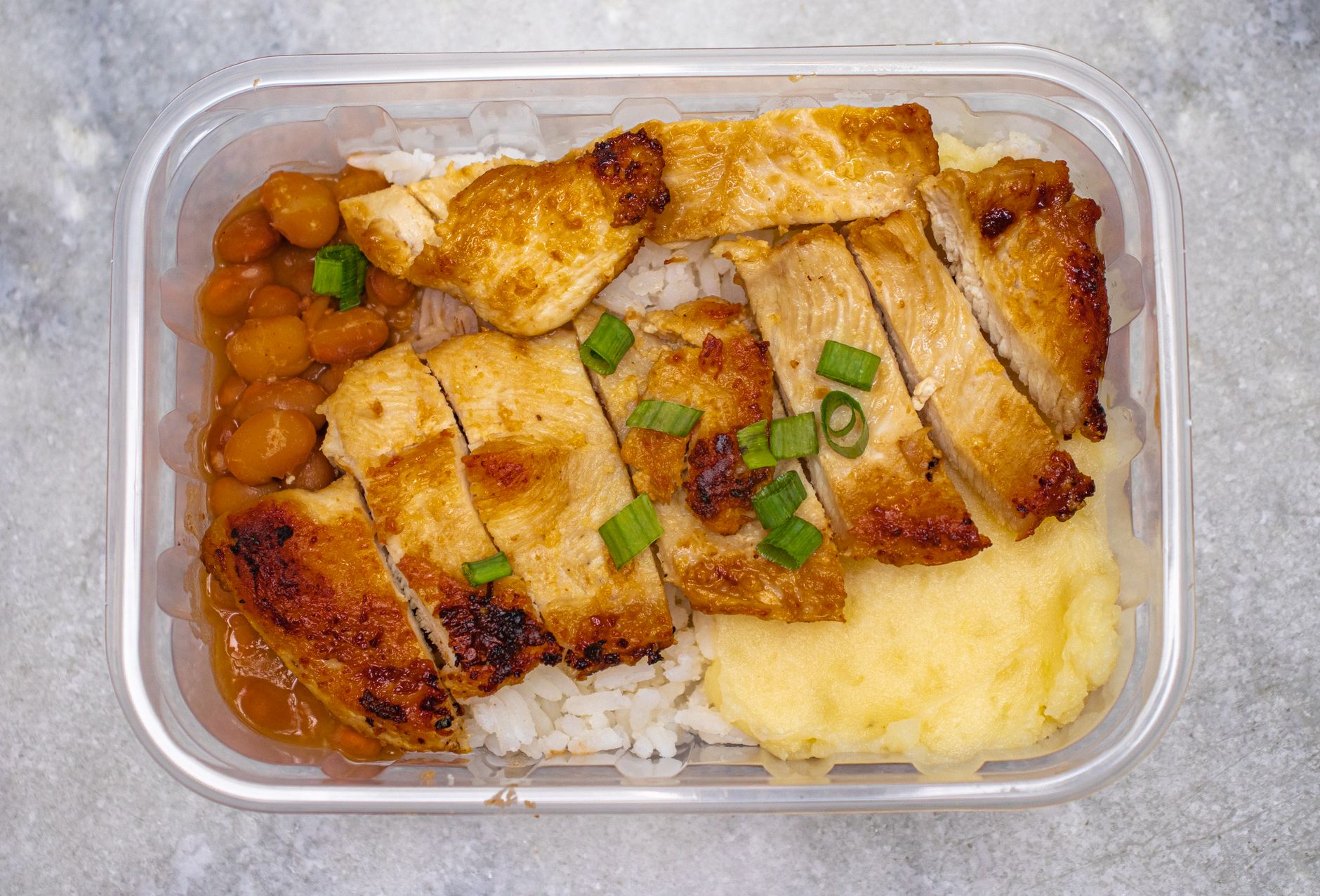
Jun 6, 2026Spicy Brazilian Chicken and Rice Bowl with Malagueta Pepper Sauce
Juicy chicken thighs braised in a vibrant sofrito with the fruity heat of malagueta peppers, nestled over coconut rice alongside buttery black beans and bright cilantro. 65 min · 0 saves.
other · medium
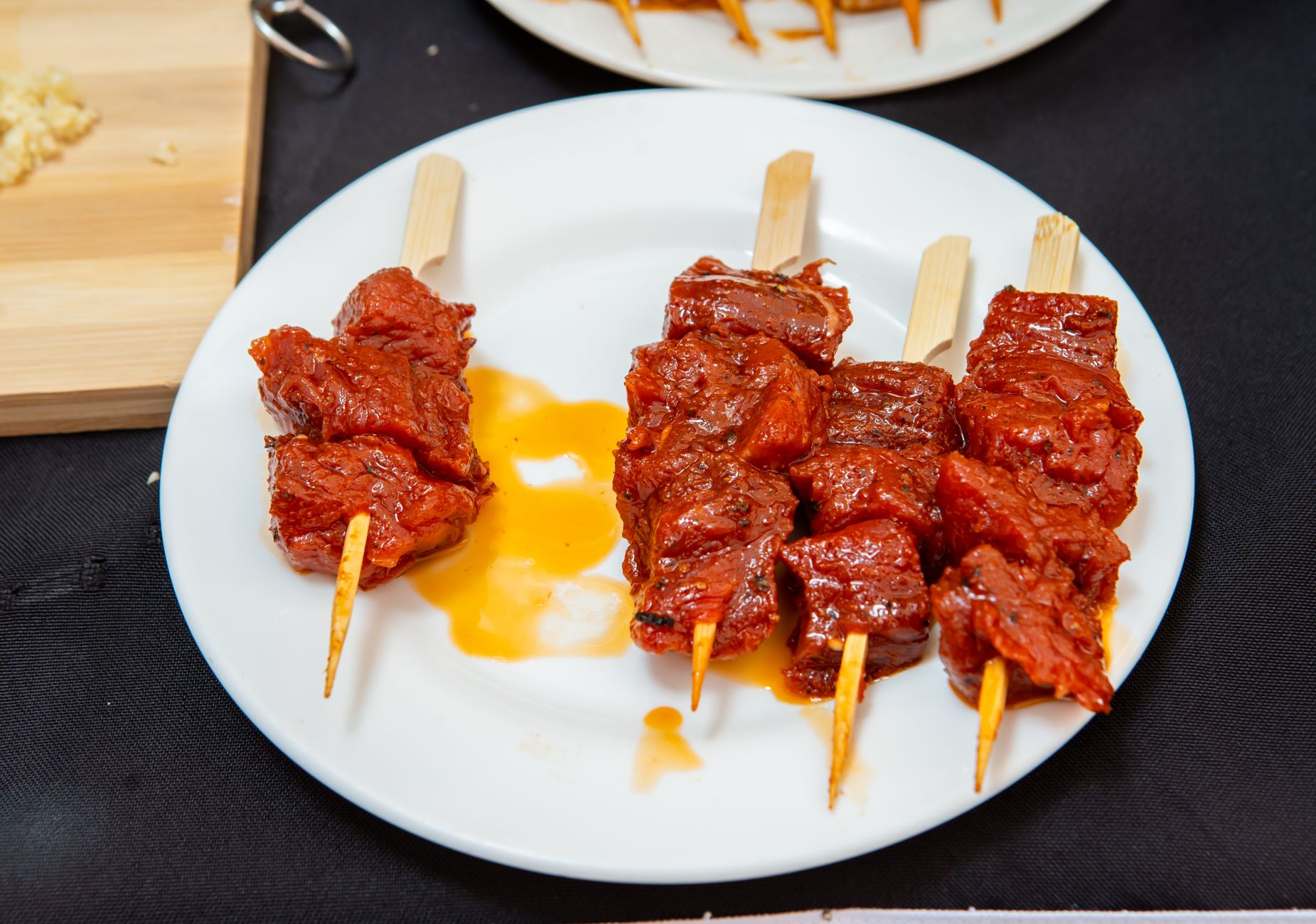
Jun 3, 2026Grilled Suya-Style Beef with Charred Pepper Sauce
Grilled beef strips seasoned with suya spice blend and served with a smoky charred pepper sauce. 45 min · 0 saves.

other · medium
Jun 1, 2026Turkish Red Lentil Stew with Urfa Biber and Mint
A soul-warming Turkish lentil stew brightened with smoky urfa biber chili flakes, fresh herbs, and a cooling yogurt swirl that turns weeknight dinner into something special. 50 min · 0 saves.
Bottle picks
Related hot sauce reviews.
Explore sauces with related ingredients, flavors, and heat levels.
Fly By Jing Sichuan Gold Review
A citrusy, tingly sauce with real peppercorn presence and enough versatility to move beyond dumplings.
Best for dumplings
Best for: Eggs and breakfast tacos
Skip if: Skip if you want a thick, smoky wing sauce more than a bright finishing bottle.
Read review
Mike's Hot Honey Review
Sweet heat done right: sticky, quick, and versatile enough to become a finishing move instead of a novelty.
Best for gifting
Best for: Pizza and fried chicken
Skip if: Skip if you want a classic vinegar-forward table sauce with almost no sweetness.
Read review
Heatonist Los Calientes Rojo Review
Heatonist Los Calientes Rojo: flavor notes, heat level, and suggested food pairings.
Best for tacos
Best for: Tacos and rice bowls
Skip if: Skip if you are chasing a novelty-level heat hit or a super-special-occasion bottle.
Read review
Go deeper
Background guides that build on this.
Keep reading
More on this subject.
If this post helped, these are the next pieces most likely to keep the thread going.
culture
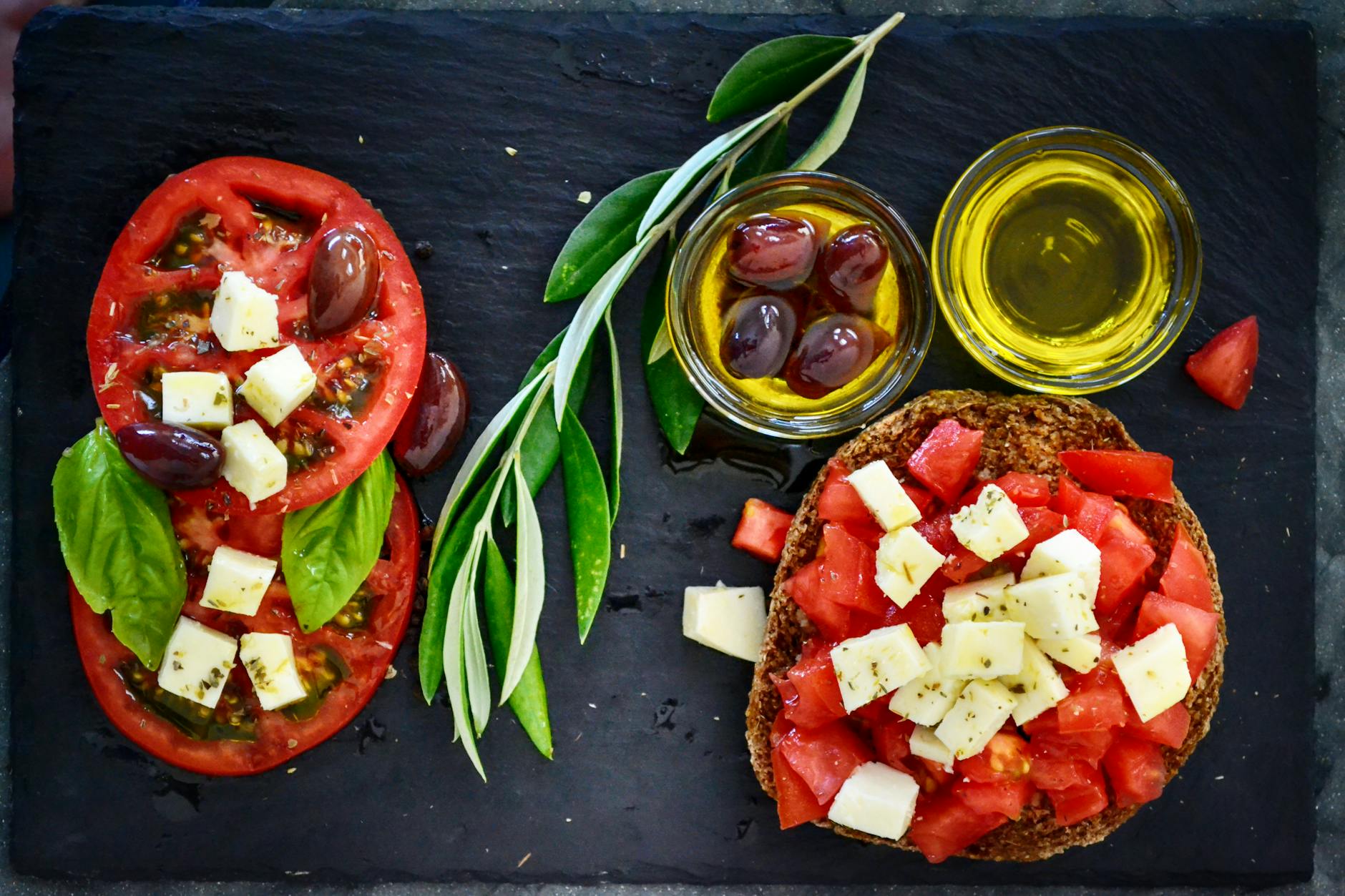
Jun 6, 2026Greek Heat: Three Spicy Regional Styles That Deserve Your Attention
From northern Greece's soul-warming paprika braises to island pepper preparations that pack both heat and tang, discover the spicy side of Greek cuisine that goes far beyond those ubiquitous red pepper flakes.

culture
May 30, 2026Greece's Hottest Kitchen Secrets: Why Spicy Greek Cooking Is Having a Moment
From fiery feta spreads that'll surprise your guests to pepper-braised meats that make you understand why Greek grandmothers always kept the good olive oil handy, this is the spicy side of Greek cooking that deserves a place at your table.

culture
May 25, 2026Why Brazil's Fiery Regional Cooking Is Having Its Moment
From malagueta-spiked moqueca to pimenta-de-cheiro stews, Brazilian heat culture offers complexity beyond the ubiquitous jalapeño. Here's what makes these dishes so craveable—and why your dinner table needs this kind of warmth.
Comments
Reader discussion is shared across recipes, reviews, and editorial pieces.
Comments are read-only while member sign-in is paused.