
science
Urfa Biber: How Turkish Dried Peppers Are Prepared and Used
A guide to Urfa biber and Turkish dried-pepper preparation, with ideas for seasoning dishes without relying on a single measure of heat.
Share this
Pass it around
Send this page to a friend, copy the link, or save it to a Pinterest board.

Save for later
Pin this page
Save the image with a link back to this recipe, review, or article.
Urfa Biber: How Turkish Dried Peppers Are Prepared and Used
Turkish chilies bring a different kind of heat to the table: smoky, dried-fruit flavor built through slow processing rather than sheer Scoville count. As more cooks look past raw heat rankings, Urfa biber and isot are getting attention for how they season food rather than just spike it.
The Patient Art of Turkish Chili Making
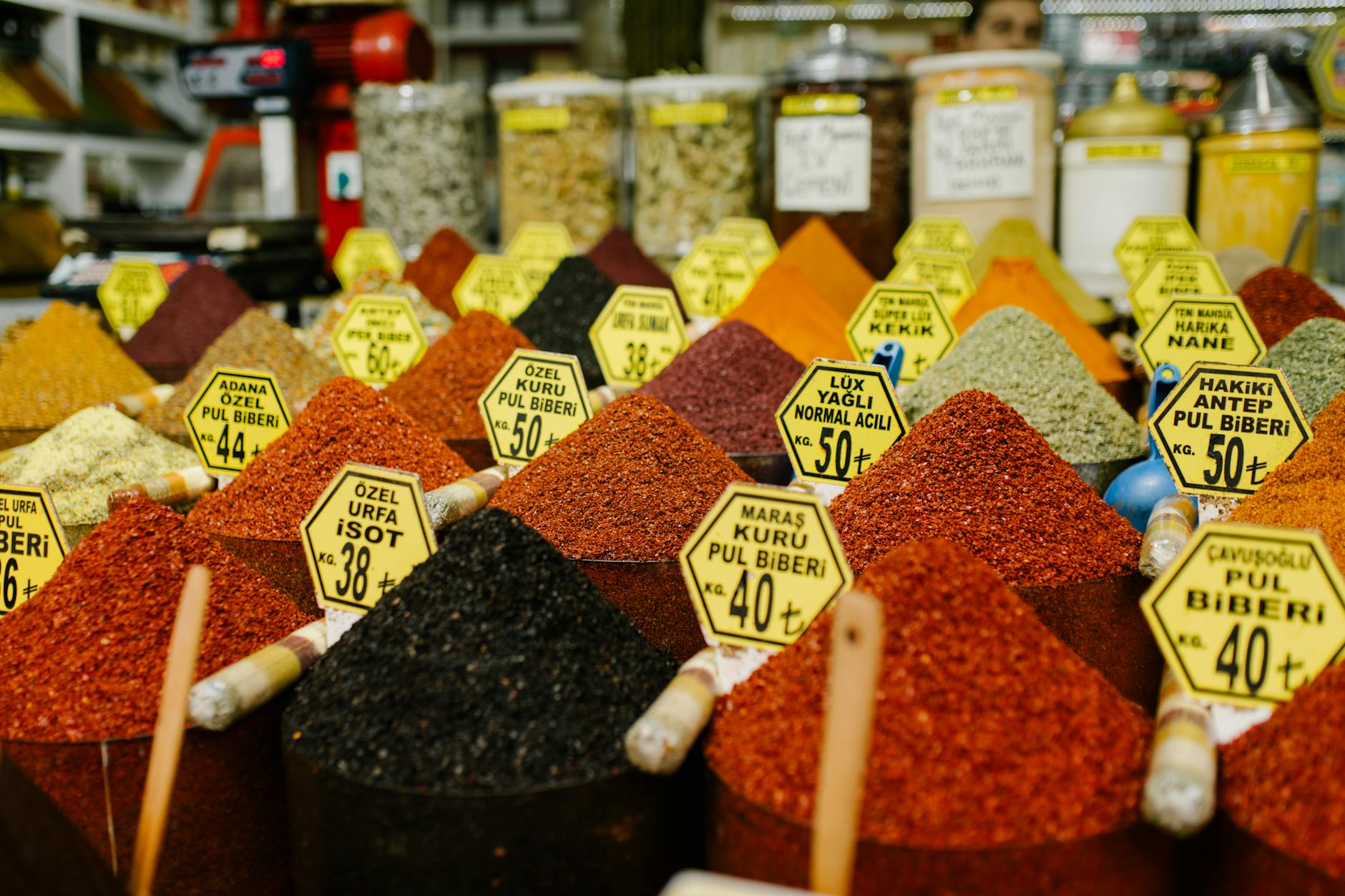
Urfa biber and isot both start as red chilies grown in Turkey's southeastern provinces, but each takes a distinct path to the spice rack.
Urfa biber is sun-dried during the day and wrapped in cloth each night, a cycle of drying and resting that lets the peppers oxidize slowly. Over this time the pepper turns deep purple-black, with a flavor that reads more like dried fruit and tobacco than fresh chili.
Isot is sun-dried, then rubbed with coarse salt and olive oil and left to cure. This curing period softens the pepper's sharper edges and brings out raisin-like sweetness alongside the heat.
Both peppers land in a moderate range, generally cited around 30,000–50,000 Scoville heat units — noticeable heat, but far below superhot varieties — with the drying and curing steps building flavor layers that keep the heat from feeling like the main event.
How Turkish Cooks Layer Heat
Turkish spice blends often combine several peppers and aromatics rather than relying on one. A blend for köfte or grilled lamb might include Urfa biber for smoky depth, black pepper for bite, sumac for tartness, allspice for warmth, and sometimes hot paprika for extra heat.
Combining pomegranate molasses or tomato paste with these peppers adds acidity and sweetness that plays off the dried-fruit notes in Urfa biber and isot. The acid balances the deeper, aged pepper flavors, while the sugars in the mix caramelize when they hit hot oil or a grill.
Cooking with Turkish Chilies: A Different Approach
Unlike hot sauce added at the table, Urfa biber and isot work best cooked into a dish from early on.
Urfa biber benefits from a brief bloom in warm oil or butter, which mellows the heat slightly while bringing out its tobacco and dark chocolate notes. Try it stirred into thick yogurt with a little honey, or sprinkled over roasted carrots straight from the oven.
Isot holds up well in slow braises and long-simmered sauces, where extended cooking lets its flavor spread through the dish. It works well in tomato sauce, where acidity highlights its fruitiness, and in marinades for meat.
Both peppers pair well with dairy, eggs, and milder vegetables, where a hotter chili like habanero could overwhelm the other flavors. Their moderate heat means you can use them generously without the dish turning purely about spice.
Because their flavor builds over time, both are better added early in cooking rather than as a last-minute finish.
Why Cooks Are Turning to This Style of Heat
Interest in Turkish chilies reflects a broader shift toward peppers chosen for flavor as much as heat level. Urfa biber and isot let cooks build a dish around smoky, fruity notes in a way that isn't possible with chilies bred mainly for high Scoville numbers.
Their moderate heat also makes them practical: you can use them generously in a recipe without the dish becoming overwhelmingly spicy, which gives other flavors — sumac, pomegranate molasses, allspice — room to come through.
If you're new to these peppers, start with a smaller amount than you would with a familiar chili, taste as you go, and adjust. Their heat can be easy to underestimate given the moderate Scoville range, and their flavor continues to develop the longer they cook in a dish.
Peppers featured in this post
Cook with this idea
Recipes to try next.
Put these ingredients and techniques to use in your next meal.
other · medium
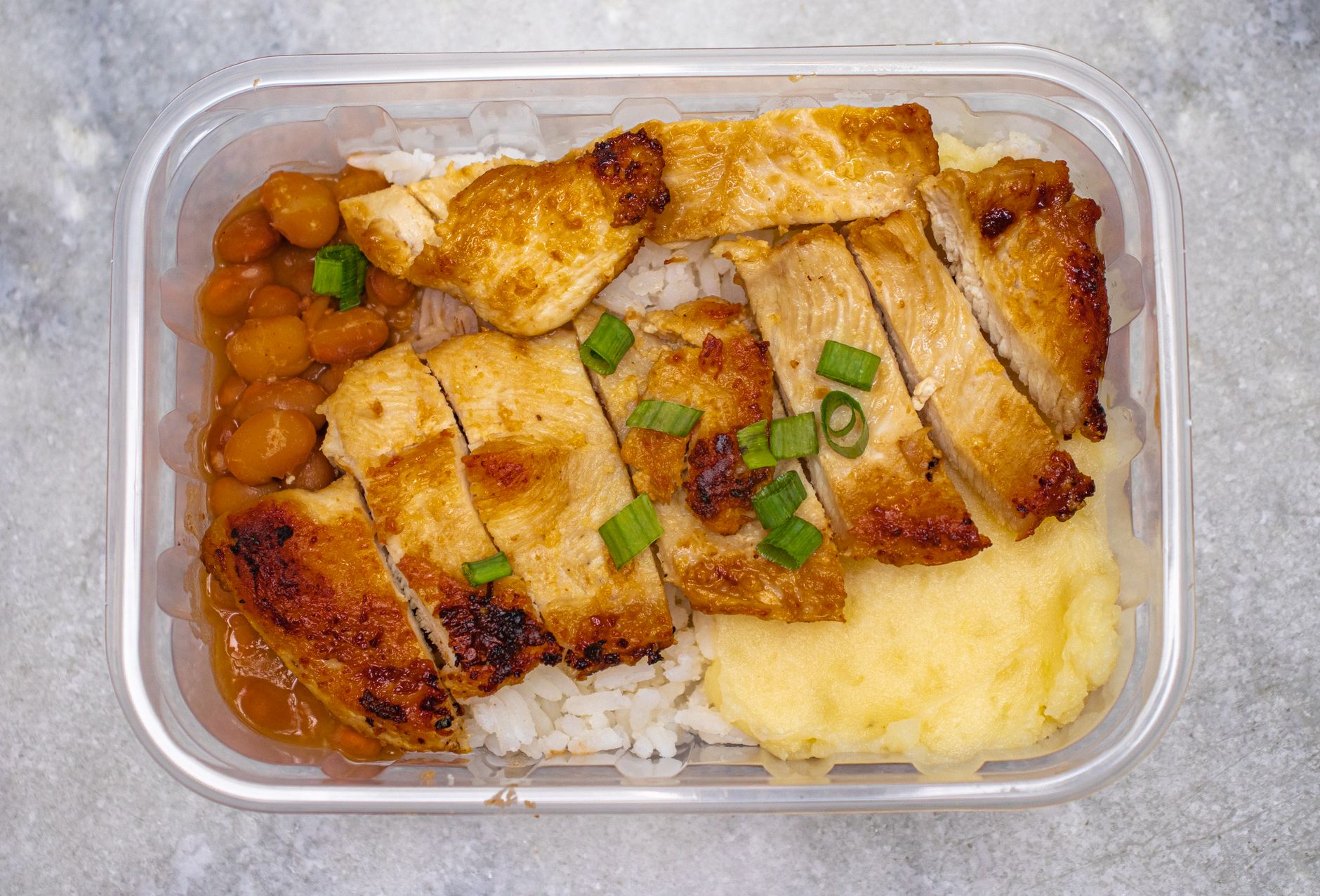
Jun 6, 2026Spicy Brazilian Chicken and Rice Bowl with Malagueta Pepper Sauce
Juicy chicken thighs braised in a vibrant sofrito with the fruity heat of malagueta peppers, nestled over coconut rice alongside buttery black beans and bright cilantro. 65 min · 0 saves.
other · medium
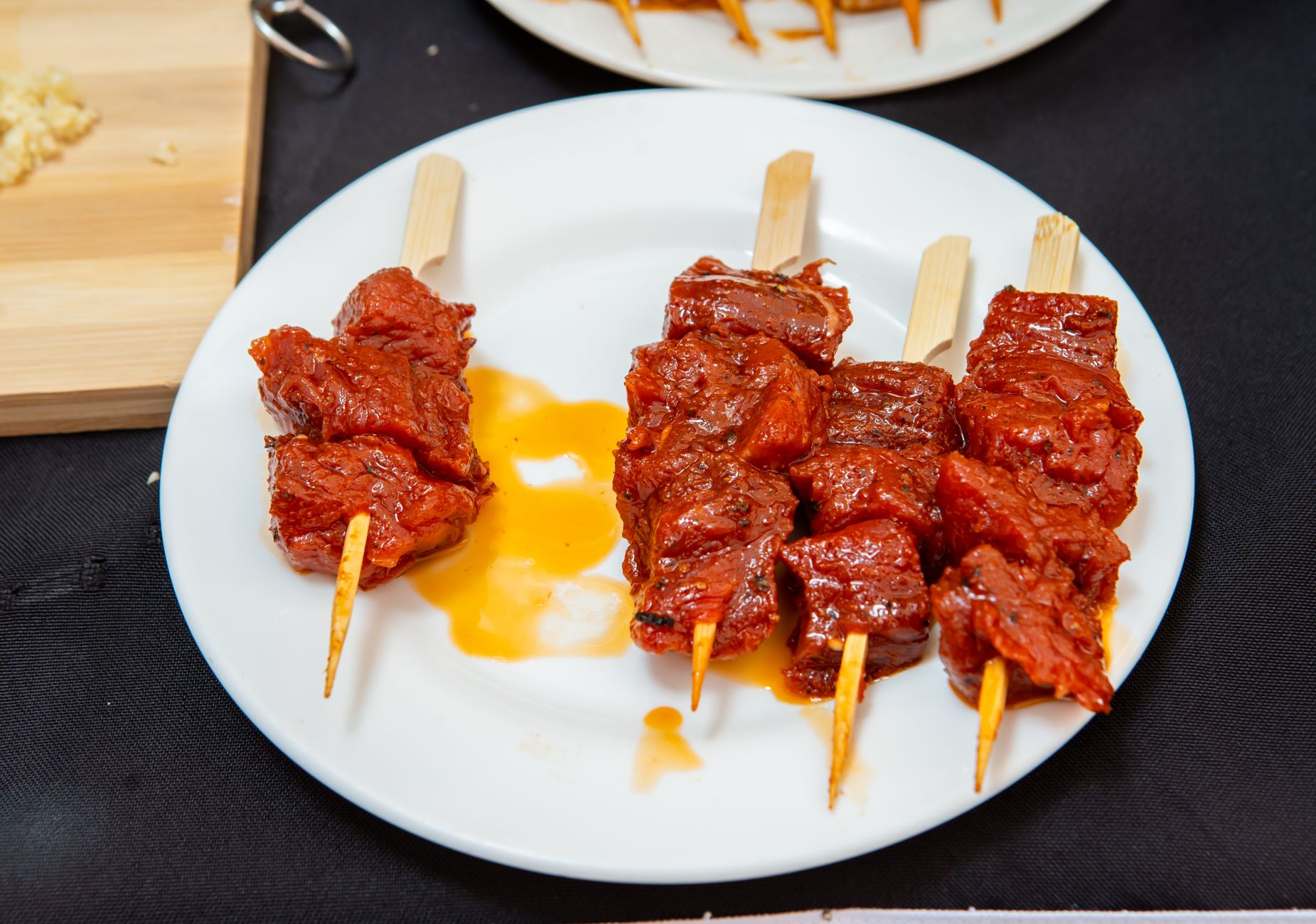
Jun 3, 2026Grilled Suya-Style Beef with Charred Pepper Sauce
Grilled beef strips seasoned with suya spice blend and served with a smoky charred pepper sauce. 45 min · 0 saves.

other · medium
Jun 1, 2026Turkish Red Lentil Stew with Urfa Biber and Mint
A soul-warming Turkish lentil stew brightened with smoky urfa biber chili flakes, fresh herbs, and a cooling yogurt swirl that turns weeknight dinner into something special. 50 min · 0 saves.
Bottle picks
Related hot sauce reviews.
Explore sauces with related ingredients, flavors, and heat levels.
Heatonist Los Calientes Rojo Review
Heatonist Los Calientes Rojo: flavor notes, heat level, and suggested food pairings.
Best for tacos
Best for: Tacos and rice bowls
Skip if: Skip if you are chasing a novelty-level heat hit or a super-special-occasion bottle.
Read review
Yellowbird Habanero Hot Sauce Review
A bright, carrot-forward bottle with enough heat to stay lively and enough sweetness to stay versatile.
Best for tacos
Best for: Tacos and rice bowls
Skip if: Skip if you want a classic vinegar-forward table sauce with almost no sweetness.
Read review
Queen Majesty Scotch Bonnet and Ginger Review
A bright, elegant sauce that leans on fruit, ginger, and Scotch bonnet lift instead of brute force.
Best for seafood
Best for: Seafood and fish tacos
Skip if: Skip if you want a thick, smoky wing sauce more than a bright finishing bottle.
Read review
Go deeper
Background guides that build on this.
Keep reading
More on this subject.
If this post helped, these are the next pieces most likely to keep the thread going.
science
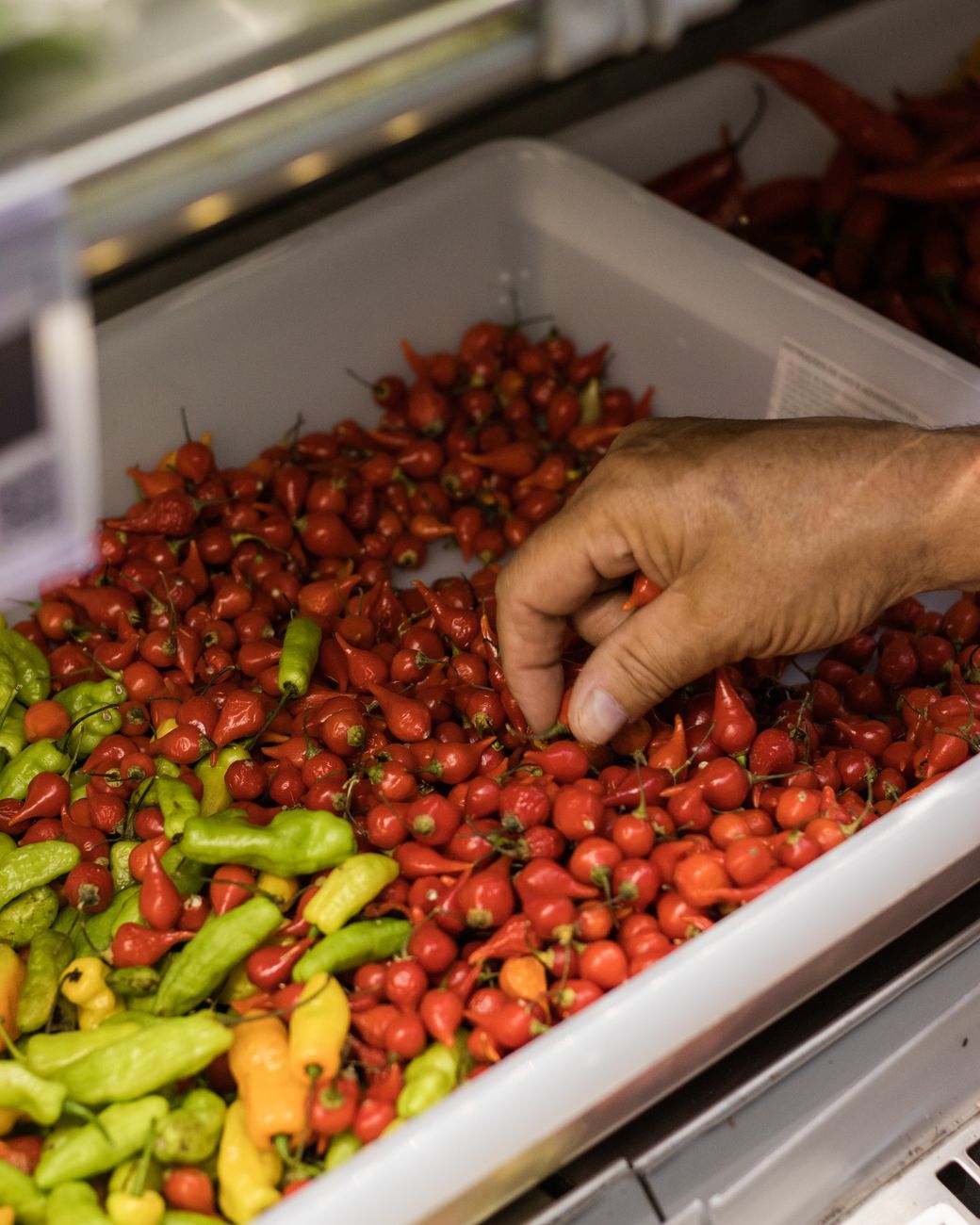
Sep 7, 2026Why Spicy Brazilian Cooking Is Having a Moment—And What You Should Actually Cook
Brazilian heat culture goes way beyond malagueta peppers—and it's finally getting the attention it deserves. We're breaking down the regional spicy dishes actually worth cooking right now, from Bahian dendê-fired seafood to São Paulo's fermented pimenta biquinho renaissance, plus why this approach to building heat (layered, craveable, never punishing) is exactly what home cooks are hungry for.
science
Jun 1, 2026Greek Spiced Dishes: Gemista, Horiatiki, and Table Seasonings
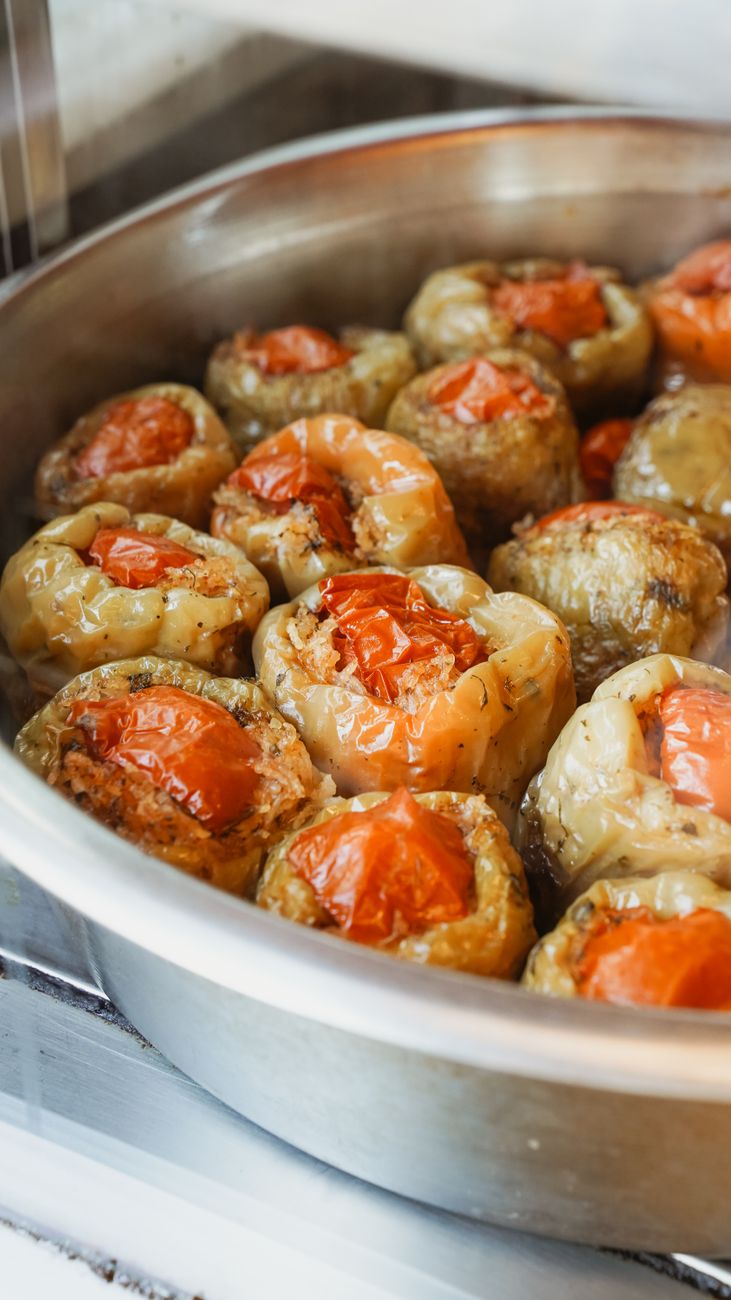
Gemista, horiatiki, and pepper-seasoned Greek dishes offer different ways to combine vegetables, cheese, herbs, and acidity.
science
May 27, 2026Turkish Pepper Seasonings for Adana Kebab, Menemen, and Muhammara
Urfa biber and other pepper seasonings bring different flavors to Adana kebab, menemen, and muhammara. Explore the ingredients and uses.
Comments
Reader discussion is shared across recipes, reviews, and editorial pieces.
Comments are read-only while member sign-in is paused.