
culture
Boudin, Crawfish Boils, and Cajun-Inspired Dishes
Boudin, crawfish boils, and Cajun-inspired dishes offer different textures and seasoning choices, from rice sausage to spiced seafood.
Share this
Pass it around
Send this page to a friend, copy the link, or save it to a Pinterest board.

Save for later
Pin this page
Save the image with a link back to this recipe, review, or article.
Boudin, Crawfish Boils, and Cajun-Inspired Dishes
Gumbo remains the dish most people associate with Cajun cooking, but Louisiana's spicy food traditions extend well beyond it. Restaurants from New Orleans to Portland are now featuring dishes that show how far Cajun technique and heat can go together.
These dishes aren't simply Cajun-labeled dishes dusted with paprika. They draw on the same foundation that defines Louisiana cooking: building heat through technique and layered seasoning rather than relying on raw spice alone.
Boudin Is Finally Getting Its Due
Boudin, a rice-and-pork sausage seasoned with white pepper and cayenne, has long been a staple at Louisiana gas stations and convenience stores. It's now showing up more often on restaurant menus outside the state, valued for its balance of gentle heat and soft, comforting texture.
Boudin-stuffed jalapeños pair the pepper's direct heat with the milder warmth of the sausage filling. In boudin mac and cheese, the rice in the sausage lends a creamy, almost risotto-like texture to the dish, while the pepper seasoning adds depth beyond what plain mac and cheese offers.
Boudin's rice base allows it to blend into other dishes rather than overpower them. It appears scrambled with eggs, stuffed into empanadas, or crumbled onto pizza, where the rice absorbs surrounding flavors while adding its own mild heat.
Boudin balls are made by breading the sausage mixture and frying it until golden, then serving it with a seasoned comeback sauce for dipping.
Seasoning a Crawfish Boil
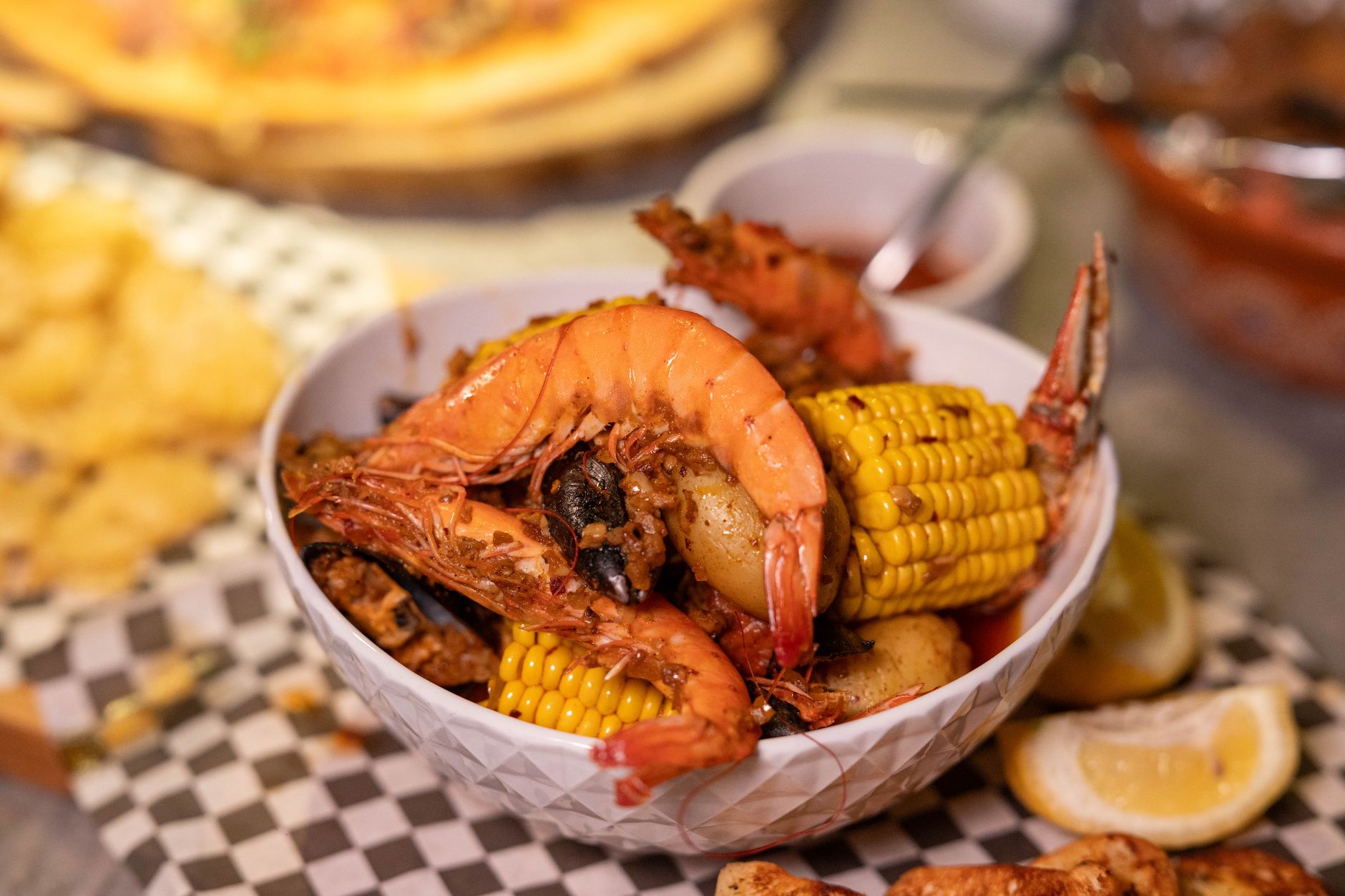
Crawfish boil seasoning has moved beyond a basic Old Bay approach. Many boil houses now build their own spice blends, treating the seasoning mix as a defining feature of the dish rather than an afterthought.
These blends often start with a classic Cajun base of cayenne, white pepper, and garlic, then add ingredients like ghost pepper powder, habanero oil, or Korean gochugaru. Because different ingredients in the boil—shrimp, corn, potatoes, sausage—absorb the seasoning differently, the heat level can vary from bite to bite.
Some restaurants let diners choose a heat level beyond the standard mild, medium, and hot options. You might see:
- Traditional Cajun
- Fire blend (with ghost and scorpion peppers)
- Asian fusion (with gochugaru and Sichuan peppercorns)
- Reaper level (made with Carolina Reaper peppers)
This customization works well for groups with different spice preferences, since each diner can choose their own heat level while sharing the same meal.
When Cajun Meets Asia
Cajun techniques and various Asian flavor traditions increasingly appear together on menus, combining layered seasoning approaches from both cuisines.
Cajun fried rice is made with day-old rice seasoned with Cajun spices, stir-fried with andouille sausage and shrimp, and finished with both Louisiana hot sauce and sambal oelek. The dish combines two distinct heat sources rather than following either tradition exactly.
Vietnamese-Cajun fusion dishes include crawfish pho, where the aromatic broth carries a mild warmth while the seasoned crawfish adds more direct heat.
Korean-Cajun combinations pair gochujang's fermented flavor with cayenne and white pepper. Korean-Cajun fried chicken is one example of this pairing appearing on menus.
Adjusting Heat in Cajun Comfort Food
Traditional Cajun comfort foods are appearing in bolder versions on menus. Shrimp and grits, once a milder option for spice-averse diners, now often feature grits mixed with pepper jack cheese and a sauce built with habanero or ghost pepper. The creamy grits still soften the sauce's heat, but they no longer carry the dish alone.
Barbecue shrimp—a dish built on butter and garlic rather than an actual barbecue sauce—is seeing similar treatment. Some versions now incorporate fermented hot sauces or finish with ghost pepper-infused butter, adding heat to the traditional New Orleans preparation.
Etouffee traditionally gets its heat from cayenne. Some contemporary versions incorporate scorpion pepper powder or habanero puree instead, while keeping the dish's characteristic silky texture.
Across these dishes, heat is layered in through technique and ingredient choice rather than added simply for intensity, whether the base recipe is generations old or a recent restaurant creation.
Peppers featured in this post
Cook with this idea
Recipes to try next.
Put these ingredients and techniques to use in your next meal.
cajun · medium
May 29, 2026Cajun Shrimp and Sausage Skillet
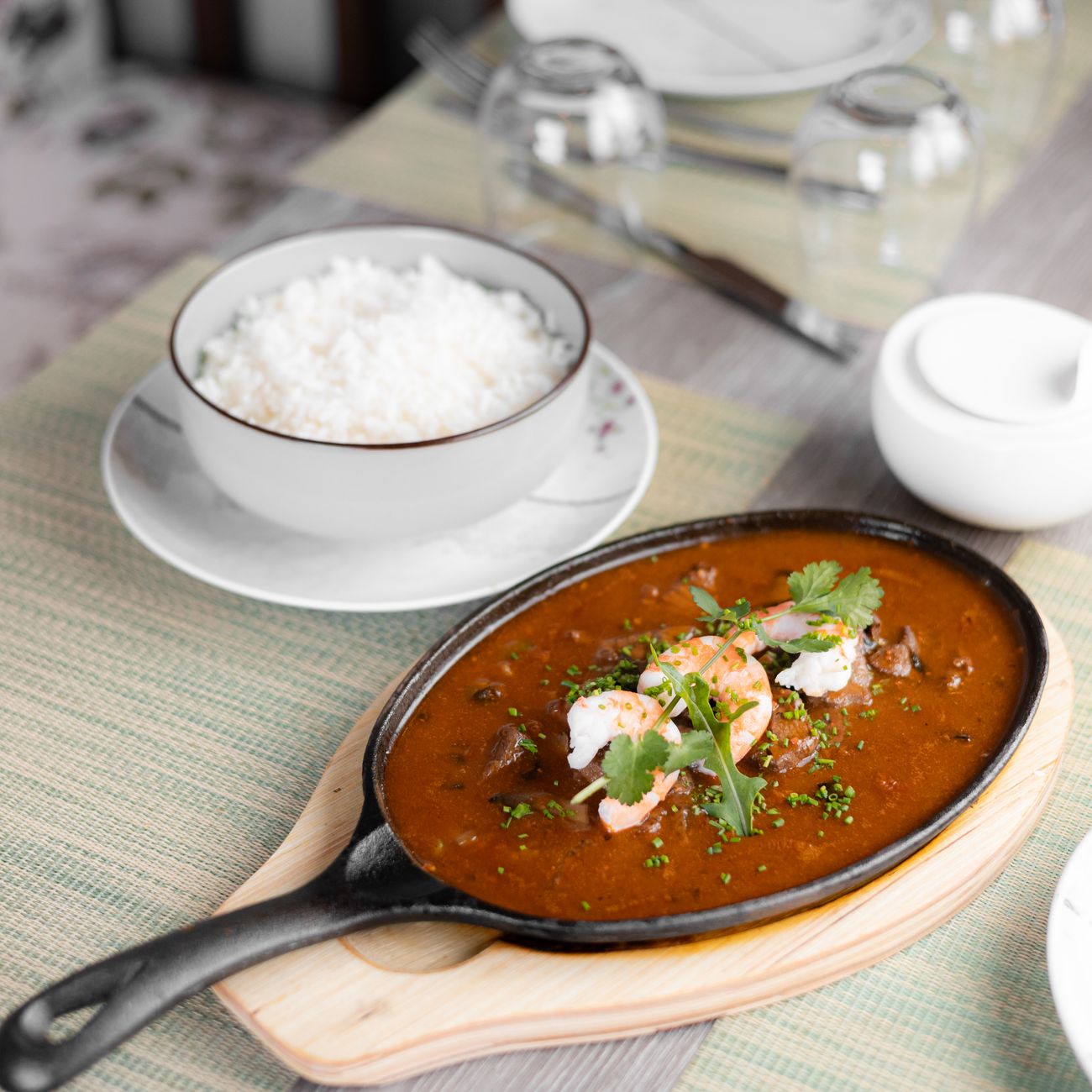
Smoky andouille sausage and plump shrimp get tossed with bell peppers and onions in a well-seasoned cast iron pan, delivering authentic Cajun warmth without the fuss of a traditional jambalaya. 35 min · 0 saves.

cajun · medium
May 7, 2026Grilled Cajun Pork Shoulder with Charred Trinity
Smoke-kissed pork shoulder gets a generous coating of cayenne-forward Cajun spices, then slow-roasted on the grill alongside the holy trinity of onions, bell peppers, and celery until everything caramelizes into sweet, spicy perfection. 200 min · 0 saves.

cajun · medium
Apr 28, 2026Cajun Shrimp Burgers with Comeback Sauce
Ground shrimp patties seasoned with cayenne, paprika, and garlic get seared until golden, then stacked on brioche buns with tangy comeback sauce and crisp lettuce. 35 min · 0 saves.
Bottle picks
Related hot sauce reviews.
Explore sauces with related ingredients, flavors, and heat levels.
Fly By Jing Sichuan Gold Review
A citrusy, tingly sauce with real peppercorn presence and enough versatility to move beyond dumplings.
Best for dumplings
Best for: Eggs and breakfast tacos
Skip if: Skip if you want a thick, smoky wing sauce more than a bright finishing bottle.
Read review
Mike's Hot Honey Review
Sweet heat done right: sticky, quick, and versatile enough to become a finishing move instead of a novelty.
Best for gifting
Best for: Pizza and fried chicken
Skip if: Skip if you want a classic vinegar-forward table sauce with almost no sweetness.
Read review
Heatonist Los Calientes Rojo Review
Heatonist Los Calientes Rojo: flavor notes, heat level, and suggested food pairings.
Best for tacos
Best for: Tacos and rice bowls
Skip if: Skip if you are chasing a novelty-level heat hit or a super-special-occasion bottle.
Read review
Go deeper
Background guides that build on this.
Keep reading
More on this subject.
If this post helped, these are the next pieces most likely to keep the thread going.
culture
Apr 30, 2026Why Louisiana's Boldest Cajun Dishes Are Having a Spicy Renaissance
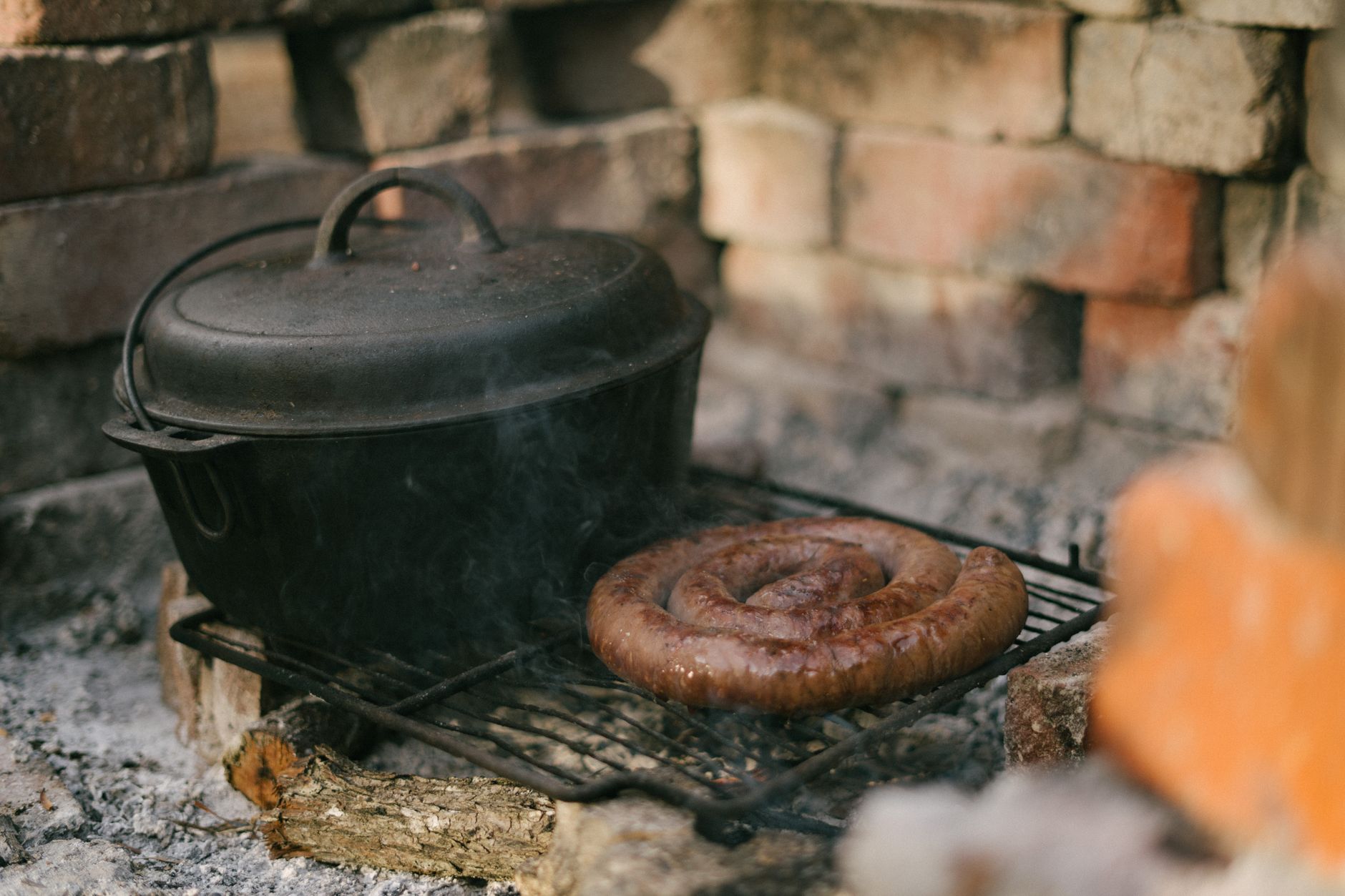
Louisiana kitchens are turning up the heat on beloved Cajun classics, layering ghost peppers and habaneros into time-honored jambalaya, gumbo, and crawfish boils without losing the soul that makes these dishes sing.

culture
Jun 15, 2026Four Middle Eastern Heat Styles That Should Be on Your Radar Right Now
From harissa's patient burn to zhug's bright herb-fire, these Middle Eastern heat styles teach us that the best spicy food builds complexity alongside warmth—and they'll change how your family thinks about heat.
culture
Jun 12, 2026Why Peruvian Spice Is Having Its Moment: Three Dishes That Show How Heat Works in Lima
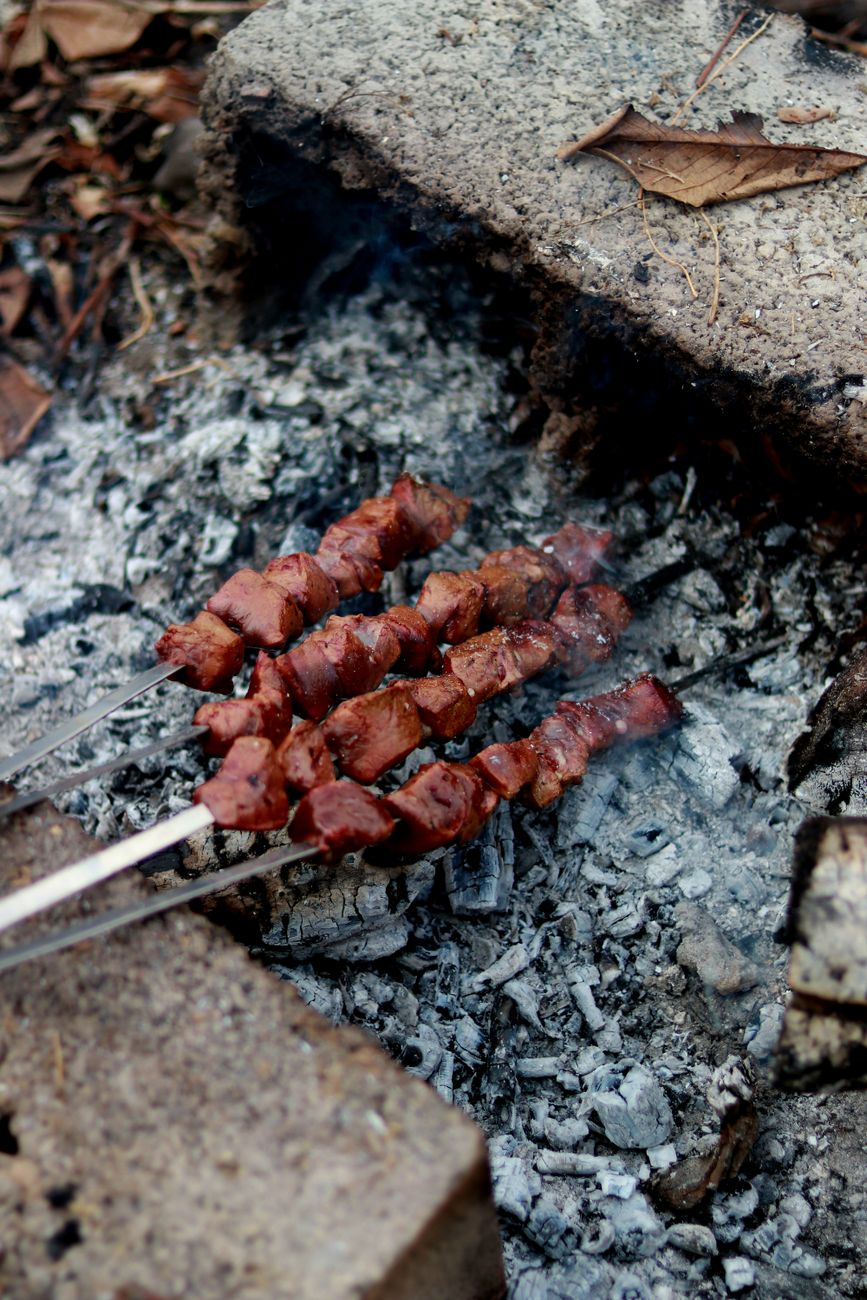
From ají amarillo's golden fire to rocoto's sneaky burn, Peruvian kitchens understand heat like nowhere else. Here's why anticuchos, causa limeña, and ají de gallina should be on your table—and how their brilliant balance of spice and soul is winning over everyone from timid eaters to serious chile heads.
Comments
Reader discussion is shared across recipes, reviews, and editorial pieces.
Comments are read-only while member sign-in is paused.