
culture
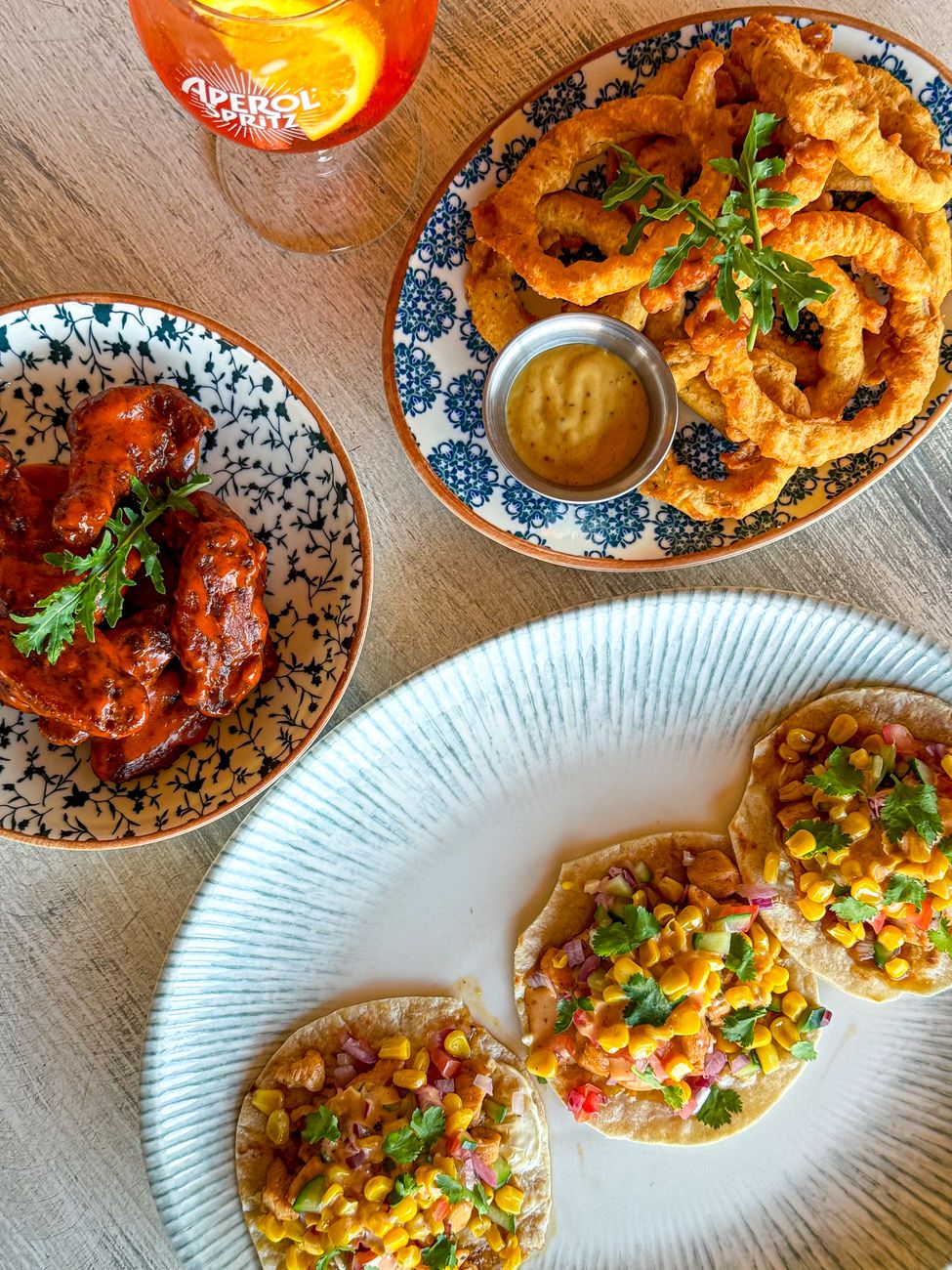
Nashville Hot Chicken, Birria Tacos, and Korean-American Wings
Compare the chili coating on Nashville hot chicken, the broth served with birria tacos, and fermented chili paste on Korean-American wings.
Share this
Pass it around
Send this page to a friend, copy the link, or save it to a Pinterest board.

Save for later
Pin this page
Save the image with a link back to this recipe, review, or article.
Nashville Hot Chicken, Birria Tacos, and Korean-American Wings
American regional cooking has long featured its own heat—Louisiana's cayenne-based dishes, New Mexico's green chile tradition, the Carolinas' vinegar-based pepper sauces. Alongside these, a newer set of spicy dishes has become popular in restaurants and home kitchens: Nashville hot chicken, birria tacos, and Korean-American wings, among others. What connects them is a balance of heat with other flavors—richness, acid, sweetness, umami—rather than heat alone.
Nashville Hot Chicken and Chili Oil
Nashville hot chicken introduced many people to the idea that fried chicken could carry serious heat well. The dish's signature comes from a brick-red paste—cayenne pepper, brown sugar, and smoked paprika—bound with hot frying oil that works into every crevice of the crispy coating.
The cayenne provides a steady heat that builds without overwhelming the chicken's flavor. The brown sugar balances that heat rather than simply making the dish "sweet and spicy." Because the paste is worked into the coating rather than brushed on top, the heat doesn't wipe off—it's part of the chicken.
Regional versions vary. Some lean harder into smoked paprika for a smokier profile, and "mild" versions at some restaurants can still carry noticeable heat. The dish works best when the heat and the fried chicken flavor are balanced rather than one dominating the other.
Birria Tacos and Their Broth
Birria tacos have become widely popular outside their original context. This Tijuana-style preparation adapts the traditional Mexican beef stew into a taco format, served alongside its cooking broth.
The dish starts with dried chiles: guajillo for a fruity base, ancho for mild sweetness, and chipotle for smokiness. These simmer for hours with beef chuck or short ribs, producing a rich consommé that can be sipped on its own.
Tortillas are dipped in the red-tinged broth before being filled and griddled, giving crispy edges around melted cheese. Diners then dip the finished tacos back into the broth. The heat builds gradually as the richness of the meat and broth carries through each bite.
American versions have moved away from strict tradition in various ways: some use oxtail for more richness, others add lamb, and some finish with pickled jalapeños for acidity. The chile-soaked broth remains the dish's defining element.
Korean-American Wings with Fermented Chili Paste
Korean-American wings take a different approach to heat than Nashville hot chicken, built around a distinct set of ingredients rather than a hotter version of Buffalo-style wings.
Gochujang, a fermented Korean chile paste, is central to the dish. It contributes heat along with the funk of fermentation, natural sweetness, and umami. Mixed with soy sauce, rice vinegar, garlic, and ginger, it forms a glaze that clings to crispy skin without making it soggy.
Restaurants have developed a range of variations:
- Soy garlic with chile oil: balances the aromatics with a light heat
- Honey gochujang: lets the fermented flavor come through with added sweetness
- Dry-rubbed with Korean chile flakes: concentrated heat that builds gradually
- Double-fried with spicy mayo drizzle: crisp texture with a creamy, cooling contrast
Some larger wing chains have added gochujang-based sauces to their menus, reflecting the format's growing popularity.
Regional Heat Finding Its People Everywhere
Several regional specialties are reaching wider audiences beyond their home states. Detroit's comeback sauce, originally served with fried fish, now shows up on burgers and pizza as a creamy, tangy, mildly spicy condiment.
Green chile cheeseburgers from New Mexico have also spread well beyond the state. Roasted Hatch green chiles bring a grassy, fruity heat that complements beef rather than masking it. Demand for Hatch chiles typically peaks during their harvest season in late summer.
Spicy fried chicken sandwiches from California often combine jalapeño-spiked breading, spicy mayo, and pickled vegetables, layering different types of heat rather than relying on a single intense note.
Why These Dishes Have Staying Power
The spicy dishes that stay in regular rotation tend to share a few qualities. They balance heat with richness, acid, sweetness, and umami, so the heat enhances the other flavors instead of overpowering them.
They also offer textural contrast within each bite: crispy against creamy, crunchy pickles against rich sauce, hot broth against a room-temperature tortilla.
These are dishes suited to regular meals, not just one-time novelty orders, because the flavor and texture hold up on repeat visits. Together with long-standing regional specialties, they show how varied American approaches to heat have become, with flavor and balance as central as the heat itself.
Peppers featured in this post
Cook with this idea
Recipes to try next.
Put these ingredients and techniques to use in your next meal.

american · medium
May 23, 2026Chipotle Honey Glazed Pork Chops with Jalapeño Corn
Bone-in pork chops get a smoky-sweet chipotle glaze paired with charred corn studded with fresh jalapeños for a satisfying weeknight dinner with just enough heat. 40 min · 0 saves.

american · medium
May 19, 2026Grill-Roasted Chicken Thighs with Chipotle-Honey Glaze
Bone-in chicken thighs get a double dose of smoky heat through grill-roasting and a glossy chipotle-honey glaze that caramelizes beautifully over the coals. 60 min · 0 saves.
american · mild
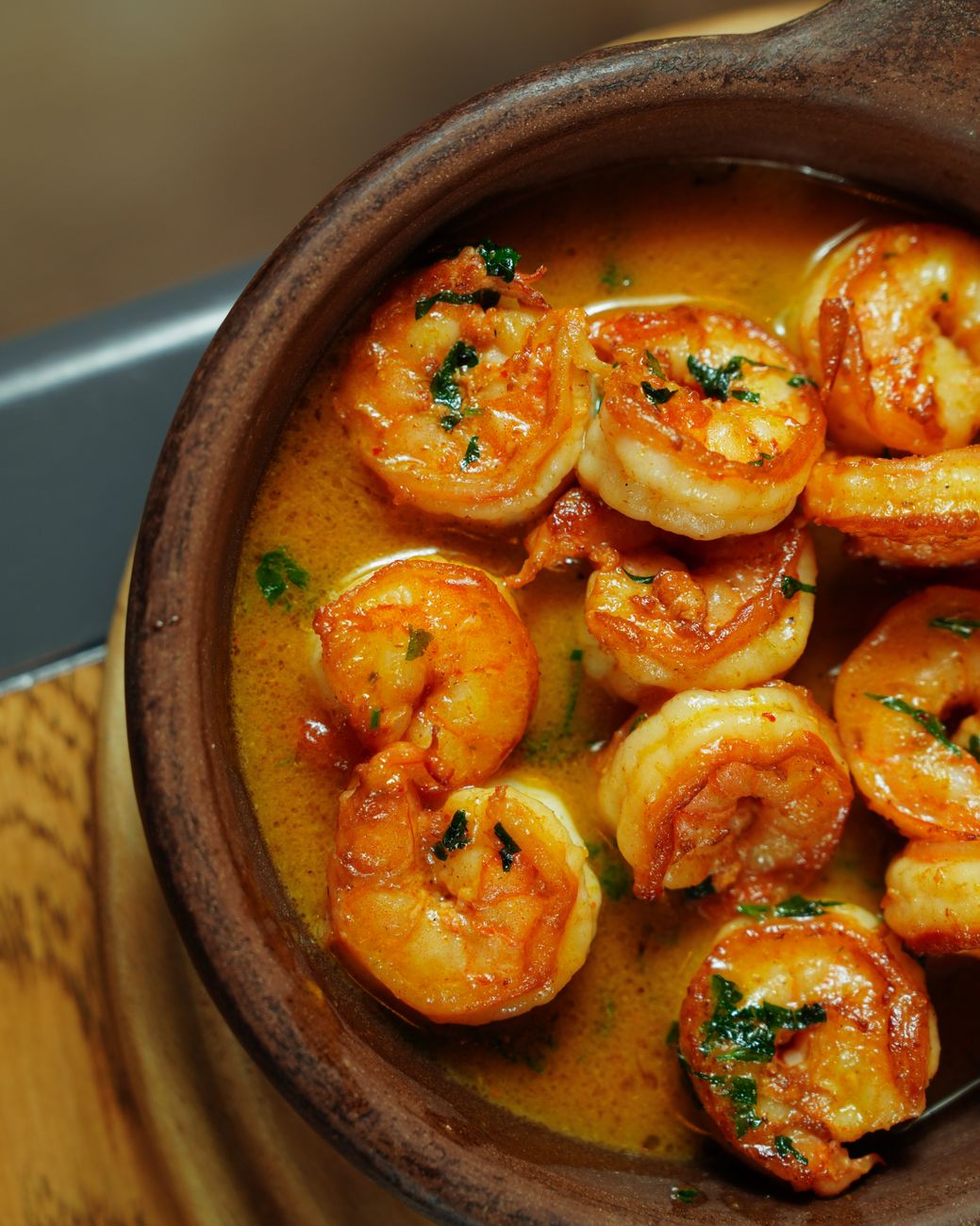
Jun 2, 2026Old Bay Butter Shrimp with Paprika and Cayenne
Tender shrimp bathed in a fragrant butter sauce that marries Old Bay's distinctive tang with the gentle warmth of paprika and just a whisper of cayenne. 18 min · 0 saves.
Bottle picks
Related hot sauce reviews.
Explore sauces with related ingredients, flavors, and heat levels.
Mike's Hot Honey Review
Sweet heat done right: sticky, quick, and versatile enough to become a finishing move instead of a novelty.
Best for gifting
Best for: Pizza and fried chicken
Skip if: Skip if you want a classic vinegar-forward table sauce with almost no sweetness.
Read review
Torchbearer Garlic Reaper Review
An extremely hot garlic-forward sauce that somehow keeps real flavor structure under all that reaper pressure.
Best for wings
Best for: Pizza and fried chicken
Skip if: Skip if the table is heat-shy or you mainly want an easy everyday pour.
Read review
Fly By Jing Sichuan Gold Review
A citrusy, tingly sauce with real peppercorn presence and enough versatility to move beyond dumplings.
Best for dumplings
Best for: Eggs and breakfast tacos
Skip if: Skip if you want a thick, smoky wing sauce more than a bright finishing bottle.
Read review
Go deeper
Background guides that build on this.
Keep reading
More on this subject.
If this post helped, these are the next pieces most likely to keep the thread going.
culture
Apr 20, 2026Five Spicy American Dishes Everyone's Obsessing Over Right Now
These five dishes prove that American spicy food has finally grown up—we're building heat that serves flavor, not ego. From the lacquered perfection of Nashville hot chicken to the rich complexity of birria tacos, here's what's got everyone reaching for seconds.

culture
Jun 15, 2026Four Middle Eastern Heat Styles That Should Be on Your Radar Right Now
From harissa's patient burn to zhug's bright herb-fire, these Middle Eastern heat styles teach us that the best spicy food builds complexity alongside warmth—and they'll change how your family thinks about heat.
culture
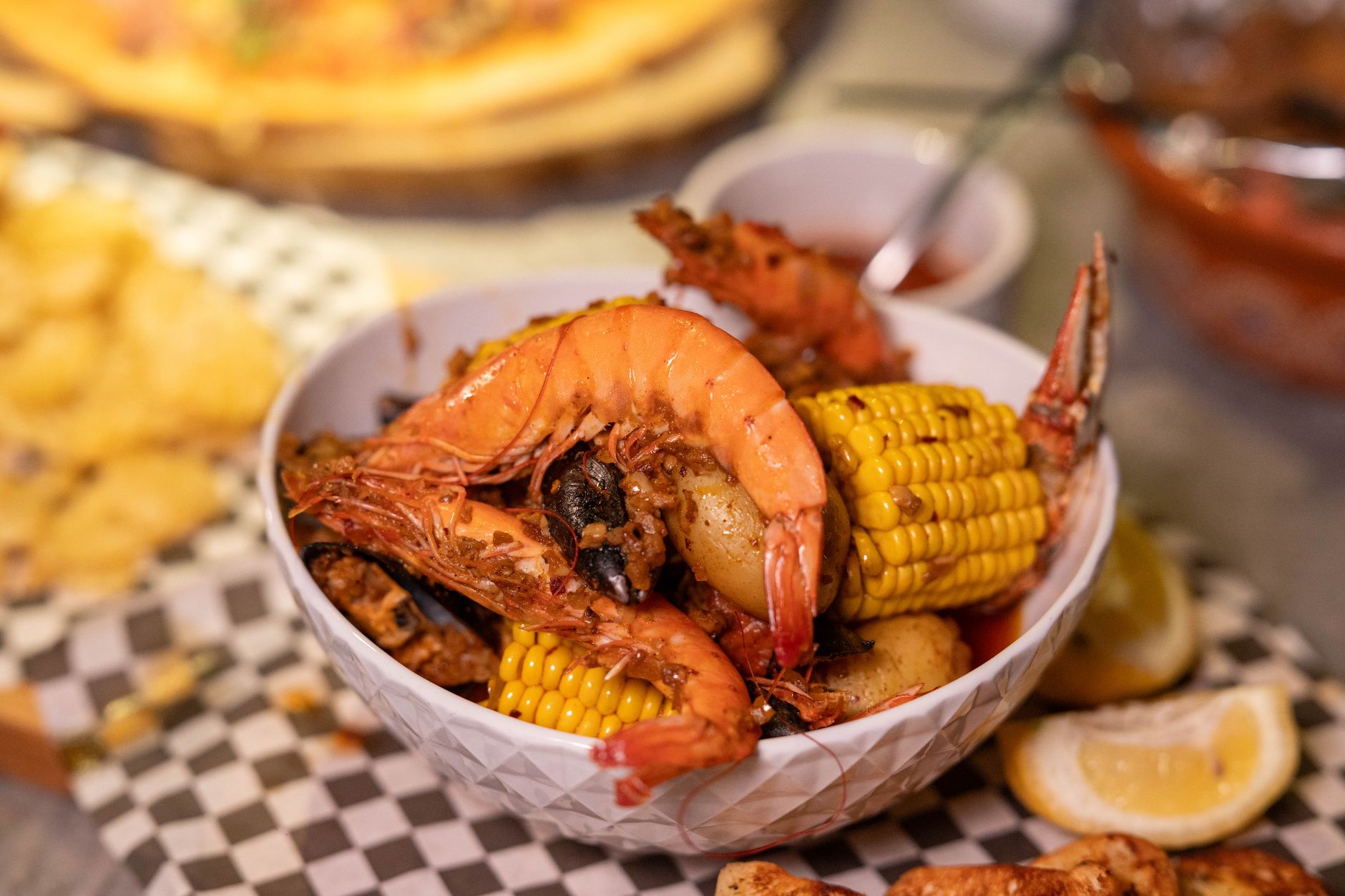
Jun 13, 2026Boudin, Crawfish Boils, and Cajun-Inspired Dishes
Boudin, crawfish boils, and Cajun-inspired dishes offer different textures and seasoning choices, from rice sausage to spiced seafood.
Comments
Reader discussion is shared across recipes, reviews, and editorial pieces.
Comments are read-only while member sign-in is paused.