science
Jollof Rice, Suya, and Pepper Soup: West African Seasonings
Jollof rice, suya, and pepper soup use peppers alongside peanuts, aromatics, and other seasonings. Compare what each ingredient contributes.
Share this
Pass it around
Send this page to a friend, copy the link, or save it to a Pinterest board.

Save for later
Pin this page
Save the image with a link back to this recipe, review, or article.
Jollof Rice, Suya, and Pepper Soup: West African Seasonings
Jollof rice and suya both build pepper heat gradually through a meal rather than delivering it all in one hit. The effect comes from pairing peppers with specific spices and cooking techniques that change how the heat is delivered course by course and bite by bite, not from any single ingredient.
The Pepper-Spice Matrix
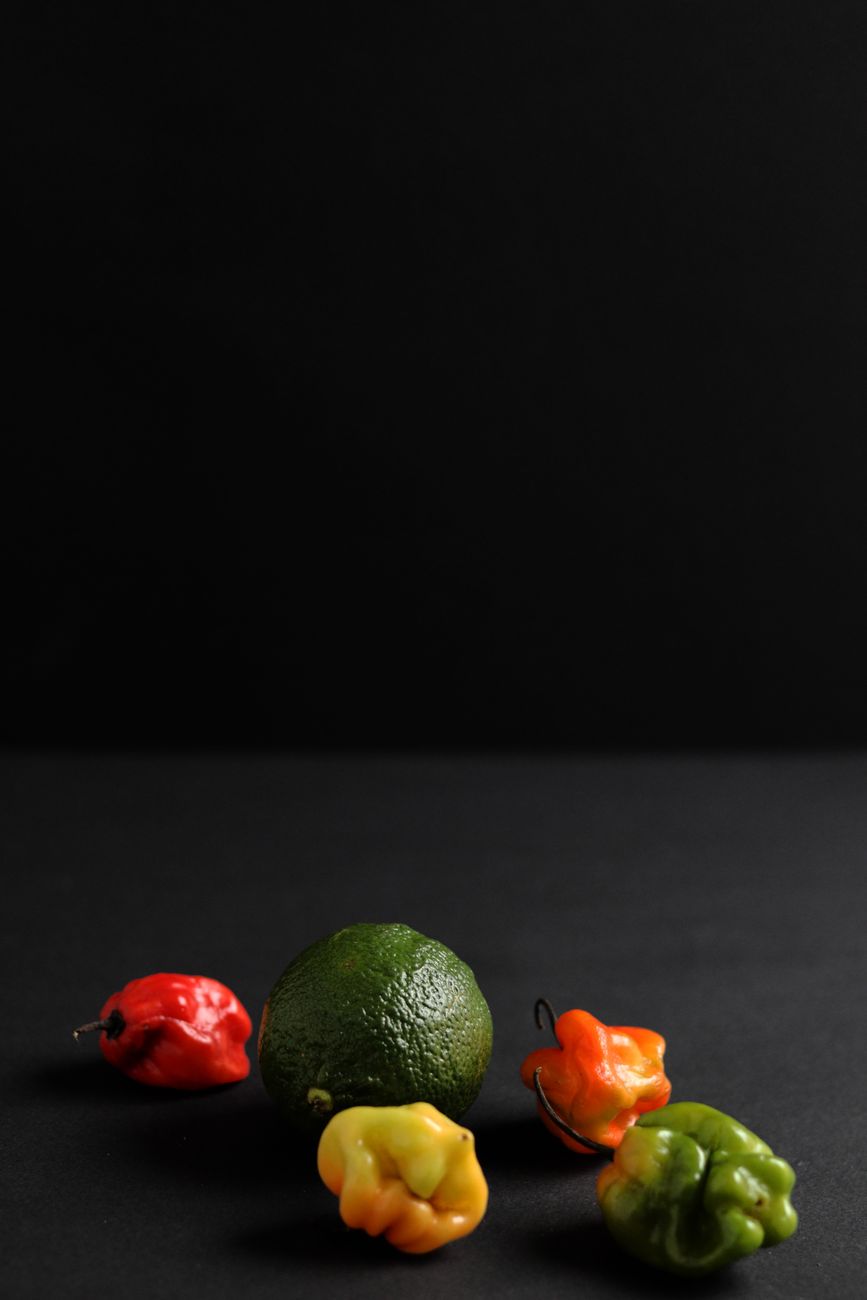
The foundation of West African heat usually starts with scotch bonnet or bird's eye chilies, with supporting spices shaping how that heat is experienced.
Ginger and scotch bonnet is a common pairing. Fresh ginger brings its own warmth alongside the pepper's heat, and the two read differently as you eat: the pepper is felt right away, while ginger's warmth lingers afterward.
Grains of paradise with bird's eye chilies draws on a native West African seed. It adds a cardamom-like warmth alongside the pepper's heat.
Calabash nutmeg and hot peppers pairs the pepper's burn with nutmeg's cooling, camphor-like notes, giving the dish some contrast rather than heat alone.
Jollof Rice: Heat That Builds Through Time
Jollof rice is a good example of layered heat. The dish begins with what Nigerian cooks call "burning the base"—cooking down peppers and tomatoes until they darken and concentrate into something almost jammy. This step builds a deeper, rounder flavor than raw pepper and tomato would give, and the heat that comes through is milder and more even than a fresh chile's bite.
Many cooks tuck whole scotch bonnets into the rice as it steams rather than blending them in. This means the heat isn't distributed evenly—some bites are milder, others sharper, depending on how close they sit to a whole pepper.
Bay leaves and thyme are worth keeping in the pot too. They add aromatic depth to the dish alongside the pepper and tomato base.
Suya Spice: A Dry Heat Formula
Suya spice takes a different approach. This Nigerian blend coats grilled meat in ground peanuts, ginger, garlic, and hot peppers.
The ground peanuts add nutty flavor and help the dry spice mix cling to the meat's surface, so the coating stays even across each piece instead of clumping in spots.
Dried ginger powder brings a drier, more concentrated warmth than fresh ginger does, which reads differently alongside the pepper heat as you chew.
Dried onion and garlic round out the blend's savory base and aroma alongside the peanuts and peppers.
Pepper Soup: Layered Heat in Broth
West African pepper soups are intensely hot yet stay drinkable, using combinations like uda seeds, ehuru, and hot peppers.
Uda seeds bring a tingling, warming sensation distinct from a straightforward chile burn. Paired with ehuru's eucalyptus-like notes, the broth carries a warmth that spreads through the mouth and throat gradually as you sip, rather than hitting all at once.
Leafy vegetables like bitter leaf or scent leaves add their own bitterness and aroma to the broth, giving the soup another layer of flavor alongside the pepper heat.
Building These Flavors at Home
You don't need exotic ingredients to apply this approach at home—the key is thinking about timing and layering rather than just adding more heat.
For jollof-style complexity, bloom your peppers and aromatics in oil first. Let them cook until fragrant and slightly darkened before adding your tomatoes and liquid.
For suya-style dry heat, toast whole spices before grinding them with your peppers so the ground blend clings evenly to whatever you're seasoning.
For pepper soup effects, add your hottest elements toward the end of cooking rather than at the start, so the broth doesn't lose its aromatics to a long simmer.
West African cooks have built these techniques—layering pepper heat with ginger, grains of paradise, nutmeg, uda seed, and other aromatics—over generations. They're worth learning from if you want heat that's part of a dish rather than the whole point of it.
Peppers featured in this post
Cook with this idea
Recipes to try next.
Put these ingredients and techniques to use in your next meal.
west_african · hot
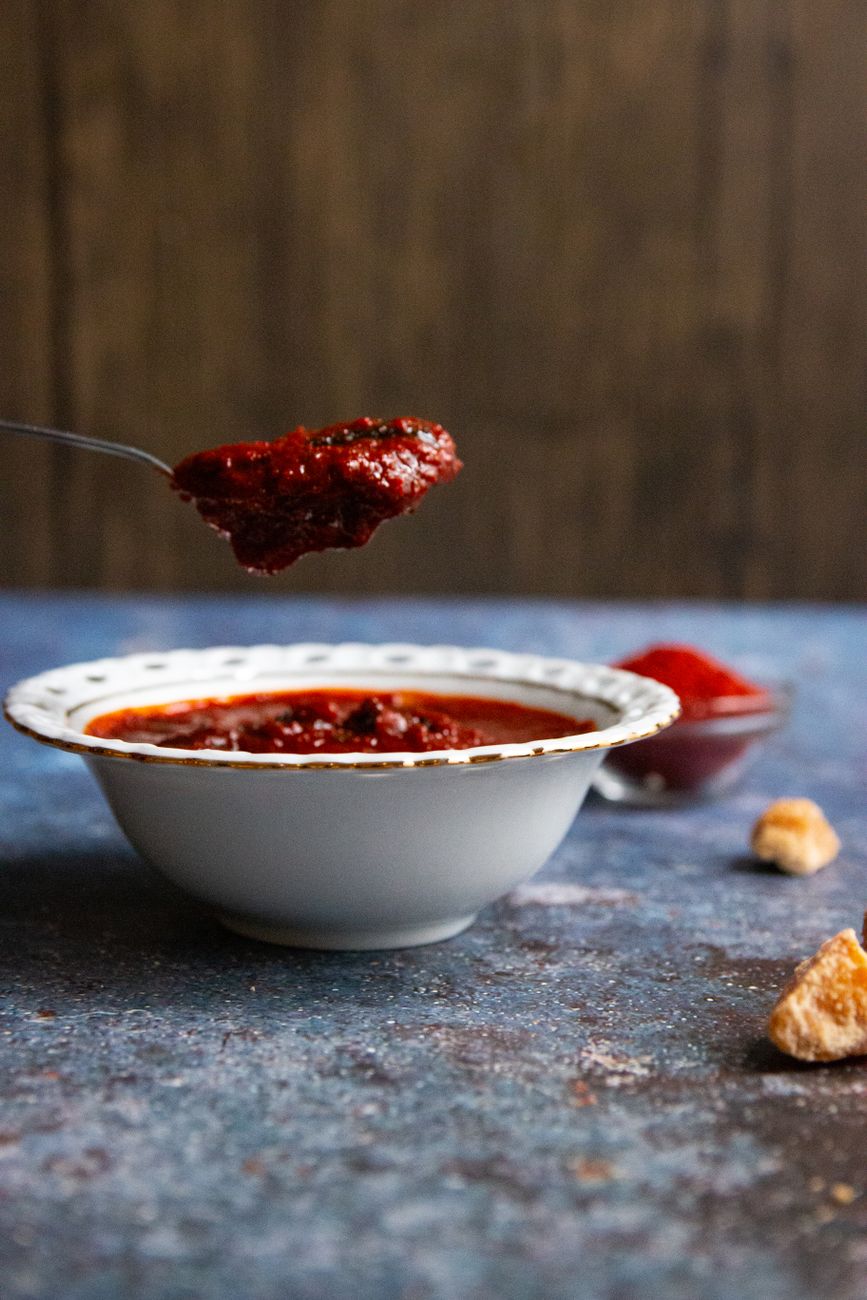
Apr 11, 2026Ghanaian Pepper Sauce (Shito) with Scotch Bonnet Heat
A fierce and smoky Ghanaian pepper sauce that brings genuine heat and depth to your table, made with scotch bonnet peppers, dried fish, and warm spices. 55 min · 0 saves.

west_african · hot
Apr 11, 2026Ghanaian Spicy Palm Nut Soup with Scotch Bonnets
A rich, fiery palm nut soup with tender goat meat and whole scotch bonnets that don't hide their heat. This traditional Ghanaian comfort food delivers exactly the kind of warming fire your family will remember. 115 min · 0 saves.

west_african · medium
May 21, 2026Grilled Senegalese Chicken with Yassa Marinade
Juicy chicken thighs swimming in a golden marinade of caramelized onions, bright mustard, and just enough chile heat to make you reach for seconds. 65 min · 0 saves.
Bottle picks
Related hot sauce reviews.
Explore sauces with related ingredients, flavors, and heat levels.
Yellowbird Habanero Hot Sauce Review
A bright, carrot-forward bottle with enough heat to stay lively and enough sweetness to stay versatile.
Best for tacos
Best for: Tacos and rice bowls
Skip if: Skip if you want a classic vinegar-forward table sauce with almost no sweetness.
Read review
Queen Majesty Scotch Bonnet and Ginger Review
A bright, elegant sauce that leans on fruit, ginger, and Scotch bonnet lift instead of brute force.
Best for seafood
Best for: Seafood and fish tacos
Skip if: Skip if you want a thick, smoky wing sauce more than a bright finishing bottle.
Read review
Fly By Jing Sichuan Gold Review
A citrusy, tingly sauce with real peppercorn presence and enough versatility to move beyond dumplings.
Best for dumplings
Best for: Eggs and breakfast tacos
Skip if: Skip if you want a thick, smoky wing sauce more than a bright finishing bottle.
Read review
Go deeper
Background guides that build on this.
Keep reading
More on this subject.
If this post helped, these are the next pieces most likely to keep the thread going.
science
Apr 15, 2026West African Peppers, Fermented Seasonings, and Aromatics
A closer look at peppers, grains of paradise, fermented seasonings, and the regional differences within West African cooking.

science
Jun 6, 2026Pepper Soup, Suya, and Ethiopian Berbere: Different African Seasonings
Compare West African pepper soup and suya with Ethiopian berbere preparations, keeping their different regional traditions in view.

science
Jun 14, 2026Filipino Cooking with Chili, Vinegar, and Coconut Milk
Explore the use of chili, vinegar, coconut milk, and fermented ingredients in Filipino dishes such as Bicol express and laing.
Comments
Reader discussion is shared across recipes, reviews, and editorial pieces.
Comments are read-only while member sign-in is paused.