
culture
Why Peruvian Spice Is Having Its Moment: Three Dishes That Show How Heat Works in Lima
From ají amarillo's golden fire to rocoto's sneaky burn, Peruvian kitchens understand heat like nowhere else. Here's why anticuchos, causa limeña, and ají de gallina should be on your table—and how their brilliant balance of spice and soul is winning over everyone from timid eaters to serious chile heads.
Share this
Pass it around
Send this page to a friend, copy the link, or save it to a Pinterest board.

Save for later
Pin this page
Save the image with a link back to this recipe, review, or article.
Why Peruvian Spice Is Having Its Moment: Three Dishes That Show How Heat Works in Lima
I've been thinking about what makes Peruvian food so irresistible, and I keep coming back to how brilliantly it handles heat. While Thai dishes announce their fire upfront and Mexican cooking builds complex chile symphonies, Peruvian kitchens do something entirely different—they weave native peppers so deeply into a dish's DNA that you can't imagine the food existing any other way.
The magic happens with Peru's indigenous chiles, especially ají amarillo and rocoto. These aren't just there to make your forehead sweat (though they will). They're carrying the actual flavor of the dish, bringing fruity depth and earthiness alongside their burn. Three traditional dishes are currently showing American dinner tables exactly why this approach works so beautifully.
Anticuchos: When Beef Heart Meets Ají Panca
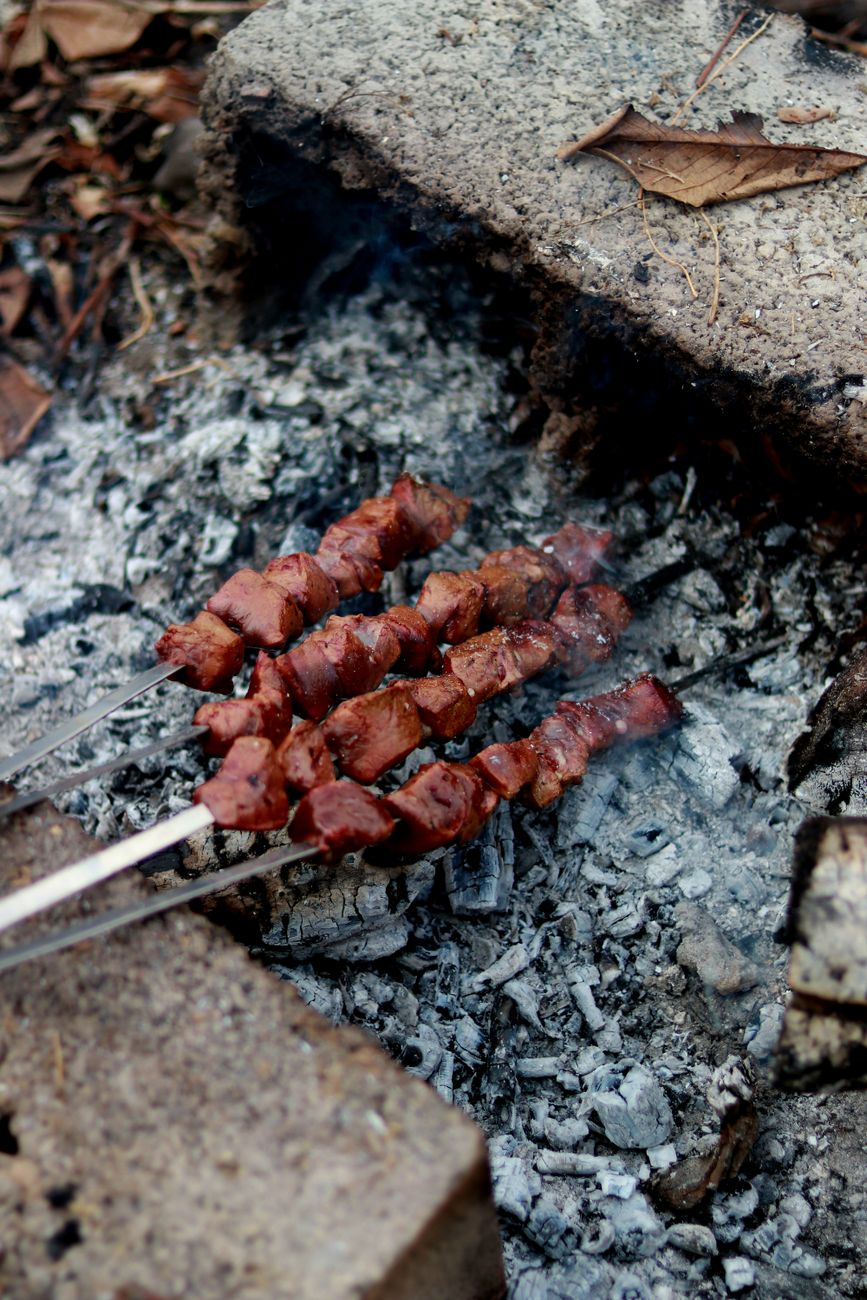
Let's talk about anticuchos, because if you haven't tried them yet, you're missing one of the world's great grilled foods. Yes, they're beef heart skewers, but before you wrinkle your nose, know that the real revelation here is what ají panca does to meat.
This dried red chile tastes like summer—smoky and sweet with notes that remind me of raisins and tobacco. The heat is there but never bullying, making it perfect for people who usually run from spicy food. When you blend ají panca with garlic, cumin, and vinegar into a paste, then let beef heart swim in it overnight, something magical happens.
The beef heart is seasoned with an ají panca marinade before grilling.
What gets me every time is how the charred bits play against the tender, spiced interior. And that ají panca burn? It's the kind that makes you reach for another skewer before you've finished chewing. No wonder Peruvian spots are serving these as bar snacks—they're perfect for sharing and that gradual heat keeps you coming back for more.
Causa Limeña: Cold Comfort with Golden Fire
Causa limeña might be the cleverest dish in Peru's playbook. Here's cold food that delivers serious heat, proving that Peruvian cooks understand temperature as well as they understand spice.
The star ingredient is ají amarillo, that gorgeous golden chile that runs through Peruvian cooking like a bright thread. When you mash it into yellow potatoes with lime juice and oil, the mixture turns this beautiful sunset orange that practically glows on the plate.
But ají amarillo isn't just pretty—it brings this incredibly unique burn that starts fruity and floral, then builds to substantial heat without punishing you. In causa, layered between fillings like chicken salad or avocado, it creates this wonderful confusion for your palate.
Your mouth expects that cold, creamy potato to be soothing. Instead, you get waves of golden fire that somehow feel both cooling and warming at once. It's the kind of surprise that keeps you going back with your fork, trying to decode exactly what's happening. The lime brightens everything while the potato provides a starchy canvas for all that chile complexity.
This is dinner party food that doesn't require any explanation—it's elegant enough to impress but interesting enough to convert anyone who thinks they don't like spicy food.
Ají de Gallina: Comfort Food with Serious Depth
Don't let the comfort-food appearance of ají de gallina fool you. This creamy chicken stew might look like something your grandmother would make, but it packs layers of heat that unfold like a good wine.
The genius is in the sauce base: bread soaked in milk, then blended with ají amarillo paste, ground walnuts, and parmesan cheese. Sounds simple, but the interplay between these ingredients creates something extraordinary. The dairy and nuts provide richness that both carries and cushions the chile heat, while the cheese adds depth that makes everything taste more itself.
When shredded chicken gets folded into this golden mixture and spooned over rice, you get:
- That immediate creaminess that draws you in
- Fruity ají amarillo heat that builds with each bite
- Nutty richness that carries the spice beautifully
- A clean finish that leaves you wanting another forkful
What I love about ají de gallina is how it works for everyone at the table. Cautious eaters see familiar comfort food and dive in, while spice enthusiasts appreciate the sophisticated burn that develops as they eat. It's welcoming and complex at once—very much the Peruvian way.
Why This Moment Belongs to Peru
These dishes represent something larger happening with how Americans think about spicy food. We're moving past those punishing heat challenges toward something more nuanced—chiles that enhance rather than assault, heat that adds complexity rather than just fire.
Peruvian cuisine delivers exactly what our palates are ready for. These aren't chiles trying to prove how tough they are. They're ingredients that make everything taste more interesting, more layered, more alive. The heat serves the food, not the other way around.
There's practical appeal too. These dishes photograph beautifully (causa's cross-section is particularly stunning), they're perfect for sharing, and they translate well to home cooking. As more people discover that Peruvian spice offers sophistication without punishment, it makes sense that these flavors are spreading.
Peruvian cooking has always been about balance—indigenous ingredients meeting Spanish techniques, coastal and mountain traditions finding common ground. That same balance shows up in how these kitchens handle heat. The chiles aren't there to show off. They're there to make the food irresistible.
If you haven't explored Peruvian spice yet, any of these three dishes will show you exactly why this approach to heat feels so fresh—and why it's likely to keep winning over dinner tables across America.
Peppers featured in this post
Cook with this idea
Recipes to try next.
Put these ingredients and techniques to use in your next meal.

peruvian · medium
May 17, 2026Aji Amarillo Chicken and Rice Bowl with Cilantro-Lime Crema
Tender chicken pieces bathed in Peru's beloved aji amarillo pepper sauce, nestled over fragrant cilantro rice with cooling lime crema and tangy pickled onions. 60 min · 0 saves.

peruvian · medium
May 3, 2026Ají Amarillo Glazed Chicken Wings
Crispy baked chicken wings coated in a vibrant ají amarillo glaze that delivers Peru's signature fruity heat with hints of garlic and lime. 65 min · 0 saves.
peruvian · hot
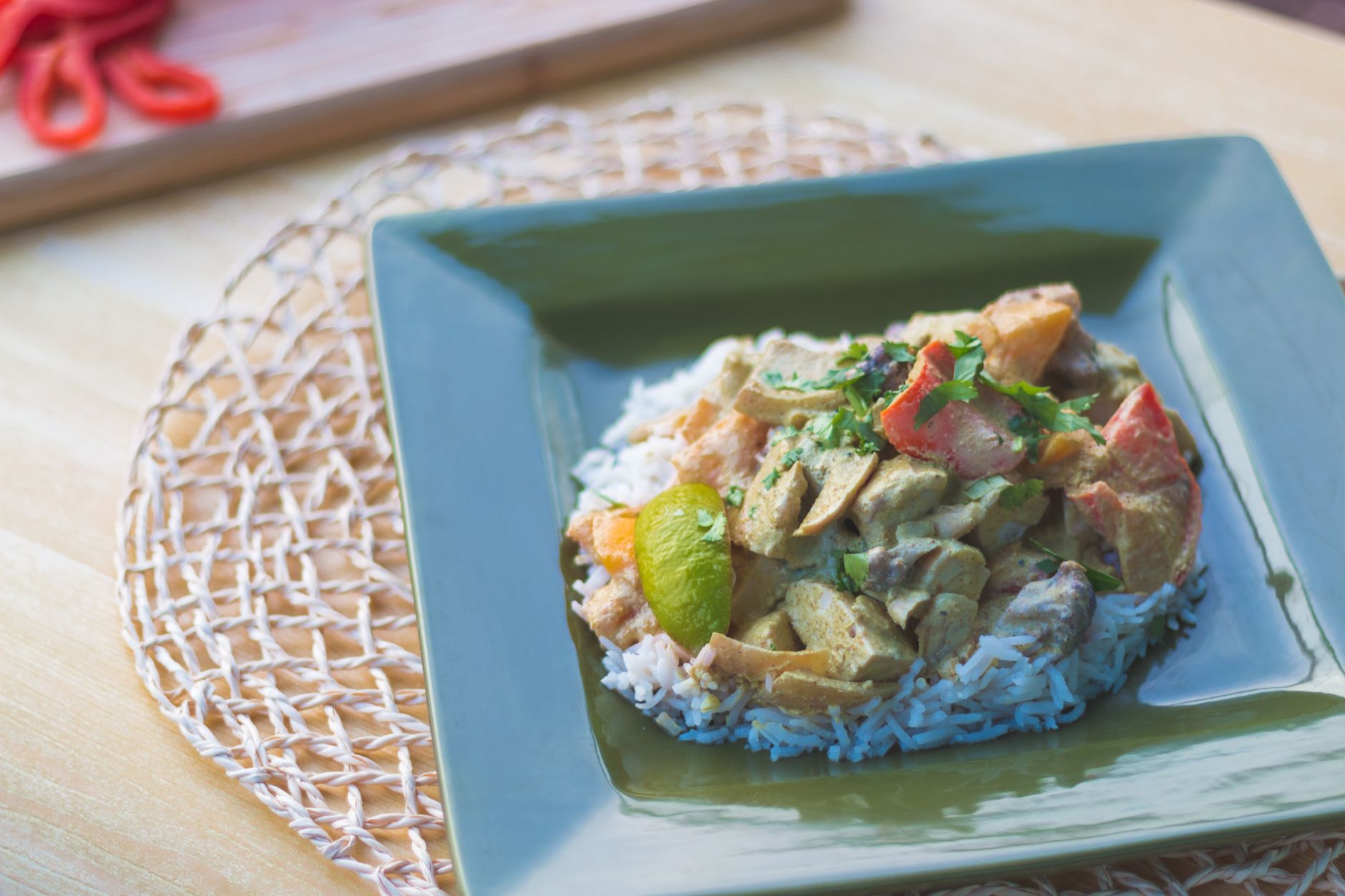
May 24, 2026Arroz con Pollo Norcino - Peruvian Cilantro Rice Bowl with Ají Amarillo Heat
This vibrant Peruvian rice bowl brings together emerald cilantro rice and tender chicken bathed in a blazing ají amarillo sauce, crowned with cooling queso fresco and tangy pickled onions. 70 min · 0 saves.
Bottle picks
Related hot sauce reviews.
Explore sauces with related ingredients, flavors, and heat levels.
Mike's Hot Honey Review
Sweet heat done right: sticky, quick, and versatile enough to become a finishing move instead of a novelty.
Best for gifting
Best for: Pizza and fried chicken
Skip if: Skip if you want a classic vinegar-forward table sauce with almost no sweetness.
Read review
Heatonist Los Calientes Rojo Review
Heatonist Los Calientes Rojo: flavor notes, heat level, and suggested food pairings.
Best for tacos
Best for: Tacos and rice bowls
Skip if: Skip if you are chasing a novelty-level heat hit or a super-special-occasion bottle.
Read review
Yellowbird Habanero Hot Sauce Review
A bright, carrot-forward bottle with enough heat to stay lively and enough sweetness to stay versatile.
Best for tacos
Best for: Tacos and rice bowls
Skip if: Skip if you want a classic vinegar-forward table sauce with almost no sweetness.
Read review
Go deeper
Background guides that build on this.
Keep reading
More on this subject.
If this post helped, these are the next pieces most likely to keep the thread going.
culture
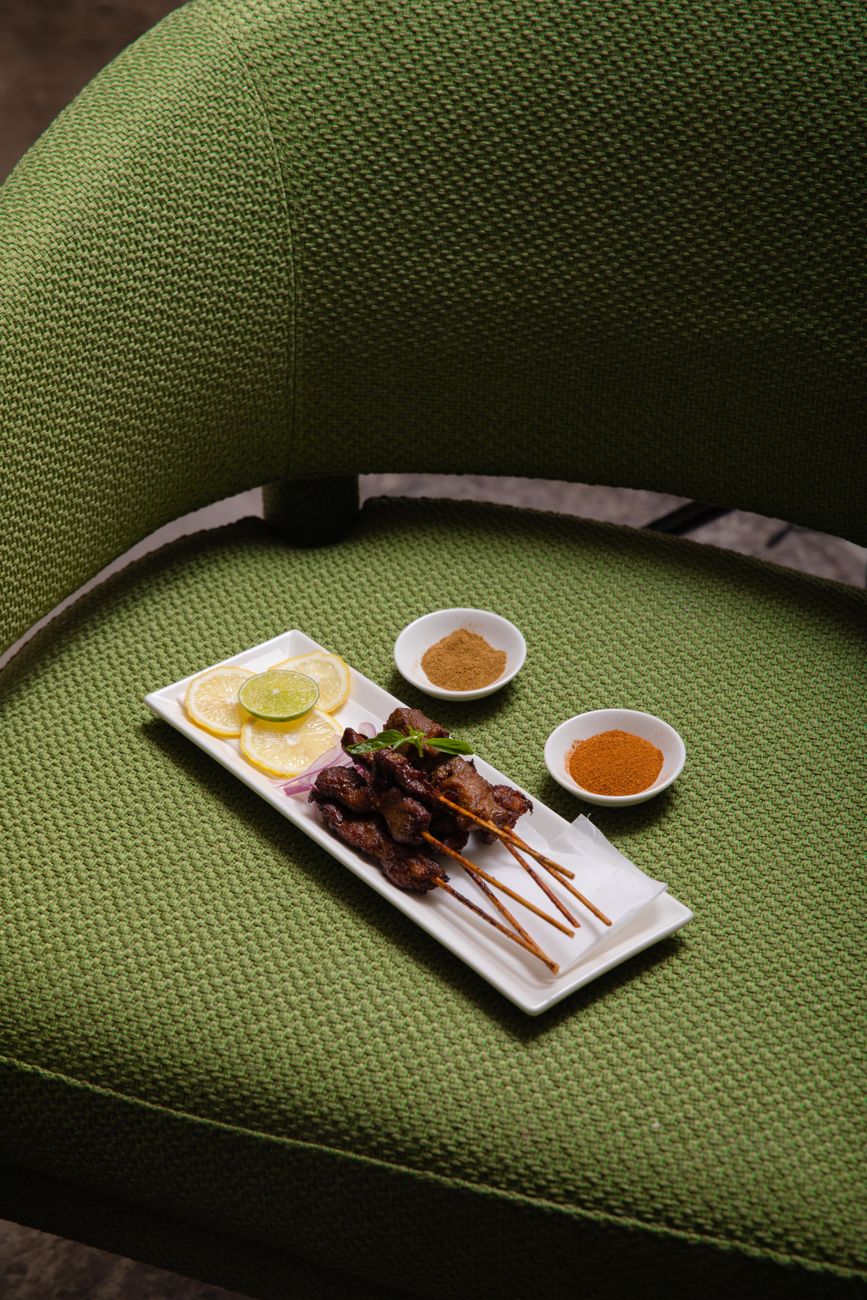
Jun 9, 2026Peru's Spicy Soul Food: Why These Heat-Driven Dishes Are Taking Over Tables
From ají amarillo-spiked anticuchos to rocoto-stuffed peppers, Peru's most craveable spicy dishes offer complex heat that goes far beyond the burn. Here's what makes them so addictive and why they deserve a spot at your table.
culture
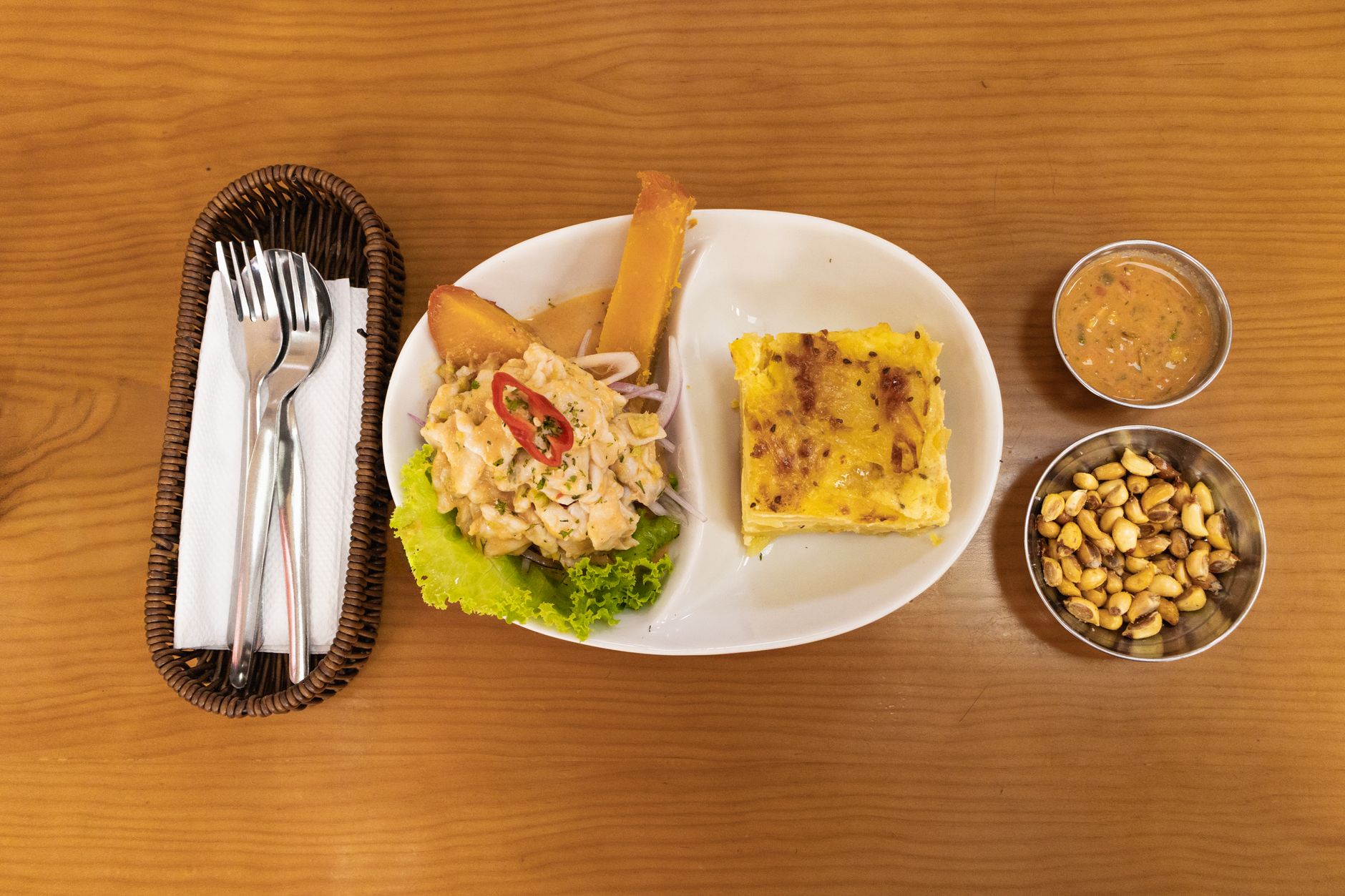
May 20, 2026Cooking with Ají Amarillo, Rocoto, and Ají Panca
Compare ají amarillo, rocoto, and ají panca, including their textures and the dishes that put their different flavors to use.

culture
Apr 26, 2026The Peruvian Heat Wave: Why These Three Spicy Dish Styles Are Taking Over
From ají amarillo-laden tiraditos to smoky anticuchos straight off the grill, Peru's most soul-stirring spicy dishes are finally getting their due. Here's why these three styles deserve a spot at your table.
Comments
Reader discussion is shared across recipes, reviews, and editorial pieces.
Comments are read-only while member sign-in is paused.