
culture
Four Middle Eastern Heat Styles That Should Be on Your Radar Right Now
From harissa's patient burn to zhug's bright herb-fire, these Middle Eastern heat styles teach us that the best spicy food builds complexity alongside warmth—and they'll change how your family thinks about heat.

Share this
Pass it around
Send this page to a friend, copy the link, or save it to a Pinterest board.

Save for later
Pin this page
Save the image with a link back to this recipe, review, or article.
Here's what I love about Middle Eastern approaches to heat: they never make you choose between flavor and fire. While we've been chasing the next scorching pepper or viral hot sauce, Middle Eastern cooks have spent centuries perfecting heat that actually makes you want more of whatever you're eating.
These aren't the attention-seeking spices that clear your sinuses and call it a day. They're the ones that make your aunt ask what you did differently to the chicken, or turn a Tuesday night dinner into something worth talking about. If you've been stuck in the same spice rut, these four styles will shake things up without sending anyone running for the milk.
Harissa: The Patient Burn That Rewards You
Harissa doesn't show off—it just quietly takes over your palate until you realize you've been scraping every last bit from the jar. This North African paste builds its heat around dried chilies, but the real magic happens with the supporting cast: garlic, caraway, coriander, and cumin that create layers underneath the fire.
The beauty here is in the build. Good harissa starts earthy and warm, then slowly turns up the heat until you're reaching for another bite to figure out exactly what's happening. Tunisian versions tend to pack more punch than Moroccan ones, but even the gentler blends carry enough backbone to announce themselves.
What makes harissa invaluable in my kitchen is how it works double duty. Stir it into vegetables before roasting, and you've got a side dish that steals the show. Thin it with olive oil for a drizzle that turns plain grilled fish into something your neighbors will smell and envy. It's the difference between cooking and actually cooking, if you know what I mean.
Zhug: Yemen's Wake-Up Call in a Jar
If harissa is the slow seduction, zhug is the friend who shows up with energy drinks and good stories. This Yemeni sauce builds its fire around fresh green chilies—usually serranos or jalapeños—but tempers them with cilantro, parsley, garlic, and enough cardamom to keep things interesting.
The genius of zhug is how it plays both sides. Those fresh herbs cool things down just as the chilies heat them up, while the cardamom adds this floral note that makes you pause and wonder what exactly you're tasting. It's spicy food for people who actually want to taste their food.
Texture matters here more than you might think. Real zhug has this slightly chunky consistency that lets it cling to whatever you're eating without sliding off or overwhelming the plate. It's particularly brilliant with grilled meats and roasted vegetables—anywhere you want heat that sticks around but doesn't take over the conversation.
Most recipes balance hot and mild peppers, which gives you room to adjust without losing the essential character. If your family leans cautious on heat, start with more mild peppers, but don't skip the hot ones entirely—they provide the backbone that makes zhug more than just expensive herb oil.
Aleppo Pepper: The Syrian Secret That Changes Everything
Sometimes the best discoveries are the simplest ones. Aleppo pepper is just ground Syrian chilies, but it brings this perfect combination of moderate heat, fruity sweetness, and subtle smoke that makes you wonder why you ever bothered with regular paprika.
Chili flakes vary in heat. Start with a small amount and adjust to your preference.
What sets Aleppo pepper apart is this almost raisin-like sweetness that emerges as the warmth builds, plus a smokiness that suggests someone actually cared about how these peppers were dried. It's the kind of flavor that integrates seamlessly while still making its presence felt.
Here's the thing: you can sprinkle Aleppo pepper on almost anything and make it better. Pizza, eggs, salads, roasted vegetables—it transforms ordinary dishes without requiring you to change anything else about how you cook.
Za'atar Blends with Heat: When Classic Gets an Edge
Traditional za'atar doesn't need fixing—that blend of dried herbs, sesame seeds, and sumac is already perfect. But when contemporary blenders started adding Aleppo pepper or other mild chilies to the mix, they created something new: a complete seasoning system that brings warmth along with all those classic tangy, herbal flavors.
These spiced za'atar blends are particularly brilliant for busy home cooks because they do all the work for you. The herbs provide earthiness, the sumac adds that essential tartness, the sesame seeds contribute richness, and the chilies tie everything together with just enough heat to keep things interesting.
The key elements that make spicy za'atar work:
- Dried thyme or oregano for that herbal foundation
- Sumac for tartness and that gorgeous red color
- Sesame seeds for texture and richness
- Aleppo pepper or similar mild chilies for warmth
- Salt to marry all the flavors
Unlike one-trick hot seasonings, spicy za'atar brings multiple flavors that actually complement each other. This makes it perfect for simple preparations—good olive oil and spicy za'atar can transform plain bread, basic roasted vegetables, or simple grilled chicken into something that tastes like you planned it all week.
Why These Heat Styles Actually Work at Your Table
What I appreciate most about these Middle Eastern approaches is how they understand that heat works best when it's part of a larger conversation. None of these styles rely on burn alone to create interest—they use warmth as one voice in a more complex chorus.
This makes them particularly practical for real home cooking, where you're often trying to please different heat tolerances around the same table. They provide enough warmth to satisfy the spice lovers without alienating family members who prefer things on the milder side.
You can incorporate any of these into dishes you already make, using techniques you already know. They're not asking you to revolutionize your cooking—just to add some complexity to what you're already doing. And in my experience, that's exactly how the best cooking discoveries happen: not with drama, but with the quiet realization that dinner just got a whole lot more interesting.
Peppers featured in this post
Cook with this idea
Recipes to try next.
Put these ingredients and techniques to use in your next meal.
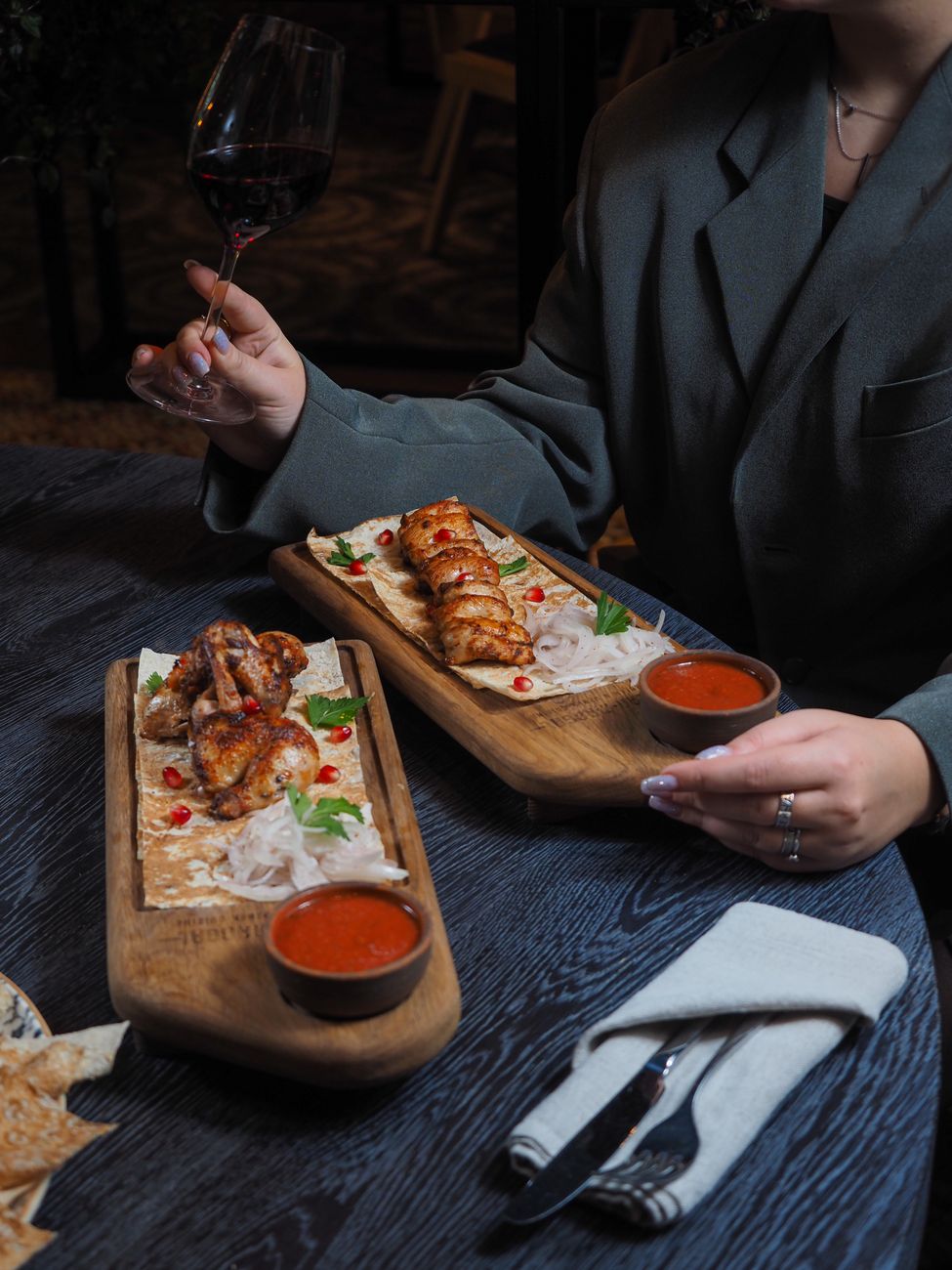
middle_eastern · inferno
Jun 15, 2026Scorpion Harissa Wings with Pomegranate Glaze
Middle Eastern-spiced chicken wings with an extreme heat harissa marinade featuring Trinidad Scorpion peppers and a tangy pomegranate molasses glaze. 70 min · 0 saves.
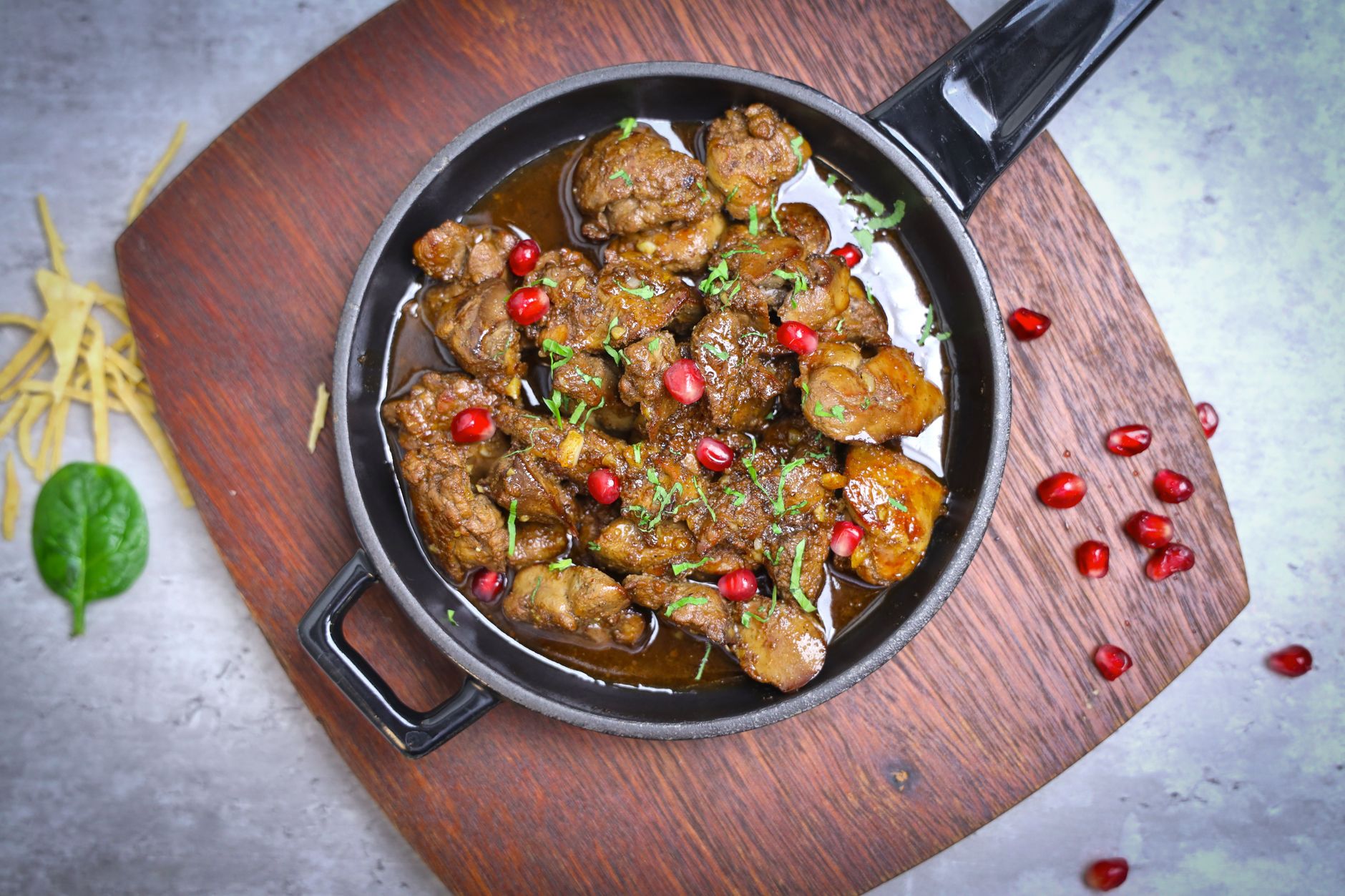
middle_eastern · inferno
Jun 6, 2026Scorpion Pepper Fesenjan (Persian Pomegranate Walnut Stew)
A treasured Persian fesenjan recipe that pushes the boundaries with Trinidad Scorpion peppers. This rich, glossy stew weaves together ground walnuts and tart pomegranate molasses with chicken that falls apart at the touch of a fork—all while delivering heat that will test even the most dedicated spice lovers. 115 min · 0 saves.
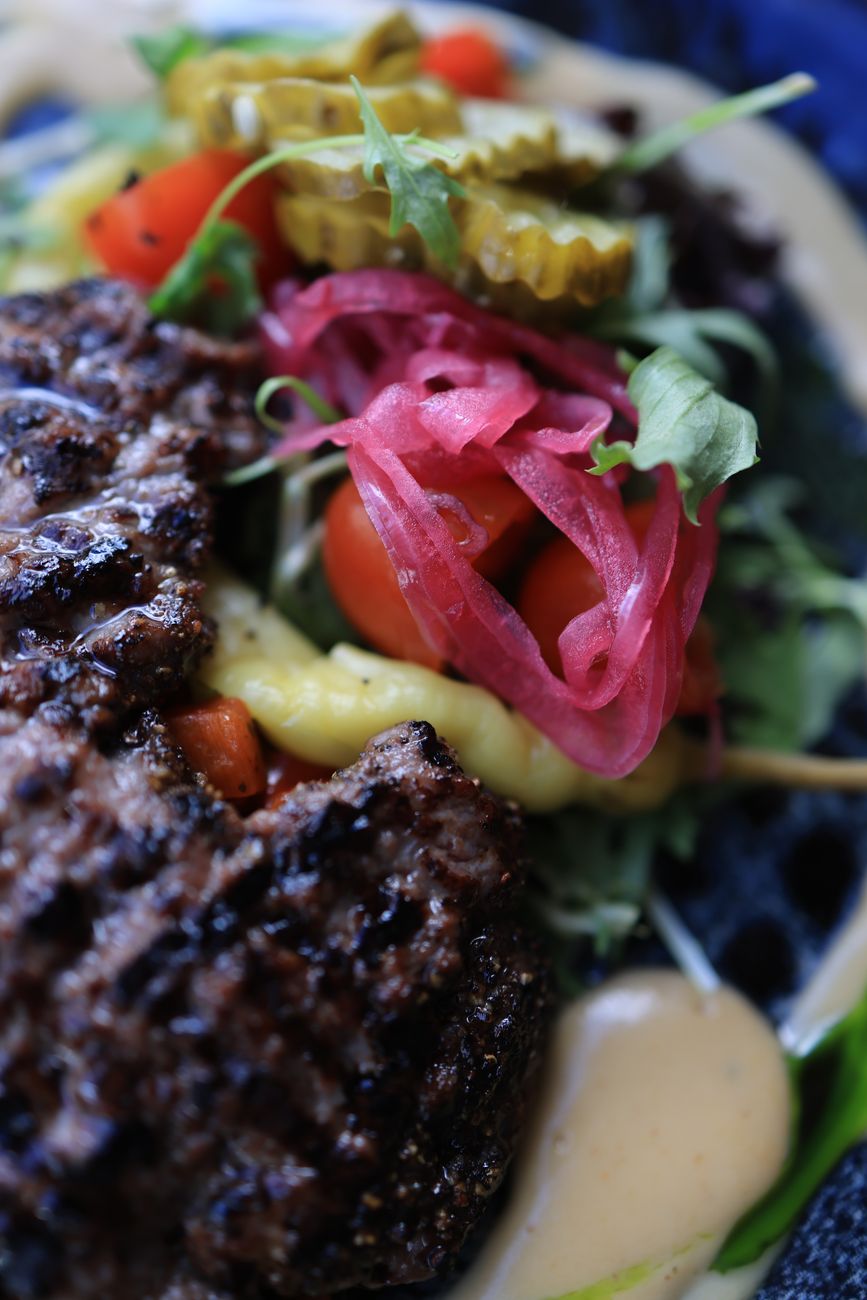
middle_eastern · inferno
May 15, 2026Trinidad Moruga Lamb Shawarma Burger with Fire Harissa Mayo
A soul-warming Middle Eastern lamb burger that brings serious fire to the family table, with traditional shawarma spices amplified by Trinidad Moruga scorpion pepper and a cooling yogurt sauce for those brave enough to dive in. 60 min · 0 saves.
Bottle picks
Related hot sauce reviews.
Explore sauces with related ingredients, flavors, and heat levels.
Fly By Jing Sichuan Gold Review
A citrusy, tingly sauce with real peppercorn presence and enough versatility to move beyond dumplings.
Best for dumplings
Best for: Eggs and breakfast tacos
Skip if: Skip if you want a thick, smoky wing sauce more than a bright finishing bottle.
Read review
Mike's Hot Honey Review
Sweet heat done right: sticky, quick, and versatile enough to become a finishing move instead of a novelty.
Best for gifting
Best for: Pizza and fried chicken
Skip if: Skip if you want a classic vinegar-forward table sauce with almost no sweetness.
Read review
Heatonist Los Calientes Rojo Review
Heatonist Los Calientes Rojo: flavor notes, heat level, and suggested food pairings.
Best for tacos
Best for: Tacos and rice bowls
Skip if: Skip if you are chasing a novelty-level heat hit or a super-special-occasion bottle.
Read review
Go deeper
Background guides that build on this.
Keep reading
More on this subject.
If this post helped, these are the next pieces most likely to keep the thread going.
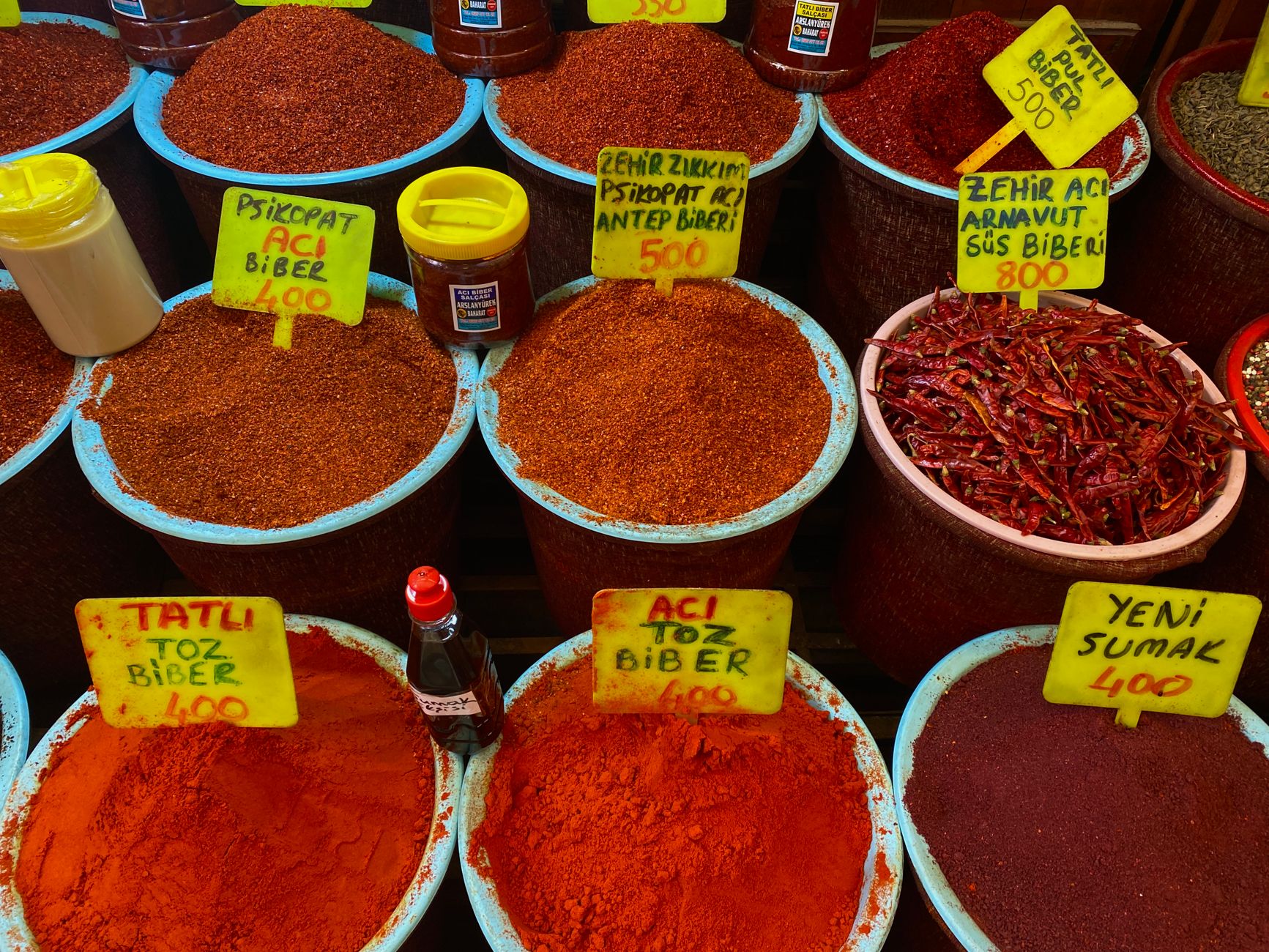
culture
May 28, 2026Harissa, Urfa Biber, and Levantine Spice Blends
Get to know North African harissa, Turkish dried peppers, and Levantine chili condiments, with clear distinctions between traditions.
culture
May 19, 2026Beyond Harissa: Middle Eastern Spice Heat That's Capturing Home Kitchens
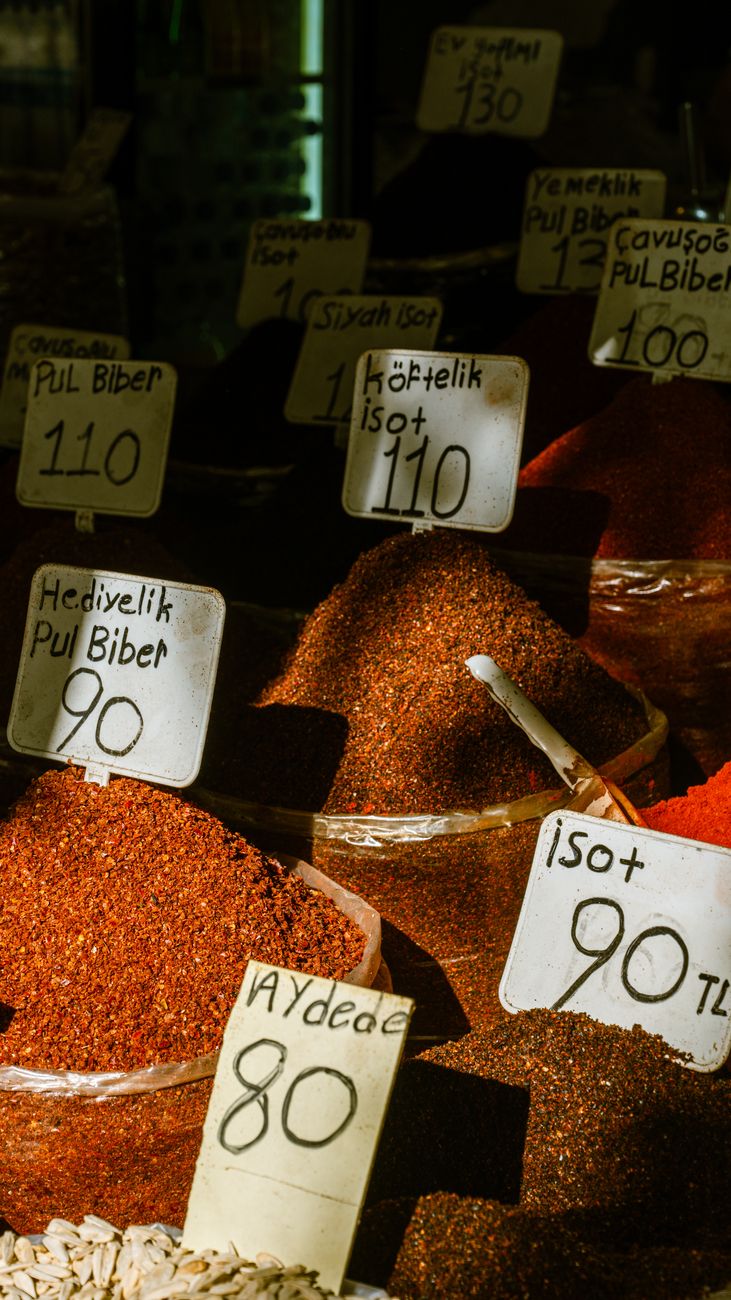
From Turkish pul biber to Palestinian zhug, discover the complex spicy flavors of Middle Eastern cooking that go far beyond the harissa most home cooks know—these are the heat sources that will change how you think about spice.
culture
May 17, 2026Beyond Harissa: The Middle Eastern Spice Pastes Heating Up American Kitchens
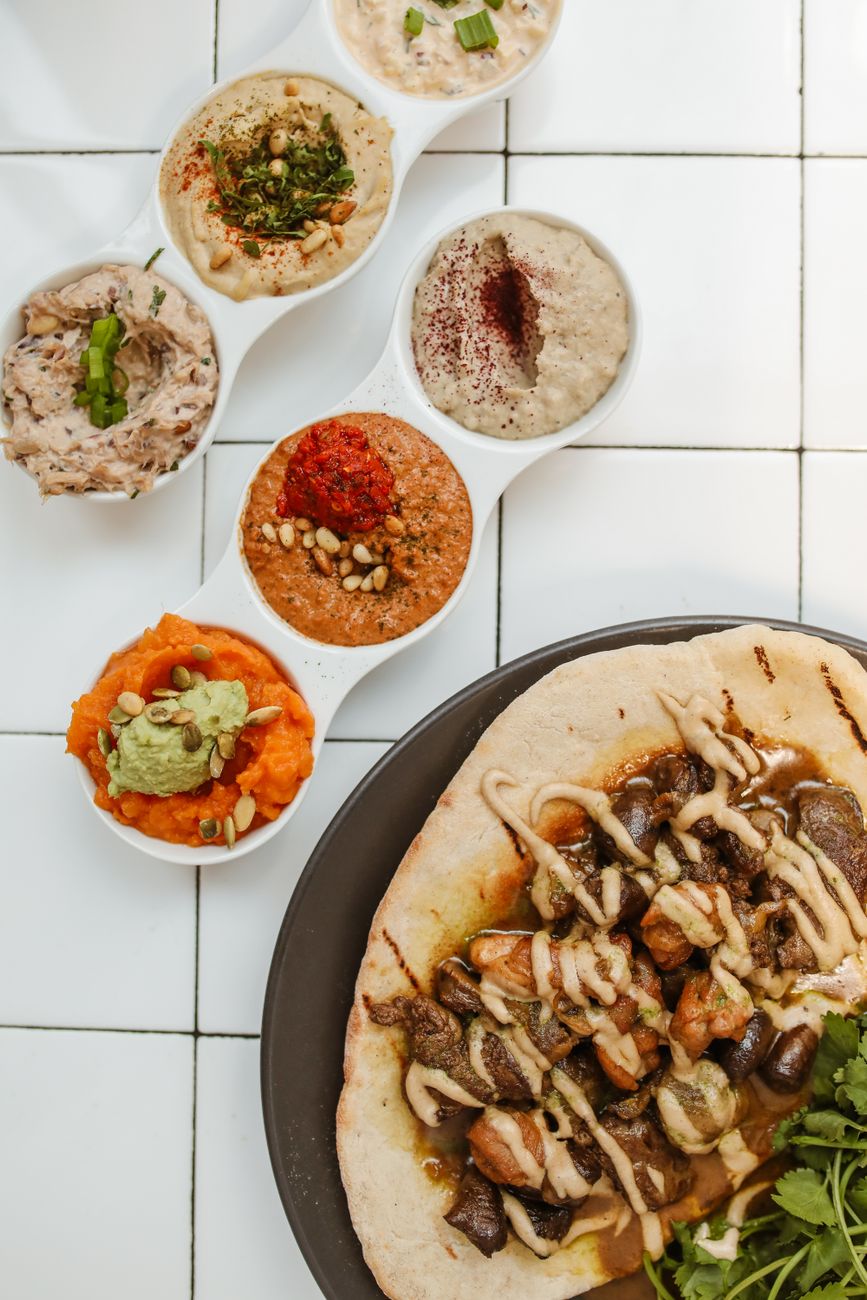
From Syrian muhammara to Turkish acuka, discover the complex spice pastes that are transforming how home cooks approach Middle Eastern heat and flavor.
Comments
Reader discussion is shared across recipes, reviews, and editorial pieces.
Comments are read-only while member sign-in is paused.