
culture
The Fiery Side of Vietnamese Comfort: Spicy Dishes That Define a New Generation
There's a whole world of Vietnamese cooking that goes way beyond pho—dishes that'll warm you from the inside out. From the imperial heat of bún bò Huế to the communal fire of spicy hot pot, these are the comfort foods that Vietnamese families have been passing down for generations.

Share this
Pass it around
Send this page to a friend, copy the link, or save it to a Pinterest board.

Save for later
Pin this page
Save the image with a link back to this recipe, review, or article.
Vietnamese cuisine has always had a way with heat that's worth paying attention to. While most of us discovered Vietnamese food through gentle pho and fresh spring rolls, there's this whole other side—the dishes that Vietnamese families turn to when they want something that'll really warm them up. These aren't gimmicky burn-your-tongue challenges. They're the kind of spicy comfort food that makes you understand why people get so passionate about regional cooking.
What's exciting right now is that Vietnamese restaurants are finally brave enough to put these dishes on their menus for American diners. And people are discovering something wonderful: Vietnamese heat isn't about punishing your palate. It's about building layers of warmth that make every other flavor in the bowl sing louder.
The Imperial Fire: Why Bún Bò Huế Matters
Bún bò Huế is everything I love about Vietnamese spicy cooking rolled into one bowl. This noodle soup from the old imperial city of Huế doesn't mess around—it hits you with heat from every direction. Dried chilies ground right into the broth base. Fresh bird's eye chilies scattered on top like little flavor bombs. And that gorgeous chili oil that pools on the surface like liquid sunset.
But here's what gets me excited about this dish: the heat isn't just heat. It's carrying flavor. The soup base marries beef and pork bones with lemongrass, so you're getting this broth that's both rich and bright. Those dried chilies? They're adding earthy depth, not just fire. The smart cooks use a blend of different dried varieties, building heat that creeps up on you and then sticks around.
The noodles matter here too. These are thick, substantial rice noodles (bún) that can handle all that intensity without falling apart. You couldn't pull this off with delicate pho noodles. The garnishes—banana blossom, herbs, lime, plus more fresh chilies for the brave—they're not just decoration. They're your flavor-balancing toolkit.
When you see bún bò Huế on a menu, know that even the "mild" version is going to have some real heat. And that's exactly as it should be. Taming this dish too much is like turning down a symphony.
Hot Pot Heaven: When Vietnamese Families Turn Up the Heat
Vietnamese hot pot culture is having a moment, and the spicy versions are leading the charge. Lẩu Thái is probably your best entry point—it's Vietnamese hot pot with Thai influences that builds heat through both the bubbling broth and whatever sauces you're brave enough to mix up.
The broth alone is worth the price of admission: tomatoes, pineapple, tamarind, and chilies cooking down into something that tastes like the world's best sweet and sour soup decided to pack some serious heat. The fruit keeps things from getting too aggressive, while the tamarind adds this tartness that makes you keep reaching for more.
What I really love about Vietnamese hot pot is how much control you get:
- Broth intensity: Most places let you pick your spice level for the base
- Sauce construction: The DIY sauce station is where you can really customize your heat
- Fresh chili additions: Sliced chilies, chili oil, chili-garlic sauce—it's all there for the taking
- Protein choices: Go for the marinated beef or chili-rubbed seafood if you're feeling bold
Once you're comfortable with lẩu Thái, start exploring the regional styles. Lẩu mắm from the Mekong Delta brings fermented fish sauce and dried chilies for something intensely savory and spicy. Northern-style goat hot pot (lẩu dê) uses fresh chilies and aromatic herbs for the kind of warming heat that makes perfect sense on a cold night.
The Sleeper Hit: Bún Riêu's Sneaky Fire
Bún riêu might be the most underestimated dish in Vietnamese cooking. This crab and tomato noodle soup looks innocent enough, but the spicy versions can absolutely wreck you in the best possible way. We're talking heat levels that could go toe-to-toe with any Thai curry.
The magic starts with fresh crab paste and tomatoes, often boosted with dried shrimp for extra umami punch. Then come the chilies—dried ones in the broth, fresh ones as garnish. What you get is this immediate hit of heat followed by these deep, savory waves that keep rolling.
The genius of bún riêu is how everything works together. Fresh herbs like cilantro and Vietnamese coriander (rau răm) cool things down, lime juice brightens the whole experience, and those rice noodles just soak up all that spicy, complex broth. Each bite gets more concentrated and more interesting.
Southern Vietnamese versions really lean into the heat, loading up with fresh chilies and chili oil. Some cooks add fermented shrimp paste (mắm ruốc) for this funky depth that somehow makes everything taste spicier. It's not for everyone, but if you're up for the adventure, it's incredibly rewarding. The heat never bulldozes the sweet crab flavor—it just gives you this warming backdrop that makes the whole bowl feel like a hug.
Making It Happen at Home: Heat with Purpose
If you want to cook Vietnamese spicy food at home, you need to think about heat differently. Vietnamese cooks don't just dump in one type of chili and call it a day. They're layering different kinds of fire to build something complex.
Bird's eye chilies (ớt hiểm) are your go-to for sharp, immediate heat. These little guys are seriously hot, but they also bring these floral notes that play beautifully with all the herbs Vietnamese cooking loves. Dried chilies, ground fresh, give you that earthier heat that builds slowly and sticks around.
Chili oil is huge in Vietnamese spicy cooking, but it's not just any chili oil. The good stuff incorporates aromatics—lemongrass, garlic, shallots. It's carrying flavor along with the heat, creating that beautiful red slick you see on top of the best bowls.
Fresh makes all the difference. Pre-ground chili powder can't touch the bright heat of chilies you grind yourself. Same with chili oil—the homemade version has depth that store-bought rarely matches.
The real secret is balance. Heat should make other flavors more interesting, not drown them out. That means tasting as you go and adjusting not just the spice level, but also the sweet, sour, and salty elements that keep spicy dishes craveable instead of cruel.
Vietnamese spicy food rewards patience. It's not about hitting you as hard as possible right away—it's about creating this sustained warmth that makes each bite more compelling than the last. Once you understand that approach, you'll see why these dishes are winning over so many people who thought they knew Vietnamese cooking.
Cook with this idea
Recipes to try next.
Put these ingredients and techniques to use in your next meal.

vietnamese · hot
May 11, 2026Vietnamese Lemongrass Wings with Scotch Bonnet Glaze
Crispy chicken wings marinated in lemongrass and fish sauce, then glazed with a fiery scotch bonnet caramel that brings serious heat with Vietnamese soul. 55 min · 0 saves.
vietnamese · inferno
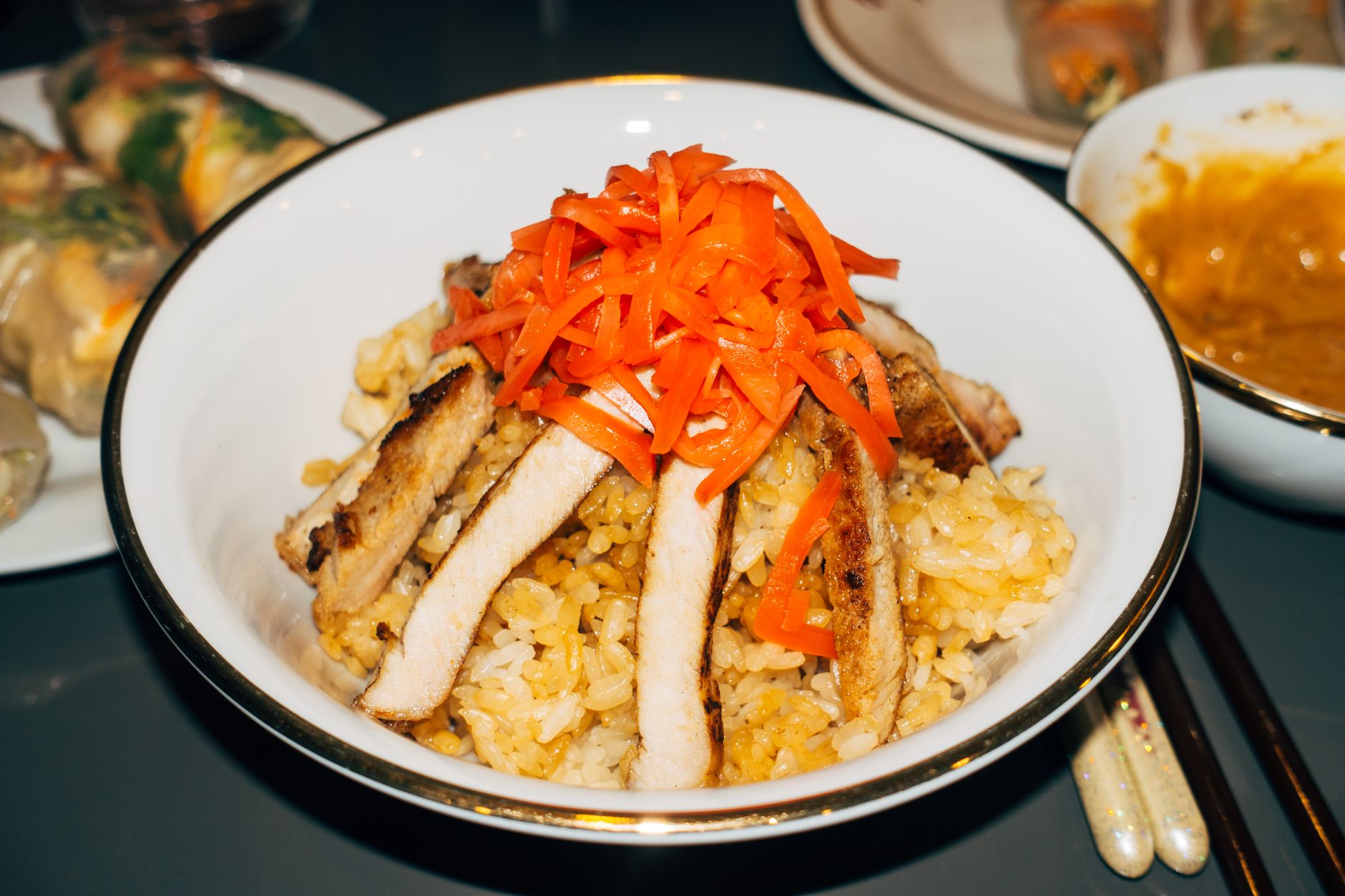
Jun 10, 20267-Pot Chili Oil Grilled Pork Rice Bowl (Cơm Tấm Ớt Địa Ngục)
Smoky lemongrass pork meets blazing Vietnamese chili oil in this rice bowl that takes the beloved comfort of cơm tấm and turns up the heat to unforgettable levels. 70 min · 0 saves.

vietnamese · medium
Apr 20, 2026Vietnamese Lemongrass Pork Banh Mi Burgers
Ground pork patties infused with lemongrass and fish sauce, topped with pickled vegetables and sriracha mayo on crusty rolls 45 min · 0 saves.
Bottle picks
Related hot sauce reviews.
Explore sauces with related ingredients, flavors, and heat levels.
Yellowbird Habanero Hot Sauce Review
A bright, carrot-forward bottle with enough heat to stay lively and enough sweetness to stay versatile.
Best for tacos
Best for: Tacos and rice bowls
Skip if: Skip if you want a classic vinegar-forward table sauce with almost no sweetness.
Read review
Queen Majesty Scotch Bonnet and Ginger Review
A bright, elegant sauce that leans on fruit, ginger, and Scotch bonnet lift instead of brute force.
Best for seafood
Best for: Seafood and fish tacos
Skip if: Skip if you want a thick, smoky wing sauce more than a bright finishing bottle.
Read review
Hot Ones Lineup Collection Review
A curated shelf-builder for tasting nights, gifts, and anyone who wants to compare heat styles side by side.
Best for gifting
Best for: Sauce subscription
Skip if: Skip if you need one exact everyday bottle instead of a discovery-style gift.
Read review
Go deeper
Background guides that build on this.
Keep reading
More on this subject.
If this post helped, these are the next pieces most likely to keep the thread going.
culture
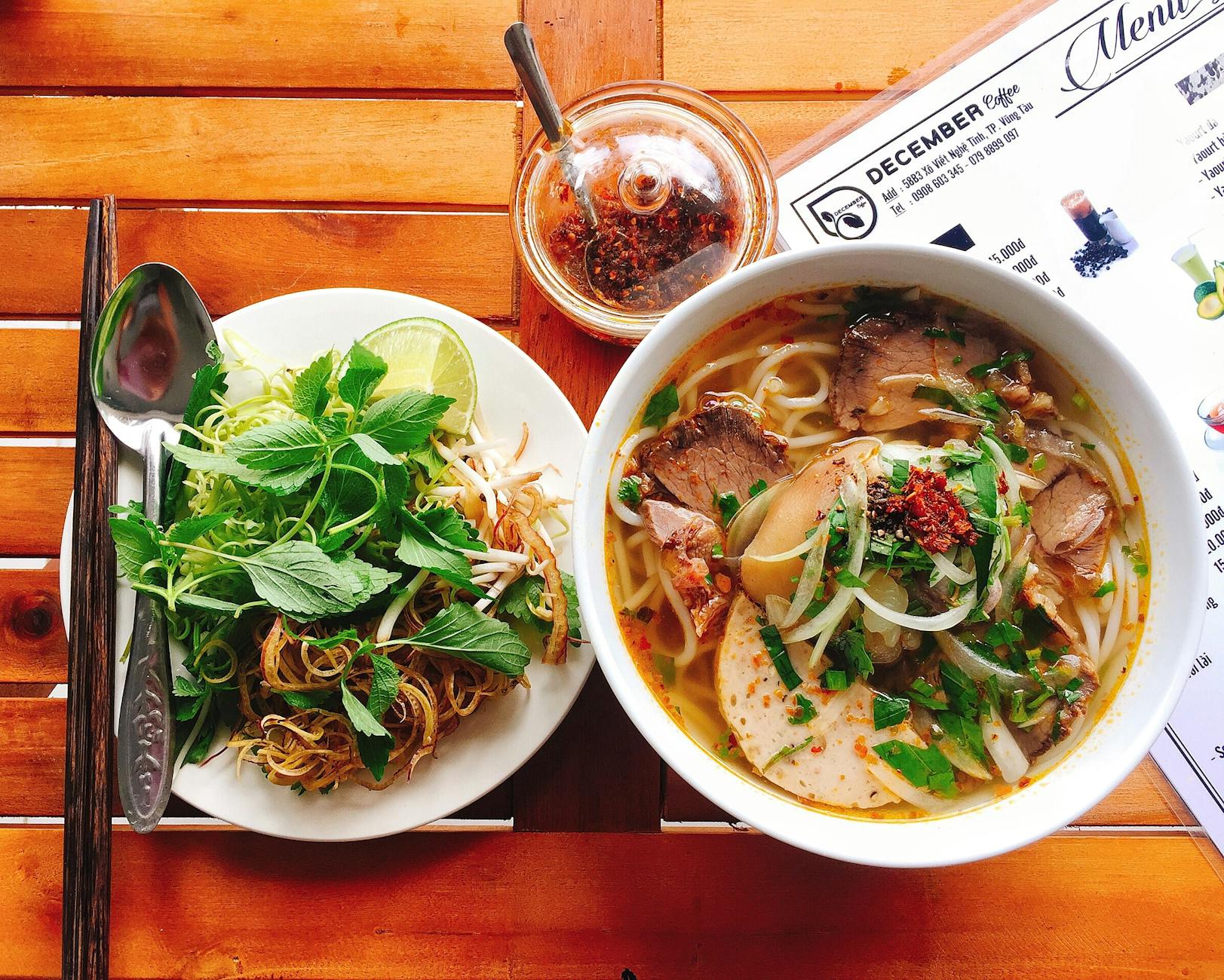
May 7, 2026Vietnam's Boldest Heat: The Spicy Dishes Taking Over Vietnamese Kitchens
From fermented chili bún bò Huế to fiery bánh mì, discover the Vietnamese dishes that bring serious heat without losing their soul—these are the recipes that make Vietnamese cooks reach for seconds.
culture
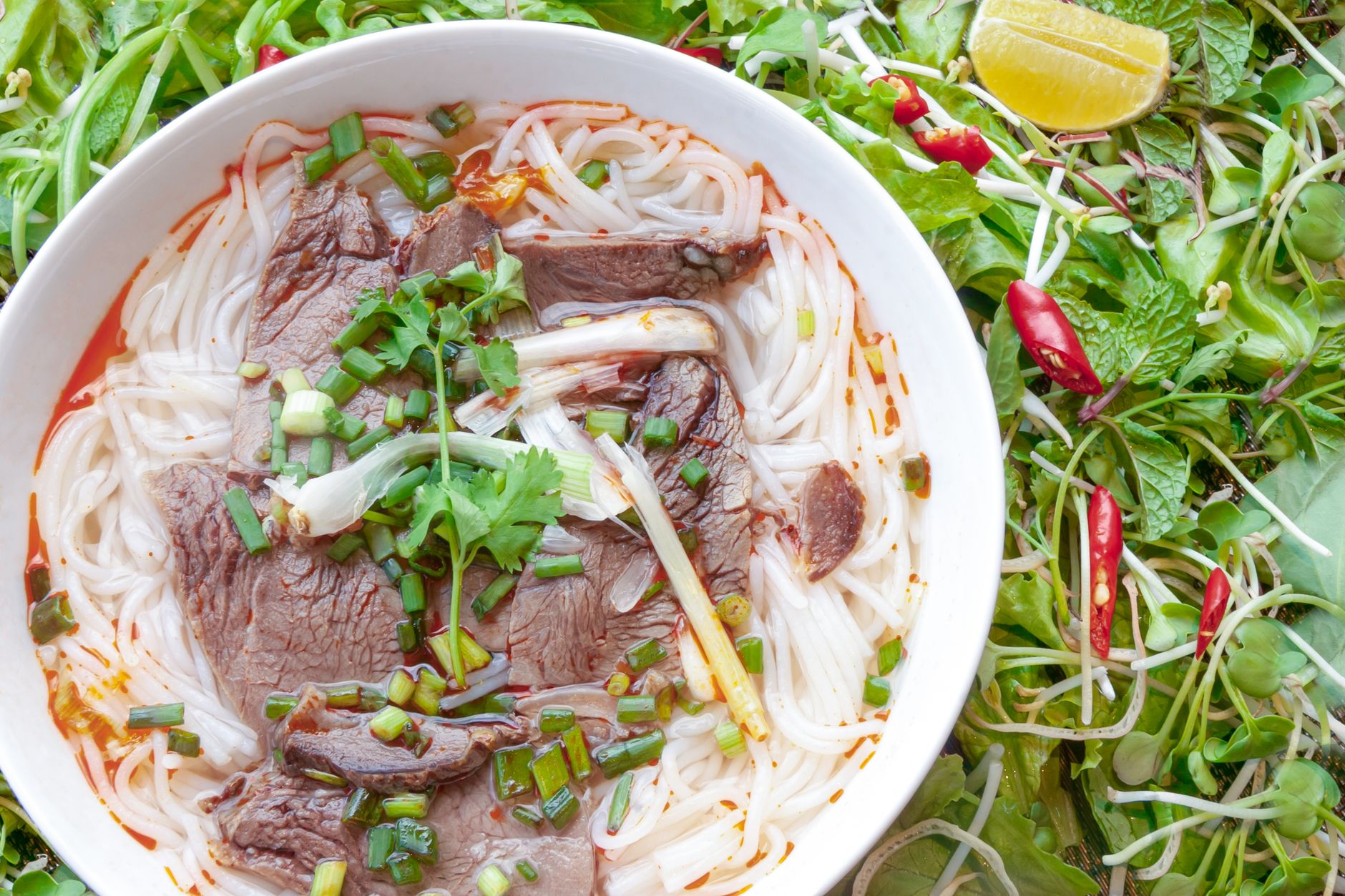
Apr 28, 2026Beyond Pho: Vietnam's Bold Heat Is Having Its Moment
Vietnamese cuisine serves up incredible spicy dishes that deserve your attention far beyond the familiar comfort of pho. From the fiery specialties of Hue to chile-loaded stir-fries that'll make you sweat, these heat-forward dishes are finally getting the love they deserve from adventurous eaters.
culture
Apr 15, 2026The Spicy Vietnamese Dishes Taking Over American Tables Right Now
Vietnamese cooks have always known something about heat that the rest of us are just catching on to—it's not about the burn, it's about the balance. These three dishes show exactly why Vietnamese spice is having such a moment right now.
Comments
Reader discussion is shared across recipes, reviews, and editorial pieces.
Comments are read-only while member sign-in is paused.