
culture
Greek Heat: Three Spicy Regional Styles That Deserve Your Attention
From northern Greece's soul-warming paprika braises to island pepper preparations that pack both heat and tang, discover the spicy side of Greek cuisine that goes far beyond those ubiquitous red pepper flakes.
Share this
Pass it around
Send this page to a friend, copy the link, or save it to a Pinterest board.

Save for later
Pin this page
Save the image with a link back to this recipe, review, or article.
Greek Heat: Three Spicy Regional Styles That Deserve Your Attention
Most people think Greek food tops out at a sprinkle of crushed red pepper over feta. What a shame, because that barely scratches the surface of how Greeks actually cook with heat. The country's regional spicy dishes offer some of the most thoughtful, satisfying fire you'll encounter anywhere in the Mediterranean—the kind that builds complexity rather than just making you sweat.
What I love about Greek spicy food is how it refuses the cheap thrill. Instead of chasing pure heat, these dishes layer sweet paprika that turns smoky, pickled peppers that bring tang alongside the burn, and slow-cooked preparations where chiles become part of something much bigger. It's heat with a purpose, designed for lingering over with people you care about.
Three regional approaches capture this philosophy beautifully, each offering home cooks a different path into Greece's more fiery side.
Northern Greece: The Paprika Comfort Zone
Up north around Thessaloniki and into Macedonia, the Ottoman and Balkan influences show up clearly in how generously cooks use paprika. But forget the mild, decorative stuff—northern Greek kitchens stock both sweet paprika with real backbone and hot paprika that means business.
Spetsiotiko kouneli tells this story perfectly. This rabbit stew builds layers of sweet and hot paprika with onions, wine, and bay leaves until each piece of meat gets coated in this ruddy, complex sauce that warms you from the inside out. The paprika isn't playing second fiddle here—it's driving the whole dish, with the wine's brightness and bay's subtle edge supporting the show.
If rabbit feels intimidating, try chicken kokkinisto using the same logic. Brown your chicken pieces in good olive oil, then let them simmer in crushed tomatoes spiked with both sweet and hot paprika, plus a few dried hot peppers for punctuation. The secret move? Bloom that paprika briefly in the oil before adding any liquid. Skip this step, and you'll get the bitter, raw taste that ruins so many paprika-heavy dishes.
This is comfort food that happens to have teeth—designed for harsh mountain winters, not showing off. The heat stays moderate and welcoming, the kind that makes you reach for seconds without thinking twice.
Island Fire: When Preservation Meets Heat
Out on the islands, cooks developed their relationship with spice through necessity—pickled peppers, pepper pastes, and dried preparations that could survive long sea crossings and lean winter months. Island heat almost always arrives with acidity or salt as companions, creating this bright, complex burn that cuts through rich foods beautifully.
Piperies florinis show the gentler side of this tradition. These sweet red peppers from Florina get roasted, peeled, and tucked into olive oil with garlic and herbs. They're not inherently hot, but smart cooks mix them with spicier preserved peppers to create something more interesting—layers of heat that reveal themselves as you eat.
Then there are the piperies kaftes—literally "burning peppers"—that show up pickled in jars across every island market. These range from pleasantly warm to genuinely fierce, but always balanced by that pickle tang and whatever herbs went into the jar. You'll find them chopped into village salads, served alongside grilled fish, or stirred into rice dishes where they provide both fire and brightness.
Bouyourdi demonstrates how island cooks weave this preserved heat into something hot and bubbling. This baked cheese dish—usually feta or kasseri topped with tomatoes and peppers—gets its kick from pickled hot peppers mixed right in with the tomatoes. As everything melts together, that pickle juice and pepper heat spread unevenly, creating little pockets of intensity that keep each bite interesting.
Island spicy food rewards paying attention. The heat concentrates in specific peppers or corners of the dish, demanding respect rather than mindless scooping.
Cretan Rusks and the Honesty of Fresh Heat
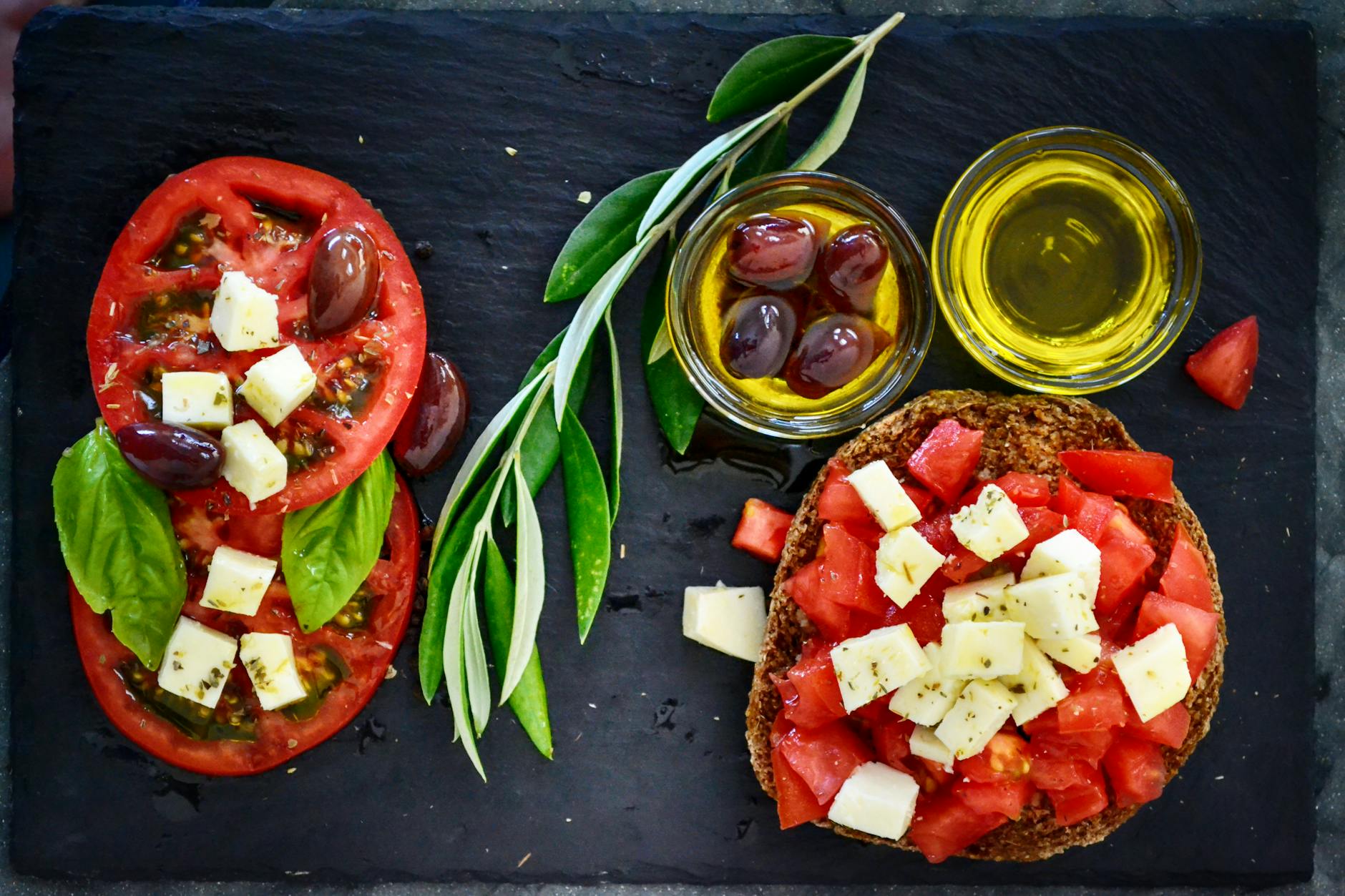
Crete takes a more direct approach, centering much of its spicy cooking around dakos—those twice-baked barley rusks that form the foundation for one of summer's most satisfying dishes. Traditional dakos layers grated tomato, crumbled mizithra or feta, olive oil, and oregano over the softened rusk. The Cretan twist comes from the generous addition of fresh hot peppers, typically small, fierce varieties that thrive in the island's unforgiving sun.
Unlike the slow-cooked paprika of the north or the preserved peppers of other islands, Cretan heat often arrives fresh and unfiltered. Horta (wild greens) get dressed simply with olive oil, lemon, and minced fresh hot peppers. Apaki (smoked pork) pairs with raw pepper slices that provide immediate fire against the meat's smoky depth.
This raw pepper approach creates an entirely different heat experience—immediate, bright, and honestly unpredictable. Fresh hot peppers vary wildly in intensity, making each bite a small adventure. Rather than trying to standardize this, Cretan cooks seem to celebrate the variability.
Gamopilafo, Crete's traditional wedding rice, sometimes includes fresh hot peppers cooked directly into the rice with the meat broth and lemon. The peppers break down unevenly during cooking, creating this wonderful inconsistency where some spoonfuls arrive mild and others deliver serious fire. It keeps everyone at the table alert and engaged.
Bringing Greek Heat Home
Adapting these approaches in your own kitchen means understanding the underlying philosophy rather than just following recipes by rote:
Layer your heat sources: Combine mild heat (sweet paprika) with moderate heat (pickled peppers) and occasional sharp heat (fresh hot peppers). This creates complexity that keeps people interested.
Always balance with acid: Greek spicy food includes wine, lemon, tomatoes, or pickle juice to cut through and brighten the heat. Pure fire without relief gets tiresome fast.
Be generous with olive oil: Good olive oil carries pepper heat while mellowing its edges and adding richness that makes everything more satisfying.
Embrace uneven distribution: Greek heat often concentrates in specific bites rather than spreading uniformly. This creates moments of discovery rather than monotony.
None of these regional styles chase maximum heat for its own sake. They're built for lingering meals where the spice stimulates appetite rather than overwhelming it, where heat serves the larger purpose of bringing people together around food that satisfies on multiple levels.
Greek spicy cooking rewards patience and builds complexity through technique rather than just reaching for hotter peppers. If you're tired of heat without purpose, these regional approaches offer something better—fire that enhances rather than dominates, where each bite offers discovery rather than endurance. That's the kind of cooking worth bringing to your own table.
Peppers featured in this post
Cook with this idea
Recipes to try next.
Put these ingredients and techniques to use in your next meal.
other · medium
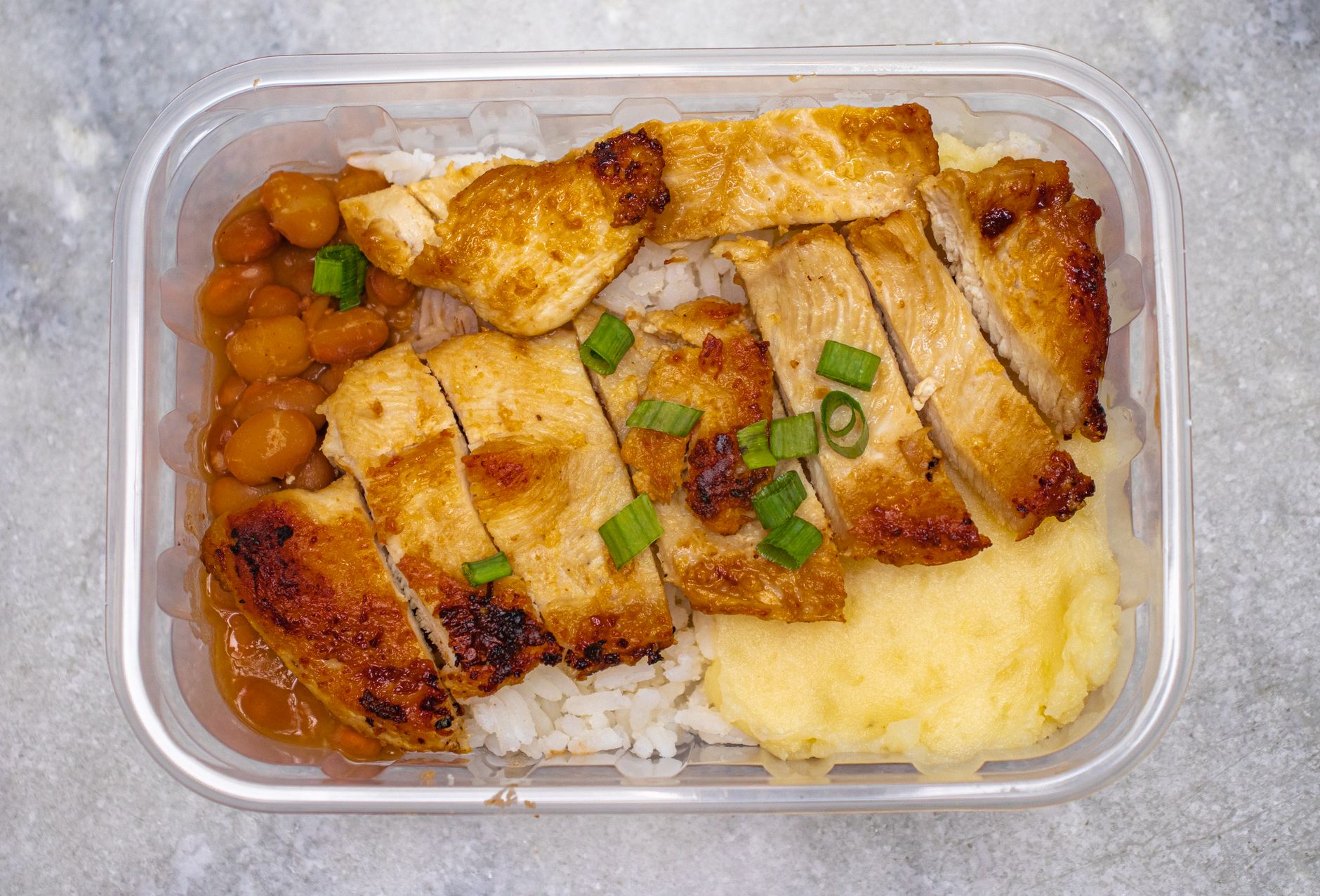
Jun 6, 2026Spicy Brazilian Chicken and Rice Bowl with Malagueta Pepper Sauce
Juicy chicken thighs braised in a vibrant sofrito with the fruity heat of malagueta peppers, nestled over coconut rice alongside buttery black beans and bright cilantro. 65 min · 0 saves.
other · medium
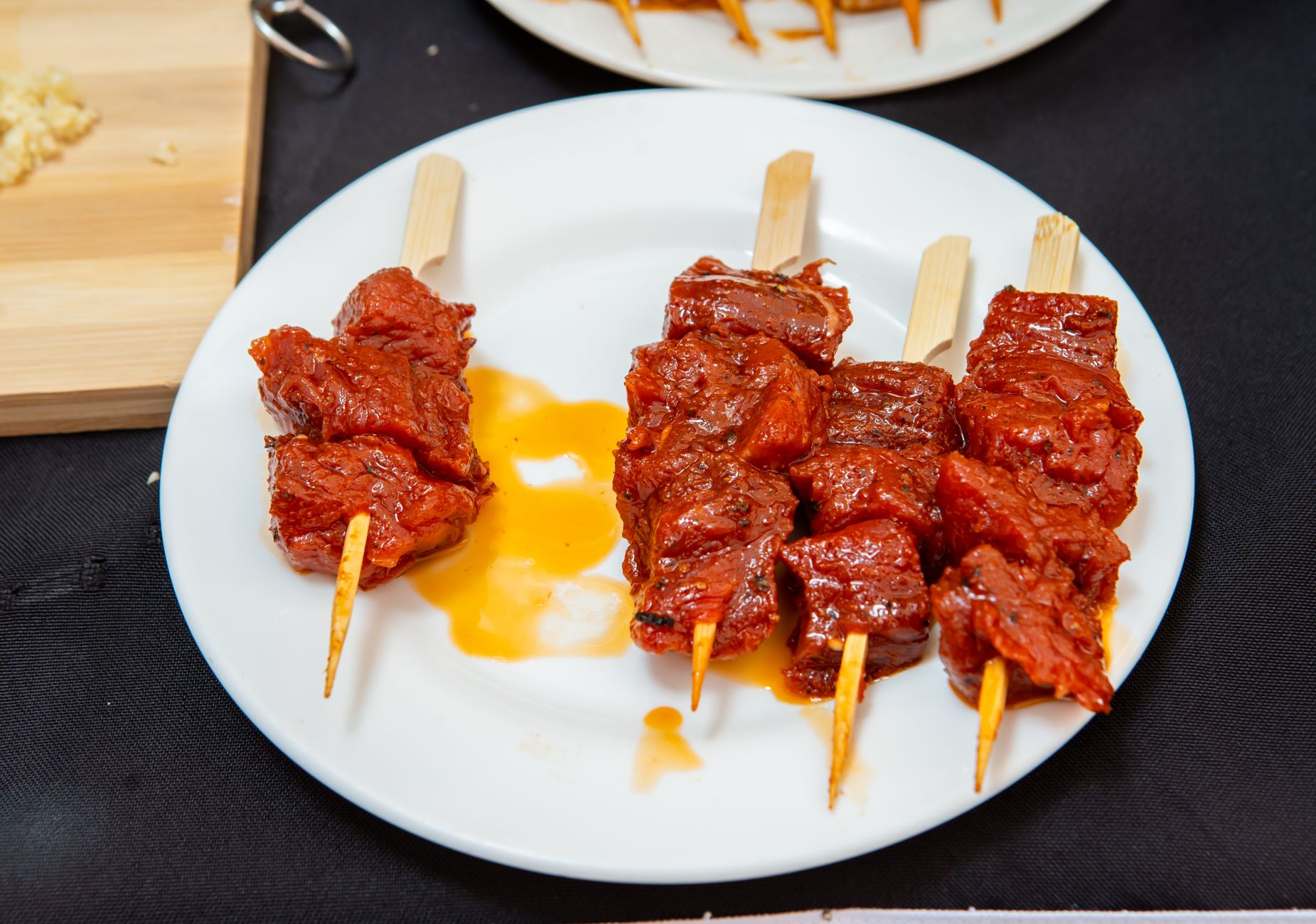
Jun 3, 2026Grilled Suya-Style Beef with Charred Pepper Sauce
Grilled beef strips seasoned with suya spice blend and served with a smoky charred pepper sauce. 45 min · 0 saves.

other · medium
Jun 1, 2026Turkish Red Lentil Stew with Urfa Biber and Mint
A soul-warming Turkish lentil stew brightened with smoky urfa biber chili flakes, fresh herbs, and a cooling yogurt swirl that turns weeknight dinner into something special. 50 min · 0 saves.
Bottle picks
Related hot sauce reviews.
Explore sauces with related ingredients, flavors, and heat levels.
Fly By Jing Sichuan Gold Review
A citrusy, tingly sauce with real peppercorn presence and enough versatility to move beyond dumplings.
Best for dumplings
Best for: Eggs and breakfast tacos
Skip if: Skip if you want a thick, smoky wing sauce more than a bright finishing bottle.
Read review
Mike's Hot Honey Review
Sweet heat done right: sticky, quick, and versatile enough to become a finishing move instead of a novelty.
Best for gifting
Best for: Pizza and fried chicken
Skip if: Skip if you want a classic vinegar-forward table sauce with almost no sweetness.
Read review
Heatonist Los Calientes Rojo Review
Heatonist Los Calientes Rojo: flavor notes, heat level, and suggested food pairings.
Best for tacos
Best for: Tacos and rice bowls
Skip if: Skip if you are chasing a novelty-level heat hit or a super-special-occasion bottle.
Read review
Go deeper
Background guides that build on this.
Keep reading
More on this subject.
If this post helped, these are the next pieces most likely to keep the thread going.

culture
Jun 11, 2026Greek Fire: The Spicy Side of Hellenic Cooking That's Finally Getting Its Due
Greek cooking has always packed more heat than the world gives it credit for. From pepper-rich island specialties to chili-spiked mainland classics, these are the fiery dishes that deserve a spot at your table.

culture
May 30, 2026Greece's Hottest Kitchen Secrets: Why Spicy Greek Cooking Is Having a Moment
From fiery feta spreads that'll surprise your guests to pepper-braised meats that make you understand why Greek grandmothers always kept the good olive oil handy, this is the spicy side of Greek cooking that deserves a place at your table.

culture
May 25, 2026Why Brazil's Fiery Regional Cooking Is Having Its Moment
From malagueta-spiked moqueca to pimenta-de-cheiro stews, Brazilian heat culture offers complexity beyond the ubiquitous jalapeño. Here's what makes these dishes so craveable—and why your dinner table needs this kind of warmth.
Comments
Reader discussion is shared across recipes, reviews, and editorial pieces.
Comments are read-only while member sign-in is paused.