
Thai Bird's Eye
Also known as: bird chili, prik kee noo, bird pepper, Thai chili
The dominant hot pepper across Southeast Asian cuisine, bird's eye chilis appear in Thai, Vietnamese, Indonesian, and Filipino cooking. Small, thin-walled, and aggressively hot for their size.
Scoville
50K–100K SHU
Heat
Hot
Origin
southeast asia
Species
C. annuum
Type
Fresh pod
Plant height
18–24 in
Heat profile
Hot heat — 50K–100K SHU
Step milder
Ají Amarillo
30K–50K SHU
This pepper
Thai Bird's Eye
50K–100K SHU
Step hotter
Piri Piri
50K–175K SHU
Flavor profile
Sharp, bright heat with a clean finish and very little fruit character.
Bird's eye chilis are to Southeast Asia what cayenne is to Louisiana — the baseline heat that everything else is measured against. Thai papaya salads, Vietnamese pho condiment trays, sambal, and pad krapow all depend on them. The heat is direct and immediate without the building quality of superhots, which makes them excellent for cooking — you can predict and control the dose. Sambal oelek is essentially bird's eye chilis in paste form.
Color
Red or green
Did you know
Despite being called 'bird's eye' across Southeast Asia, the pepper got its name because birds that ate and spread the seeds were immune to capsaicin — only mammals feel the burn.
How to use it
- —Fresh in Thai salads, soups, and stir-fries
- —Fermented into sambal and chili pastes
- —Sliced into Vietnamese dipping sauces and pho garnishes
- —Dried for Southeast Asian spice blends
- —Whole in Indonesian and Filipino braised dishes
Pairs well with
Substitutes
Can't find thai bird's eye? Try one of these.
Serrano
Use 2–3 serranos per Thai chili10K–23K SHU
Similar bright, clean heat; serrano is about half the heat of bird's eye. Works well in Southeast Asian dishes when bird's eye isn't available.
Cayenne
Use ¼ tsp ground cayenne per fresh Thai chili30K–50K SHU
Same heat level when dried, but loses the fresh-pepper character. Works for cooked applications where you need heat without aromatics.
How to grow it
Growing thai bird's eye at home
USDA zones
Perennial in 10–11, annual in 4–9
Germinate
10–21 days
To harvest
~85 days from transplant
Plant height
18–24 in
Sun
full sun
Water
moderate
Container
Container-friendly
One of the most productive small peppers you can grow — a single mature plant produces hundreds of small pods over a long season. Compact growth habit makes them ideal for containers and even windowsills with enough sun. The plant ornamentally beautiful when loaded with red and green pods at once.
Where to find it
Buying thai bird's eye
Fresh
Year-round at Asian groceries, often labeled simply 'Thai chili' or 'bird's eye chili.' Mainstream supermarkets stock them in produce sections serving Asian communities.
Dried
Dried whole 'Thai chilis' are universally available — most pantry-aisle 'red chili flakes' marketed for Asian cooking are bird's eye chilis.
Seasonality
Greenhouse-grown bird's eyes are available year-round; field-grown peaks August–October.
Seed sources
- Kitazawa Seed
- Baker Creek
- Pepper Joe's
- Burpee (as Thai chili)
Green and red bird's eyes are typically used together in Thai cooking for visual contrast and slightly different flavor — green is brighter and more vegetal, red is sweeter and slightly hotter. Don't avoid one for the other.
History & origin
Where thai bird's eye comes from
Despite being called 'Thai,' the bird's eye chili originated in Central and South America like all chiles. Portuguese traders brought it to Southeast Asia in the 1500s, and the climate and cuisines of Thailand, Vietnam, Indonesia, and the Philippines absorbed it so thoroughly that within a few generations it became culturally inseparable from those cuisines. Today bird's eye chilis are inseparable from Southeast Asian cooking in a way that no other introduced ingredient has matched.
Cook with it
Recipes that use thai bird's eye.

thai · reaper
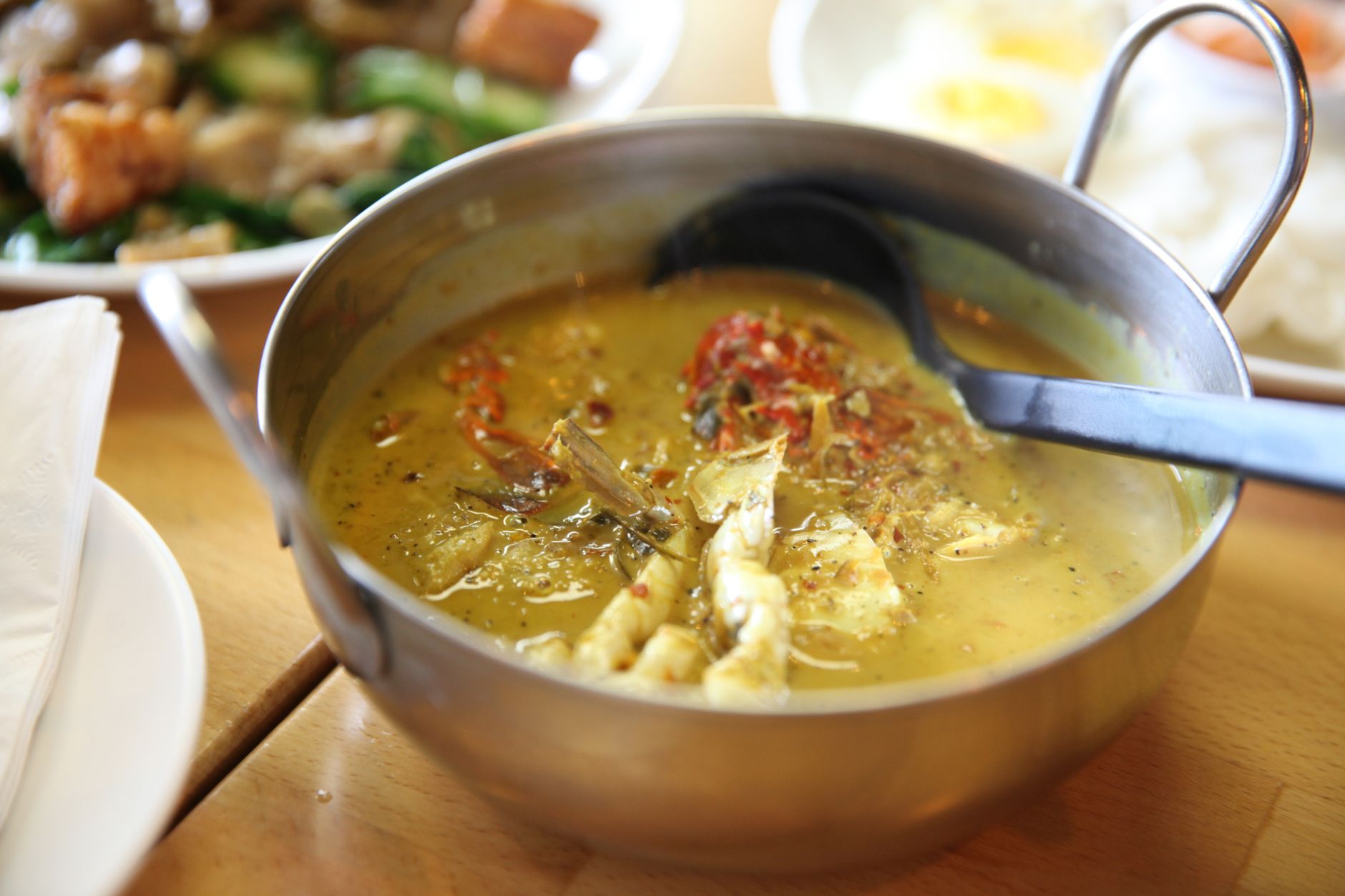
Oct 18, 2026Thai Gaeng Phed Gai with Carolina Reaper
A fiery red curry with chicken, built on roasted Carolina Reaper peppers, coconut milk, and fish sauce. The heat arrives in waves—sharp from fresh peppers, deep from the paste, and lingering from the long braise. Saucy and spoonable, it mellows slightly as it sits. 55 min · 0 saves.
vietnamese · inferno
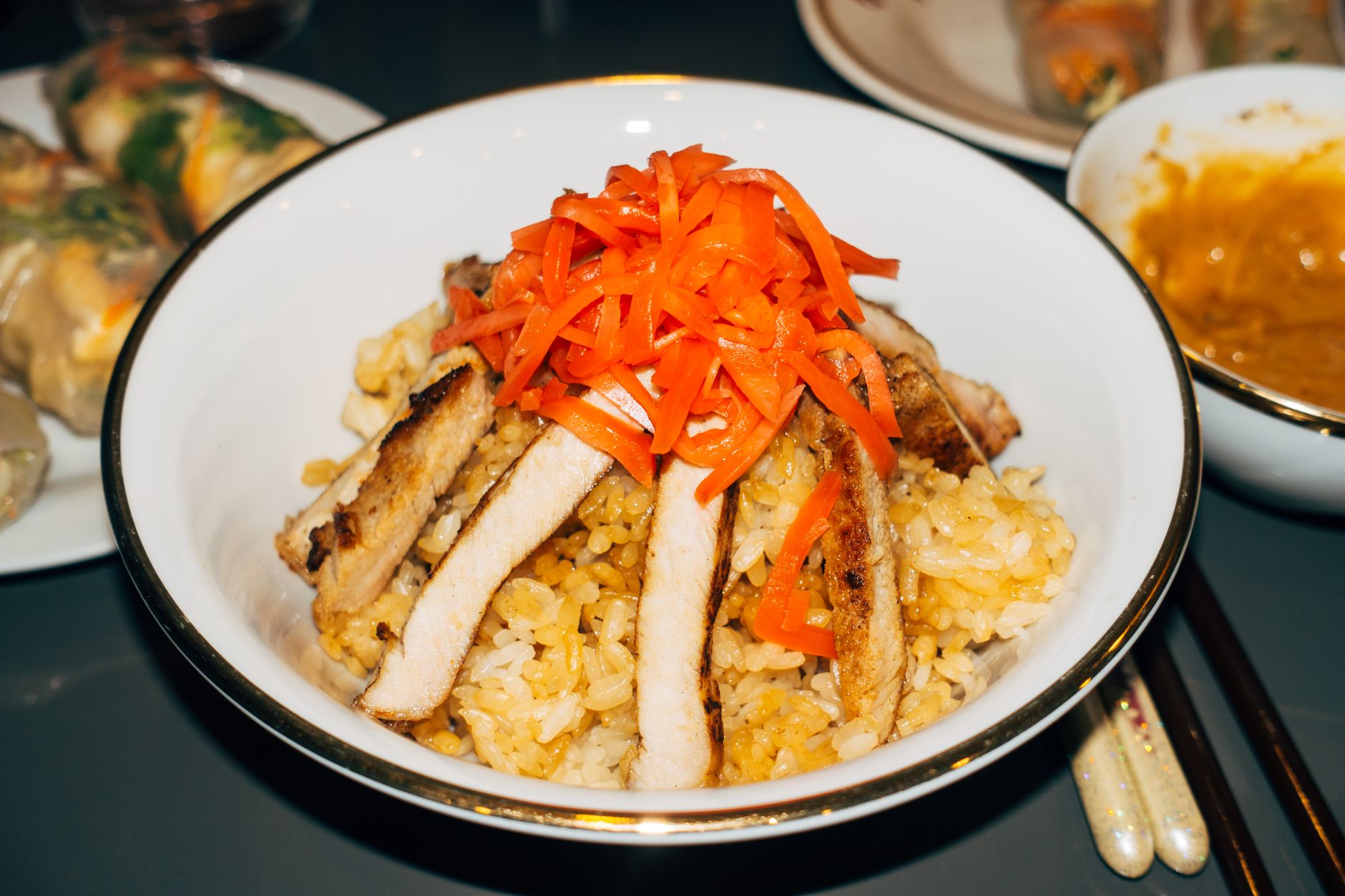
Jun 10, 20267-Pot Chili Oil Grilled Pork Rice Bowl (Cơm Tấm Ớt Địa Ngục)
Smoky lemongrass pork meets blazing Vietnamese chili oil in this rice bowl that takes the beloved comfort of cơm tấm and turns up the heat to unforgettable levels. 70 min · 0 saves.
thai · inferno
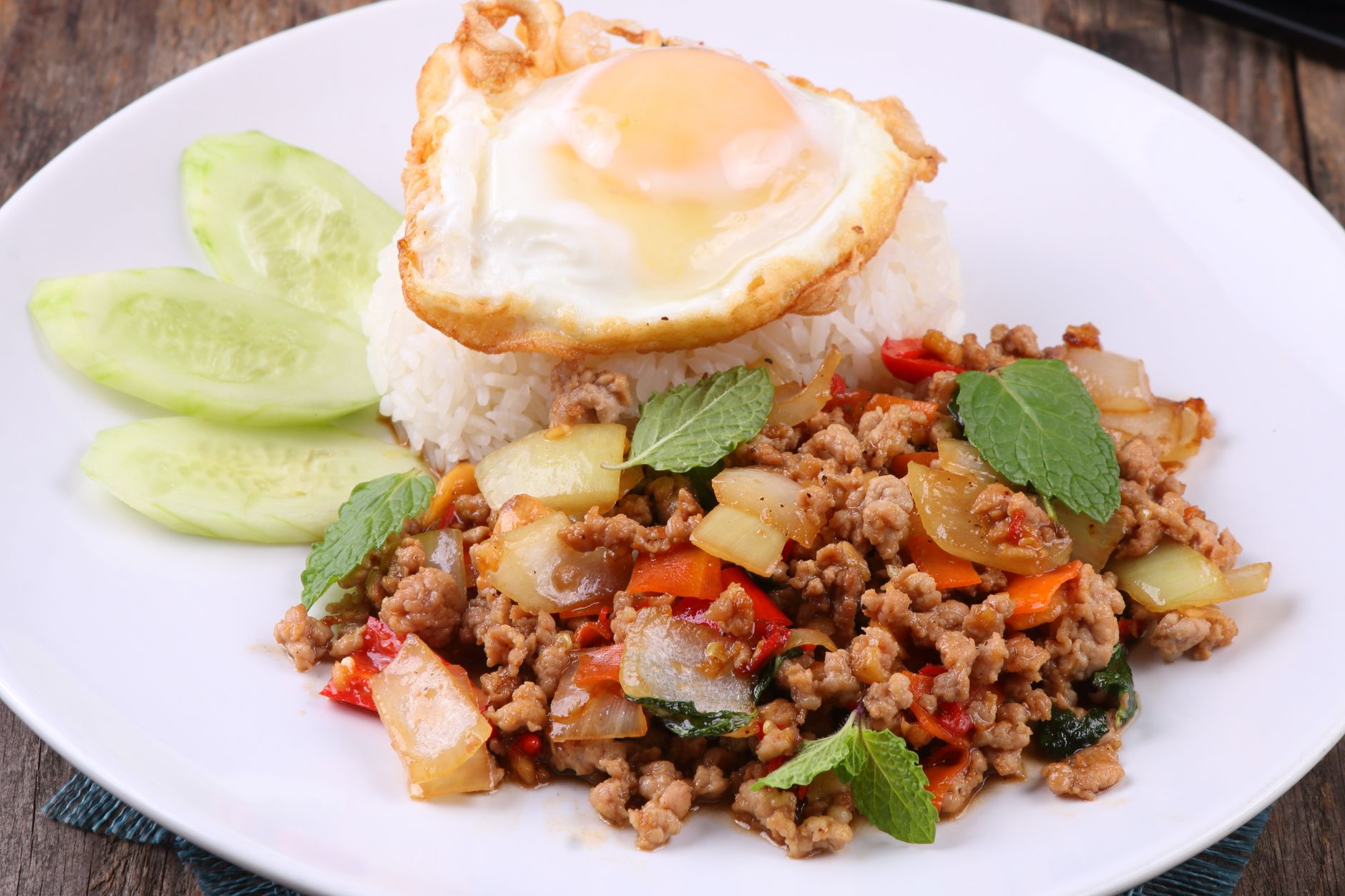
Jun 5, 2026Superhot Pad Kra Pao with Trinidad Moruga Scorpions
Traditional Thai basil stir-fry cranked to extreme heat levels with Trinidad Moruga Scorpion peppers for serious chili heads only. 18 min · 0 saves.
From the blog
Articles about thai bird's eye.
culture
Jun 5, 2026The Fiery Thai Dishes Taking Over American Kitchens Right Now
The spicy Thai dishes making their way into American home kitchens tell a different story than the pad thai we all know. These are the regional specialties, fermented condiments, and chili-forward dishes that showcase what real Thai heat culture looks like when you dig deeper.
science
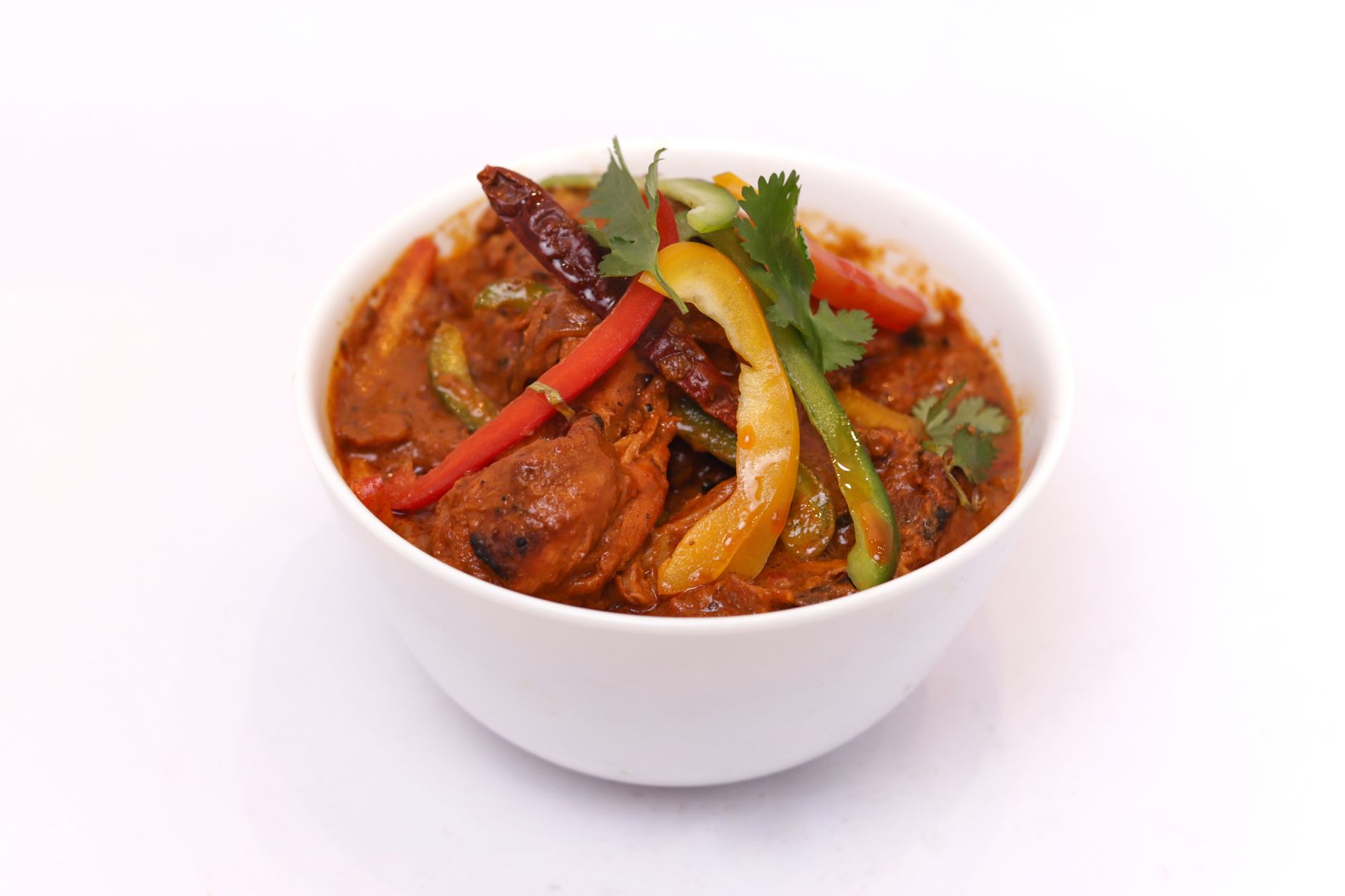
Apr 30, 2026Caribbean Pepper Pot, Scotch Bonnet Marinades, and Curry Goat
Compare the long simmer of Caribbean pepper pot, the seasoning in scotch bonnet marinades, and the aromatics in curry goat.
culture
Apr 28, 2026Beyond Pho: Vietnam's Bold Heat Is Having Its Moment
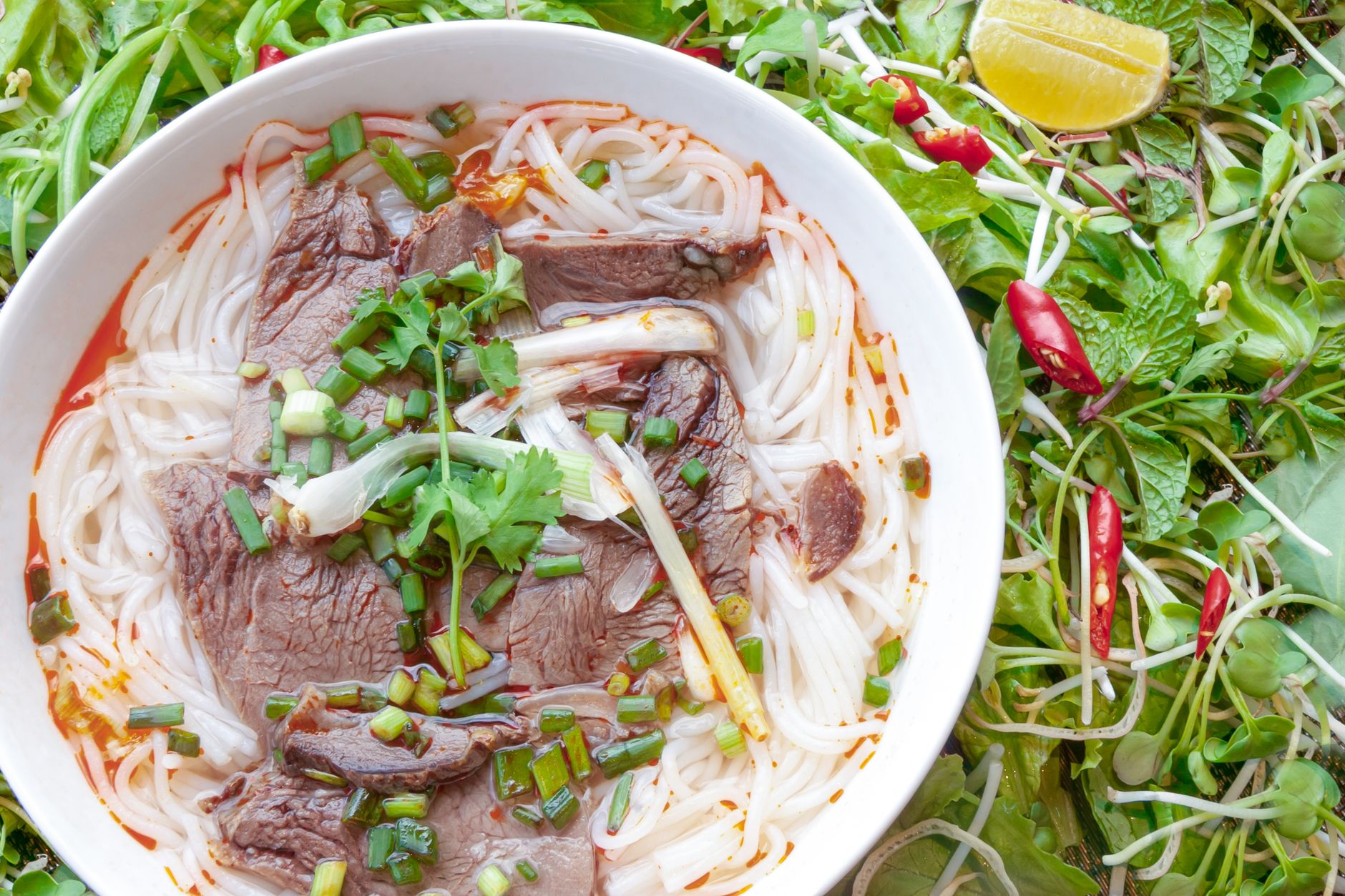
Vietnamese cuisine serves up incredible spicy dishes that deserve your attention far beyond the familiar comfort of pho. From the fiery specialties of Hue to chile-loaded stir-fries that'll make you sweat, these heat-forward dishes are finally getting the love they deserve from adventurous eaters.
Background reading
Guides that cover thai bird's eye.
Similar peppers
Other hot peppers
Frequently asked
Common questions about thai bird's eye
Are Thai chilis the same as bird's eye chilis?
Essentially yes — 'Thai chili' is a marketing name for the same plant (Capsicum annuum var. glabriusculum) sold across Southeast Asia under regional names: prik kee noo in Thai, ớt hiểm in Vietnamese, siling labuyo in Filipino. There are slight cultivar variations but they're functionally interchangeable.
How many Thai chilis equal one jalapeño?
Roughly one Thai chili equals 6–10 jalapeños in heat. They're 50,000–100,000 SHU vs the jalapeño's 2,500–8,000. Most Thai recipes call for 2–8 of these per dish; if substituting jalapeño, you'll need a lot more (and lose the bright bird's eye flavor).
Can you eat Thai chilis raw?
Yes, and most Southeast Asian recipes do exactly that. They're added raw to nam pla prik (fish sauce condiment), sliced into noodle soups as garnish, pounded into som tam (papaya salad). The thin walls and bright flavor are designed for fresh use. Cooked versions exist (red curry pastes, sambals) but raw is the traditional form.
Why does the name say 'bird's eye'?
Because the chilis grow in upright clusters that resemble small eyes, and because birds eat and disperse the seeds without feeling the heat — capsaicin only affects mammals, so birds spread the seeds widely. The name predates the Thai-specific marketing label by centuries.
Pantry examples
If you want to taste thai bird's eye in a bottle or pantry product
These are optional examples of how this pepper shows up in real products. The profile above stands on its own even if you never shop from this section.
Clean chile hit
Huy Fong Sambal Oelek
Straight chili paste for fried rice, noodle sauces, mayo mixes, and dishes that want heat without sweetness.
View example ↗Numbing heat
Fly By Jing Sichuan Gold
A more citrusy, peppercorn-leaning sauce when you want flavor movement instead of pure capsaicin.
View example ↗Texture hit
Crunchy Chili Crisp
Crunch, oil, and lingering heat for dumplings, eggs, noodles, and roasted vegetables.
View example ↗