
Serrano
Also known as: serrano pepper, serrano chile
Smaller and hotter than the jalapeño, the serrano is the preferred fresh pepper for traditional Mexican salsas. It delivers a clean, punchy heat without the fruit notes of habaneros.
Scoville
10K–23K SHU
Heat
Medium
Origin
mexico
Species
C. annuum
Type
Fresh pod
Plant height
24–30 in
Heat profile
Medium heat — 10K–23K SHU
See the full scoville scale →Flavor profile
Bright, crisp, and grassy with a sharper heat than jalapeño.
The serrano sits in a useful middle ground: hot enough to matter, not so hot that it overwhelms. Mexican home cooks reach for it over jalapeños when they want a sharper, brighter heat in fresh preparations. The thin wall means it doesn't need roasting to be used raw — it brings immediate heat to salsas, ceviches, and guacamoles. Less forgiving than jalapeño for beginners, but not intimidating.
Color
Red, yellow, or green
Did you know
Serranos are typically eaten before they ripen — the green version is the most common commercial form, though the ripe red pepper is noticeably sweeter.
How to use it
- —Raw in pico de gallo and fresh salsas
- —Blended into salsa verde alongside tomatillos
- —Thinly sliced into ceviche and fish tacos
- —Pickled for heat with bright acid notes
- —Roasted in chile sauces
Pairs well with
Substitutes
Can't find serrano? Try one of these.
Jalapeño
Use 1½–2 jalapeños per serrano3K–8K SHU
Jalapeño is the most universal substitute — about a third the heat with a similar grassy profile. You'll need more volume to get equivalent kick.
Thai Bird's Eye
Use ¼ as many50K–100K SHU
Bird's eye is 3–5× hotter but similarly bright. Reduce quantity sharply or remove seeds.
How to grow it
Growing serrano at home
USDA zones
Perennial in 9–11, annual in 4–8
Germinate
10–21 days
To harvest
~75 days from transplant
Plant height
24–30 in
Sun
full sun
Water
moderate
Container
Container-friendly
Easier to grow than jalapeño in many ways: more productive per plant, more disease-resistant, and tolerant of slightly cooler nights. Start seeds indoors 8 weeks before last frost. A single plant can produce 30–50 peppers in a season.
Where to find it
Buying serrano
Fresh
Year-round at most US grocery stores; especially common in markets serving Mexican-American communities. Slightly less universal than jalapeño but easy to find.
Dried
Dried serranos (serrano seco) are uncommon — they're a thin-walled fresh pepper that doesn't dry well at home. Pickled versions are widespread.
Seasonality
Peak field-grown August through October; greenhouse production keeps year-round supply steady.
Seed sources
- Burpee
- Bonnie Plants
- Johnny's Selected Seeds
- Baker Creek
Green serranos are picked unripe and account for nearly all commercial supply. Red serranos are vine-ripened and sweeter — leave green peppers on the counter for a week to ripen at home.
History & origin
Where serrano comes from
The serrano takes its name from the sierras — the mountainous regions of Hidalgo and Puebla where it has been grown for centuries. It was a regional staple in central Mexican cooking long before commercial production took off, and remains the default fresh chile in most Mexican home kitchens. Mexican-American cooking elevated it globally in the late 20th century, but in Mexico it never needed elevation.
Cook with it
Recipes that use serrano.

other · inferno
Oct 18, 2026Scorpion Pepper Shrimp with Charred Lime and Black Garlic
Jumbo shrimp finished in a fierce, short-cooked sauce built from scorpion peppers, black garlic, and fish sauce. The heat arrives fast and lingers; the shrimp stay tender because the sauce hits the pan last, not first. 23 min · 0 saves.

mexican · hot
Oct 18, 2026Habanero Chicken and Charred Corn Rice Bowl
A composed rice bowl with charred corn, habanero-marinated chicken, black beans, and a roasted habanero crema. Heat builds from the marinated chicken and finishes with bright chile warmth in the sauce. 60 min · 0 saves.
american · reaper
Oct 12, 2026Garlic Reaper Shrimp with Charred Scallions
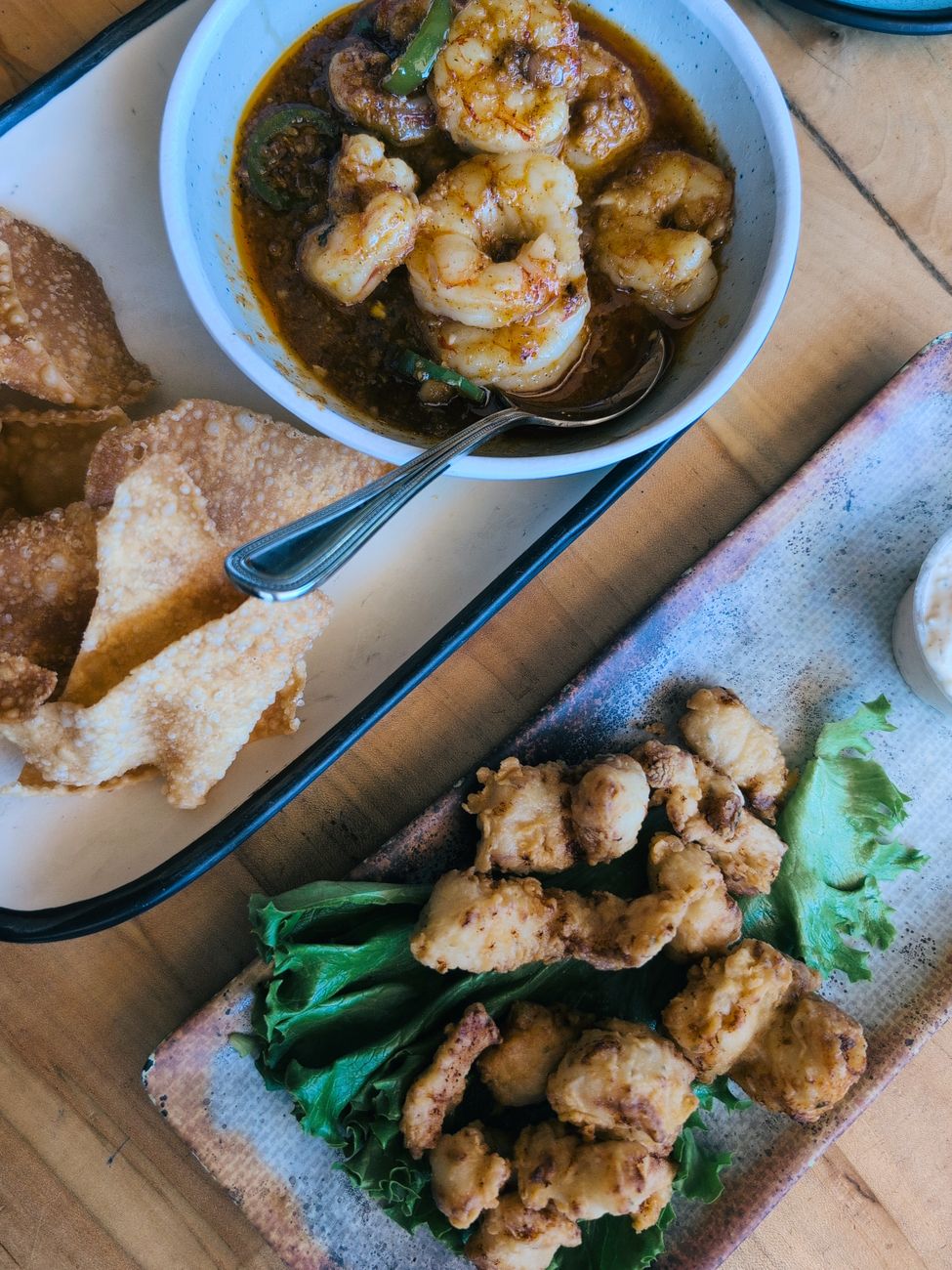
Large shrimp seared until golden, tossed with Torchbearer Garlic Reaper sauce and finished with crispy garlic chips and charred scallion greens. The sauce clings to the shrimp without overwhelming the sweetness of the protein, and the heat builds steadily rather than hitting all at once. 20 min · 0 saves.
From the blog
Articles about serrano.

science
Jun 8, 2026Middle Eastern Spicy Dishes: Dried Chiles and Cooling Accompaniments
Dried chiles, herbs, rich sauces, and cooling accompaniments create contrast in Middle Eastern spicy dishes. Explore ways to balance a plate.

culture
May 29, 2026Birria, Aguachile, Cochinita Pibil, and Pozole Rojo
Birria, aguachile, cochinita pibil, and pozole rojo use chiles and other seasonings differently. Compare their sauces, broths, and garnishes.
culture
May 26, 2026Three Moroccan Spice Routes That Will Change How You Think About Heat
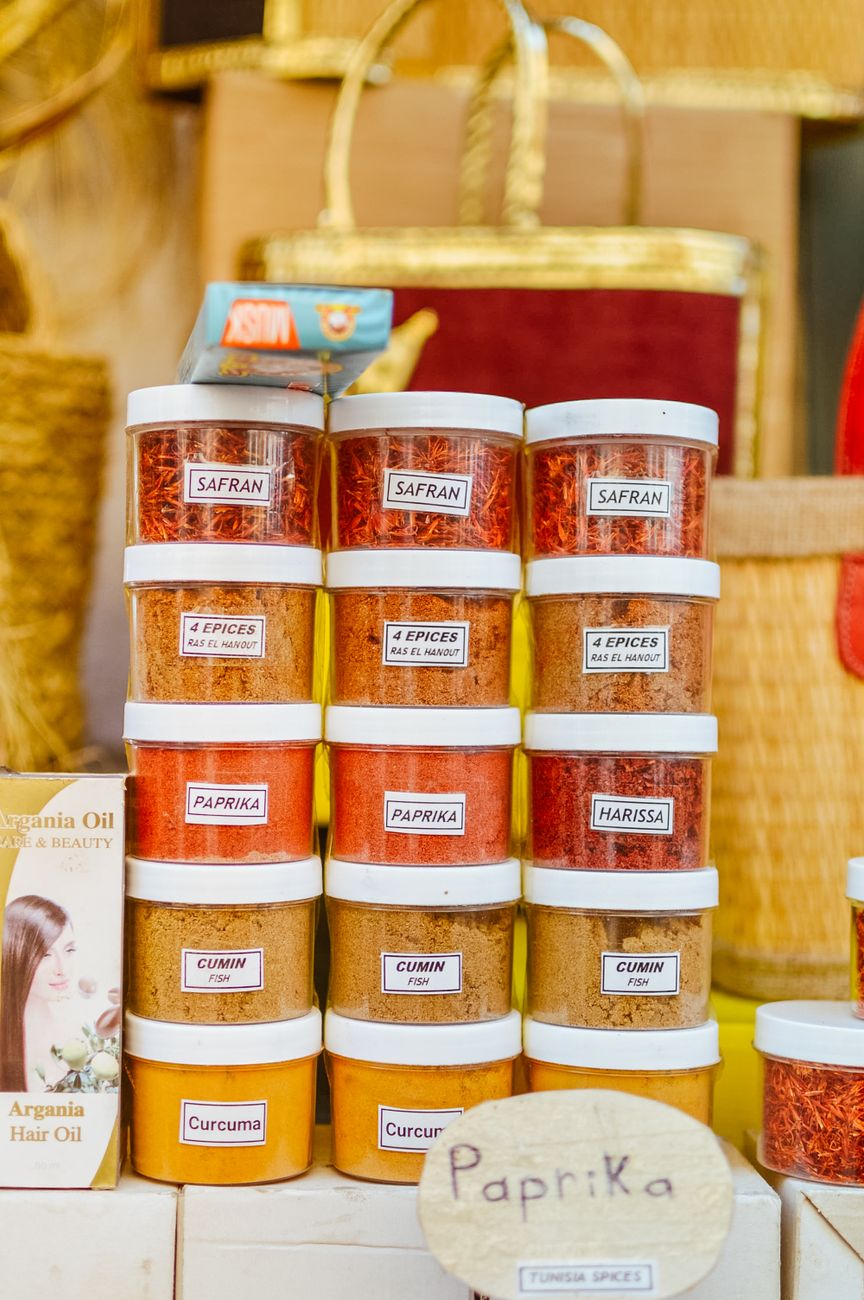
The heat in Moroccan cooking doesn't slap you in the face—it draws you in with layers of warmth that make every bite more interesting than the last. Here's how three essential spice traditions create some of the world's most irresistible heat.
Background reading
Guides that cover serrano.
Similar peppers
Other medium peppers
Frequently asked
Common questions about serrano
Is a serrano hotter than a jalapeño?
Yes — about two to three times hotter. Jalapeños run 2,500–8,000 SHU; serranos run 10,000–23,000 SHU. The flavor is similar (bright, grassy, vegetal) but the heat is more concentrated and arrives faster.
Can you use serrano and jalapeño interchangeably?
Mostly yes, with quantity adjustments. To swap a serrano for a jalapeño, use ⅓ to ½ of one. To swap a jalapeño for a serrano, use 1½–2 jalapeños. The flavor is close enough that no other ingredient changes are needed.
Why are serranos always green at the store?
Like jalapeños, serranos are typically harvested unripe because green peppers ship better and have longer shelf life. The red ripe form is sweeter and slightly hotter, but rarely makes it to commercial supply. Buy green and let them ripen on the counter for a week if you want red.
Do you have to roast serranos before using them?
No. Serranos have thin walls and are designed to be used raw — they go directly into salsas, ceviches, and guacamole without any cooking. Roasting is optional if you want a smokier flavor, but it's not the default preparation.
Pantry examples
If you want to taste serrano in a bottle or pantry product
These are optional examples of how this pepper shows up in real products. The profile above stands on its own even if you never shop from this section.
Fresh verde
Cholula Green Tomatillo Hot Sauce
Tangy tomatillo base with a brighter, greener heat than the red. A natural pour on fish tacos, avocado toast, huevos rancheros, and grilled corn.
View example ↗Milder entry
Yellowbird Serrano Hot Sauce
Same Yellowbird quality at a gentler heat level — serrano and tangerine with a cleaner, brighter profile. The right pick for people who find habanero too sharp.
View example ↗Jalapeño brightness
Tabasco Green Jalapeño Sauce
Milder than the red, brighter and more herbaceous — great on Mexican food, omelets, grilled fish, and anyone who wants acid with a green, vegetal edge.
View example ↗