
Ají Amarillo
Also known as: aji amarillo pepper, yellow chile, Peruvian yellow pepper
The backbone of Peruvian cuisine, the ají amarillo is one of the most flavorful peppers in the world. Its combination of tropical fruit notes and bright heat is unlike anything in Mexican or Asian pepper traditions.
Scoville
30K–50K SHU
Heat
Hot
Origin
south america
Species
C. baccatum
Type
Fresh pod
Plant height
36–60 in
Heat profile
Hot heat — 30K–50K SHU
Step milder
Cayenne
30K–50K SHU
This pepper
Ají Amarillo
30K–50K SHU
Step hotter
Thai Bird's Eye
50K–100K SHU
Flavor profile
Uniquely tropical and fruity — passion fruit and mango notes — with a clean, vibrant heat.
No single ingredient says Peruvian cooking more than ají amarillo. It appears in ceviche leche de tigre, papa a la huancaína, causa, and lomo saltado — essentially the foundation of the national cuisine. The heat is real but secondary to the flavor: passion fruit, mango, citrus, and a brightness that other peppers simply don't carry. Ají amarillo paste is the format most accessible outside Peru and it's one of the most culinarily rewarding specialty ingredients you can add to your pantry.
Color
Bright orange-yellow
Did you know
The Peruvian word 'ají' predates Spanish colonization — it comes from the Taíno language of the Caribbean and was one of the first chili-related words European explorers learned.
How to use it
- —Peruvian ceviche — leche de tigre marinade
- —Papa a la huancaína sauce (Peruvian potato dish)
- —Lomo saltado stir-fry base
- —Blended into causa (cold potato terrine)
- —Ají amarillo mayonnaise for grilled fish
Pairs well with
Substitutes
Can't find ají amarillo? Try one of these.
Habanero
Use ½ habanero per ají amarillo100K–350K SHU
Habanero is much hotter — use less to avoid blowing out the dish. Habanero brings similar tropical fruit notes but more aggressive heat.
Scotch Bonnet
Use ½ scotch bonnet per ají amarillo100K–350K SHU
Same family of fruit notes at higher heat. Reduce quantity and you'll get a recognizable approximation of the ají amarillo profile.
How to grow it
Growing ají amarillo at home
USDA zones
Perennial in 10–11, annual in 4–9 with effort
Germinate
14–28 days
To harvest
~110 days from transplant
Plant height
36–60 in
Sun
full sun
Water
moderate
Container
Garden bed preferred
Capsicum baccatum plants grow tall — often 5+ feet — which makes them awkward for small containers. Stake them. They need a longer growing season than annuum peppers, so start indoors 12 weeks before last frost and consider a covered structure or greenhouse in zones cooler than 8. The wait pays off: a mature ají amarillo plant produces dozens of bright orange-yellow pods.
Where to find it
Buying ají amarillo
Fresh
Extremely rare in fresh form outside Peru. Latin grocers in major US cities occasionally stock them; otherwise unavailable.
Dried
Dried whole ají amarillo (called ají mirasol when dried) is more available than fresh. Latin grocers and online specialty stores carry it.
Seasonality
Imported product is available year-round; fresh local production peaks late summer to fall in growing regions.
Seed sources
- Baker Creek
- Refining Fire Chiles
- Pepper Joe's
- Native Seeds/SEARCH
The most accessible form is ají amarillo paste in jars (Inca's Food, Goya, Doña Isabel brands). One jar lasts months in the fridge and is the easiest way to add authentic Peruvian flavor to home cooking. Far better than trying to source fresh peppers outside Peru.
History & origin
Where ají amarillo comes from
Ají amarillo is one of the oldest cultivated chiles in the Americas, sacred to the Inca and a foundational ingredient in Andean cooking long before the Columbian Exchange. The word 'ají' itself comes from the Taíno language of the Caribbean and was one of the first chile-related words Europeans learned. In Peru today, ají amarillo is considered one of the three pillars of national cuisine alongside potato and corn — all three Andean in origin and all three completely embedded in Peruvian identity.
Cook with it
Recipes that use ají amarillo.

other · inferno
Oct 18, 2026Scorpion Pepper Shrimp with Charred Lime and Black Garlic
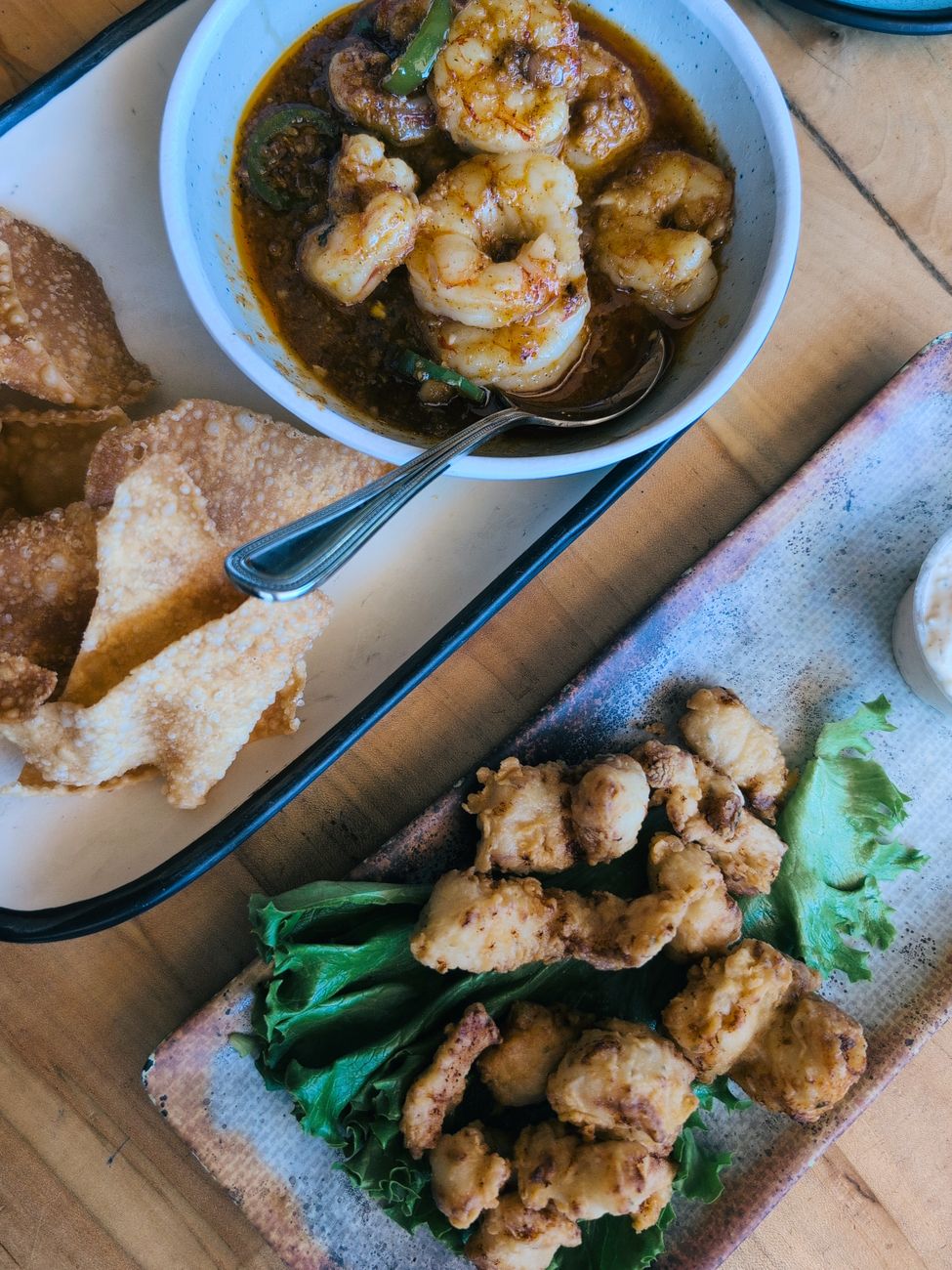
Jumbo shrimp finished in a fierce, short-cooked sauce built from scorpion peppers, black garlic, and fish sauce. The heat arrives fast and lingers; the shrimp stay tender because the sauce hits the pan last, not first. 23 min · 0 saves.
american · reaper
Oct 12, 2026Garlic Reaper Shrimp with Charred Scallions
Large shrimp seared until golden, tossed with Torchbearer Garlic Reaper sauce and finished with crispy garlic chips and charred scallion greens. The sauce clings to the shrimp without overwhelming the sweetness of the protein, and the heat builds steadily rather than hitting all at once. 20 min · 0 saves.

other · reaper
Oct 11, 2026Charred Carolina Reaper Whole Fish
A whole fish grilled over high heat with a Carolina Reaper and lime glaze that blackens and caramelizes on the skin, building intense heat with acidity and garlic underneath. 40 min · 0 saves.
From the blog
Articles about ají amarillo.
culture
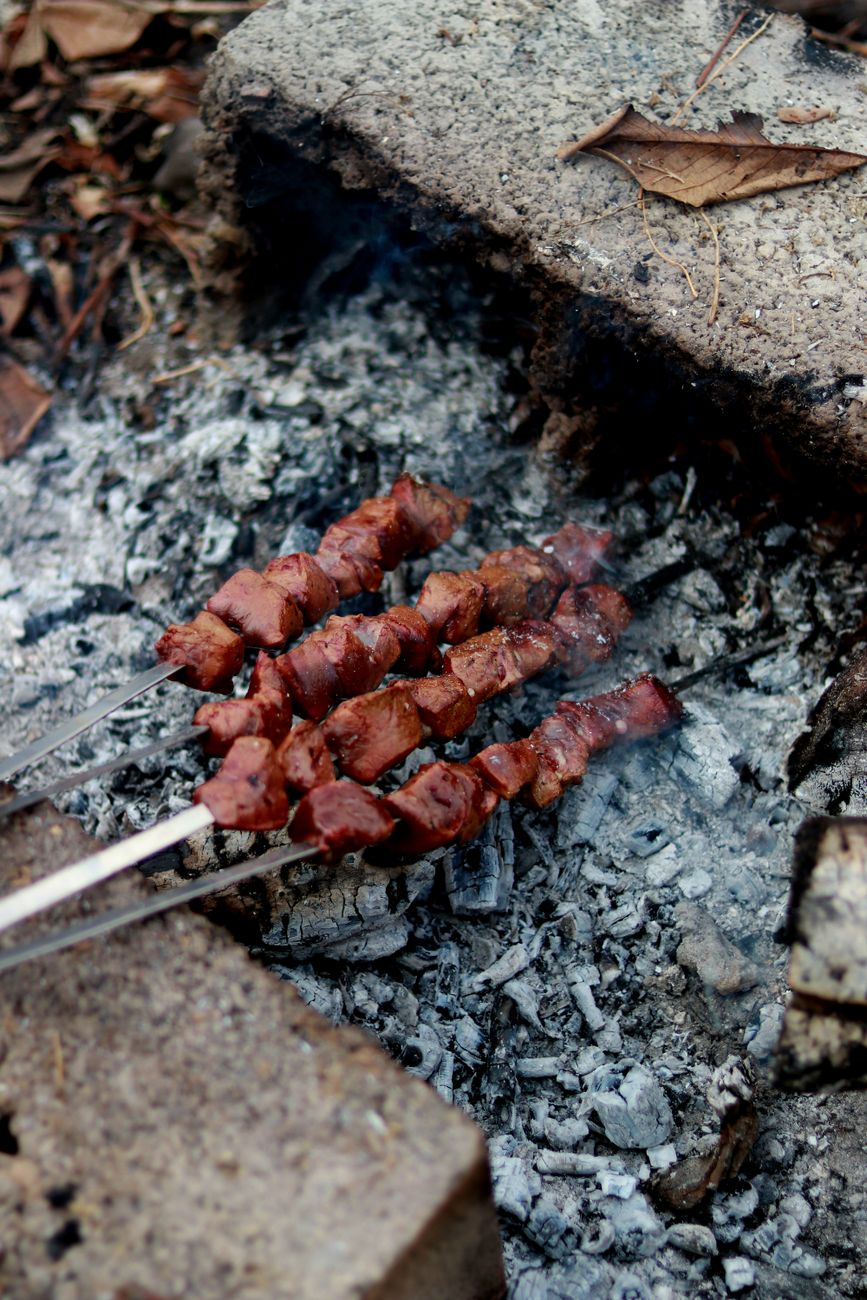
Jun 12, 2026Why Peruvian Spice Is Having Its Moment: Three Dishes That Show How Heat Works in Lima
From ají amarillo's golden fire to rocoto's sneaky burn, Peruvian kitchens understand heat like nowhere else. Here's why anticuchos, causa limeña, and ají de gallina should be on your table—and how their brilliant balance of spice and soul is winning over everyone from timid eaters to serious chile heads.
culture
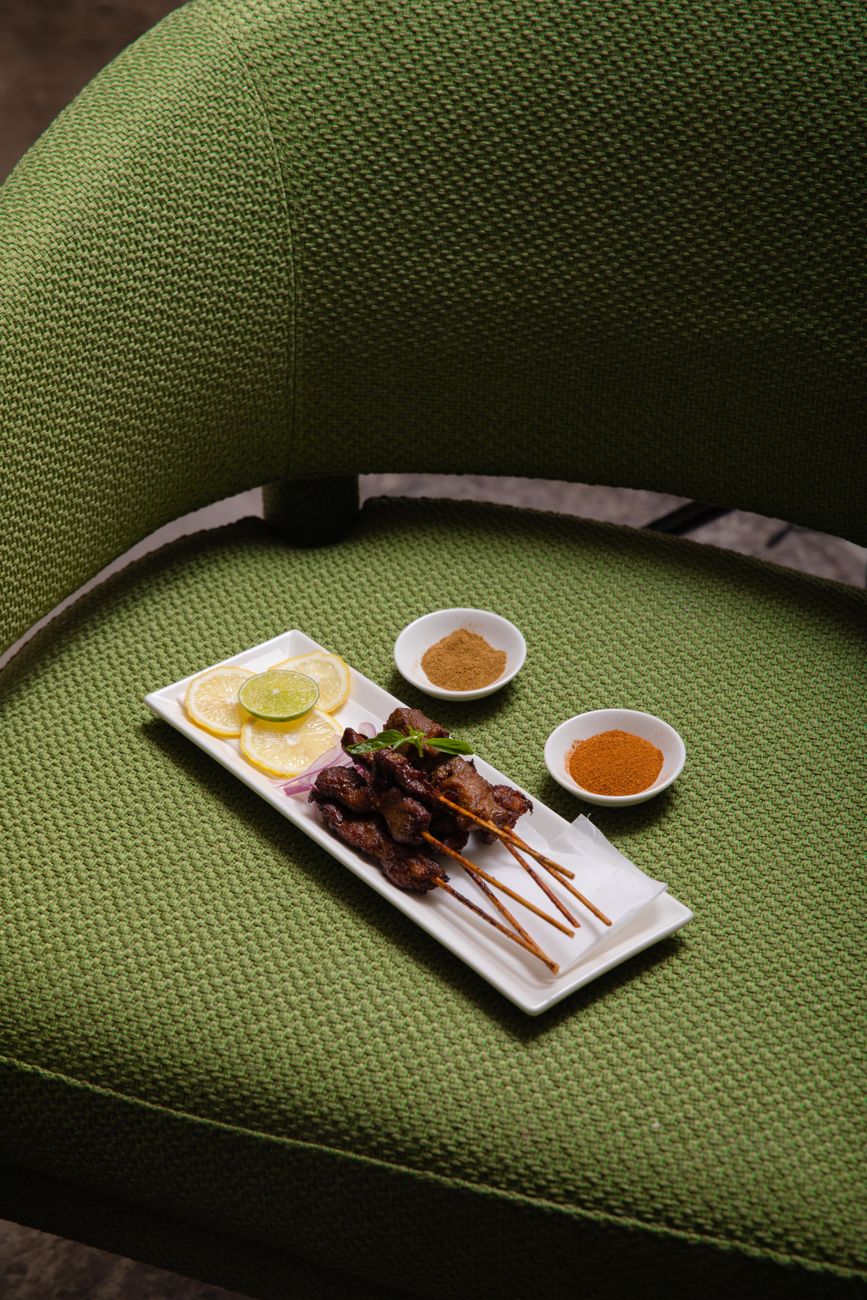
Jun 9, 2026Peru's Spicy Soul Food: Why These Heat-Driven Dishes Are Taking Over Tables
From ají amarillo-spiked anticuchos to rocoto-stuffed peppers, Peru's most craveable spicy dishes offer complex heat that goes far beyond the burn. Here's what makes them so addictive and why they deserve a spot at your table.
science
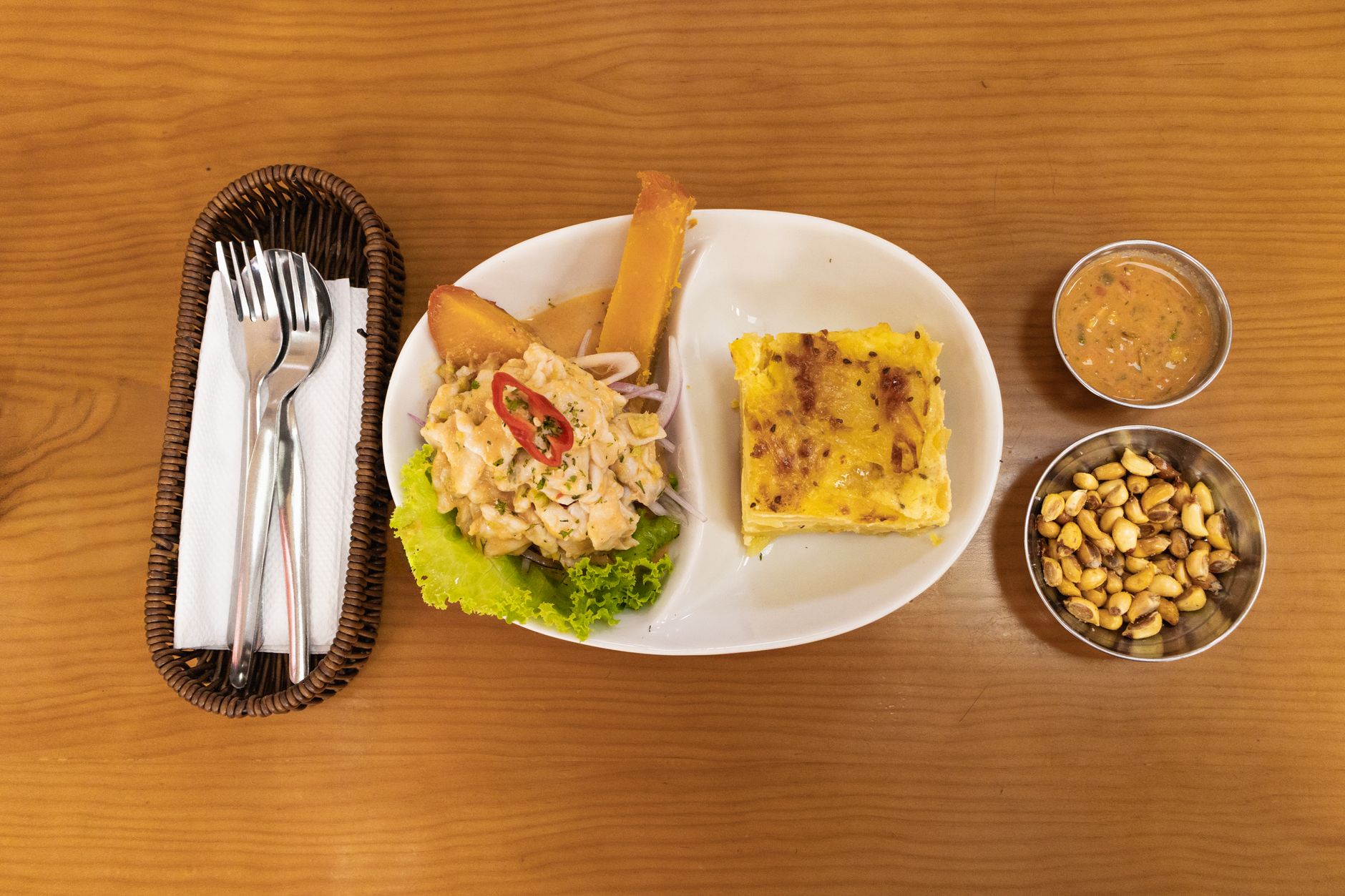
Jun 2, 2026Cooking with Peruvian Ají Chiles, Pastes, and Citrus
Use Peruvian ají chiles and pastes with citrus, dairy, and other ingredients, and learn how preparation changes the finished dish.
Similar peppers
Other hot peppers
Frequently asked
Common questions about ají amarillo
What does ají amarillo taste like?
Genuinely tropical — passion fruit, mango, citrus zest, with a clean medium heat that doesn't dominate. Among chiles, it has one of the most distinctive flavor profiles in the world. Peruvian cuisine is built around ají amarillo's combination of fruit and warmth rather than around heat alone.
How hot is ají amarillo?
Around 30,000 to 50,000 Scoville Heat Units — similar to cayenne or a mild habanero, much hotter than jalapeño but well below ghost pepper territory. The heat is bright and clean rather than building, which makes it easy to balance in cooking.
What dishes use ají amarillo?
Most of Peruvian cuisine: leche de tigre (ceviche marinade), papa a la huancaína (cold potato dish with creamy yellow sauce), causa (cold layered potato terrine), lomo saltado (Peruvian-Chinese stir-fry), ají de gallina (creamy chicken stew). The pepper is foundational, not garnish — Peruvian cooking really doesn't work without it.
Can I substitute another pepper for ají amarillo?
With caveats. A half habanero or scotch bonnet brings similar fruit notes at higher heat. Yellow Fresno or yellow bell + a small amount of cayenne approximates the color and heat without the tropical flavor. The honest answer: ají amarillo paste is widely available online and at Latin grocers, and substituting badly hurts traditional Peruvian dishes more than waiting for the real ingredient.
Pantry examples
If you want to taste ají amarillo in a bottle or pantry product
These are optional examples of how this pepper shows up in real products. The profile above stands on its own even if you never shop from this section.
Bright finisher
Tajin Clasico Seasoning
Citrusy chile seasoning for fruit, grilled corn, rims, cucumbers, and the kind of summer snacks that disappear fast.
View example ↗Everyday bottle
Yellowbird Habanero Hot Sauce
Bright carrot-habanero heat with enough body to work on eggs, tacos, and roasted vegetables.
View example ↗