
Piri Piri
Also known as: peri peri, African bird's eye, pil pil
The defining pepper of Portuguese-African cooking, piri piri anchors the cuisines of Portugal, Mozambique, Angola, and South Africa. Most widely known through Nando's, which built a global fast food chain around a single piri piri marinade.
Scoville
50K–175K SHU
Heat
Hot
Origin
africa
Species
C. frutescens
Type
Fresh pod
Plant height
24–36 in
Heat profile
Hot heat — 50K–175K SHU
Step milder
Thai Bird's Eye
50K–100K SHU
This pepper
Piri Piri
50K–175K SHU
Step hotter
Habanero
100K–350K SHU
Flavor profile
Citrusy, bright heat with a slight sweetness and a lingering warm finish.
Piri piri is where Africa and Europe met in the kitchen. Portuguese traders brought American peppers to Africa in the 16th century; the African bird's eye chili that evolved there then traveled back to Portugal as a culinary mainstay. The result is one of the most distinctive spicy food traditions in the world — the Nando's peri-peri chicken has done more to export African heat culture globally than perhaps any other single product. At home, piri piri oil over grilled chicken is one of the simplest and most satisfying spicy preparations you can make.
Color
Red
Did you know
Nando's was founded in Johannesburg in 1987 and now operates over 1,200 restaurants in 35 countries — all built around a single recipe using piri piri pepper.
How to use it
- —Peri-peri chicken marinades — the definitive use
- —Portuguese piri piri oil over seafood
- —Mozambican and Angolan stews and braises
- —South African braai condiment
- —Mixed into aioli and mayonnaise for a mild heat base
Pairs well with
Substitutes
Can't find piri piri? Try one of these.
Thai Bird's Eye
1:150K–100K SHU
Closely related botanical relative with similar heat and brightness. The Thai bird's eye is the best fresh substitute when piri-piri can't be sourced.
Cayenne
Use 1.5–2 cayennes per piri-piri30K–50K SHU
Similar heat range when dried; works for sauce-making but loses the citrus character of piri-piri.
How to grow it
Growing piri piri at home
USDA zones
Perennial in 10–11, annual in 4–9
Germinate
14–28 days
To harvest
~95 days from transplant
Plant height
24–36 in
Sun
full sun
Water
moderate
Container
Container-friendly
Tolerates dry conditions better than most peppers. Grown widely on small farms across southern Africa with minimal inputs. Plants are highly productive — 30–80 pods per plant is typical. The wild African bird's eye habit makes them slightly more vigorous than American varieties.
Where to find it
Buying piri piri
Fresh
Rare in mainstream US grocers; African and Portuguese specialty markets are the main sources. Mozambican and South African diaspora communities import them.
Dried
Whole dried piri-piris available online and at African specialty stores. Often labeled 'African bird's eye chili.'
Seasonality
Year-round in tropical southern Africa; field-grown elsewhere peaks late summer.
Seed sources
- Baker Creek
- Pepper Joe's
- Refining Fire Chiles
If sourcing fresh is impossible, the bottled sauces are excellent — Nando's Peri-Peri (medium or hot), Mr Bean Sauces, and authentic Portuguese piri-piri oils deliver the genuine flavor.
History & origin
Where piri piri comes from
Piri-piri (also spelled peri-peri or pili-pili) means 'pepper-pepper' in Swahili. The plant is an African bird's eye chili — descended from American Capsicum frutescens varieties carried to Africa by Portuguese traders, then adapted over centuries to grow wild across southern Africa. The Portuguese-Mozambican kitchen invented the now-iconic piri-piri marinade in colonial-era Mozambique and Angola; Nando's took the formula global from a single restaurant in Johannesburg in 1987.
Cook with it
Recipes that use piri piri.

mexican · hot
Oct 18, 2026Habanero Chicken and Charred Corn Rice Bowl
A composed rice bowl with charred corn, habanero-marinated chicken, black beans, and a roasted habanero crema. Heat builds from the marinated chicken and finishes with bright chile warmth in the sauce. 60 min · 0 saves.

other · reaper
Oct 11, 2026Charred Carolina Reaper Whole Fish
A whole fish grilled over high heat with a Carolina Reaper and lime glaze that blackens and caramelizes on the skin, building intense heat with acidity and garlic underneath. 40 min · 0 saves.
other · hot
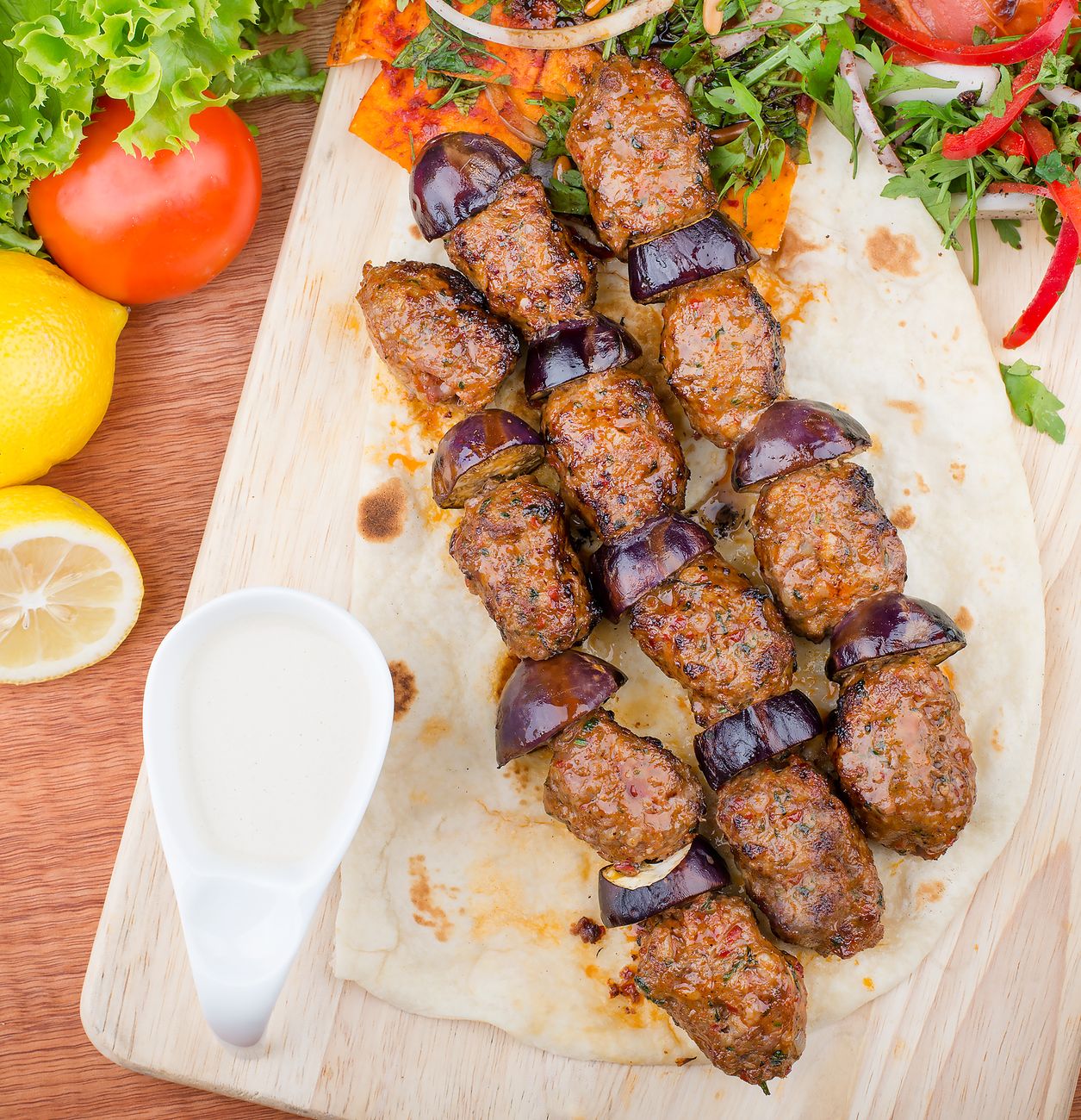
Sep 7, 2026Adana Kebab with Charred Chilli and Sumac
Ground lamb pressed onto flat metal skewers and grilled hard over flame until blackened and crackling on the outside, tender and juicy within. This Turkish street classic gets its serious kick from fresh red chilli ground into the meat and dried Aleppo chilli that brings warmth and fruity depth. The grill is non-negotiable—charcoal or gas flame gives you the char and smoke that makes this dish sing. 32 min · 0 saves.
From the blog
Articles about piri piri.

Similar peppers
Other hot peppers
Frequently asked
Common questions about piri piri
Is piri-piri the same as peri-peri?
Yes — same pepper, different romanizations of the Swahili. 'Piri-piri' is Portuguese-influenced spelling (used widely in Mozambique, Angola, Portugal). 'Peri-peri' is the English/South African spelling that Nando's uses globally. The pepper and the marinade tradition are identical.
How hot is piri-piri?
Around 50,000–175,000 Scoville Heat Units. That puts it roughly equivalent to a Thai bird's eye chili — significantly hotter than a jalapeño, but not in habanero territory. Most commercial piri-piri sauces are diluted with vinegar and other ingredients to a much more accessible heat level.
What is Nando's peri-peri sauce made from?
The base is African bird's eye chili (piri-piri), combined with garlic, lemon, oil, and herbs (typically including oregano, basil, and bay). Different heat tiers vary the pepper concentration. The exact proprietary recipe is closely held, but the genre — grilled chicken marinated in piri-piri oil and citrus — predates Nando's by centuries in Portuguese-African home cooking.
Can you grow piri-piri at home?
Yes, easily. They behave similarly to other Capsicum frutescens varieties (tabasco, Thai bird's eye). Start indoors 10 weeks before last frost, transplant when soil is reliably above 65°F, and expect heavy production from each plant. They tolerate slight drought stress and don't need pampering.
Pantry examples
If you want to taste piri piri in a bottle or pantry product
These are optional examples of how this pepper shows up in real products. The profile above stands on its own even if you never shop from this section.
Char-ready marinade
Nando's Medium Peri-Peri Sauce
The bottle to grab when chicken needs acid, garlic, and real heat before it hits the grill or broiler.
View example ↗Restaurant bottle
Nando's Peri-Peri Hot Sauce
The famous Nando's African bird's eye chili sauce — lemon, garlic, and real peri-peri heat. Easy to use anywhere you'd use any hot sauce but with more dimension.
View example ↗Caribbean pour
Encona Original Hot Pepper Sauce
A fruity, mild-to-medium Caribbean sauce with a tropical edge — approachable enough for everyday use, interesting enough to stand out at a BBQ or seafood dinner.
View example ↗