Calabrian Chili
Also known as: Calabrian pepper, peperoncino, diavolicchio
The heat pepper of southern Italy's Calabria region, the Calabrian chili has become one of the most sought-after specialty chilis in American restaurant cooking. Deep red, preserved in oil, with a complex heat that transforms pasta, pizza, and meat dishes.
Scoville
25K–40K SHU
Heat
Hot
Origin
europe
Species
C. annuum
Type
Fresh pod
Plant height
24–36 in
Heat profile
Hot heat — 25K–40K SHU
Step milder
Chile de Árbol
15K–30K SHU
This pepper
Calabrian Chili
25K–40K SHU
Step hotter
Cayenne
30K–50K SHU
Flavor profile
Rich, oily, slightly smoky heat with a fruity depth that's unique among European peppers.
Calabrian chilis in oil were a chef's secret for years before they started showing up on grocery shelves. The preservation method — packed in oil rather than vinegar — gives them a richness that no vinegar-based hot sauce can replicate. A spoonful of Calabrian paste into a pasta sauce, on pizza, or over roasted vegetables adds not just heat but depth and a red color that's genuinely beautiful. Mike's Hot Honey co-signs this pepper implicitly; most spicy honey products draw from this flavor tradition.
Color
Deep red
Did you know
The term 'diavolicchio' (little devil) is the traditional Calabrian name for this pepper, and the region's chile culture predates industrial hot sauce by centuries.
How to use it
- —Stirred into pasta sauces — arrabbiata, aglio olio, marinara
- —Scattered over pizza before baking
- —Mixed into whipped ricotta or mascarpone spreads
- —Folded into salami and cured meat preparations
- —Base for spicy Italian vinaigrettes and dressings
Pairs well with
Substitutes
Can't find calabrian chili? Try one of these.
Cayenne
Use ½–¾ as much dried cayenne30K–50K SHU
Cayenne is hotter and lacks the fruit notes; combine with a touch of smoked paprika and olive oil to approximate the Calabrian profile.
Chipotle
1:1 chipotle for smoky character only3K–8K SHU
When you want smoke but can't find Calabrian, chipotle delivers the smoky depth at lower heat. Loses the fruit notes entirely.
How to grow it
Growing calabrian chili at home
USDA zones
Perennial in 10–11, annual in 4–9
Germinate
10–20 days
To harvest
~80 days from transplant
Plant height
24–36 in
Sun
full sun
Water
moderate
Container
Container-friendly
Behaves like a slightly hotter Italian-style sweet pepper — productive, manageable, and not picky. The traditional Calabrian preservation method is to harvest at full red ripeness, pierce each pepper, and pack in olive oil with herbs. Easy to replicate at home with garden-grown peppers.
Where to find it
Buying calabrian chili
Fresh
Rare in fresh form outside specialty Italian grocers and farmers' markets in cities with Italian communities. Most US buyers encounter Calabrian chilis preserved in oil rather than fresh.
Dried
Dried whole and crushed Calabrian chili flakes are available at gourmet grocers and online. Tutto Calabria and similar Italian brands are widely distributed.
Seasonality
Imported Italian product is available year-round; fresh local supply (if any) peaks August–October.
Seed sources
- Italian seed importers (Grow Italian)
- Baker Creek (sometimes)
- specialty Italian-American garden suppliers
The premium product is jarred Calabrian chili paste or whole peppers in oil — Tutto Calabria and Bomba Calabrese are the benchmark brands. A small jar lasts months in the fridge and transforms pasta, pizza, and sandwiches.
History & origin
Where calabrian chili comes from
Chiles arrived in Calabria with returning Spanish traders in the 16th century and found ideal soil in the region's volcanic hills. Over centuries Calabrian cooks domesticated specific cultivars (diavolicchi, especially) suited to the local climate and the practice of preserving them in oil — a method developed because vinegar was scarce and oil was the regional currency. The result became one of Italy's most distinctive chile traditions, embedded in 'nduja, soppressata, and the spicy pasta dishes of the south.
Cook with it
Recipes that use calabrian chili.
italian · inferno
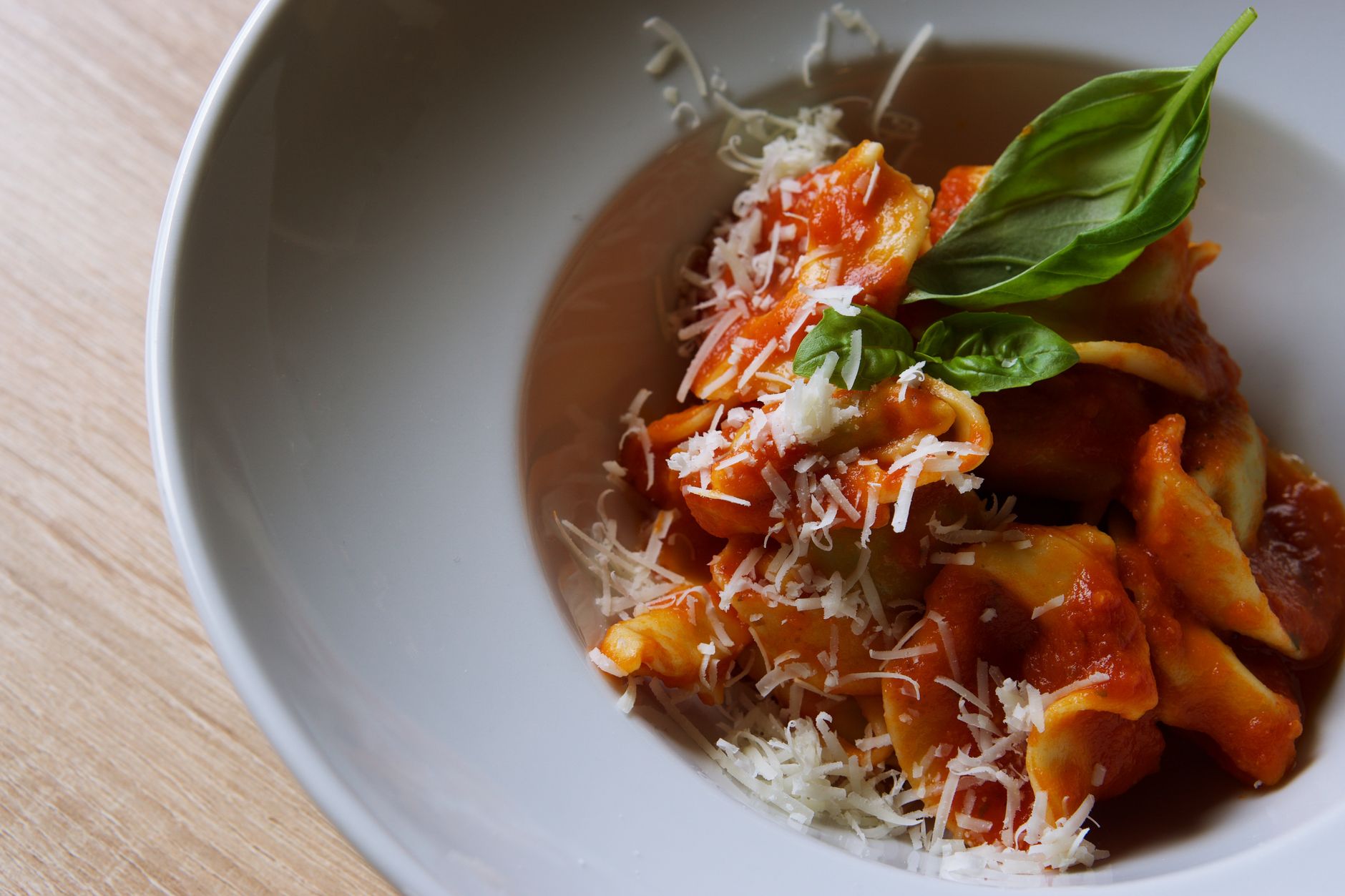
Jun 14, 2026Pasta all'Arrabbiata Infernale with Carolina Reaper
A blistering take on Rome's classic angry pasta, using Carolina Reaper chilis to transform this beloved dish into something truly fearsome while keeping the clean, bright tomato flavors that make arrabbiata so irresistible. 40 min · 0 saves.
italian · medium
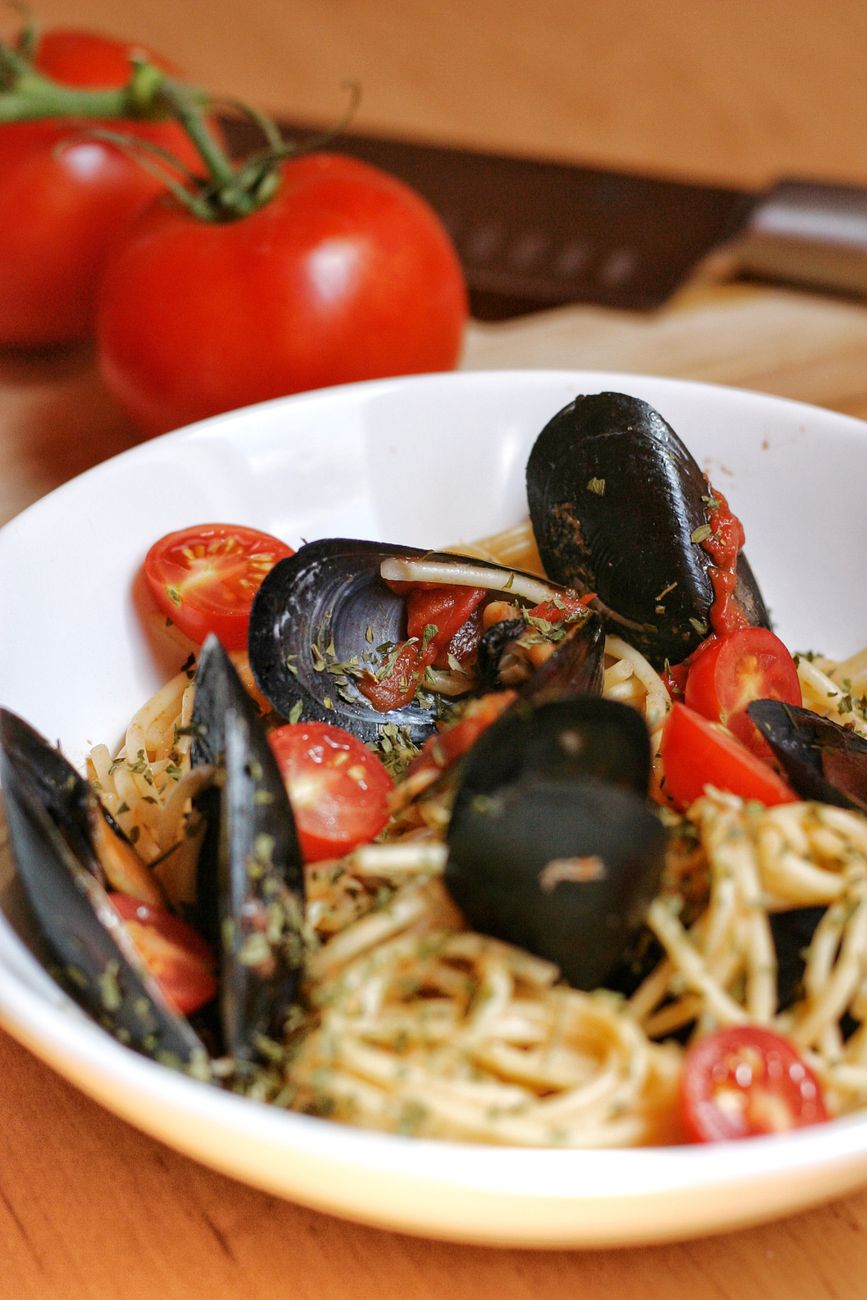
Jun 10, 2026Spaghetti all'Arrabbiata with Mussels
Fresh mussels tossed with spicy arrabbiata sauce and spaghetti for a fiery Roman-style seafood pasta that balances briny sweetness with cayenne heat. 35 min · 0 saves.

caribbean · inferno
Jun 8, 2026Scorpion Pepper Macaroni with Burnt Butter and Breadcrumbs
Comfort food meets volcanic heat in this Caribbean-spiced mac and cheese that replaces mild cheddar with aged sharp varieties and introduces Trinidad Moruga Scorpion peppers through both the cheese sauce and a crispy topping. 65 min · 0 saves.
From the blog
Articles about calabrian chili.

culture
Oct 11, 2026Spicy Italian Cooking Right Now: What's Driving the Heat
Calabrian chilis and peperoncini are reshaping how Italian cooks approach heat. Learn which peppers matter, how they're used across Southern Italy, and how to choose between whole, powdered, fresh, and oil-packed forms.
culture
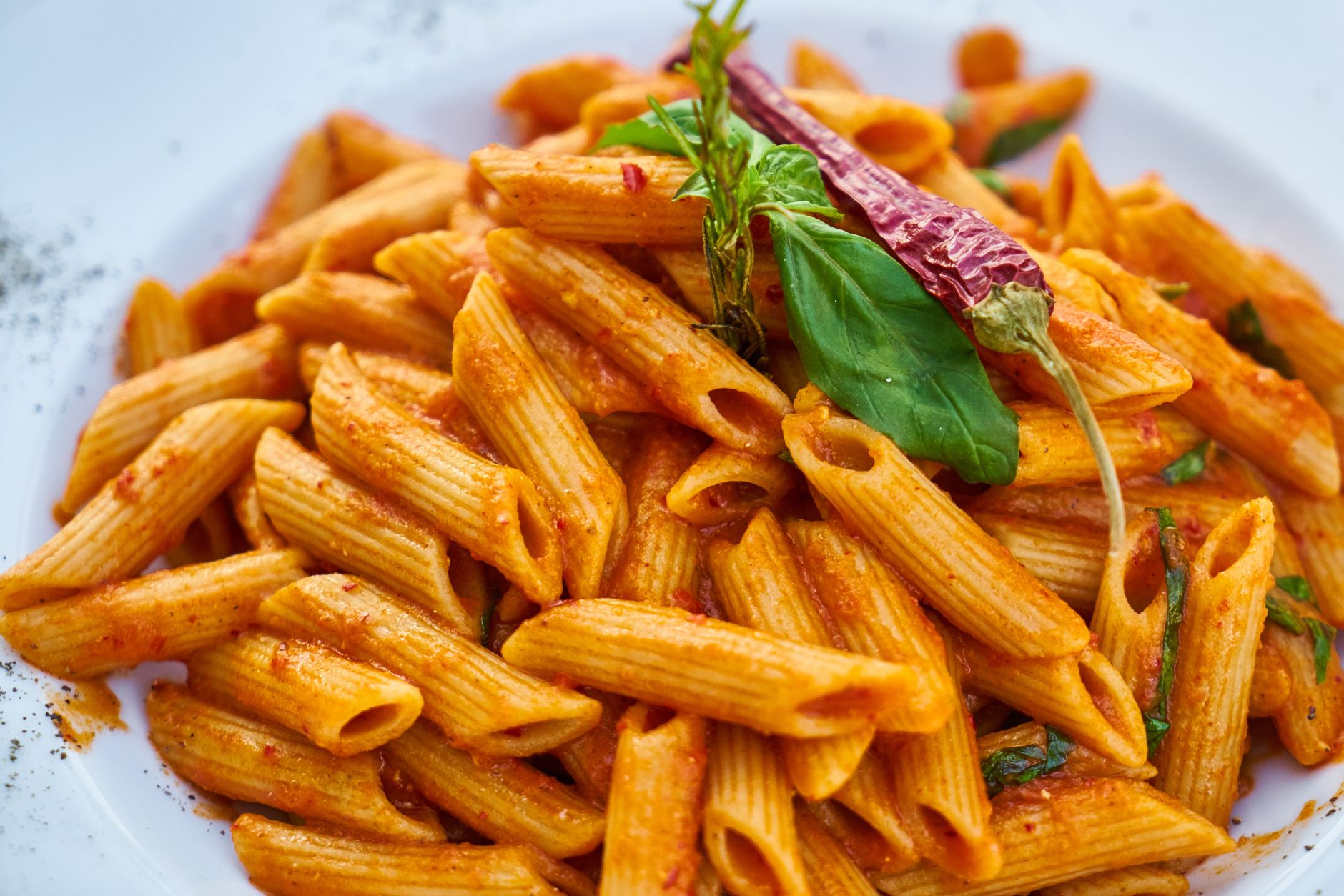
Jun 3, 2026Italy's Spiciest Regional Dishes Are Having a Moment—And We're Here for It
The best spicy Italian dishes understand something most American cooking misses: heat should enhance flavor, not overpower it. From Calabrian 'nduja that melts into silky pasta sauces to properly fiery Roman arrabbiata, these regional classics are finally getting their due in our kitchens.

science
May 20, 2026Nduja, Arrabbiata, and Aglio e Olio: Italian Chili Dishes
Nduja, arrabbiata, and aglio e olio offer different ways to pair chili with pasta, tomatoes, garlic, and olive oil.
Similar peppers
Other hot peppers
Frequently asked
Common questions about calabrian chili
What does Calabrian chili taste like?
Bright fruit on the front of the palate, a building moderate heat, and (when preserved in oil) a deep, slightly smoky finish from the oil itself. Less hot than cayenne, more fruit-forward than most American hot peppers. The combination of richness and brightness is what makes it culinarily distinctive.
Why are Calabrian chilis usually sold in oil?
Tradition and chemistry. Olive oil was the affordable preservation medium in southern Italy when vinegar was scarce; over centuries the oil-packed version became the regional standard. The oil also infuses with the peppers' flavor, becoming a usable ingredient in its own right — drizzle the spicy oil on bread, pasta, or pizza.
How spicy is Calabrian chili compared to jalapeño?
About 5–7 times hotter than a jalapeño. Calabrian chilis run 25,000–40,000 SHU; jalapeños 2,500–8,000. Still well within the 'usable' range — you can eat them straight (Italian sandwiches do exactly this) without bracing yourself.
Can I substitute red pepper flakes for Calabrian chili?
Partly. Standard red pepper flakes (usually cayenne-based) deliver heat but not the fruity, slightly smoky character that defines Calabrian chili. For a closer match, look for 'Calabrian chili flakes' specifically — same pepper, dried and crushed. The jarred paste is a much better swap for fresh chili applications.
Pantry examples
If you want to taste calabrian chili in a bottle or pantry product
These are optional examples of how this pepper shows up in real products. The profile above stands on its own even if you never shop from this section.
Pantry heat
Calabrian Chili Paste
Fruity Italian chili paste that wakes up vodka sauce, roast chicken, and garlicky pasta nights.
View example ↗Premium shelf piece
TRUFF Original Black Truffle Hot Sauce
Black truffle oil, agave nectar, and ripe chili blend — a genuinely luxurious bottle that earns its price on pasta, pizza, eggs, and steak. The most giftable hot sauce on the market.
View example ↗