
culture
Beyond Pho: Vietnam's Bold Heat Is Having Its Moment
Vietnamese cuisine serves up incredible spicy dishes that deserve your attention far beyond the familiar comfort of pho. From the fiery specialties of Hue to chile-loaded stir-fries that'll make you sweat, these heat-forward dishes are finally getting the love they deserve from adventurous eaters.
Share this
Pass it around
Send this page to a friend, copy the link, or save it to a Pinterest board.

Save for later
Pin this page
Save the image with a link back to this recipe, review, or article.
Vietnamese food in America has gotten stuck in a rut of pho and fresh spring rolls—those gentle, herb-kissed dishes that wouldn't challenge a five-year-old's palate. But this safe, sanitized view completely ignores some of Vietnam's most thrilling cooking, especially the chile-forward regional specialties that Vietnamese families reach for when they want real flavor.
Right now, diners are finally waking up to what Vietnamese home cooks have always known: this cuisine can deliver serious, sophisticated heat that puts most "spicy" food to shame. Unlike cuisines that just pile on the burn, Vietnamese spicy dishes weave together fresh chiles, funky fermented pastes, and aromatic spices into the kind of complex heat that keeps evolving in your mouth.
Hue's Royal Fire: Where Vietnamese Heat Gets Serious
Central Vietnam, especially around the old imperial city of Hue, doesn't mess around when it comes to chiles. This region's cooks treat heat as essential as salt—not some macho afterthought, but a fundamental building block of flavor.
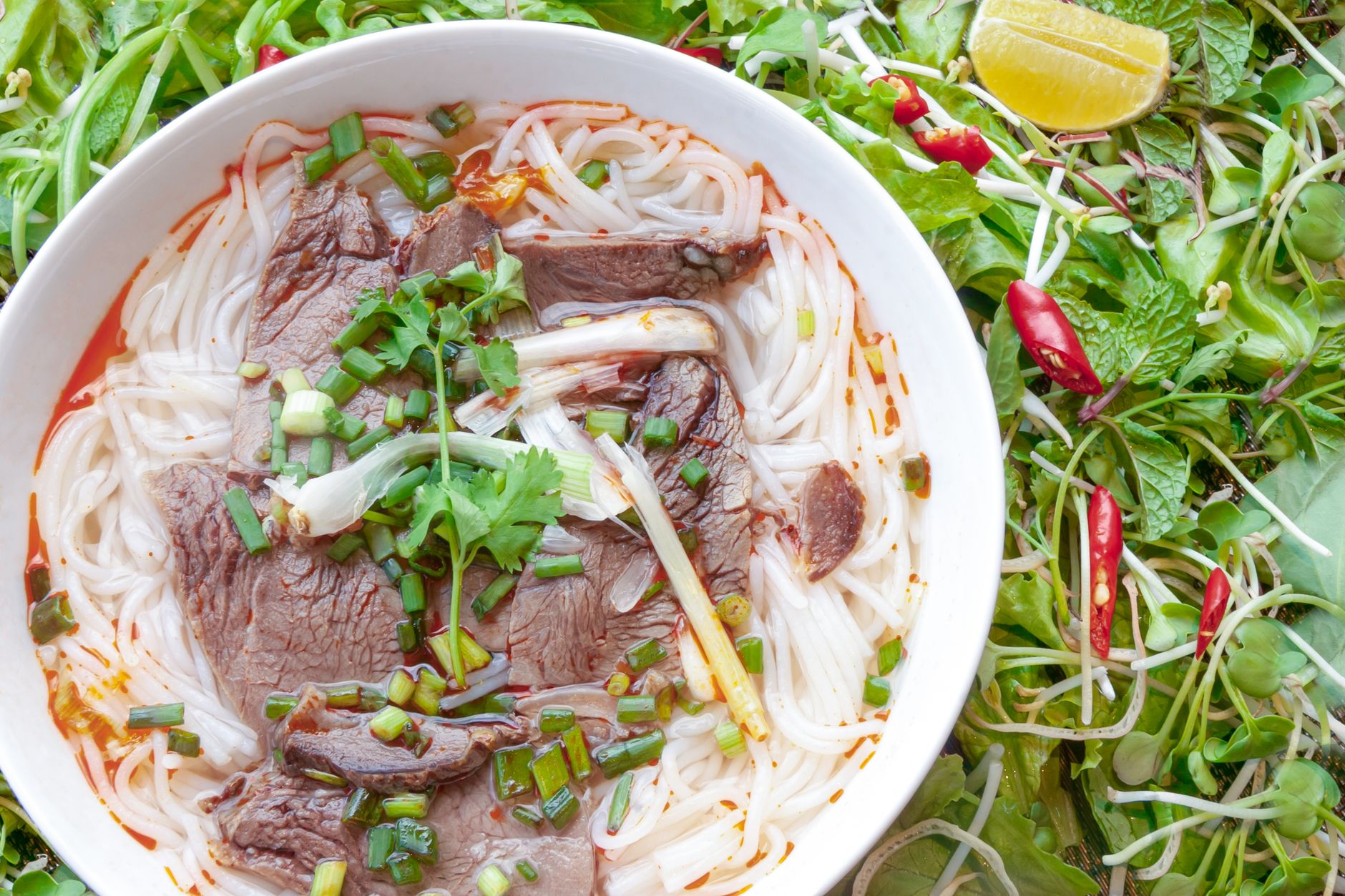
Bun bo Hue is the dish that'll make you forget pho ever existed. This beef noodle soup shows up with a deep crimson broth that gets its color and considerable bite from dried chiles and fermented shrimp paste. Fresh bird's eye chiles float on the surface like little heat grenades waiting to explode in your mouth. Each spoonful hits you in waves: first the chile fire, then the deep funk of fermentation, followed by the cooling mercy of fresh herbs.
Banh khoai—Central Vietnam's answer to the crepe—might look innocent enough, but wait until you hit that nuoc cham dipping sauce spiked with enough fresh chiles to make grown adults tear up. The crepe itself stays mild and crispy, filled with shrimp and bean sprouts, but that sauce turns every bite into a sweet-sour-salty-spicy symphony.
Hue restaurants are finally opening beyond the usual Vietnamese neighborhoods, and honestly, it's about time. The heat typically lands in medium-to-hot territory—manageable for most chile lovers but substantial enough to satisfy anyone who's tired of bland "ethnic" food.
Stir-Fry Heat: When Fire Meets Fresh
Vietnamese stir-fries create heat through pure technique. When blazing hot woks meet fresh chiles, you get dishes with immediate, bright spice that somehow never overwhelms the other flavors.
Thit bo luc lac—"shaking beef"—perfectly captures this approach. Cubed beef gets tossed in a screaming hot wok with onions, garlic, and sliced chilies. The intense heat chars the beef's edges while those chiles release their oils directly into the meat. The result smacks your palate with smoky heat that fades fast, leaving behind pure, concentrated beef flavor.
Com chien transforms from boring fried rice into something worth ordering when prepared with proper chile commitment. Fresh Thai chiles get minced right into the rice with fish sauce, creating tiny pockets of heat scattered throughout every grain. Smart cooks add dried chile flakes during the stir-frying, building heat in layers that keep surprising you.
These wok dishes usually hit medium heat, though the intensity swings wildly depending on your cook's chile philosophy. The magic happens in how that high-heat method distributes the spice evenly while keeping the chiles' bright, fresh character intact.
Fermented Fire: The Sophisticated Side of Vietnamese Heat
The most interesting Vietnamese heat comes from fermented chile preparations that develop complex flavors over weeks or months. These aren't just hot—they're deeply, intriguingly hot in ways that keep pulling you back for more.
Tuong ot toi, a fermented chile-garlic sauce, shows up on tables throughout Vietnam as both condiment and cooking ingredient. Forget that sweet American sriracha—authentic tuong ot maintains a sharp, funky edge from proper fermentation. The chiles, usually red jalapeños mixed with Thai varieties, break down over time into a paste with wine-like complexity lurking beneath the heat.
Bo kho, Vietnamese beef stew, depends entirely on fermented chile paste for both its deep red color and warming heat. The paste gets bloomed in oil at the start, releasing chile oils that eventually penetrate every piece of beef and carrot. After hours of simmering, the heat mellows into something enveloping rather than aggressive—the kind of warmth that makes you crave another bowl.
Cha ca, Hanoi's famous turmeric fish dish, arrives with a small bowl of mam tom—fermented shrimp paste spiked with fresh chiles. How you handle this intensely flavored condiment reveals your heat commitment:
- Conservative approach: A tiny dab mixed into the dipping sauce
- Moderate heat: Small spoonfuls mixed directly with the fish
- Full commitment: Generous additions that turn each bite into a fermented chile revelation
These fermented preparations typically deliver medium to hot heat, but the complexity makes the burn more interesting and sustainable than straight chile punishment.
The Regional Heat Map: How Vietnam Does Spice
Vietnamese regions approach heat completely differently, reflecting local chiles, climate, and what people actually want to eat. Northern Vietnam keeps things subtle—fresh chiles added as garnish or mixed into dipping sauces. Hanoi's famous bun cha includes chile slices in the dipping sauce, but you control your own heat destiny.
Southern Vietnamese cooking, influenced by neighboring Cambodia and Thailand, goes bigger with chile flavors. Hu tieu, the southern noodle soup, often gets chile oil drizzled right into the broth. Fresh Thai bird's eye chiles show up constantly, either sliced into salads or pureed into curry-style dishes like ca ri ga.
Central Vietnam's chile obsession stands completely apart from northern restraint and southern enthusiasm. Here, heat becomes integral to dishes rather than optional. The imperial court tradition of Hue demanded complex, sophisticated flavors, so cooks developed chile applications that added serious heat without sacrificing elegance.
Bringing Vietnamese Heat Home
Cooking Vietnamese spicy dishes at home means understanding how different chile preparations contribute to your final heat profile. Fresh Thai chiles provide immediate, bright heat that hits fast and fades relatively quickly. Dried chile flakes add background warmth that builds steadily. Fermented chile pastes contribute deep, complex heat that develops throughout the cooking process.
Start with dishes where you control the heat level. Plain pho ga becomes a spicy revelation with sliced fresh chiles and a good squeeze of sriracha or sambal oelek. Vietnamese lemongrass chicken takes beautifully to fresh chiles added during the final stir-fry stage.
For deeper heat integration, invest in quality fermented chile-garlic sauce and learn to bloom it in oil before adding other ingredients. This technique runs throughout Vietnamese cooking and creates the foundation for properly developed chile flavor.
The secret lies in balancing heat with the fresh herbs, fish sauce, and citrus that define Vietnamese flavor profiles. The chiles should amplify these elements, not bulldoze them. When you get it right, Vietnamese spicy dishes leave you craving another bite despite the heat—or maybe because of it.
Peppers featured in this post
Cook with this idea
Recipes to try next.
Put these ingredients and techniques to use in your next meal.

vietnamese · medium
Apr 20, 2026Vietnamese Lemongrass Pork Banh Mi Burgers
Ground pork patties infused with lemongrass and fish sauce, topped with pickled vegetables and sriracha mayo on crusty rolls 45 min · 0 saves.

vietnamese · medium
Apr 15, 2026Vietnamese Lemongrass Chicken with Chilies (Gà Nướng Sả Ớt)
Juicy chicken thighs marinated in fragrant lemongrass and fish sauce, then grilled with fresh chilies for that perfect Vietnamese balance of aromatic and spicy that builds beautifully with each bite. 45 min · 0 saves.

vietnamese · hot
May 11, 2026Vietnamese Lemongrass Wings with Scotch Bonnet Glaze
Crispy chicken wings marinated in lemongrass and fish sauce, then glazed with a fiery scotch bonnet caramel that brings serious heat with Vietnamese soul. 55 min · 0 saves.
Bottle picks
Related hot sauce reviews.
Explore sauces with related ingredients, flavors, and heat levels.
Fly By Jing Sichuan Gold Review
A citrusy, tingly sauce with real peppercorn presence and enough versatility to move beyond dumplings.
Best for dumplings
Best for: Eggs and breakfast tacos
Skip if: Skip if you want a thick, smoky wing sauce more than a bright finishing bottle.
Read review
Mike's Hot Honey Review
Sweet heat done right: sticky, quick, and versatile enough to become a finishing move instead of a novelty.
Best for gifting
Best for: Pizza and fried chicken
Skip if: Skip if you want a classic vinegar-forward table sauce with almost no sweetness.
Read review
Heatonist Los Calientes Rojo Review
Heatonist Los Calientes Rojo: flavor notes, heat level, and suggested food pairings.
Best for tacos
Best for: Tacos and rice bowls
Skip if: Skip if you are chasing a novelty-level heat hit or a super-special-occasion bottle.
Read review
Go deeper
Background guides that build on this.
Keep reading
More on this subject.
If this post helped, these are the next pieces most likely to keep the thread going.

culture
Apr 15, 2026The Spicy Vietnamese Dishes Taking Over American Tables Right Now
Vietnamese cooks have always known something about heat that the rest of us are just catching on to—it's not about the burn, it's about the balance. These three dishes show exactly why Vietnamese spice is having such a moment right now.

culture
Apr 11, 2026Vietnamese Noodle Dishes: Broths, Herbs, and Chili Dressings
Compare Vietnamese noodle soups and salads, from lemongrass-scented bún bò Huế to herb-filled bowls with chili dressing.
culture
Jun 14, 2026The Fiery Side of Vietnamese Comfort: Spicy Dishes That Define a New Generation
There's a whole world of Vietnamese cooking that goes way beyond pho—dishes that'll warm you from the inside out. From the imperial heat of bún bò Huế to the communal fire of spicy hot pot, these are the comfort foods that Vietnamese families have been passing down for generations.
Comments
Reader discussion is shared across recipes, reviews, and editorial pieces.
Comments are read-only while member sign-in is paused.