Gochugaru
Also known as: Korean chili flakes, Korean red pepper, gochugaru flakes
Gochugaru (고추가루) is the sun-dried, coarsely ground Korean chili pepper that forms the flavor backbone of kimchi, gochujang, tteokbokki, and most of Korean cooking. Less about raw heat, more about deep red color and complex umami-adjacent flavor.
Scoville
4K–8K SHU
Heat
Medium
Origin
east asia
Species
C. annuum
Type
Drying chile
Plant height
24–36 in
Heat profile
Medium heat — 4K–8K SHU
See the full scoville scale →Flavor profile
Smoky, sweet, and mildly fruity with a gentle warmth — the defining flavor of Korean cuisine.
Gochugaru is proof that a pepper's culinary importance has nothing to do with its Scoville rating. At roughly jalapeño-level heat, this pepper shapes the flavor identity of an entire national cuisine. The characteristic red color of Korean food — kimchi, sundubu jjigae, dakgalbi — comes from gochugaru's pigment. The fermentation process in gochujang concentrates it into a paste of extraordinary depth. This is the pepper to understand if you want to cook Korean food authentically.
Color
Deep red
Did you know
Despite its central place in Korean cuisine today, chili peppers are not native to Korea — they were introduced by Portuguese or Japanese traders in the late 16th century, around the time of the Imjin War.
How to use it
- —Essential ingredient in kimchi fermentation
- —Base for gochujang paste (combined with rice and fermented soy)
- —Tteokbokki sauce with fish cakes
- —Korean fried chicken marinade and coating
- —Dubu jorim (spicy braised tofu)
Pairs well with
Substitutes
Can't find gochugaru? Try one of these.
How to grow it
Growing gochugaru at home
USDA zones
Perennial in 9–11, annual in 4–8
Germinate
10–20 days
To harvest
~90 days from transplant
Plant height
24–36 in
Sun
full sun
Water
moderate
Container
Container-friendly
Traditional Korean cultivars (taeyang chili especially) produce thinner, more elongated pods than American varieties. Behaves like a standard annuum: easy to germinate, productive in containers, no special requirements. The traditional preparation is the harder part — peppers are sun-dried on woven mats for weeks until fully leathery, then ground coarse or fine.
Where to find it
Buying gochugaru
Fresh
Fresh Korean chiles are uncommon outside Korean grocers and Asian markets in cities with Korean communities.
Dried
Gochugaru flakes are sold year-round at Korean grocers, H Mart, and increasingly at mainstream supermarkets in Asian or international sections. Coarse and fine grinds available.
Seasonality
Imported product is available year-round; Korean home producers do most drying after fall harvest.
Seed sources
- Kitazawa Seed
- Baker Creek
- Asian Garden 2 Table
Quality varies enormously. Look for bright red, slightly oily flakes — pale or brown-tinged gochugaru has been on the shelf too long and lost both flavor and color. Korean brands (Wang, Assi, Chung Jung One) are reliable. Coarse grind (굵은 고추가루) is for kimchi and stews; fine grind (고운 고추가루) is for sauces and seasoning blends.
History & origin
Where gochugaru comes from
Chiles aren't native to Korea — they arrived via Portuguese or Japanese traders in the late 16th century, around the time of the Imjin War. But within a few generations, Korean cooks had built an entire culinary identity around them. Sun-drying chiles into gochugaru and fermenting them with rice and soybeans into gochujang created the flavor palette that defines modern Korean cooking. The before-and-after of Korean cuisine — what it tasted like in 1500 versus 1700 — is dramatic. The chile is now considered as 'Korean' as kimchi itself.
Cook with it
Recipes that use gochugaru.

korean · mild
Sep 6, 2026Gochujang-Glazed Chicken Wings
Tender, glossy chicken wings coated in a mild gochujang glaze with sesame and garlic. The heat is gentle and rounded, never sharp—perfect for sharing without worry about tolerance gaps at the table. 50 min · 0 saves.
korean · reaper
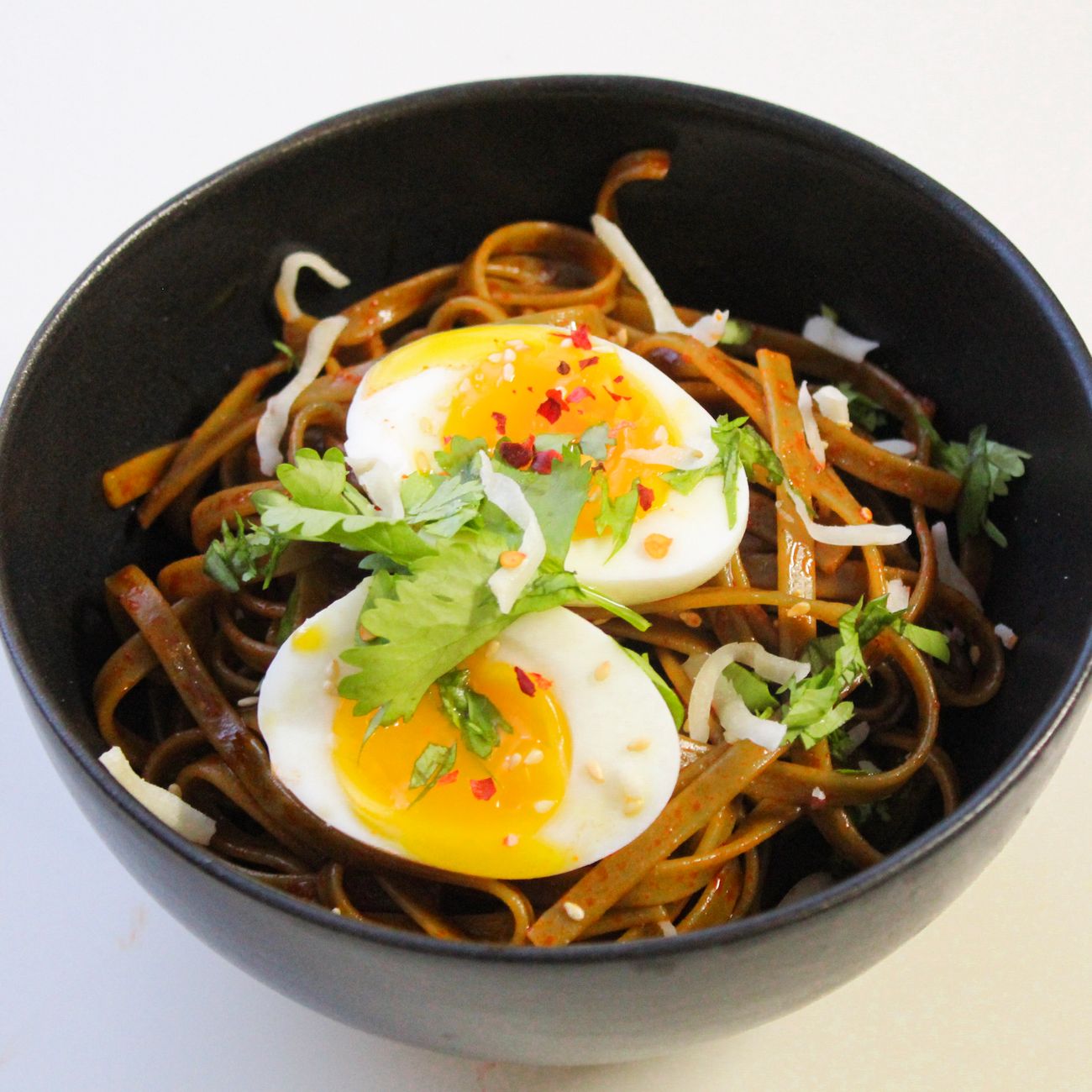
Jun 9, 2026Carolina Reaper Bibim Naengmyeon (Spicy Cold Buckwheat Noodles)
Intensely spicy Korean cold buckwheat noodles with Carolina Reaper-spiked gochujang sauce, julienned vegetables, and a soft-boiled egg 40 min · 0 saves.

korean · reaper
May 31, 2026Korean Fire Chicken Burger with Carolina Reaper Gochujang
A Korean-style fried chicken burger featuring Carolina Reaper-infused gochujang glaze and pickled daikon slaw on a toasted brioche bun 70 min · 0 saves.
From the blog
Articles about gochugaru.
culture
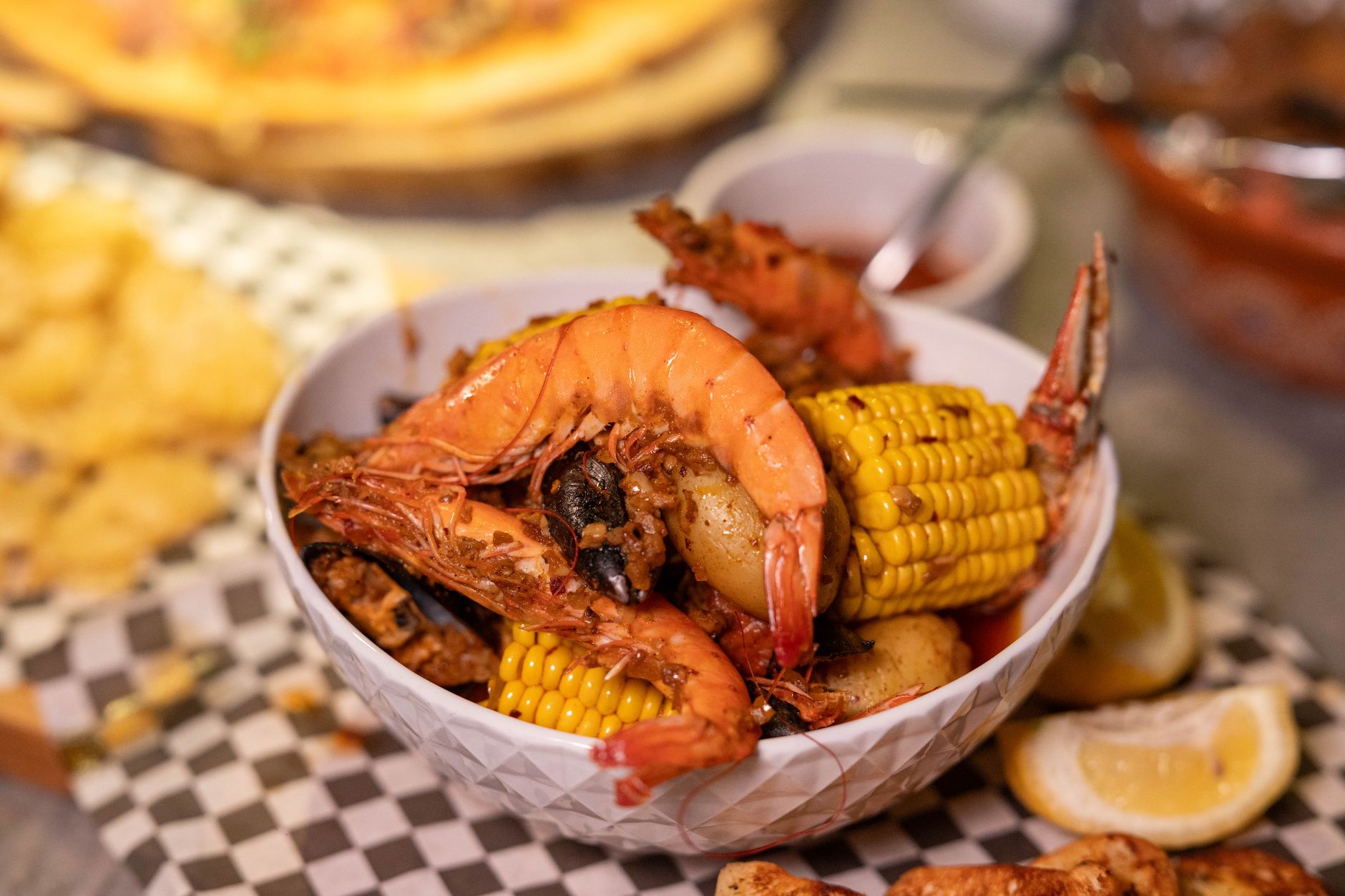
Jun 13, 2026Boudin, Crawfish Boils, and Cajun-Inspired Dishes
Boudin, crawfish boils, and Cajun-inspired dishes offer different textures and seasoning choices, from rice sausage to spiced seafood.

science
Jun 3, 2026Sichuan Peppercorns, Doubanjiang, and Chili Oil
Sichuan peppercorns, doubanjiang, and chili oil add tingle, savory depth, and chili flavor. Learn where each fits in a dish.

science
May 31, 2026Miso, Sesame, and Fermented Chili Pastes in Japanese-Inspired Dishes
Miso, sesame, dashi, and fermented chili pastes provide a savory base for Japanese-inspired noodle bowls and other spicy dishes.
Similar peppers
Other medium peppers
Frequently asked
Common questions about gochugaru
What's the difference between gochugaru and gochujang?
Gochugaru is dried, crushed Korean chile peppers — a dry flake or powder, like a Korean version of red pepper flakes but sweeter and fruitier. Gochujang is a fermented paste made from gochugaru, glutinous rice, soybeans, and salt — completely different format, much more umami-rich. Both are foundational to Korean cooking and not interchangeable.
How hot is gochugaru?
Around 4,000 to 8,000 Scoville Heat Units — similar to a jalapeño. The heat is genuinely moderate; gochugaru's role in Korean cooking is more about flavor and color than burn. The 'spicy' character of Korean food often comes from quantity (lots of gochugaru) rather than capsaicin intensity per gram.
Can I substitute red pepper flakes for gochugaru?
Not well. Standard American red pepper flakes (typically cayenne-based) are hotter, less sweet, and less fruity. They'll add heat to Korean dishes but won't produce the right flavor or color. For better substitution: aleppo pepper or a 50/50 mix of smoked paprika and regular paprika gets closer. Best answer: gochugaru is widely available at any Korean or Asian grocer and online — worth buying the real thing.
What's coarse vs fine gochugaru?
Coarse gochugaru (굵은 고추가루) is large flakes — used for making kimchi, where the visible red pieces are part of the look, and for hearty stews. Fine gochugaru (고운 고추가루) is closer to a powder — used in sauces, soups, and seasoning blends where you want even distribution. Most Korean home cooks keep both on hand.
Pantry examples
If you want to taste gochugaru in a bottle or pantry product
These are optional examples of how this pepper shows up in real products. The profile above stands on its own even if you never shop from this section.
Flavor builder
Chung Jung One Gochujang Paste
Fermented chili paste for noodles, wings, marinades, and that sweet-savory Korean backbone.
View example ↗Numbing heat
Fly By Jing Sichuan Gold
A more citrusy, peppercorn-leaning sauce when you want flavor movement instead of pure capsaicin.
View example ↗Texture hit
Crunchy Chili Crisp
Crunch, oil, and lingering heat for dumplings, eggs, noodles, and roasted vegetables.
View example ↗