Aleppo Pepper
Also known as: halaby pepper, halaby biber, Syrian pepper
The Aleppo pepper is one of the most distinctive flaked chiles in the world — a Syrian-Turkish staple that combines moderate heat with a complex flavor that lands closer to dried fruit than to standard red pepper flakes. Sun-dried, salted, deseeded, and coarsely ground.
Scoville
5K–10K SHU
Heat
Medium
Origin
middle east
Species
C. annuum
Type
Drying chile
Plant height
24–36 in
Heat profile
Medium heat — 5K–10K SHU
See the full scoville scale →Flavor profile
Sun-dried tomato, raisin, dried-fruit smoke, and a slow-building moderate heat.
If you only ever own one specialty chile flake, Aleppo is the one to choose. The combination of sun-dried tomato, raisin sweetness, and gentle building heat works almost anywhere standard red pepper flakes would — pasta, pizza, roasted vegetables, eggs — but with significantly more flavor character. The Syrian war disrupted traditional Aleppo region production starting in 2011; much of today's supply comes from Gaziantep, Turkey, which produces a near-identical pepper that is also (confusingly) labeled 'Aleppo' in the US market. The Turkish version is excellent; purists distinguish them, but most Western buyers can use either interchangeably.
Color
Deep red (dried and flaked)
Did you know
Traditional Aleppo pepper production is so labor-intensive that the price reflects it — peppers are sun-dried over weeks on rooftop terraces, then hand-deseeded, salted, and coarsely milled. Modern commercial processing speeds this up but high-quality Aleppo is still a premium product.
How to use it
- —Sprinkled on hummus, labneh, and other Mediterranean dips
- —Mixed into spice rubs for grilled lamb, chicken, and fish
- —Stirred into salad dressings for warm-tomato character
- —Substituted for red pepper flakes on pasta and pizza for more flavor depth
- —Added to muhammara, the Syrian red pepper-walnut spread
Pairs well with
Substitutes
Can't find aleppo pepper? Try one of these.
Gochugaru
1:14K–8K SHU
Korean gochugaru has similar flake form and moderate heat. Less fruit-and-raisin character; more straightforward sweet smoke. Works in non-Middle-Eastern applications.
Calabrian Chili
1:1 (flakes)25K–40K SHU
Italian Calabrian flakes have similar heat and a comparable fruit character. Closer to Aleppo than American red pepper flakes.
How to grow it
Growing aleppo pepper at home
USDA zones
Perennial in 9–11, annual in 4–8
Germinate
10–21 days
To harvest
~90 days from transplant
Plant height
24–36 in
Sun
full sun
Water
moderate
Container
Container-friendly
Halaby biber (the cultivar name) grows similarly to other annuum peppers. The flavor comes from the traditional processing — sun-drying, salting, partial removal of seeds — rather than from the fresh pepper itself. Growing the pepper is straightforward; producing authentic Aleppo flakes at home requires the multi-week drying process.
Where to find it
Buying aleppo pepper
Fresh
Fresh halaby biber is rare in the US — mostly available at Middle Eastern grocers or via specialty growers.
Dried
Aleppo pepper flakes are widely available — Middle Eastern grocers, specialty spice retailers (Penzeys, Burlap & Barrel, World Spice), and most upscale supermarkets. Both Syrian and Turkish-origin versions are sold.
Seasonality
Year-round dried product; the multi-week processing means continuous supply.
Seed sources
- Baker Creek (heritage seed)
- specialty Middle Eastern seed importers
Quality varies. Look for Aleppo that is moist, oily, deep red, and pleasantly fragrant — dry, pale, or odorless flakes have been on the shelf too long. Burlap & Barrel sells Syrian-origin Aleppo; many Middle Eastern grocers sell Turkish-origin. Both are excellent.
History & origin
Where aleppo pepper comes from
The Aleppo pepper takes its name from the Syrian city where commercial production was concentrated for centuries — a center of the Levantine spice trade since Ottoman times. The Syrian civil war that began in 2011 severely disrupted production around Aleppo, and much of today's commercial 'Aleppo pepper' is grown across the border in Gaziantep, Turkey (where the same cultivar has been cultivated for nearly as long). Syrian Aleppo is slowly returning to market as regional production recovers.
Cook with it
Recipes that use aleppo pepper.
middle_eastern · inferno
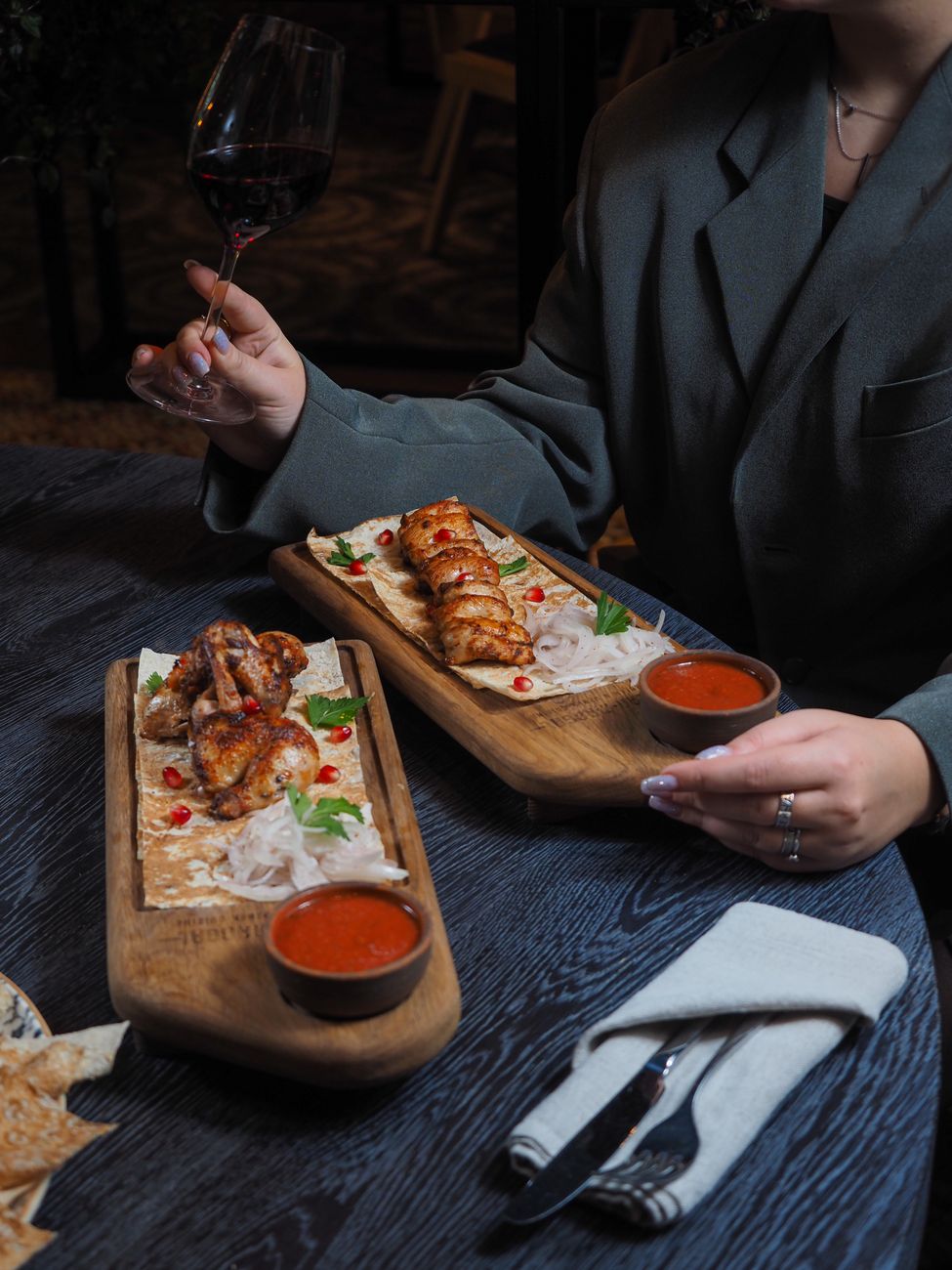
Jun 15, 2026Scorpion Harissa Wings with Pomegranate Glaze
Middle Eastern-spiced chicken wings with an extreme heat harissa marinade featuring Trinidad Scorpion peppers and a tangy pomegranate molasses glaze. 70 min · 0 saves.

other · reaper
May 28, 2026Reaper-Spiked Greek Chicken with Lemon and Oregano
Golden chicken thighs bathed in Carolina Reaper-spiked olive oil with bright lemon and fragrant oregano, then seared until crispy and finished with a fresh herb drizzle that brings sunshine to your plate 50 min · 0 saves.
other · mild
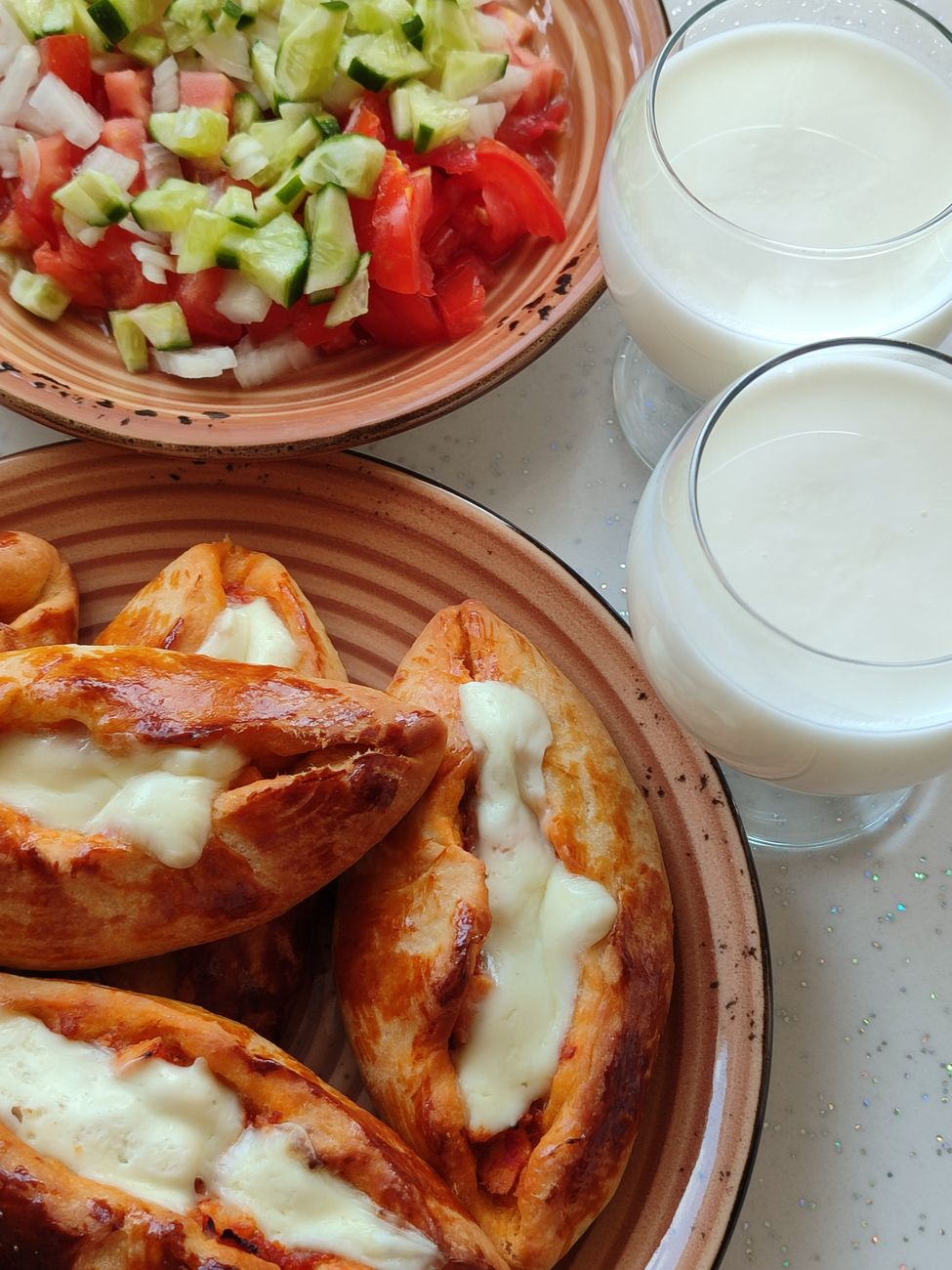
May 15, 2026Turkish Köfte Burgers with Mild Pepper Paste
Tender lamb and beef patties kissed with Turkish spices and biber salçası (mild pepper paste), nestled in warm pide bread with cooling yogurt sauce and crisp vegetables. 32 min · 0 saves.
From the blog
Articles about aleppo pepper.
science
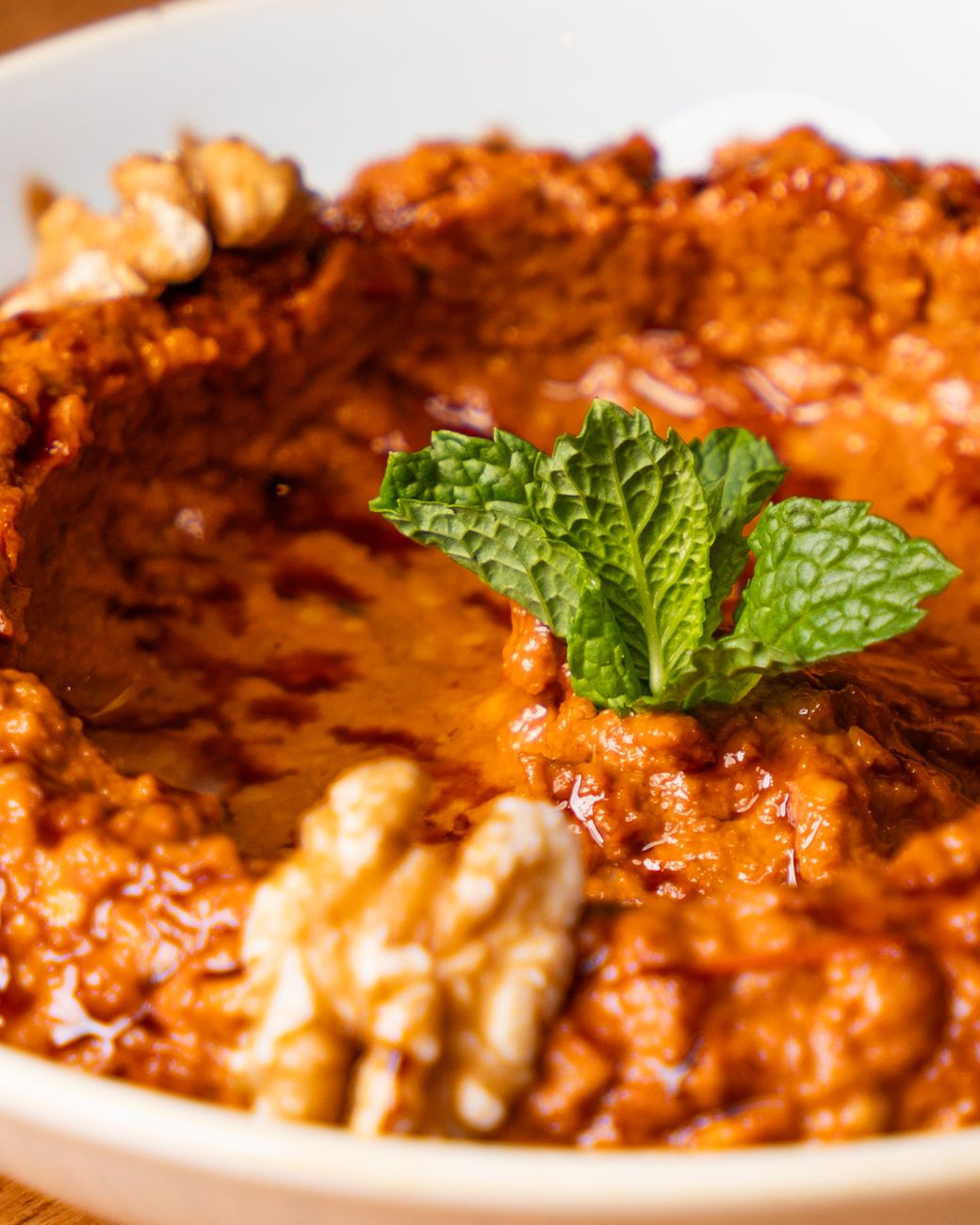
Oct 7, 2026Why Middle Eastern Spicy Dishes Are Built on Layered Heat, Not Just Fire
Middle Eastern spicy food layers chile peppers with warm spices and acid to build depth instead of just heat. Learn how dishes like harissa and muhammara work, and how to adjust the burn to your taste.

culture
Jun 15, 2026Four Middle Eastern Heat Styles That Should Be on Your Radar Right Now
From harissa's patient burn to zhug's bright herb-fire, these Middle Eastern heat styles teach us that the best spicy food builds complexity alongside warmth—and they'll change how your family thinks about heat.

science
Jun 8, 2026Middle Eastern Spicy Dishes: Dried Chiles and Cooling Accompaniments
Dried chiles, herbs, rich sauces, and cooling accompaniments create contrast in Middle Eastern spicy dishes. Explore ways to balance a plate.
Similar peppers
Other medium peppers
Frequently asked
Common questions about aleppo pepper
What does Aleppo pepper taste like?
Sun-dried tomato, raisin, mild smoke, and a slowly-building moderate heat. The flavor is the appeal — Aleppo tastes like an ingredient, not just heat. Compared to standard American red pepper flakes (which are mostly heat with little flavor), Aleppo brings genuine fruit and depth.
How spicy is Aleppo pepper?
Mild to medium — about 10,000 Scoville Heat Units, similar to a hot jalapeño. The heat builds slowly rather than hitting immediately. You can use Aleppo more liberally than standard red pepper flakes because the heat is gentler and the flavor justifies the larger quantity.
Where can I buy real Aleppo pepper?
Middle Eastern grocers carry it most reliably; specialty spice retailers like Burlap & Barrel and Penzeys carry quality versions online. Most upscale supermarkets (Whole Foods, Wegmans) now stock it in the spice aisle. Look for moist, oily, dark red flakes — the freshest product has visible sheen.
Can I substitute red pepper flakes for Aleppo?
Yes, but you'll lose the flavor character — Aleppo's fruit-and-smoke notes don't come through with standard American red pepper flakes. For closer substitution: Turkish marash biber (a close cousin), Korean gochugaru (similar flake form), or a mix of paprika and a small amount of cayenne approximates the heat and color without the depth.
Pantry examples
If you want to taste aleppo pepper in a bottle or pantry product
These are optional examples of how this pepper shows up in real products. The profile above stands on its own even if you never shop from this section.
Bright finisher
Tajin Clasico Seasoning
Citrusy chile seasoning for fruit, grilled corn, rims, cucumbers, and the kind of summer snacks that disappear fast.
View example ↗