culture
Three Moroccan Spice Routes That Will Change How You Think About Heat
The heat in Moroccan cooking doesn't slap you in the face—it draws you in with layers of warmth that make every bite more interesting than the last. Here's how three essential spice traditions create some of the world's most irresistible heat.
Share this
Pass it around
Send this page to a friend, copy the link, or save it to a Pinterest board.

Save for later
Pin this page
Save the image with a link back to this recipe, review, or article.
Three Moroccan Spice Routes That Will Change How You Think About Heat
I'll tell you what I love about Moroccan heat: it never bullies you. While other cuisines might challenge you to a chili-eating contest, Morocco invites you to sit down, stay awhile, and discover how warmth can actually make food more delicious rather than just more intense.
This isn't accident—it's the result of centuries of spice traders, home cooks, and family kitchens perfecting the art of building heat into something you actually crave. Three spice approaches do most of the heavy lifting here, each one offering a completely different way to think about what "spicy" can mean at your dinner table.
Harissa: The Red Paste That Does Everything
Harissa has become the hardest-working ingredient in my kitchen, and probably yours too if you've discovered its magic. This isn't just a condiment you dollop on the side—it's a marinade, a cooking medium, and a finishing sauce that somehow makes sense in all three roles.
The traditional blend marries dried chilies (usually a mix of hot and mild varieties) with garlic, coriander, caraway, and cumin. What you get is this gorgeous red paste that hits you with immediate warmth, then unfolds into all these earthy, slightly sweet layers that keep your palate engaged.
Here's the brilliant part: harissa scales beautifully to your heat tolerance. Make it with mostly mild chilies and just a whisper of cayenne, and you've got something that builds slowly, warming you from the inside. Want more fire? Bump up the hot pepper ratio and you'll get proper heat that still maintains those essential aromatic undertones.
Tagines absolutely sing with harissa treatment. The paste melts into the braising liquid, painting everything with this beautiful color while distributing heat evenly throughout. Try chicken thighs braised with harissa, preserved lemons, and olives—the chili warmth actually opens up your palate to catch the bright pop of those lemons and the mineral depth of good olives.
Lamb shoulder gets the same love. Harissa's oil content helps create those gorgeous caramelized edges while the interior stays tender and aromatic. The trick is getting the harissa in early, letting those flavors meld and mellow while keeping enough residual warmth to make every bite interesting.
Chermoula's Bright, Fresh Fire
Where harissa brings concentrated intensity, chermoula represents the fresh, green side of Moroccan heat. This herb-forward sauce combines cilantro and parsley with garlic, ginger, and fresh hot peppers, creating something that penetrates ingredients while adding bright, clean heat.
Fish loves chermoula more than any other treatment I know. The acidity and heat cut through rich, oily fish like salmon or tuna without overwhelming their natural sweetness. Those fresh chilies—serrano or jalapeño work beautifully when you can't find traditional varieties—provide clean heat that actually enhances rather than masks delicate flavors.
Don't overlook vegetables here. Eggplant and zucchini drink up chermoula like they're thirsty for it, while root vegetables like carrots and turnips develop these incredible caramelized exteriors that contrast beautifully with their tender, spice-infused centers.
The sauce also makes a killer finishing touch. A spoonful over grilled vegetables or roasted chicken adds instant freshness and heat without weighing anything down. Unlike heavy, cooked sauces, chermoula keeps its bright character even when it's sitting alongside rich, warming dishes.
Ras El Hanout: The Spice Blend That Thinks in Layers
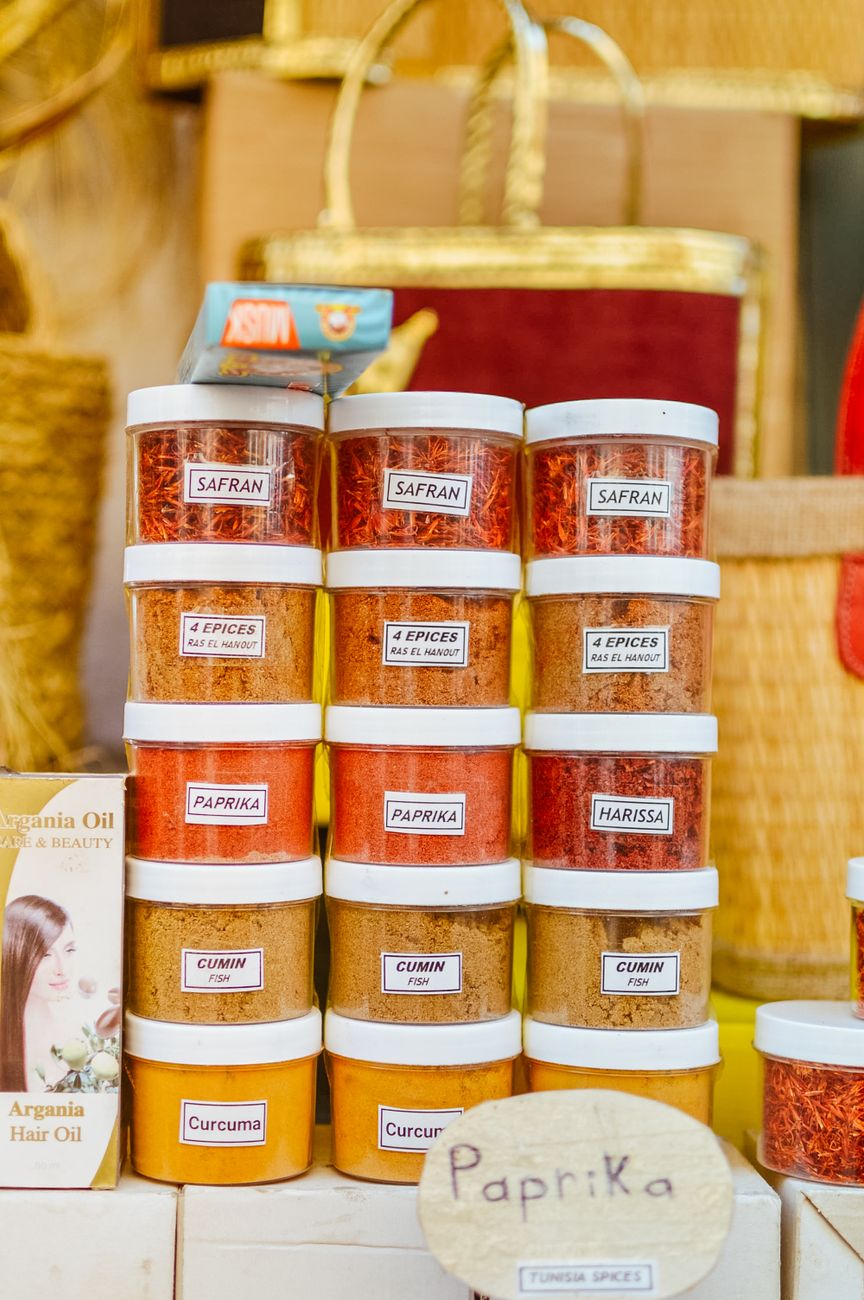
Ras el hanout represents Morocco's most sophisticated take on spice blending—anywhere from twelve to thirty individual spices working in careful harmony. The name means "head of the shop," basically the spice merchant's greatest hits album in powder form.
The heat here comes from multiple sources creating this symphony of warmth:
- Black pepper delivers sharp, immediate heat
- Cayenne or hot paprika provides that sustained burn
- Ginger adds warming spice without overwhelming fire
- Sometimes long pepper or grains of paradise for those exotic heat notes
This layered approach means you experience different warming sensations as you eat. First bite might bring ginger's gentle warmth, followed by black pepper's sharpness, then cayenne's lingering burn. Meanwhile, cooling spices like cardamom and cinnamon keep everything balanced.
Rice showcases ras el hanout like nothing else. The blend coats every grain, giving you consistent flavor and heat in each forkful. Those pilaf-style preparations where you bloom the spices in oil first? Pure magic—you're intensifying each individual spice while creating completely new flavor compounds.
Slow-braised meats become something special with ras el hanout. Beef or lamb develops these deep, complex flavors as all those spices penetrate the protein. The heat stays present but never harsh, mellowed by long cooking while those warming spices create this almost therapeutic sensation that makes you understand why people have been cooking this way for centuries.
Building Your Moroccan Spice Pantry
Starting your Moroccan spice collection means understanding how heat works in these traditional blends. Fair warning: commercial versions often dial down the spice significantly, so tasting and adjusting becomes crucial.
For harissa, seek out paste rather than powder. You want to see that oil content, and the color should range from deep red to burgundy depending on the chilies used. Taste before you commit to quantities—some brands pack serious fire while others barely register as warm.
Chermoula shines when made fresh, but quality prepared versions exist. Look for real herbs rather than dried substitutes in the ingredient list, and make sure fresh chilies feature prominently.
Ras el hanout varies dramatically between producers. Some lean heavily on sweet warming spices with minimal heat, others pack substantial chili content. Ingredient lists give you clues about heat levels, but honestly, tasting remains your only reliable guide.
These three approaches offer different entry points into Morocco's heat culture, each one accommodating different preferences while keeping those authentic flavor profiles intact. Start with whichever speaks to your current heat tolerance, then explore the others as your palate grows more adventurous. Each brings something distinct to the table—and once you understand how they work, you'll see why Moroccan spice culture is so completely addictive.
Peppers featured in this post
Cook with this idea
Recipes to try next.
Put these ingredients and techniques to use in your next meal.
moroccan · medium
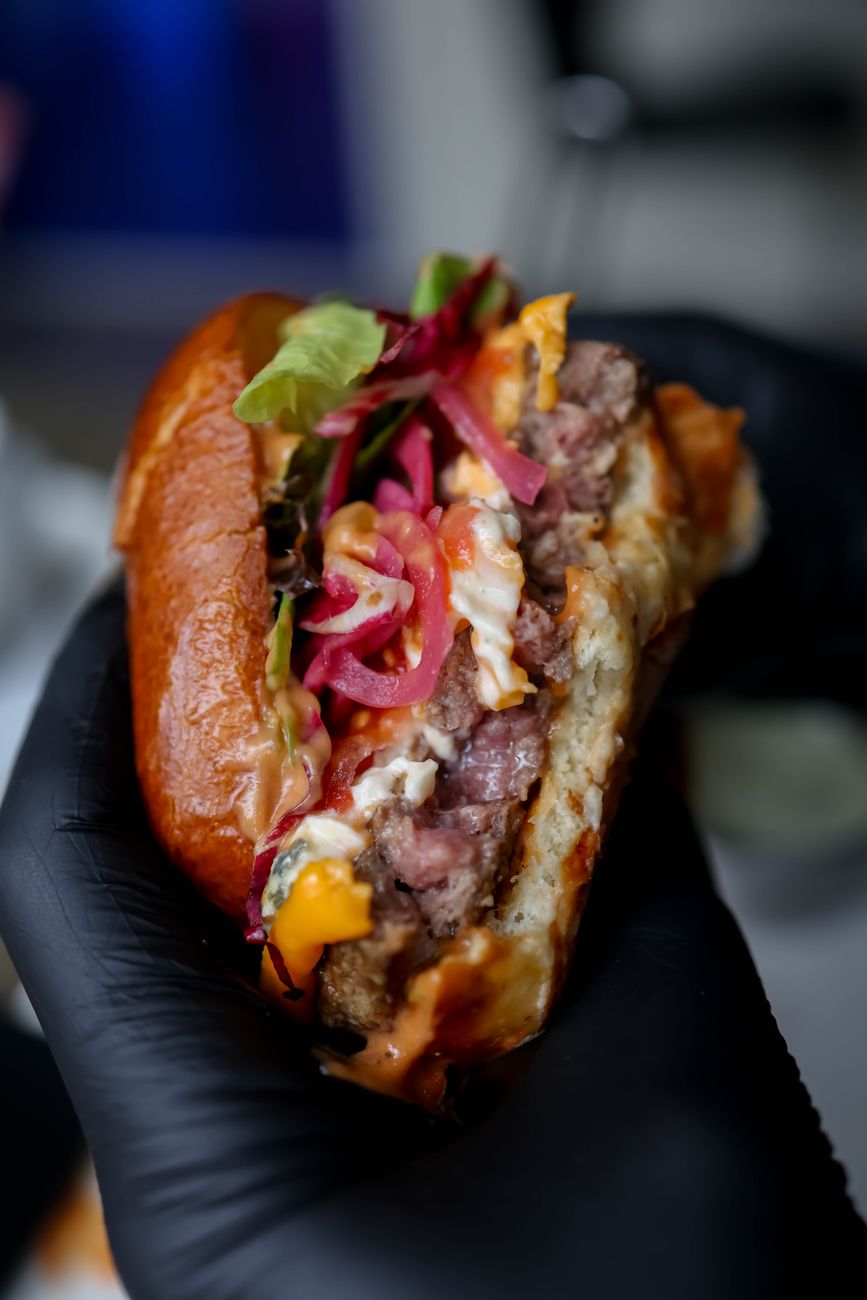
May 31, 2026Moroccan Lamb Burgers with Harissa Mayo and Preserved Lemon
Ground lamb patties seasoned with warming spices and medium-heat harissa, served on brioche with cooling harissa mayo and tangy preserved lemon 32 min · 0 saves.
moroccan · mild
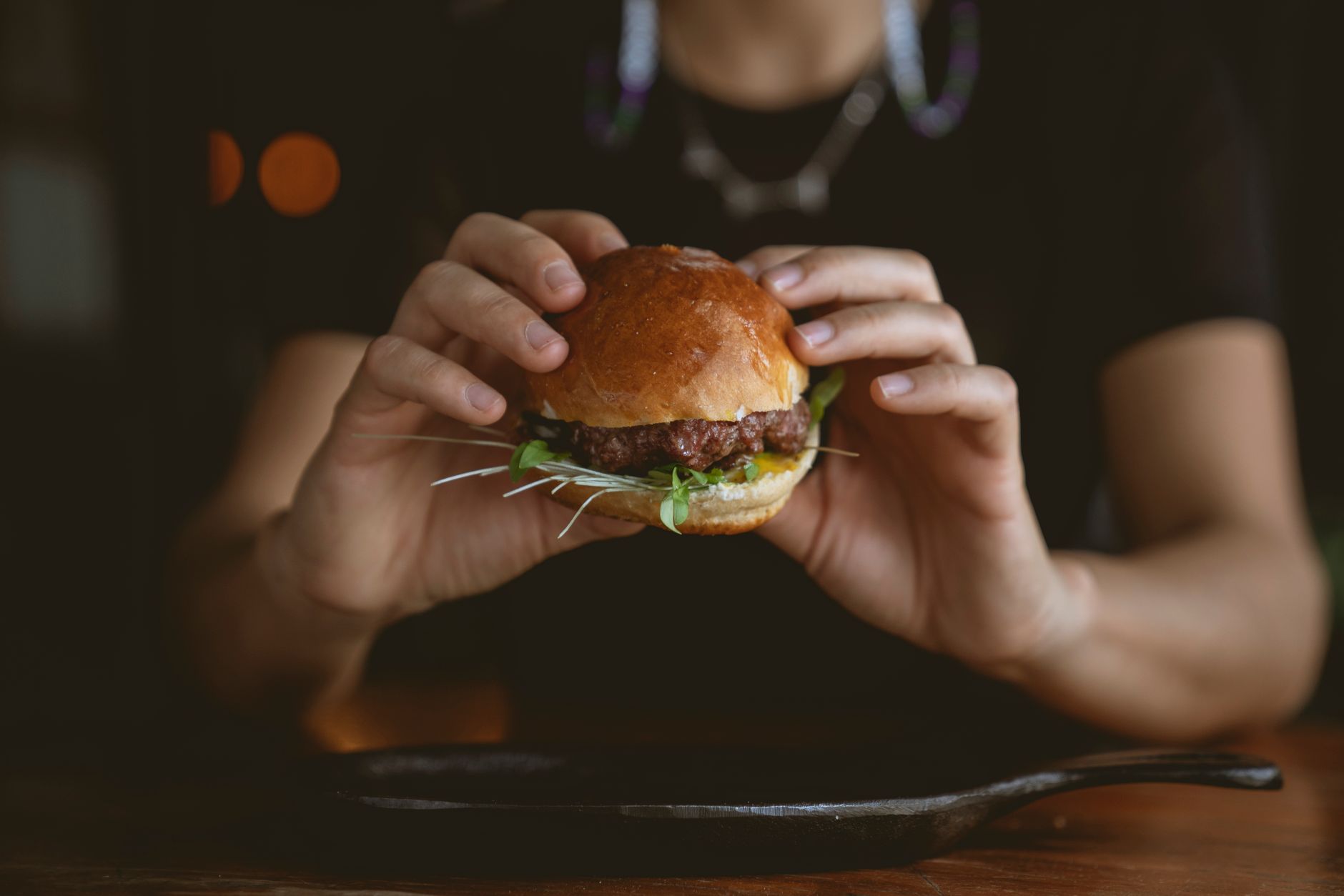
Jun 14, 2026Moroccan Lamb Burgers with Harissa Yogurt and Mint
Juicy ground lamb patties warmed with cumin, coriander, and a gentle touch of harissa, served on soft brioche with cooling yogurt sauce and bright mint leaves. 35 min · 0 saves.

moroccan · mild
May 22, 2026Moroccan Chicken Wings with Harissa Honey Glaze
Tender chicken wings glazed with a gentle harissa-honey mixture, perfumed with warm Moroccan spices and finished with fresh herbs. 60 min · 0 saves.
Bottle picks
Related hot sauce reviews.
Explore sauces with related ingredients, flavors, and heat levels.
Fly By Jing Sichuan Gold Review
A citrusy, tingly sauce with real peppercorn presence and enough versatility to move beyond dumplings.
Best for dumplings
Best for: Eggs and breakfast tacos
Skip if: Skip if you want a thick, smoky wing sauce more than a bright finishing bottle.
Read review
Mike's Hot Honey Review
Sweet heat done right: sticky, quick, and versatile enough to become a finishing move instead of a novelty.
Best for gifting
Best for: Pizza and fried chicken
Skip if: Skip if you want a classic vinegar-forward table sauce with almost no sweetness.
Read review
Heatonist Los Calientes Rojo Review
Heatonist Los Calientes Rojo: flavor notes, heat level, and suggested food pairings.
Best for tacos
Best for: Tacos and rice bowls
Skip if: Skip if you are chasing a novelty-level heat hit or a super-special-occasion bottle.
Read review
Go deeper
Background guides that build on this.
Keep reading
More on this subject.
If this post helped, these are the next pieces most likely to keep the thread going.
culture
Apr 15, 2026Three Moroccan Heat Styles That Deserve Your Attention Right Now
From harissa's smoky embrace to the bright fire of chermoula, these Moroccan heat styles understand something most spicy cuisines miss—complexity matters more than burn.

culture
Apr 15, 2026Why Moroccan Heat Is Having Its Moment: The Spicy Tagines and Harissa Dishes We Can't Stop Making
From smoky harissa that blooms in hot oil to bright chermoula that makes fish sing, Moroccan spicy dishes build heat through layers instead of just burning your tongue. Here's why these techniques are taking over our dinner tables—and how to make them work in your kitchen.
culture
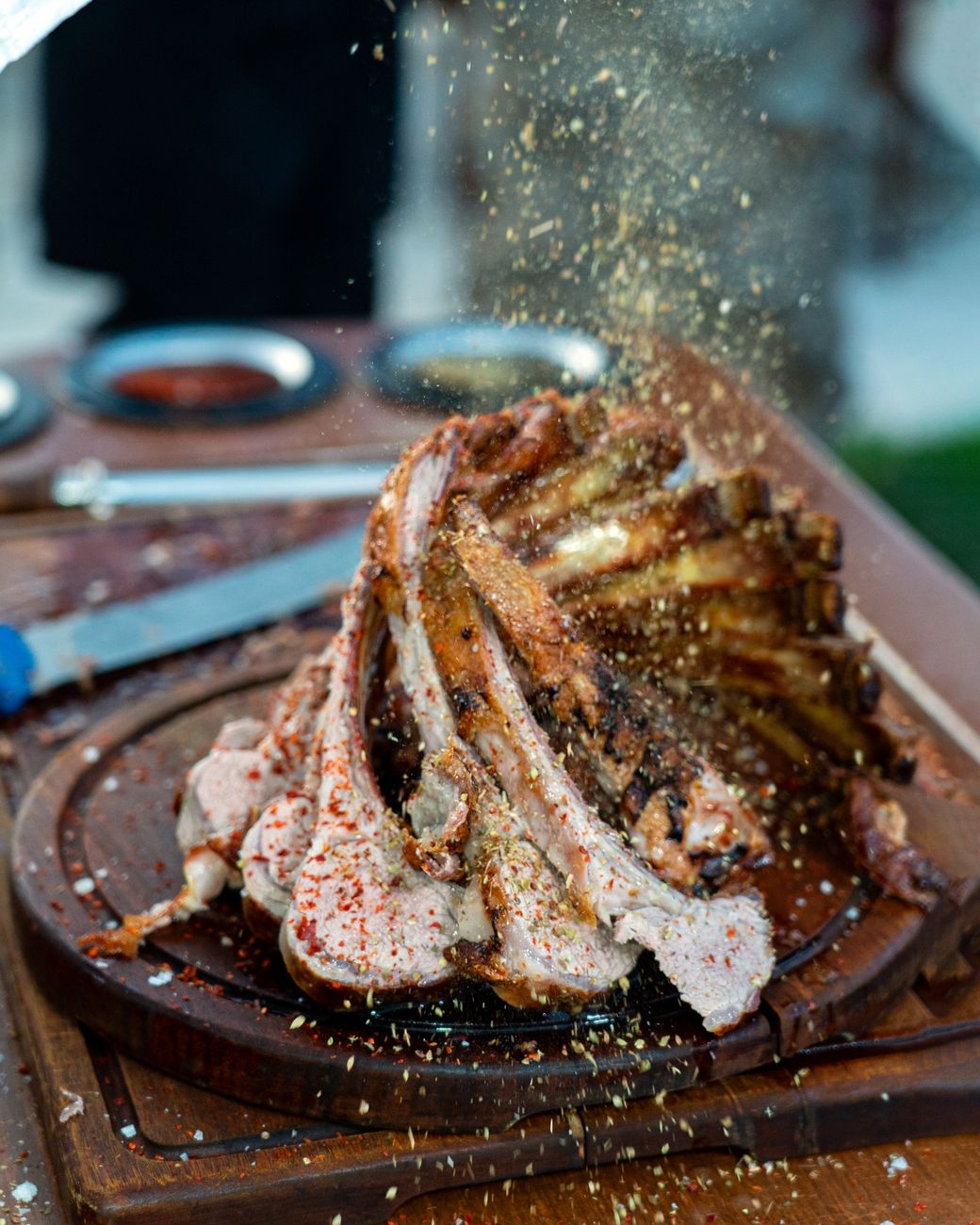
Apr 15, 2026Beyond Harissa: Morocco's Most Craveable Spicy Dishes Taking Over Tables
From slow-roasted mechoui with chile rubs to underground-cooked tangia, these are the spicy Moroccan dishes that understand heat as an art form—complex, layered, and completely irresistible.
Comments
Reader discussion is shared across recipes, reviews, and editorial pieces.
Comments are read-only while member sign-in is paused.