
culture
Beyond Tacos: The Spicy Mexican Dishes Taking Over American Tables
These smoky, chile-soaked dishes from Mexico's regions are winning over American dinner tables with their layered heat and bold techniques—and they deserve a spot at yours.

Share this
Pass it around
Send this page to a friend, copy the link, or save it to a Pinterest board.

Save for later
Pin this page
Save the image with a link back to this recipe, review, or article.
Beyond Tacos: The Spicy Mexican Dishes Taking Over American Tables
Something wonderful is happening at Mexican restaurants across America. Sure, you can still get your Tuesday night tacos, but look around and you'll spot tables of people hunched over steaming bowls of dark red broth, or wincing happily at plates of lime-green shrimp that pack serious heat. These aren't the familiar comfort foods we've grown up with—they're regional Mexican dishes that treat spice like a seasoning, not a dare.
This shift feels different from previous waves of "hot" food trends. These dishes aren't trying to punish you. Instead, they're showing off what Mexican home cooks have always known: that chiles can build layers of flavor that make you reach for another bite even as your mouth tingles. It's the difference between eating something spicy and eating something delicious that happens to have heat.
The timing makes sense. Mexican families have been sharing their regional specialties for years, and the rest of us are finally catching up. We're learning to appreciate the fruity burn of habaneros, the earthy smoke of chipotles, the clean fire of serranos—and how each one serves a purpose beyond just making your eyes water.
Birria: The Smoky, Chile-Soaked Sensation
If you haven't fallen for birria yet, you will. This Jalisco specialty has conquered American tables by doing everything right: it's Instagram-pretty, deeply satisfying, and built around one of the most gorgeous chile sauces in Mexican cooking.
The magic starts with dried chiles—guajillo, ancho, chipotle, maybe some árbol for bite—that get toasted until fragrant, then blended into a dark, complex sauce. This isn't the harsh heat of cheap hot sauce. It's layers of smoky, fruity, earthy flavors that take hours of slow braising to fully develop.
When that chile-soaked consommé meets beef or goat, something beautiful happens. The meat doesn't just get tender—it absorbs all those nuanced chile flavors until each strand carries the essence of the sauce. The broth itself becomes liquid gold: rich, warming, and complex enough to sip on its own.
Yes, birria tacos are fun to dip and photograph. But don't miss the traditional bowl presentation, where shredded meat swims in that gorgeous dark broth, topped simply with onions and cilantro. It's comfort food that happens to pack heat, and it'll spoil you for simpler soups.
The spice level varies wildly depending on who's cooking—some versions offer gentle warmth, others will clear your sinuses. But good birria never burns just to burn. That heat serves the flavor, adding depth and complexity that makes perfect sense with the rich, fatty meat.
Aguachile: Raw, Bright, and Searingly Spicy
Where birria builds heat slowly through long cooking, aguachile hits you like a cold slap—in the best possible way. This Sinaloan dish takes raw shrimp, "cooks" them in lime juice, then drowns them in a sauce so green and fierce it practically glows.
The sauce couldn't be simpler: fresh serrano or jalapeño chiles blended with lime juice and water until smooth. No cooking, no complexity—just pure, clean chile fire that showcases exactly what those peppers taste like when they're at their peak.
What makes aguachile addictive:
- Immediate heat that wakes up every taste bud
- Lime's acidity that somehow makes the spice more intense
- Cold, tender shrimp that provides relief between bites
- Crisp cucumber and onion for textural contrast
- The way each bite resets your palate for the next hit
This isn't a dish you ease into. Aguachile announces itself with the first forkful and doesn't apologize. But here's the thing: that aggressive heat works because everything else in the dish is designed to balance it. The cold temperature, the lime's brightness, the sweet shrimp—it all creates a rhythm that somehow makes you want more punishment.
Nowadays you'll find variations that push the envelope further: aguachile negro with burnt chiles for smokiness, versions spiked with habaneros for fruity heat, or recipes that add chiles de árbol for lingering fire. Each one tests your limits differently.
Pozole Rojo: Hominy and Heat in Perfect Balance
Pozole rojo might be the smartest spicy dish in Mexican cooking. Built around hominy corn and pork in a chile-enriched broth, it delivers serious warmth while staying completely approachable—even for tables with mixed heat tolerance.
The red color comes from a carefully crafted chile sauce, usually guajillo and ancho with maybe some chipotle or árbol for extra bite. These chiles get toasted until fragrant, rehydrated, and blended smooth before joining the simmering soup. The result is heat that feels integrated, not added—like the chiles belong in that rich pork broth.
But here's pozole's genius: it arrives with a platter of fresh garnishes. Shredded cabbage, sliced radishes, dried oregano, lime wedges, and—for the brave—chile pequín to sprinkle on top. Everyone customizes their own bowl, dialing the heat up or down as they see fit.
The base soup typically carries moderate warmth—enough to tingle without overwhelming the delicate hominy or rich pork. But dust it with chile pequín and you're in serious heat territory. This flexibility makes pozole perfect for family dinners where not everyone shares your spice tolerance.
It's comfort food that doesn't compromise on complexity, and it scales beautifully for feeding a crowd.
Cochinita Pibil: Achiote Fire Wrapped in Banana Leaves
Don't let cochinita pibil's orange-red color fool you into thinking it's mild. This Yucatecan specialty hides serious heat behind its distinctive appearance, thanks to achiote paste that typically includes habaneros among its ingredients.
Achiote paste is one of those magical Mexican condiments that does multiple jobs at once. The annatto seeds provide earthiness and color, while habaneros contribute their signature heat—not the sharp bite of serranos or the smoke of chipotles, but something rounder and more floral that seems to fill your entire mouth.
When that paste gets mixed with sour orange juice and rubbed into pork, then wrapped in banana leaves for slow cooking, something special happens. The banana leaves create a steam-cooking environment that mellows the habanero heat slightly while infusing the meat with all those complex achiote flavors.
The finished pork emerges tender enough to shred with a fork, deeply orange from the annatto, and carrying a warmth that builds gradually as you eat. It's heat with a purpose—not trying to show off, just adding another layer to an already complex dish.
Cochinita pibil works beautifully in tacos, but don't overlook it as a main course with rice and beans. The heat level stays manageable enough for most palates while delivering flavors you won't find anywhere else in Mexican cooking.
Making Room at Your Table
These dishes aren't necessarily harder to make than your usual Mexican-American favorites, but they do ask a bit more of you. You'll need to source good dried chiles, understand how different varieties work, and trust that the techniques developed over generations actually know what they're doing.
The payoff is substantial. These are dishes that use heat as a tool for building flavor, not just testing your tolerance. They scale well for groups, they photograph beautifully, and they deliver the kind of complex, layered eating experience that turns dinner into an event.
Whether you're drawn to birria's smoky richness, aguachile's bright shock, or pozole's customizable comfort, these dishes represent regional Mexican cooking at its most compelling. They're proof that the best spicy food doesn't just burn—it makes you understand why someone would choose to feel that burn, then come back for more.
Your usual taco Tuesday routine will always have its place. But once you've experienced what these chile-forward specialties can do, you might find yourself making room for them too.
Peppers featured in this post
Cook with this idea
Recipes to try next.
Put these ingredients and techniques to use in your next meal.

mexican · medium
Jun 14, 2026Chipotle Carnitas Rice Bowl with Poblano Crema
Tender pork carnitas with smoky chipotle heat served over cilantro-lime rice, topped with poblano crema and pickled jalapeños. 205 min · 0 saves.

mexican · medium
May 11, 2026Chorizo and Black Bean Burger with Los Calientes Rojo Crema
Mexican-inspired burgers where spiced chorizo meets earthy black beans, topped with a tangy Los Calientes Rojo crema that brings just the right amount of heat and bright tomato flavor to every bite. 37 min · 0 saves.

mexican · medium
May 4, 2026Chipotle Cream Spaghetti with Chorizo and Poblanos
Silky pasta tossed in a smoky chipotle-spiked cream sauce with crispy chorizo and charred poblano strips 35 min · 0 saves.
Bottle picks
Related hot sauce reviews.
Explore sauces with related ingredients, flavors, and heat levels.
Heatonist Los Calientes Rojo Review
Heatonist Los Calientes Rojo: flavor notes, heat level, and suggested food pairings.
Best for tacos
Best for: Tacos and rice bowls
Skip if: Skip if you are chasing a novelty-level heat hit or a super-special-occasion bottle.
Read review
Yellowbird Habanero Hot Sauce Review
A bright, carrot-forward bottle with enough heat to stay lively and enough sweetness to stay versatile.
Best for tacos
Best for: Tacos and rice bowls
Skip if: Skip if you want a classic vinegar-forward table sauce with almost no sweetness.
Read review
Fly By Jing Sichuan Gold Review
A citrusy, tingly sauce with real peppercorn presence and enough versatility to move beyond dumplings.
Best for dumplings
Best for: Eggs and breakfast tacos
Skip if: Skip if you want a thick, smoky wing sauce more than a bright finishing bottle.
Read review
Go deeper
Background guides that build on this.
Keep reading
More on this subject.
If this post helped, these are the next pieces most likely to keep the thread going.
culture
May 29, 2026Birria, Aguachile, Cochinita Pibil, and Pozole Rojo
Birria, aguachile, cochinita pibil, and pozole rojo use chiles and other seasonings differently. Compare their sauces, broths, and garnishes.
culture
Apr 17, 2026Mexico's Heat Revolution: The Spicy Dishes Taking Over Tables Everywhere
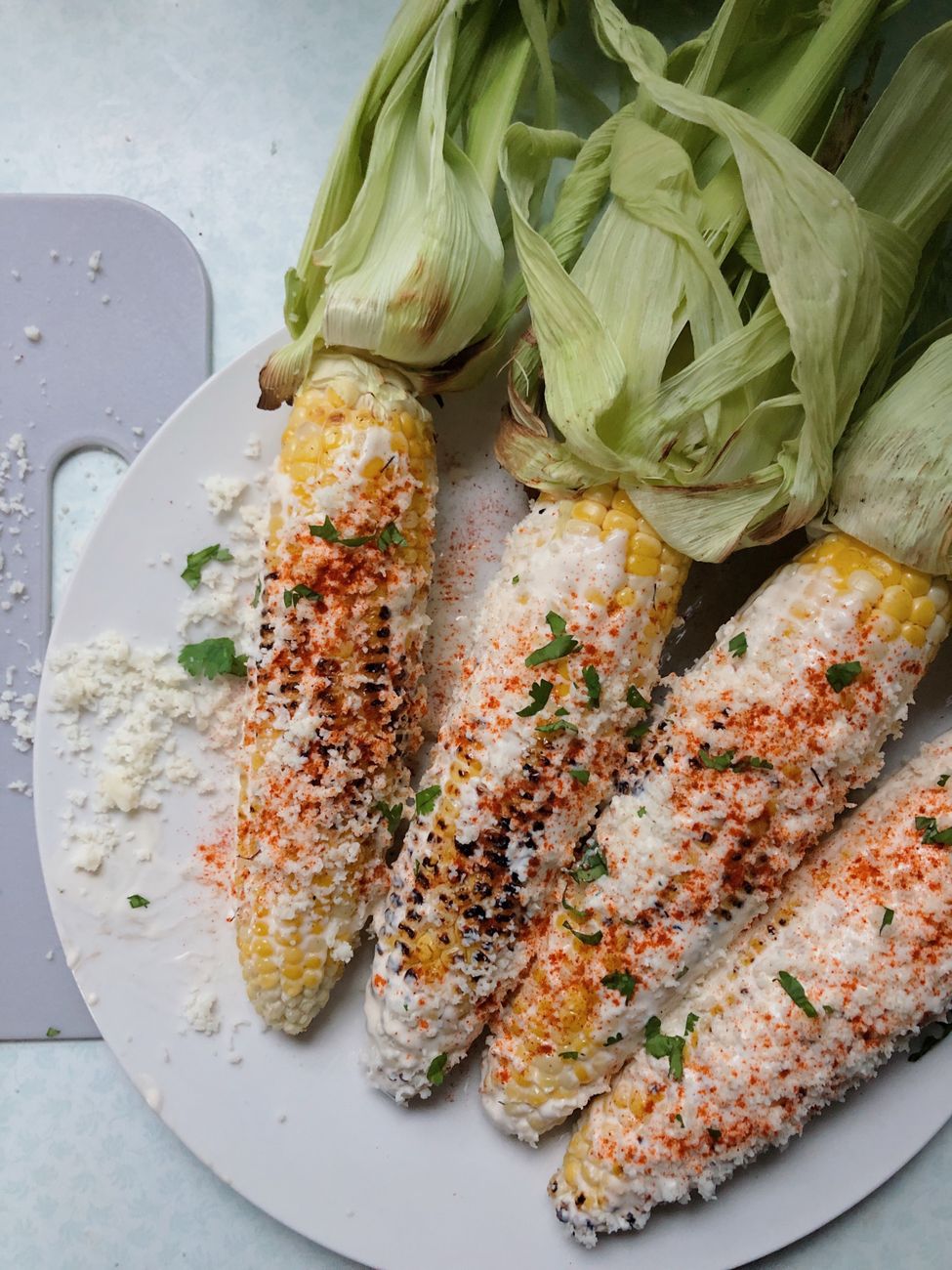
From elote creations that'll make you rethink street corn to the smoky richness of salsa macha, these are the Mexican spicy dishes earning permanent spots at dinner tables—and they deserve every bit of the attention.

culture
Jun 15, 2026Four Middle Eastern Heat Styles That Should Be on Your Radar Right Now
From harissa's patient burn to zhug's bright herb-fire, these Middle Eastern heat styles teach us that the best spicy food builds complexity alongside warmth—and they'll change how your family thinks about heat.
Comments
Reader discussion is shared across recipes, reviews, and editorial pieces.
Comments are read-only while member sign-in is paused.