
culture
Birria, Aguachile, Cochinita Pibil, and Pozole Rojo
Birria, aguachile, cochinita pibil, and pozole rojo use chiles and other seasonings differently. Compare their sauces, broths, and garnishes.

Share this
Pass it around
Send this page to a friend, copy the link, or save it to a Pinterest board.

Save for later
Pin this page
Save the image with a link back to this recipe, review, or article.
Mexican cuisine's approach to heat goes beyond the jalapeño poppers and generic "Mexican" hot sauces many people grew up with. Four dish styles—birria, aguachiles, cochinita pibil, and pozole rojo—show how dried and fresh chiles can build layered heat instead of a single burn.
These are established regional preparations, not fusion experiments, and each one relies on a different chile combination to create its own kind of heat.
Birria: Your Gateway to Serious Chile Depth
Birria began as a weekend celebration dish in Jalisco, traditionally made with goat and a blend of dried chiles—guajillo, ancho, chipotle, and árbol. The version spreading across the U.S. usually uses beef short ribs or chuck roast, but keeps that same chile base.
Each chile contributes something different: guajillos add fruity sweetness, anchos add a deep, slightly sweet richness, and chipotles add smokiness from the drying process. Árbol chiles supply most of the direct heat, while the other chiles round out the flavor.
The "quesabirria" format—birria tucked into cheese-filled tacos, served with the braising liquid for dipping—has become popular. The fat from the braised meat crisps the tortilla while the cheese melts into the filling.
Many restaurants serve the consommé with extra chile oil on the side so diners can adjust their own heat level.
Aguachiles: When Fresh Meets Fire
Aguachiles takes a different approach from birria's slow cooking. This dish from Sinaloa cures raw shrimp in lime juice, then adds a green chile sauce typically made with serrano peppers, cilantro, cucumber, and red onion.
The heat here is immediate rather than built through cooking. Serrano chiles have a sharp, grassy flavor that pairs with the lime's acidity. Because the chiles aren't cooked, aguachiles keeps a fresh, vegetal heat rather than the mellower heat of simmered sauces.
The cucumber and red onion add crunch and some relief from the chile heat, while the serranos keep the dish assertive.
Some versions add habanero or jalapeño, but the classic preparation relies on serrano chiles. The balance depends on using enough chile to register clearly without overwhelming the lime-cured shrimp.
Cochinita Pibil: The Slow Burn That Wins You Over
Yucatecan cochinita pibil gets its heat from achiote paste combined with habanero chiles.
Achiote paste is made from ground annatto seeds, cumin, black pepper, allspice, and garlic, with the amount of dried chile varying by recipe. Combined with fresh habanero chiles, citrus juice, and sometimes additional dried chiles, it forms a marinade for pork shoulder that's slow-cooked, often wrapped in banana leaves.
Habaneros supply most of the heat, but their fruity flavor is tempered by the earthy achiote and the richness of the pork. The result is heat that builds through the meal rather than hitting on the first bite.
The traditional pickled red onions served alongside add acidity that offsets the richness. Many restaurants also serve extra habanero salsa on the side.
Pozole Rojo: Chile Broth That Means Business
Pozole rojo turns hominy and pork into a soup where the chile broth carries the heat. The name refers to the red chile sauce forming the soup's base—usually a mix of guajillo, ancho, and chipotle chiles.
Unlike birria, where the meat is the focus, pozole rojo centers on the chile broth. The dried chiles are toasted, rehydrated, and blended into a sauce that simmers with pork stock, giving each bowl a layered chile flavor.
The garnishes affect the final heat balance:
- Paper-thin radish slices add crunch between spoonfuls
- Oregano adds an earthy contrast to the chile flavor
- Fresh lime juice brightens the broth
- Crushed chile piquín or chile de árbol for extra heat
- Shredded cabbage adds a milder, cooling texture
The hominy's mild corn sweetness balances the chile broth's heat.
Why These Styles Actually Work
These four dishes use heat as one element among several, not the main feature. Rather than adding hot sauce to a finished dish, they build chile flavor into the cooking process itself.
Each style also has a built-in way to adjust the heat level: birria's dunkable consommé, aguachiles' cooling vegetables, cochinita pibil's pickled onions, and pozole's garnish spread. That flexibility lets people with different heat tolerances eat the same dish.
They also highlight the differences between chiles rather than treating heat as uniform—guajillo's fruity warmth versus chipotle's smokiness, or serrano's clean bite versus habanero's fruitier heat. Paying attention to those differences is a useful way to get more out of each dish.
Peppers featured in this post
Cook with this idea
Recipes to try next.
Put these ingredients and techniques to use in your next meal.

mexican · medium
Jun 14, 2026Chipotle Carnitas Rice Bowl with Poblano Crema
Tender pork carnitas with smoky chipotle heat served over cilantro-lime rice, topped with poblano crema and pickled jalapeños. 205 min · 0 saves.

mexican · medium
May 11, 2026Chorizo and Black Bean Burger with Los Calientes Rojo Crema
Mexican-inspired burgers where spiced chorizo meets earthy black beans, topped with a tangy Los Calientes Rojo crema that brings just the right amount of heat and bright tomato flavor to every bite. 37 min · 0 saves.

mexican · medium
May 4, 2026Chipotle Cream Spaghetti with Chorizo and Poblanos
Silky pasta tossed in a smoky chipotle-spiked cream sauce with crispy chorizo and charred poblano strips 35 min · 0 saves.
Bottle picks
Related hot sauce reviews.
Explore sauces with related ingredients, flavors, and heat levels.
Heatonist Los Calientes Rojo Review
Heatonist Los Calientes Rojo: flavor notes, heat level, and suggested food pairings.
Best for tacos
Best for: Tacos and rice bowls
Skip if: Skip if you are chasing a novelty-level heat hit or a super-special-occasion bottle.
Read review
Yellowbird Habanero Hot Sauce Review
A bright, carrot-forward bottle with enough heat to stay lively and enough sweetness to stay versatile.
Best for tacos
Best for: Tacos and rice bowls
Skip if: Skip if you want a classic vinegar-forward table sauce with almost no sweetness.
Read review
Fly By Jing Sichuan Gold Review
A citrusy, tingly sauce with real peppercorn presence and enough versatility to move beyond dumplings.
Best for dumplings
Best for: Eggs and breakfast tacos
Skip if: Skip if you want a thick, smoky wing sauce more than a bright finishing bottle.
Read review
Go deeper
Background guides that build on this.
Keep reading
More on this subject.
If this post helped, these are the next pieces most likely to keep the thread going.
culture
May 13, 2026Beyond Tacos: The Spicy Mexican Dishes Taking Over American Tables
These smoky, chile-soaked dishes from Mexico's regions are winning over American dinner tables with their layered heat and bold techniques—and they deserve a spot at yours.
culture
Apr 17, 2026Mexico's Heat Revolution: The Spicy Dishes Taking Over Tables Everywhere
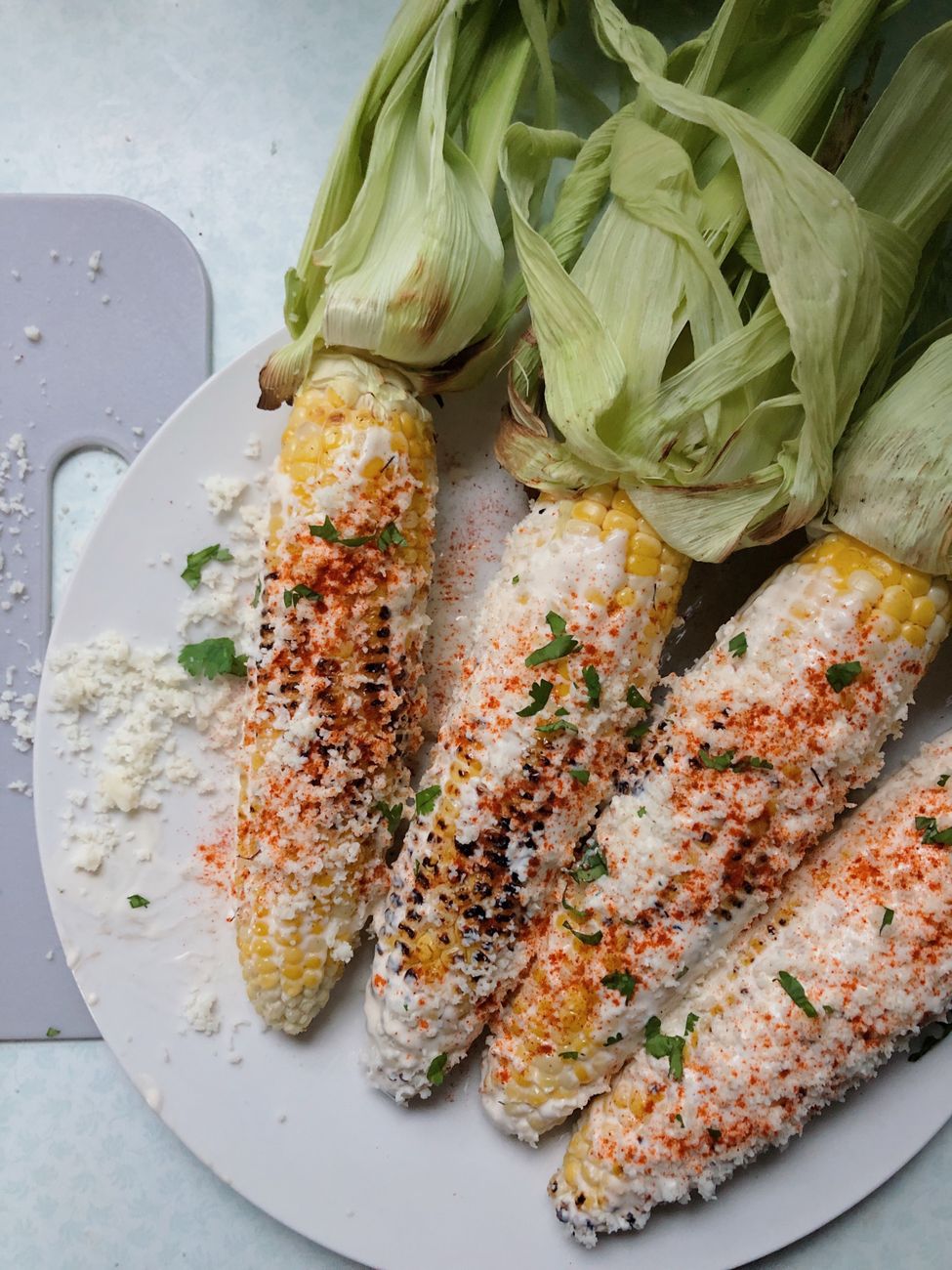
From elote creations that'll make you rethink street corn to the smoky richness of salsa macha, these are the Mexican spicy dishes earning permanent spots at dinner tables—and they deserve every bit of the attention.

culture
Jun 15, 2026Four Middle Eastern Heat Styles That Should Be on Your Radar Right Now
From harissa's patient burn to zhug's bright herb-fire, these Middle Eastern heat styles teach us that the best spicy food builds complexity alongside warmth—and they'll change how your family thinks about heat.
Comments
Reader discussion is shared across recipes, reviews, and editorial pieces.
Comments are read-only while member sign-in is paused.