
Fatalii
Also known as: fatali, fatalli, African fatalii
The Fatalii is a Central African superhot-adjacent pepper with one of the most distinctive fruit profiles in the chinense family. Native to the Central African Republic, Cameroon, and the surrounding region, it shares heat-tier territory with habanero but delivers a brighter, more concentrated citrus character.
Scoville
125K–400K SHU
Heat
Very Hot
Origin
africa
Species
C. chinense
Type
Fresh pod
Plant height
24–36 in
Heat profile
Very Hot heat — 125K–400K SHU
Step milder
Scotch Bonnet
100K–350K SHU
This pepper
Fatalii
125K–400K SHU
Step hotter
7 Pot Douglah
853K–1.9M SHU
Flavor profile
Intensely fruity — citrus, apricot, mango, and tropical floral notes — with a clean, sharp heat.
If you ask craft sauce makers which underappreciated pepper deserves more attention, the Fatalii is the answer that comes up most often. The flavor is striking — like a habanero with the volume turned up on the fruit notes. Less famous than its Caribbean cousins because Central African peppers haven't had a Nando's-style global moment, but the cultivar is increasingly common in serious hot sauce production. Fatalii Yellow is the standard; Fatalii Red and Chocolate Fatalii exist as color variants with subtly different flavor profiles.
Color
Bright yellow (most common), red, or chocolate
Did you know
The Fatalii is named for its heat — 'fatal' in the local sense of dangerously hot. Despite being among the hottest peppers in Africa, it's used liberally in pepper soups and stews where its fruit notes shine through the burn.
How to use it
- —Premium craft hot sauces emphasizing tropical fruit notes
- —African pepper sauces and condiments
- —Mango or pineapple-paired sauces
- —Fresh in tropical fruit salsas and ceviches
- —Dried and powdered for fruity spice blends
Pairs well with
Substitutes
Can't find fatalii? Try one of these.
Habanero
1:1100K–350K SHU
Closest commonly-available substitute. Fatalii is slightly hotter on average with more fruit-forward citrus notes; habanero is more aggressive. For most recipes the swap works.
Scotch Bonnet
1:1100K–350K SHU
Similar heat tier and similar fruit-driven profile. Scotch bonnet is sweeter and rounder; Fatalii is brighter and more citrusy.
Ají Amarillo
Use 2 aji amarillos per Fatalii30K–50K SHU
Aji amarillo has similar tropical fruit notes at about half the heat. Useful when you want Fatalii's flavor at a more accessible burn.
How to grow it
Growing fatalii at home
USDA zones
Perennial in 10–11, annual in 4–9
Germinate
14–28 days
To harvest
~110 days from transplant
Plant height
24–36 in
Sun
full sun
Water
moderate
Container
Container-friendly
Among the easier chinense peppers to grow — less temperamental than habanero and significantly easier than superhots like Reaper or Pepper X. Plants produce heavily once established (20–40 pods per plant is typical) and tolerate slightly cooler nights than most chinense varieties. A good gateway pepper for home growers ready to move past annuum cultivars.
Where to find it
Buying fatalii
Fresh
Rare in mainstream US grocers; African and specialty pepper markets are the main sources. Online specialty pepper farms ship fresh in late summer.
Dried
Dried whole Fataliis and powder available online from specialty hot sauce and pepper retailers.
Seasonality
Field-grown peak August–October in US; year-round in tropical climates.
Seed sources
- Baker Creek
- Pepper Joe's
- Refining Fire Chiles
- African Bird's Eye seed sellers
If buying powder, look for the yellow Fatalii variety as the baseline — Fatalii Red and Chocolate Fatalii are color variants with slightly different flavor profiles that are sometimes labeled separately. Most commercial Fatalii sauce uses the yellow form.
History & origin
Where fatalii comes from
The Fatalii originated in Central African Republic and the Congo basin, where it has been cultivated as a household pepper for generations. Like other African peppers, it spread to West Africa and into Caribbean cooking traditions through colonial trade routes. The craft hot sauce scene rediscovered Fatalii in the 2000s as superhot interest broadened beyond Caribbean and South Asian peppers, and the fruity flavor profile has made it a favorite for sauce makers who want chinense heat with brighter citrus notes than habanero or scotch bonnet provide.
Cook with it
Recipes that use fatalii.

caribbean · medium
Oct 18, 2026Caribbean Scotch Bonnet Burger with Mango-Pepper Slaw
A handheld burger built on a toasted bun with a seared beef patty, charred scotch bonnet mayo, and a bright mango slaw that cools and complements the medium heat. 32 min · 0 saves.

jamaican · reaper
Oct 10, 2026Jamaican Scotch Bonnet Burger with Reaper Heat
A Jamaican-spiced beef burger with homemade Carolina Reaper hot sauce, caramelized onions, and mango-cilantro slaw. The heat builds steadily from the sauce and spiced patty, while cool toppings keep each bite enjoyable rather than punishing. 45 min · 0 saves.
caribbean · reaper
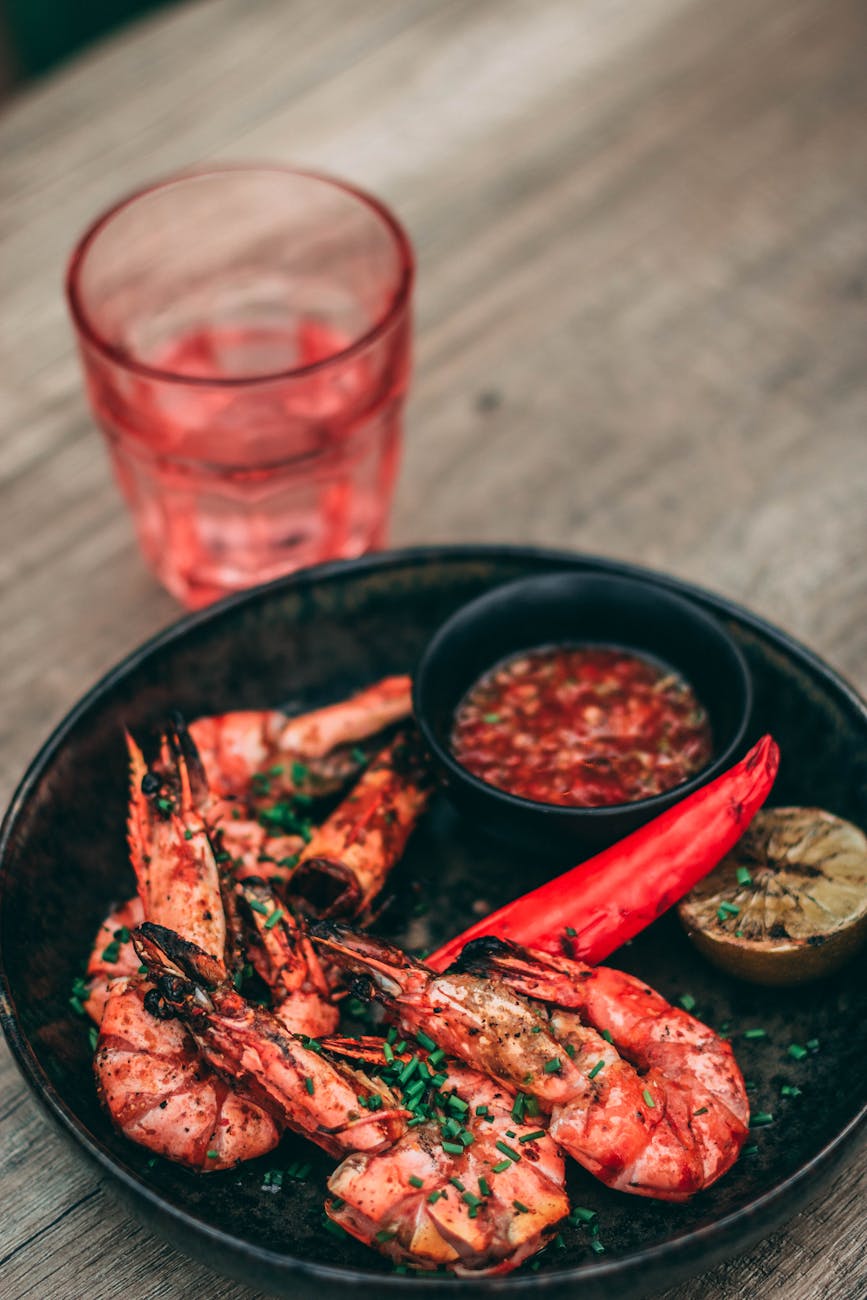
Oct 8, 2026Scotch Bonnet Shrimp with Lime and Coconut
Pan-seared shrimp in a fiery Scotch bonnet and coconut sauce with lime juice and garlic. This Caribbean dish balances extreme heat with tropical sweetness and seafood tenderness. Serves 4. 27 min · 0 saves.
Similar peppers
Other very hot peppers
Frequently asked
Common questions about fatalii
How hot is a Fatalii compared to habanero?
Slightly hotter on average. Fatalii runs 125,000–400,000 Scoville Heat Units; habanero runs 100,000–350,000. Individual peppers overlap heavily — you'll find Fataliis at habanero heat and vice versa. The bigger distinction is flavor: Fatalii is more citrus-forward, habanero is more general tropical.
What does Fatalii taste like?
Concentrated citrus and tropical fruit — lemon, apricot, mango, passion fruit, and a slight floral note. The flavor is one of the most distinctive in the chinense family and the reason craft sauce makers seek it out. Hotter than habanero but doesn't taste hotter because the fruit notes balance the heat character.
Can I grow Fatalii at home?
Yes, easily — Fatalii is among the more cooperative chinense peppers for home growing. Behaves similarly to habanero: 14–28 day germination, 100–110 days to harvest, needs warm soil and full sun. A 5-gallon container is enough per plant. Productive once established, often producing through to first frost in temperate climates.
Where can I buy Fatalii hot sauce?
Craft hot sauce producers increasingly feature Fatalii — look at brands like Mad Dog, Heartbeat, Queen Majesty, and Bravado for current offerings. African import grocers also carry Fatalii-based pepper sauces. The sauce is more accessible than fresh peppers outside specialty growing regions.
Pantry examples
If you want to taste fatalii in a bottle or pantry product
These are optional examples of how this pepper shows up in real products. The profile above stands on its own even if you never shop from this section.
Everyday bottle
Yellowbird Habanero Hot Sauce
Bright carrot-habanero heat with enough body to work on eggs, tacos, and roasted vegetables.
View example ↗Char-ready marinade
Nando's Medium Peri-Peri Sauce
The bottle to grab when chicken needs acid, garlic, and real heat before it hits the grill or broiler.
View example ↗