
FlamingFoodies recipe
Charred Chicken Yakitori with Habanero-Sansho Tare
Tender chicken thighs kissed by flames and painted with a fiery glaze that brings together habanero's fruity heat, sansho pepper's electric tingle, and the deep soul of red miso.
Flame-charred chicken thighs lacquered with a blistering tare that marries habanero heat with the numbing magic of sansho pepper.
Ingredients
Chicken
- 2 lbsboneless chicken thighs, skin on, cut into 2-inch pieces
- 1 tspkosher salt
- 2 tbspvegetable oil, for brushing
Habanero-Sansho Tare
- 3habanero chiles, stems removed, roughly chopped
- 1/3 cupsoy sauce
- 1/4 cupmirin
- 2 tbspsake
- 2 tbspred miso paste
- 1 tbspbrown sugar
- 1 tspground sansho pepper, or white pepper if unavailable
- 2 clovesgarlic, minced
Garnish
- 3scallions, thinly sliced
- 1 tsptoasted sesame seeds
- 1/2 tspground sansho pepper, for finishing
Method
1. Build Your Fiery Tare Combine habaneros, soy sauce, mirin, sake, miso paste, brown sugar, sansho pepper, and garlic in a small saucepan. Bring to a gentle simmer over medium heat, stirring to help that miso melt in completely. Let it bubble away quietly, stirring occasionally, until it's reduced by half and gleaming. You'll know it's ready when it coats the back of a spoon but still flows freely.
Watch for: Ready when tare coats spoon and has syrupy consistency
Tip: Wear gloves when handling habaneros and keep good ventilation—the simmering tare will release potent capsaicin vapors.
2. Get Your Chicken Ready Thread chicken pieces onto metal skewers, keeping them snug but not squeezed tight. Season all sides with salt and brush lightly with oil. Heat your grill to medium-high, setting up zones of direct and indirect heat if you can manage it.
Watch for: Grill ready when you can hold hand 5 inches above grates for only 3-4 seconds
Tip: Soak wooden skewers for 30 minutes if using instead of metal.
3. Char and Paint with Fire Place skewers over direct heat and grill 4-5 minutes per side until beautifully browned. Move to indirect heat and start basting with that gorgeous tare using a pastry brush, turning and basting every 2 minutes. Watch as the tare darkens and caramelizes with each loving application.
Watch for: Chicken is done when juices run clear and internal temp hits 165°F
Tip: Reserve some unbrushed tare for serving—don't use the same brush that touched raw chicken.
4. Finish with Flair Return skewers to direct heat for a final 1-2 minutes, basting once more to create that lacquered, slightly charred exterior we're all here for. Remove from grill and immediately shower with scallions, sesame seeds, and a final dusting of sansho pepper.
Watch for: Perfect when tare forms glossy, caramelized coating with some darker edges
Tip: Let yakitori rest 2-3 minutes before serving to allow juices to redistribute.
Equipment
- grill
- metal skewers
- small saucepan
- pastry brush
- instant-read thermometer
Make ahead
- Tare can be made up to 3 days ahead and refrigerated. Chicken can be cut and skewered up to 4 hours ahead. Bring tare to room temperature before using.
Storage
- Leftover yakitori keeps 3 days refrigerated. Extra tare lasts up to 1 week in the fridge.
Reheat
- Reheat yakitori in a 400°F oven for 5-7 minutes, or briefly on the grill. Skip the microwave or your chicken will turn rubbery.
Top tips
- Make tare up to 3 days ahead and refrigerate—it actually gets better as the flavors get to know each other
- Cut chicken pieces uniformly so everything finishes cooking at the same time
- Keep a water bottle nearby for grill flare-ups from that dripping tare
Substitutions
- Swap chicken thighs for drumettes or wings if that's what you've got
- Use white miso if red miso is playing hard to find, but dial back the salt a touch
- Replace sansho with white pepper plus a pinch of Sichuan peppercorns for similar tingle
Serve with
- Serve over steamed Japanese short-grain rice to soak up every drop of that tare
- Pair with ice-cold beer or sake to tame the heat between bites
- Add grilled vegetables like shiitake mushrooms or bell peppers to round out the feast
Find another recipe
Open archive →Charred Chicken Yakitori with Habanero-Sansho Tare

Tender chicken thighs kissed by flames and painted with a fiery glaze that brings together habanero's fruity heat, sansho pepper's electric tingle, and the deep soul of red miso.
Prep
20 min
Cook
25 min
Active
30 min
Total
45 min
Yield
4 servings
Share this
Pass it around
Send this page to a friend, copy the link, or save it to a Pinterest board.
Save for later
Pin this page
Save the image with a link back to this recipe, review, or article.
Peppers in this recipe
Recipe notes
Before you cook
There's something magical about gathering around a grill, watching chicken thighs transform into burnished gems as they soak up layers of this incendiary tare. This isn't your average yakitori—it's what happens when we honor the traditional technique but aren't afraid to crank up the heat. The habaneros bring a tropical fire that dances beautifully with red miso's earthy funk, while sansho pepper adds that distinctive tingle that makes your tongue come alive. The real joy is in the basting—each brush of tare builds another layer of caramelized complexity until you've got chicken that's charred on the outside and impossibly juicy within.
Total time
45 min
Prep: 20 min. Cook: 25 min.
Yield
4 servings
The ingredient quantities below are for this yield.
Method
How to cook it
Use the step navigator to move around, or stay in cook mode and work top to bottom.
- 1
Step 1 of 4
Build Your Fiery Tare
Combine habaneros, soy sauce, mirin, sake, miso paste, brown sugar, sansho pepper, and garlic in a small saucepan. Bring to a gentle simmer over medium heat, stirring to help that miso melt in completely. Let it bubble away quietly, stirring occasionally, until it's reduced by half and gleaming. You'll know it's ready when it coats the back of a spoon but still flows freely.
- 2
Step 2 of 4
Get Your Chicken Ready
Thread chicken pieces onto metal skewers, keeping them snug but not squeezed tight. Season all sides with salt and brush lightly with oil. Heat your grill to medium-high, setting up zones of direct and indirect heat if you can manage it.
- 3
Step 3 of 4
Char and Paint with Fire
Place skewers over direct heat and grill 4-5 minutes per side until beautifully browned. Move to indirect heat and start basting with that gorgeous tare using a pastry brush, turning and basting every 2 minutes. Watch as the tare darkens and caramelizes with each loving application.
- 4
Step 4 of 4
Finish with Flair
Return skewers to direct heat for a final 1-2 minutes, basting once more to create that lacquered, slightly charred exterior we're all here for. Remove from grill and immediately shower with scallions, sesame seeds, and a final dusting of sansho pepper.
Troubleshooting
Tips that matter
- Make tare up to 3 days ahead and refrigerate—it actually gets better as the flavors get to know each other
- Cut chicken pieces uniformly so everything finishes cooking at the same time
- Keep a water bottle nearby for grill flare-ups from that dripping tare
Substitutions and variations
Storage and leftovers
Plan ahead and reheat well
Make ahead
Tare can be made up to 3 days ahead and refrigerated. Chicken can be cut and skewered up to 4 hours ahead. Bring tare to room temperature before using.
Storage
Leftover yakitori keeps 3 days refrigerated. Extra tare lasts up to 1 week in the fridge.
Reheat
Reheat yakitori in a 400°F oven for 5-7 minutes, or briefly on the grill. Skip the microwave or your chicken will turn rubbery.
At the table
Serving suggestions
- Serve over steamed Japanese short-grain rice to soak up every drop of that tare
- Pair with ice-cold beer or sake to tame the heat between bites
- Add grilled vegetables like shiitake mushrooms or bell peppers to round out the feast
FAQ
Common questions
Can I make this indoors?
Absolutely! Use your oven's broiler. Place yakitori 4 inches from the heating element and broil 3-4 minutes per side, basting just like you would on the grill.
How do I dial down the heat?
Remove the seeds from those habaneros or swap them for 2-3 jalapeños instead. The sansho pepper adds tingle, not heat, so keep it—that's part of the magic.
What if I can't find sansho pepper?
Mix equal parts white pepper and ground Sichuan peppercorns for a similar numbing effect, or just use white pepper if that's what you've got on hand.
Heat profile
Hot
The recipe is classified as hot. Check the chile quantities before you start.
Skill level
Intermediate
Check the method for steps that need to be prepared at the same time.
Total time
45 min
Prep: 20 min. Cook: 25 min.
Yield
4 servings
The ingredient quantities below are for this yield.
Cook this with
Three useful buys before you start
A sauce, a pantry ingredient, and a kitchen tool to consider for this dish.
Sauce
Los Calientes Rojo
Heatonist · Best for tacos
Use this when you want a brighter finishing hit next to the deeper flavors already built into charred chicken yakitori with habanero-sansho tare.
Get the sauce used herePantry
Nando's Medium Peri-Peri Sauce
Char-ready marinade
Chicken, skewers, and grilled vegetables. The bottle to grab when chicken needs acid, garlic, and real heat before it hits the grill or broiler.
Grab the pantry stapleGear
Molcajete Mortar and Pestle
Sauce lab
Fresh salsa and chunky chili pastes. The right move for salsa macha, charred pepper pastes, and rough-textured marinades with bite.
Use this toolPair this with
The right bottle for this recipe
These sauce picks are matched to the dish itself, not dropped in at random. Use them to finish, sharpen, or push the heat where it helps.
Los Calientes Rojo
Use this when you want a brighter finishing hit next to the deeper flavors already built into charred chicken yakitori with habanero-sansho tare.
Heatonist Los Calientes Rojo: flavor notes, heat level, and suggested food pairings.
Yellowbird Habanero
It brings enough heat to cut through the richer bites without flattening the rest of the dish.
A bright, carrot-forward bottle with enough heat to stay lively and enough sweetness to stay versatile.
Shop the pantry
Pantry staples for this recipe
Char-ready marinade
$8-$14Nando's Medium Peri-Peri Sauce
Chicken, skewers, and grilled vegetables. The bottle to grab when chicken needs acid, garlic, and real heat before it hits the grill or broiler.
Check price on AmazonPantry heat
$10-$18Calabrian Chili Paste
Pasta, sandwiches, and finishing sauces. Fruity Italian chili paste that wakes up vodka sauce, roast chicken, and garlicky pasta nights.
Check price on AmazonRoast-anything helper
$8-$15Harissa Paste
Roasts, braises, and yogurt sauces. The smoky-chili shortcut for roast carrots, meatballs, chicken thighs, and yogurt sauces that need a little menace.
Check price on AmazonRecommended equipment
Cooking tools
Sauce lab
$35-$60Molcajete Mortar and Pestle
Fresh salsa and chunky chili pastes. The right move for salsa macha, charred pepper pastes, and rough-textured marinades with bite.
Check price on AmazonMeal-prep anchor
$30-$60Compact Rice Cooker
Bowls, fried rice, and weekly meal prep. A simple countertop win for rice bowls, congee, spicy fried rice, and the carb base that makes leftovers useful.
Check price on AmazonCook next
More recipes with similar heat
These are the next recipes most likely to fit the same mood, pantry, or heat level once this one is in your rotation.

japanese · inferno
May 14, 2026Grilled Chicken Yakitori with Trinidad Moruga Tare
Traditional Japanese yakitori meets serious heat in this grilled chicken recipe, where a glossy tare made with Trinidad Moruga peppers caramelizes into layers of fiery, umami-rich flavor over live coals. 45 min · 0 saves.
indian · hot
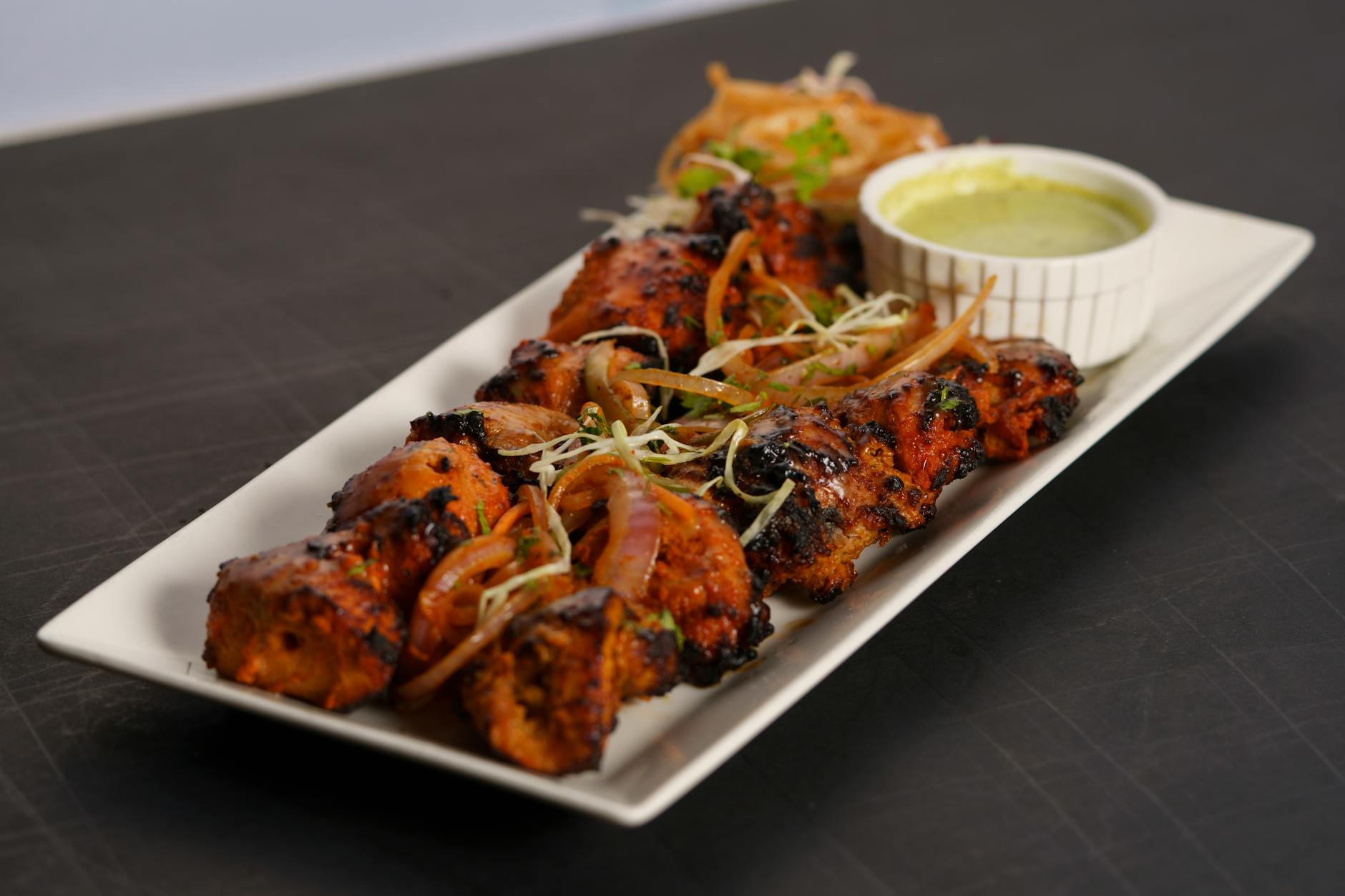
Jun 15, 2026Charred Habanero Chicken Tikka with Smoked Tomato Chutney
Tender chicken thighs get the full heat treatment in this fiery take on tikka—marinated in habanero-spiked yogurt, then charred until caramelized and served with a smoky grilled tomato chutney that doubles down on the fire. 55 min · 0 saves.

japanese · hot
Jun 9, 2026Mapo Nasu with Scotch Bonnet Heat
Silky Japanese eggplant swimming in a miso sauce that means business—scotch bonnet chiles bring fruity heat that builds beautifully with each bite. 45 min · 0 saves.
FlamingFoodies picks
Pantry, gear, and bottle picks that fit this meal
Smoky shortcut
Chipotle Peppers in Adobo
The pantry move for smoky mayo, burger sauce, taco braises, and chili that tastes like you actually thought ahead. Best for burger sauce, chili, and taco fillings.
View on AmazonNumbing heat
Fly By Jing Sichuan Gold
A more citrusy, peppercorn-leaning sauce when you want flavor movement instead of pure capsaicin. Best for dumplings, noodles, and fried eggs.
View on AmazonFrom the blog
More about this dish
Read more about the ingredients and cuisine.
science
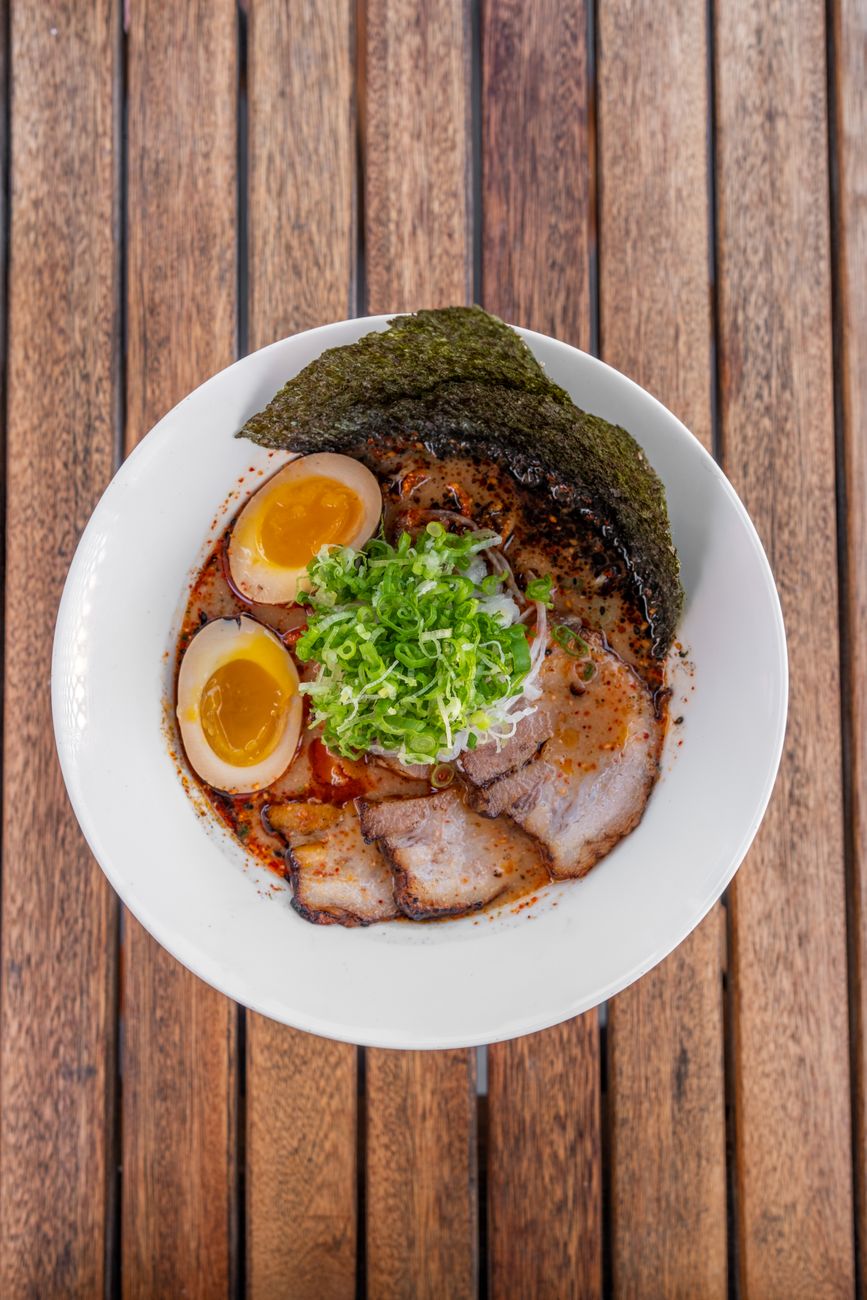
May 8, 2026Tantanmen, Spicy Curry, and Japanese-Inspired Chili Dishes
Explore tantanmen, spicy curry, and Japanese-inspired noodle bowls, focusing on sesame, miso, chili, and the balance of the sauce.

science
May 31, 2026Miso, Sesame, and Fermented Chili Pastes in Japanese-Inspired Dishes
Miso, sesame, dashi, and fermented chili pastes provide a savory base for Japanese-inspired noodle bowls and other spicy dishes.
Background guides
Read the guide behind the technique
Learn more about the cooking techniques used here.
Community notes
Reader discussion is shared across recipes, reviews, and editorial pieces.
Comments are read-only while member sign-in is paused.