
culture
Cooking with Ají Amarillo, Rocoto, and Ají Panca
Compare ají amarillo, rocoto, and ají panca, including their textures and the dishes that put their different flavors to use.
Share this
Pass it around
Send this page to a friend, copy the link, or save it to a Pinterest board.

Save for later
Pin this page
Save the image with a link back to this recipe, review, or article.
The Golden Standard: Ají Amarillo's Creamy Heat
Ají amarillo is a golden Peruvian chile with a fruity heat that builds gradually rather than hitting all at once. Blended, its natural oils give sauces a creamy texture, which is part of why it's the base for papa a la huancaína.
Fresh ají amarillo brings bright, floral heat that works well stirred into scrambled eggs or tossed with roasted vegetables. Dried and ground, it turns deeper and more concentrated, with an earthy, fruity flavor.
Its heat sits between poblano and jalapeño, making it approachable for people who don't usually seek out spicy food while still offering real heat.
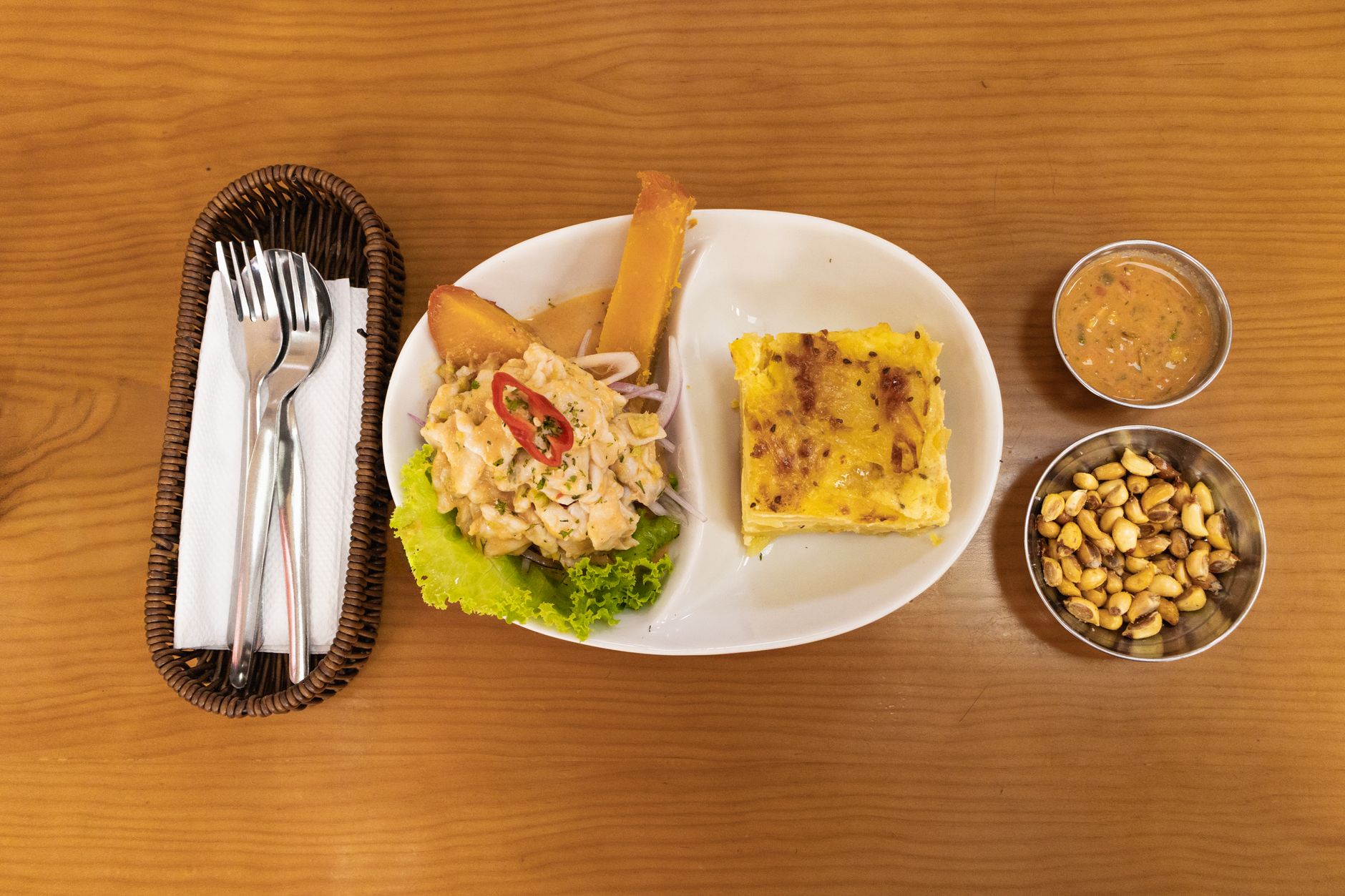
Ají amarillo pairs naturally with dairy: stir it into risotto, blend it into aioli, or add a spoonful of paste to mac and cheese. The fruity heat holds up against cream and cheese without disappearing into it.
It's also a natural match for potatoes and corn, two ingredients central to the Peruvian dishes where ají amarillo originated.
Rocoto: The Deceptive Apple Pepper
Rocoto looks like a small, round apple—thick-walled, often bright red or yellow—but carries heat in the jalapeño-to-moderate-habanero range, well beyond what its appearance suggests.
The flavor is clean and vegetable-like, with a sharp heat that fades relatively quickly rather than lingering.
Traditional rocoto relleno—stuffed with spiced meat and cheese, then baked until bubbly—is the dish most associated with this pepper. It also works in smaller amounts: diced into ceviche, it adds heat without competing with the citrus; in a vinaigrette, it brings noticeable spice while still letting delicate greens come through.
Its thick flesh holds up well to pickling. Pickled rocoto pairs well with aged cheeses, since the pickling process tempers the raw heat while adding tang.
Ají Panca: The Smoky Foundation
Ají panca is a deep red chile almost always used dried, valued for the smoky depth it adds rather than for heat—it's milder than poblano.
Ground into paste or powder, ají panca works as a background flavor: dishes built on it taste more complete without the pepper standing out on its own.
It's especially useful in marinades for grilled meats and seafood, where it complements char flavors and gives the food a deep reddish color. It's a common ingredient in Peruvian rotisserie chicken marinades.
Ají panca also works outside of meat cookery. It adds depth to grain bowls and bean salads, and a small amount mixed into bread dough contributes earthy flavor and color. It's useful in vegetarian cooking where a dish needs depth without much heat.
Putting the Ingredients to Use
Ají amarillo, rocoto, and ají panca cover a range of heat levels and uses: ají panca for gentle warmth and color, ají amarillo for moderate heat with fruity flavor, and rocoto for a sharper, more assertive kick. Each contributes flavor beyond just spice, and each comes from an established place in Peruvian cooking.
They're worth keeping on hand for cooks who want heat to work alongside other flavors rather than overwhelm them—useful whether you're building a marinade, a sauce, or a dish meant to suit guests with different spice tolerances.
Peppers featured in this post
Cook with this idea
Recipes to try next.
Put these ingredients and techniques to use in your next meal.

peruvian · medium
May 17, 2026Aji Amarillo Chicken and Rice Bowl with Cilantro-Lime Crema
Tender chicken pieces bathed in Peru's beloved aji amarillo pepper sauce, nestled over fragrant cilantro rice with cooling lime crema and tangy pickled onions. 60 min · 0 saves.

peruvian · medium
May 3, 2026Ají Amarillo Glazed Chicken Wings
Crispy baked chicken wings coated in a vibrant ají amarillo glaze that delivers Peru's signature fruity heat with hints of garlic and lime. 65 min · 0 saves.
peruvian · hot
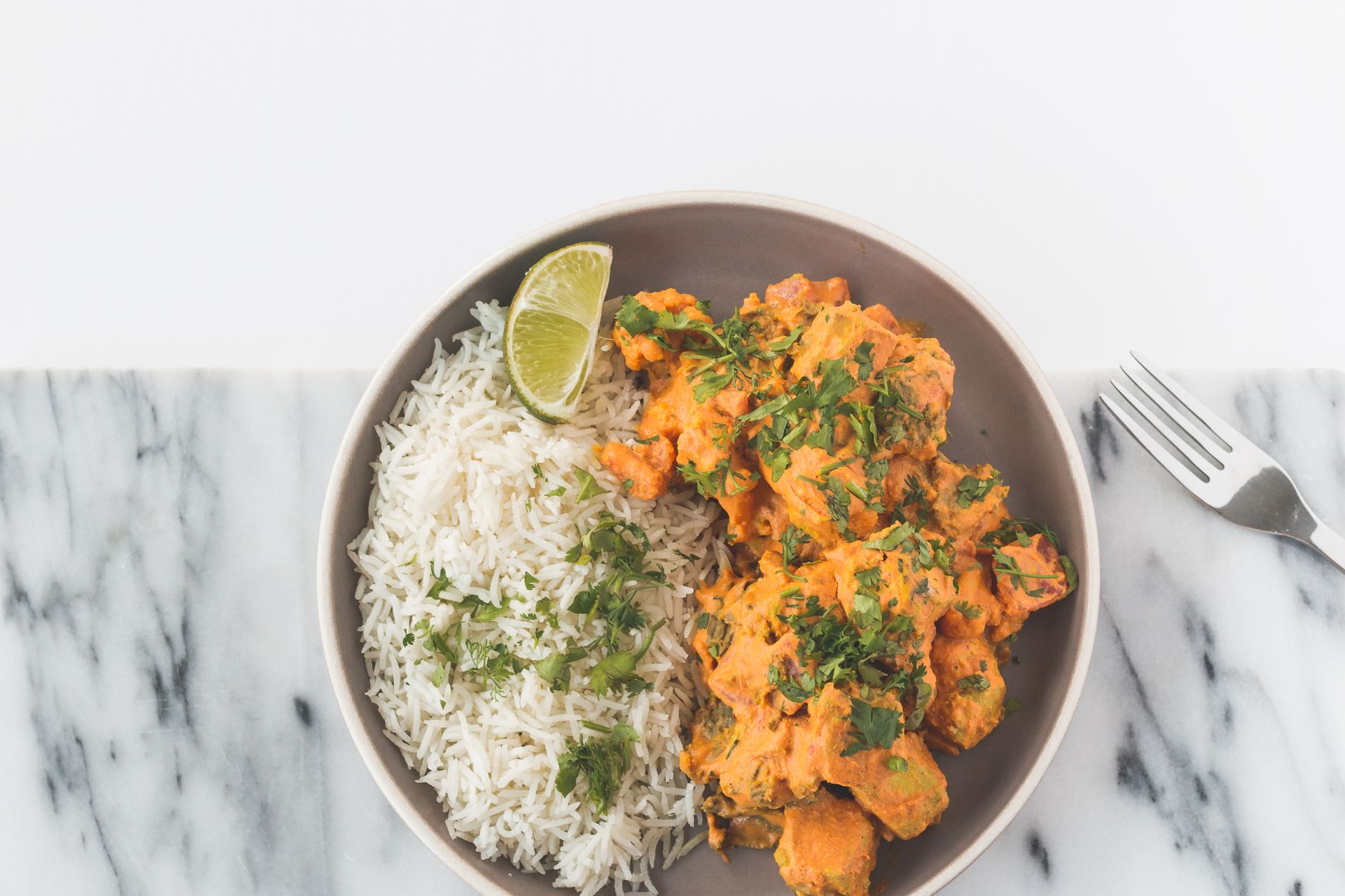
Oct 19, 2026Ají de Gallina with Habanero
Peruvian creamed chicken thickened with ground walnuts and bread, finished with habanero heat. Serve over boiled potatoes and rice for a weeknight dinner with serious spice. 55 min · 0 saves.
Bottle picks
Related hot sauce reviews.
Explore sauces with related ingredients, flavors, and heat levels.
Fly By Jing Sichuan Gold Review
A citrusy, tingly sauce with real peppercorn presence and enough versatility to move beyond dumplings.
Best for dumplings
Best for: Eggs and breakfast tacos
Skip if: Skip if you want a thick, smoky wing sauce more than a bright finishing bottle.
Read review
Mike's Hot Honey Review
Sweet heat done right: sticky, quick, and versatile enough to become a finishing move instead of a novelty.
Best for gifting
Best for: Pizza and fried chicken
Skip if: Skip if you want a classic vinegar-forward table sauce with almost no sweetness.
Read review
Heatonist Los Calientes Rojo Review
Heatonist Los Calientes Rojo: flavor notes, heat level, and suggested food pairings.
Best for tacos
Best for: Tacos and rice bowls
Skip if: Skip if you are chasing a novelty-level heat hit or a super-special-occasion bottle.
Read review
Go deeper
Background guides that build on this.
Keep reading
More on this subject.
If this post helped, these are the next pieces most likely to keep the thread going.
culture
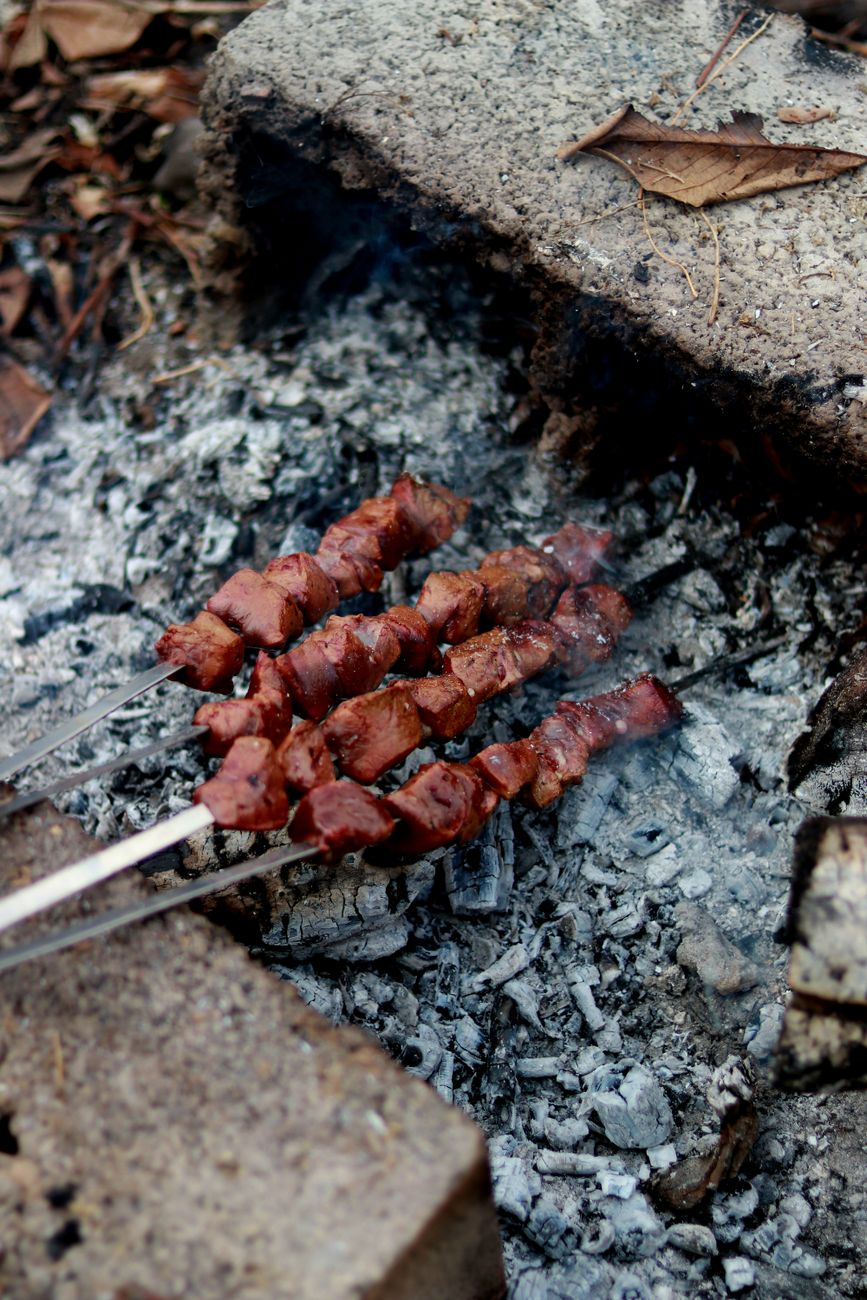
Jun 12, 2026Why Peruvian Spice Is Having Its Moment: Three Dishes That Show How Heat Works in Lima
From ají amarillo's golden fire to rocoto's sneaky burn, Peruvian kitchens understand heat like nowhere else. Here's why anticuchos, causa limeña, and ají de gallina should be on your table—and how their brilliant balance of spice and soul is winning over everyone from timid eaters to serious chile heads.
culture
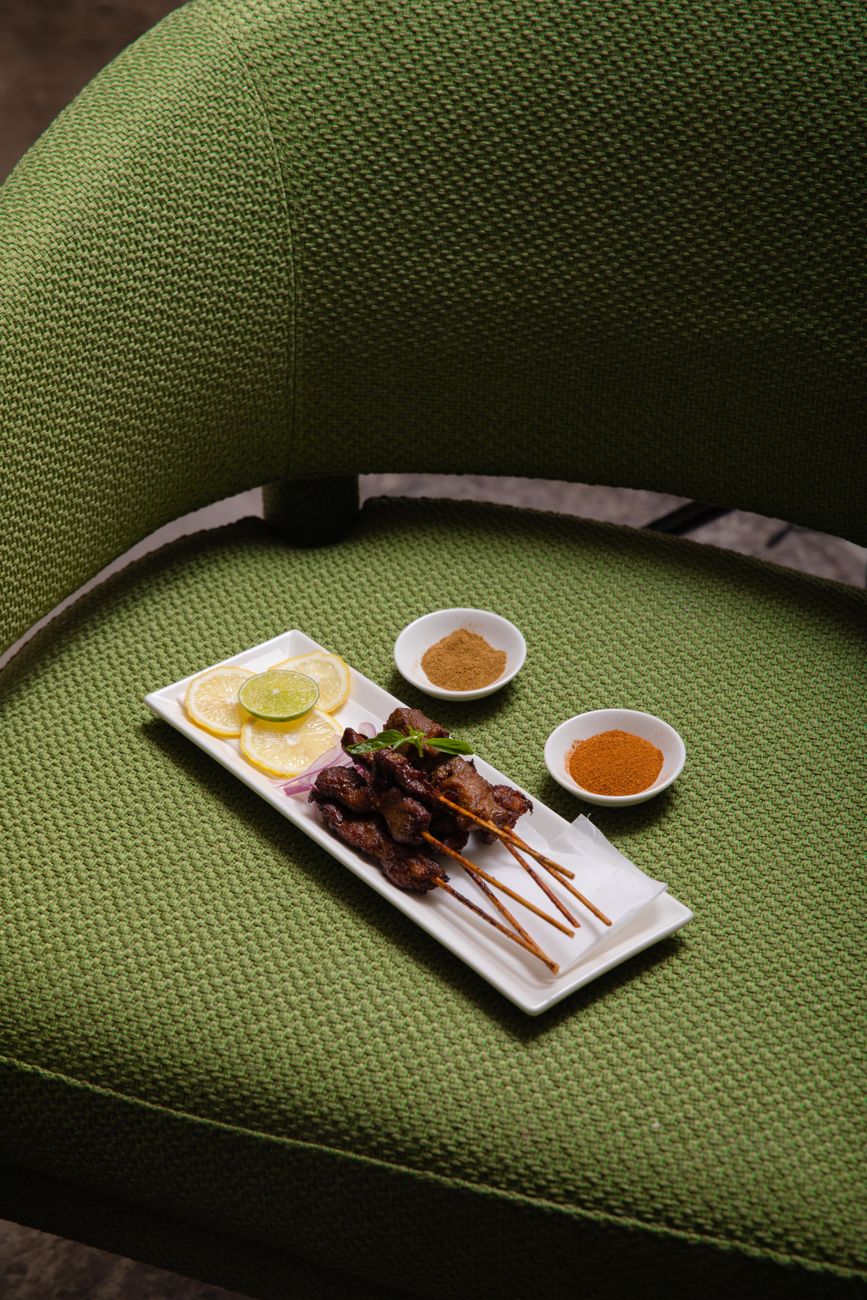
Jun 9, 2026Peru's Spicy Soul Food: Why These Heat-Driven Dishes Are Taking Over Tables
From ají amarillo-spiked anticuchos to rocoto-stuffed peppers, Peru's most craveable spicy dishes offer complex heat that goes far beyond the burn. Here's what makes them so addictive and why they deserve a spot at your table.

culture
Apr 26, 2026The Peruvian Heat Wave: Why These Three Spicy Dish Styles Are Taking Over
From ají amarillo-laden tiraditos to smoky anticuchos straight off the grill, Peru's most soul-stirring spicy dishes are finally getting their due. Here's why these three styles deserve a spot at your table.
Comments
Reader discussion is shared across recipes, reviews, and editorial pieces.
Comments are read-only while member sign-in is paused.