
science
Peruvian Ají Chiles: Flavor, Texture, and Cooking Uses
Ají amarillo, rocoto, and ají panca each bring a different character to Peruvian cooking. Explore their uses in sauces and dishes.
Share this
Pass it around
Send this page to a friend, copy the link, or save it to a Pinterest board.

Save for later
Pin this page
Save the image with a link back to this recipe, review, or article.
Ají Amarillo
If you've never cooked with ají amarillo, it's worth seeking out. This golden pepper measures 30,000–50,000 Scoville units—real heat, but carried by a fruity sweetness that reads almost tropical.
Aji amarillo keeps much of its natural oils and sugars, which gives it a bright, almost floral quality alongside the heat. The paste (sold in tubes or jars at Latin markets) concentrates that color and flavor into something that looks like liquid gold.
This is the base of dishes like papa a la huancaína. That creamy, cheese-rich sauce gets its color and gentle warmth from ají amarillo. The heat supports the dish instead of overwhelming it.
In ají de gallina, shredded chicken sits in a rich, bread-thickened sauce brightened with ají amarillo. The pepper adds enough warmth to keep the dish interesting without masking its texture.
Rocoto
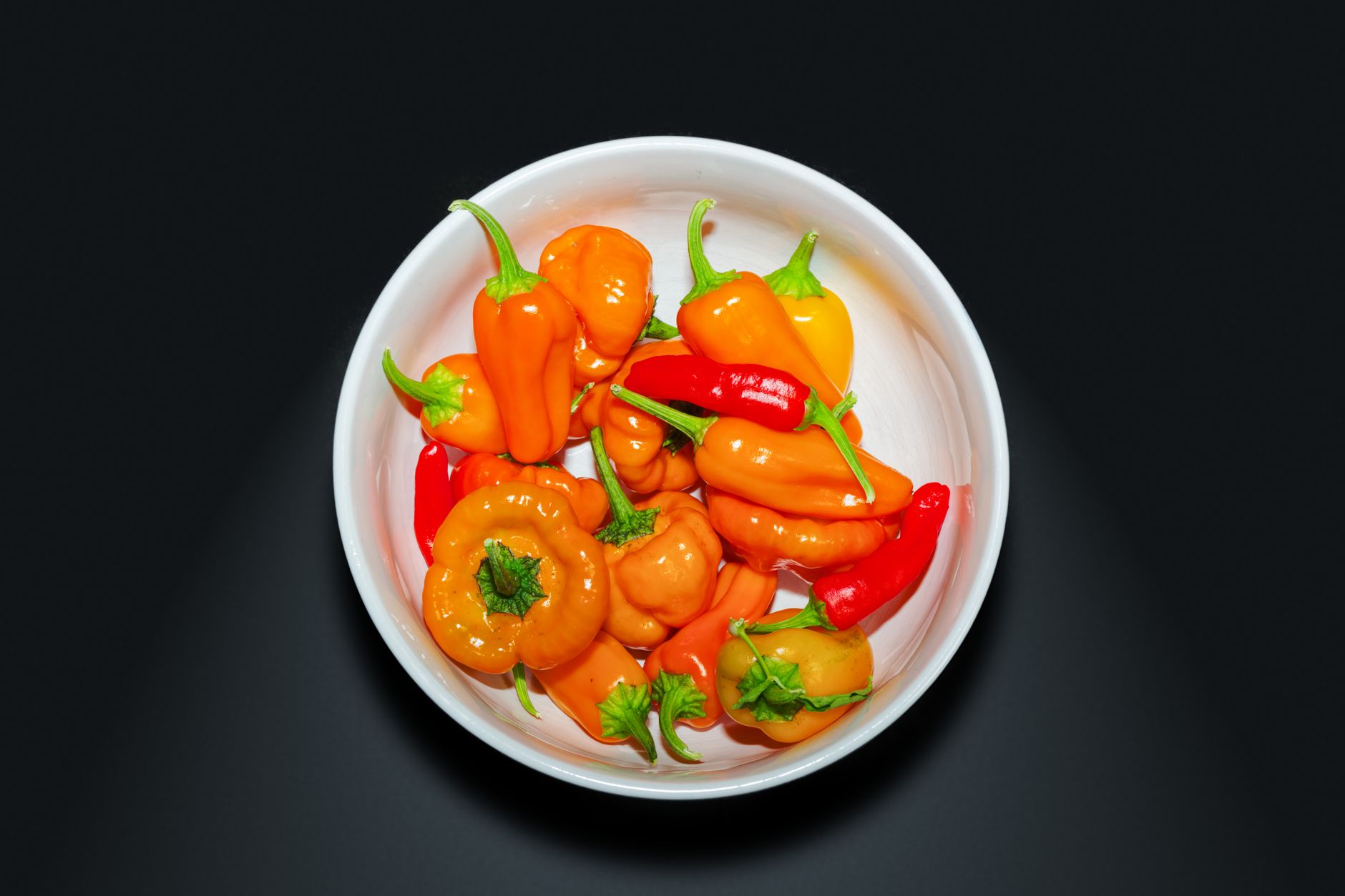
Rocoto looks like a chubby bell pepper—round, red, yellow, or orange, almost cute. Don't be fooled: it runs 100,000–350,000 Scoville units, some of the hottest heat in Peruvian cooking. How cooks handle it is what makes rocoto relleno work.
Traditional preparation blanches the peppers multiple times in boiling water before stuffing. This step mellows the raw heat considerably, so what's left is warm rather than sharp.
The stuffing is built for contrast: ground meat, hard-boiled eggs, olives, and raisins make a sweet-savory filling against the pepper's heat. Topped with melted cheese and baked until bubbly, the dish offers textural variety in every bite.
The combination of fat from the cheese, sweetness from the raisins, and the savory filling keeps the heat from ever dominating a single bite.
When rocoto shows up raw in salsas, lime juice and salt help balance its intensity, so the heat comes through in waves rather than all at once.
Ají Panca
If ají amarillo is bright and rocoto is intense, ají panca works by depth rather than volume. These dark red peppers are dried and often smoked, which concentrates their flavor into something closer to dried fruit and chocolate, with only mild heat—about 1,500–2,500 Scoville units.
That low heat is the point. Ají panca's job is to build flavor. In anticuchos (grilled beef heart skewers), the pepper doesn't compete with the char—it adds a warming, dried-fruit note underneath it.
It does similar work in seco de cabrito (goat stew), where it pairs with fresh herbs to add background warmth without building to anything sharp. The mild, steady heat keeps the dish interesting through a long braise.
Smoking and drying concentrate the pepper's natural oils and sugars, which is part of why ají panca tastes richer and more complex than a fresh chile of similar heat.
Layering Heat
Peruvian cooking often combines multiple peppers in a single dish, each contributing something different:
- Ají amarillo provides fruity heat and color
- Ají panca adds smoky depth with minimal burn
- Rocoto delivers serious heat when a dish needs it
- Ají limo brings sharp, citrusy heat, often used as a finishing touch
Causa limeña shows this layering well: ají amarillo mixed into mashed potatoes makes a base that's flavorful enough to stand alone but mild enough to let avocado, chicken salad, and hard-boiled eggs come through in the layers above.
Because different preparations bring different kinds of heat—cooked and mellow versus raw and sharp—dishes built this way tend to stay interesting from the first bite to the last, instead of leaning on one type of burn throughout.
Timing matters too. Cooked ají amarillo paste turns mellow and rich, while fresh ají limo added at the end adds a bright, sharp note. Combining a cooked chile base with a fresh chile finish is a common way Peruvian cooks build dishes that read as complete rather than simply spicy.
What ties these traditions together is restraint: using heat as one ingredient among several, rather than the whole point of the dish.
Peppers featured in this post
Cook with this idea
Recipes to try next.
Put these ingredients and techniques to use in your next meal.

peruvian · medium
May 17, 2026Aji Amarillo Chicken and Rice Bowl with Cilantro-Lime Crema
Tender chicken pieces bathed in Peru's beloved aji amarillo pepper sauce, nestled over fragrant cilantro rice with cooling lime crema and tangy pickled onions. 60 min · 0 saves.

peruvian · medium
May 3, 2026Ají Amarillo Glazed Chicken Wings
Crispy baked chicken wings coated in a vibrant ají amarillo glaze that delivers Peru's signature fruity heat with hints of garlic and lime. 65 min · 0 saves.
peruvian · hot
Oct 19, 2026Ají de Gallina with Habanero
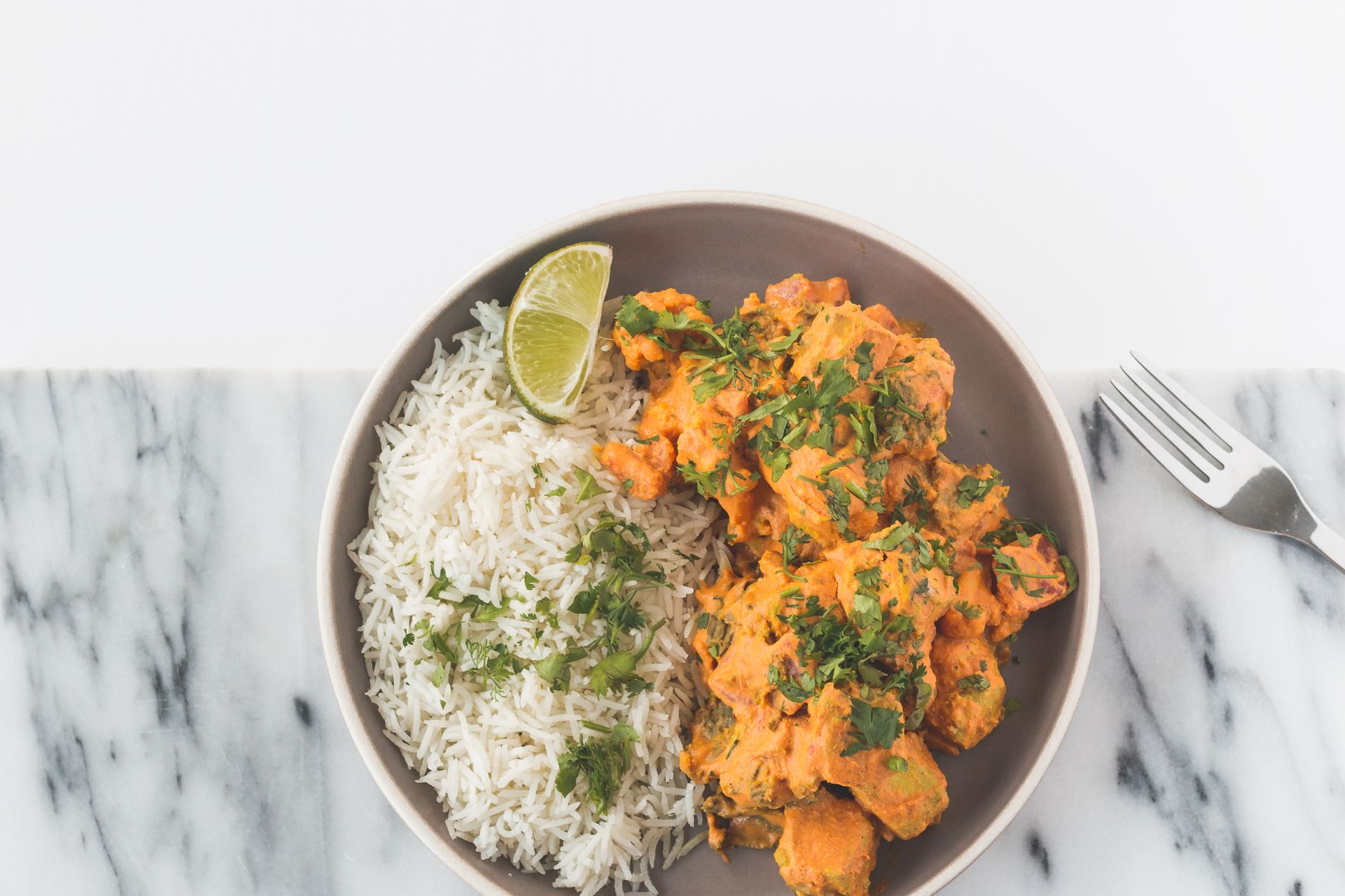
Peruvian creamed chicken thickened with ground walnuts and bread, finished with habanero heat. Serve over boiled potatoes and rice for a weeknight dinner with serious spice. 55 min · 0 saves.
Bottle picks
Related hot sauce reviews.
Explore sauces with related ingredients, flavors, and heat levels.
Fly By Jing Sichuan Gold Review
A citrusy, tingly sauce with real peppercorn presence and enough versatility to move beyond dumplings.
Best for dumplings
Best for: Eggs and breakfast tacos
Skip if: Skip if you want a thick, smoky wing sauce more than a bright finishing bottle.
Read review
Mike's Hot Honey Review
Sweet heat done right: sticky, quick, and versatile enough to become a finishing move instead of a novelty.
Best for gifting
Best for: Pizza and fried chicken
Skip if: Skip if you want a classic vinegar-forward table sauce with almost no sweetness.
Read review
Heatonist Los Calientes Rojo Review
Heatonist Los Calientes Rojo: flavor notes, heat level, and suggested food pairings.
Best for tacos
Best for: Tacos and rice bowls
Skip if: Skip if you are chasing a novelty-level heat hit or a super-special-occasion bottle.
Read review
Go deeper
Background guides that build on this.
Keep reading
More on this subject.
If this post helped, these are the next pieces most likely to keep the thread going.
science
Jun 2, 2026Cooking with Peruvian Ají Chiles, Pastes, and Citrus
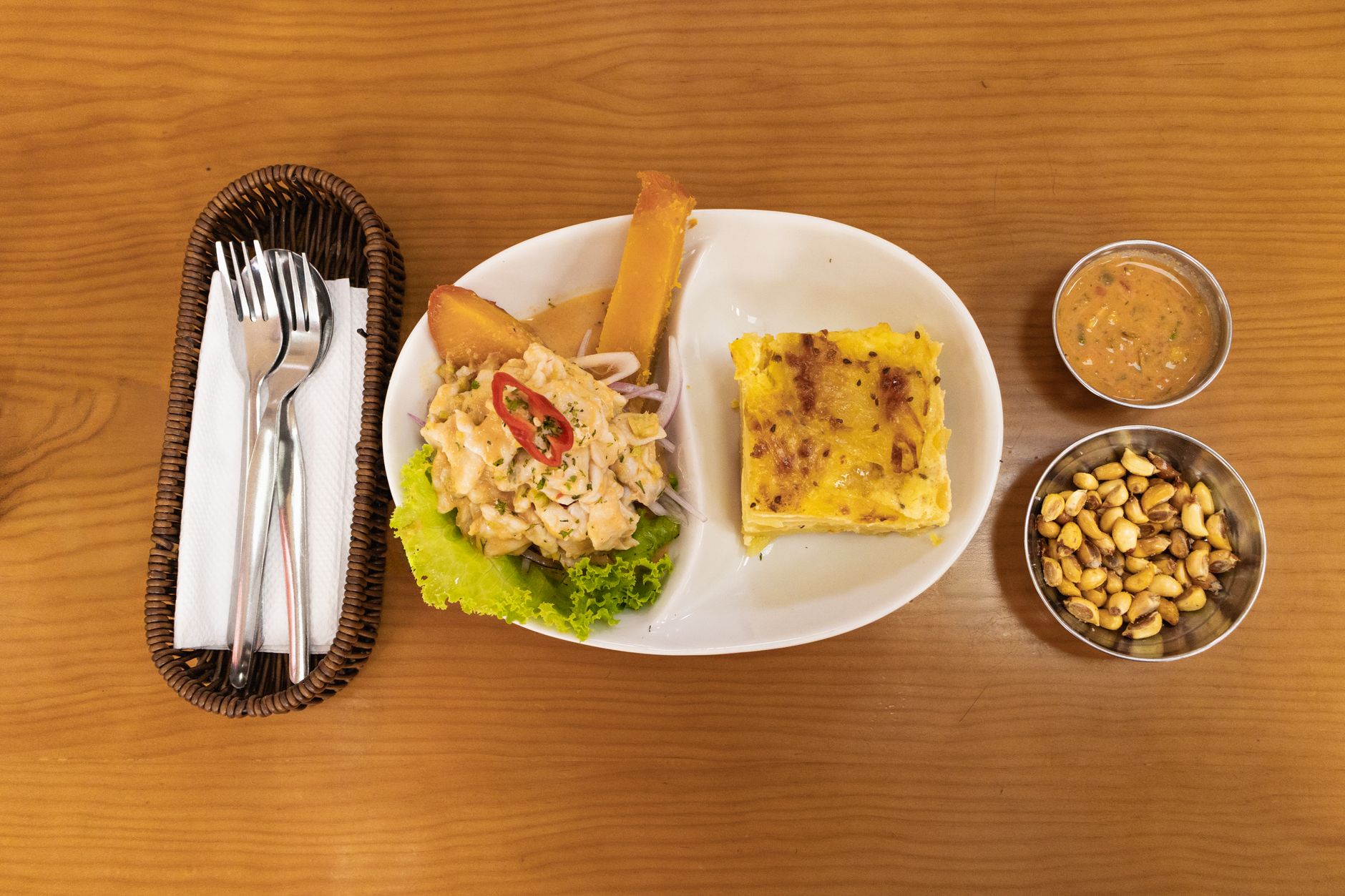
Use Peruvian ají chiles and pastes with citrus, dairy, and other ingredients, and learn how preparation changes the finished dish.

science
Oct 11, 2026Why American Spicy Food is Getting Bolder: Heat, Acid, and Umami Over Fire
American spicy cooking has shifted from pure heat toward layered flavor—fermented sauces, smoked peppers, and acid working together. These techniques make heat feel less aggressive and more useful at the table.
science
Oct 9, 2026Why Japanese Spicy Dishes Have Become Impossible to Put Down
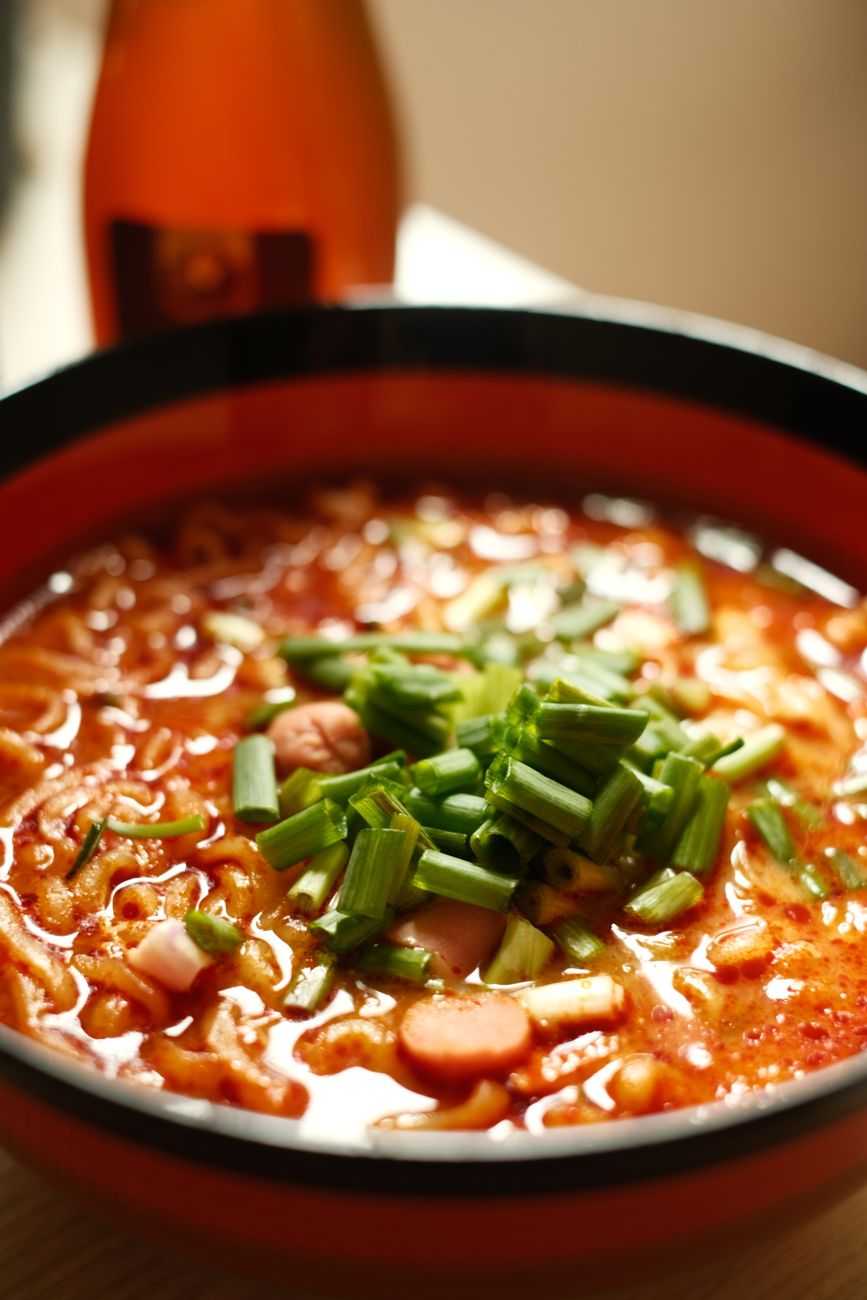
Japanese cooks have long used chili as an accent, but the current wave of spicy dishes—ramen, miso-based bowls, karaage—works because heat is layered with umami, fat, and salt. Learn how capsaicin behaves in oil versus broth, why rayu (chili oil) builds flavor rather than just fire, and how multiple applications of heat keep a dish craveable instead of numbing.
Comments
Reader discussion is shared across recipes, reviews, and editorial pieces.
Comments are read-only while member sign-in is paused.