
science
Cooking with Peruvian Ají Chiles, Pastes, and Citrus
Use Peruvian ají chiles and pastes with citrus, dairy, and other ingredients, and learn how preparation changes the finished dish.
Share this
Pass it around
Send this page to a friend, copy the link, or save it to a Pinterest board.

Save for later
Pin this page
Save the image with a link back to this recipe, review, or article.
Cooking with Peruvian Ají Chiles, Pastes, and Citrus
Peruvian cooking treats chile heat as an ingredient to shape, not just an effect to endure. In dishes like anticuchos and ají de gallina, ají peppers are combined with fat, acid, and other seasonings so the heat builds alongside other flavors rather than overwhelming them.
Traditional techniques—fermenting or aging pepper pastes, pairing chiles with dairy or oil, adding acid, layering different pepper varieties—shape how heat is delivered and how it interacts with other flavors. Understanding these techniques makes it easier to apply the same ideas at home, whether you have access to real ají varieties or are working with whatever peppers are available locally.
The Ají Amarillo Advantage: Fat-Soluble Heat That Lingers
In ají de gallina, ají amarillo paste is blended with evaporated milk, queso fresco, and bread to make a thick, creamy sauce. The dairy and bread mellow the pepper's sharpness and give the dish a rounded, savory character rather than a straightforward blast of heat.
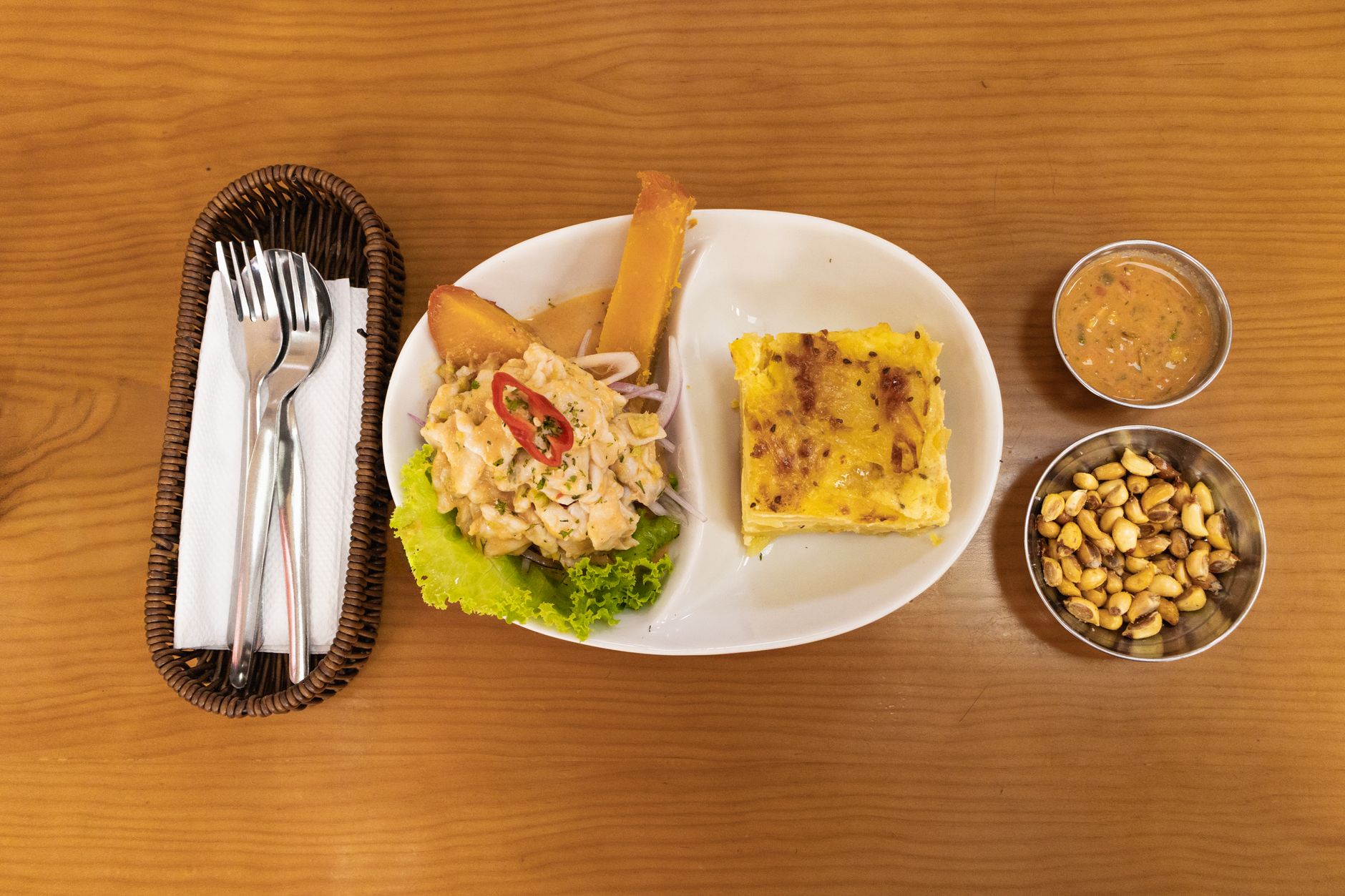
Papa a la huancaína follows the same logic: ají amarillo is blended with cheese, oil, and crackers or bread into a smooth sauce served over boiled potatoes. The result is a sauce with steady, moderate heat rather than sharp spikes.
Fermentation and Aging: How Ají Pastes Change Over Time
Many Peruvian dishes rely on fermented or aged ají pastes rather than fresh chiles. Ají panca, for example, is typically dried and sometimes fermented before use, which changes its flavor from bright and sharp to deeper and slightly tangy.
Anticuchos—grilled beef heart skewers—are marinated in a paste made with fermented ají panca, garlic, and vinegar. Fermentation and drying change the pepper's flavor, making the marinade deeper and more savory than one made with fresh chile alone.
Smart Heat Layering: Why Peruvian Dishes Use Multiple Chile Types
Peruvian recipes often combine several ají varieties in a single dish, each contributing a different kind of heat and flavor rather than relying on one pepper alone.
The classic approach combines:
- Ají amarillo for immediate, fruity heat
- Ají panca for deeper, smoky warmth that builds
- Rocoto for sharp punctuation that cuts through rich ingredients
Ají amarillo tends to register quickly on the front of the tongue. Ají panca's heat is milder and develops more slowly. Rocoto, one of the hottest peppers used in Peruvian cooking, adds a sharper, more concentrated heat that stands apart from the other two.
In a dish like arroz con pollo made with multiple ají varieties, the heat can shift in character from bite to bite rather than staying flat throughout the meal.
The Role of Acid: Balancing Heat with Citrus
Lime juice appears throughout Peruvian cooking alongside ají, and it does more than add brightness—it balances the richness of fat-carried heat and adds acidity that cuts through creamy or fatty sauces.
In ceviche made with ají, lime juice both cooks the fish and adds acidity that keeps the dish tasting bright rather than heavy, even with chile in the mix.
Temperature and Timing: Why Hot Dishes Hit Harder
Dishes like seco de cabrito and other spicy stews are typically served very hot, and many cooks and diners find that heat from chiles seems more pronounced in a hot dish than in the same dish once it cools.
Cooks can add fresh ají just before serving for a sharper hit of heat, or stir in milder pepper varieties near the end of cooking to preserve more of their fresh flavor.
Because of this, a dish can taste different from the first bite to the last, with the heat often feeling more intense while the food is hot and mellowing somewhat as it cools.
Building Your Own Ají-Inspired Heat
You can bring these Peruvian principles into your own cooking, even without access to traditional ají varieties:
- Layer different pepper types - combine fruity chiles with smoky ones
- Include fat sources - dairy, oils, or nuts to carry and distribute heat
- Add acid strategically - lime or vinegar to balance and brighten heat rather than adding more of it
- Consider timing - when you add peppers affects how they'll taste
- Think beyond intensity - aim for complexity that builds over time
The goal isn't the hottest possible dish, but heat that works with the other ingredients rather than overwhelming them. These techniques—layering peppers, using fat and acid, and paying attention to timing and temperature—can be applied with whatever chiles are available, not just traditional ají varieties.
Peppers featured in this post
Cook with this idea
Recipes to try next.
Put these ingredients and techniques to use in your next meal.

peruvian · medium
May 17, 2026Aji Amarillo Chicken and Rice Bowl with Cilantro-Lime Crema
Tender chicken pieces bathed in Peru's beloved aji amarillo pepper sauce, nestled over fragrant cilantro rice with cooling lime crema and tangy pickled onions. 60 min · 0 saves.

peruvian · medium
May 3, 2026Ají Amarillo Glazed Chicken Wings
Crispy baked chicken wings coated in a vibrant ají amarillo glaze that delivers Peru's signature fruity heat with hints of garlic and lime. 65 min · 0 saves.
peruvian · hot
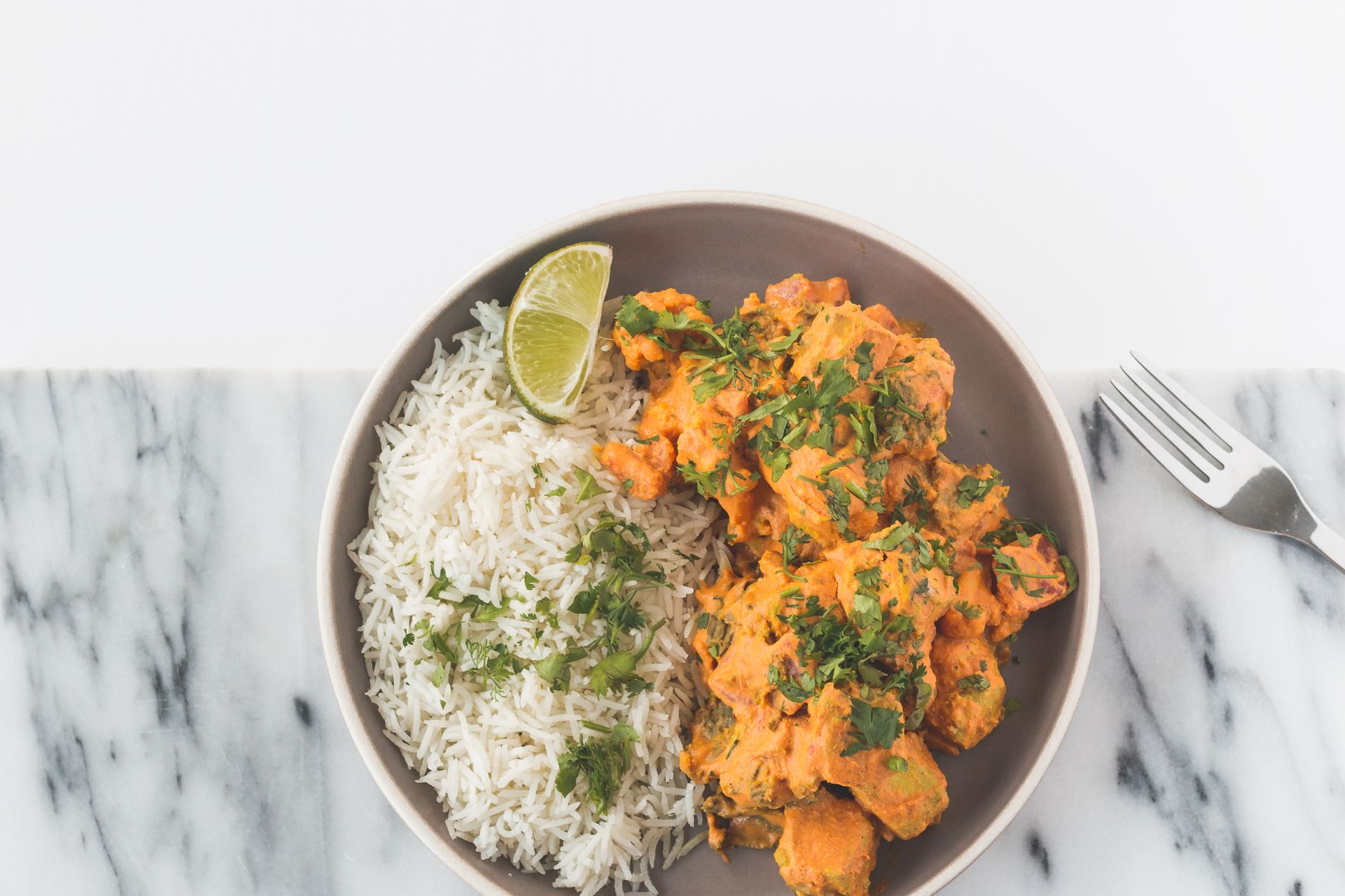
Oct 19, 2026Ají de Gallina with Habanero
Peruvian creamed chicken thickened with ground walnuts and bread, finished with habanero heat. Serve over boiled potatoes and rice for a weeknight dinner with serious spice. 55 min · 0 saves.
Bottle picks
Related hot sauce reviews.
Explore sauces with related ingredients, flavors, and heat levels.
Fly By Jing Sichuan Gold Review
A citrusy, tingly sauce with real peppercorn presence and enough versatility to move beyond dumplings.
Best for dumplings
Best for: Eggs and breakfast tacos
Skip if: Skip if you want a thick, smoky wing sauce more than a bright finishing bottle.
Read review
Heatonist Los Calientes Rojo Review
Heatonist Los Calientes Rojo: flavor notes, heat level, and suggested food pairings.
Best for tacos
Best for: Tacos and rice bowls
Skip if: Skip if you are chasing a novelty-level heat hit or a super-special-occasion bottle.
Read review
Queen Majesty Scotch Bonnet and Ginger Review
A bright, elegant sauce that leans on fruit, ginger, and Scotch bonnet lift instead of brute force.
Best for seafood
Best for: Seafood and fish tacos
Skip if: Skip if you want a thick, smoky wing sauce more than a bright finishing bottle.
Read review
Go deeper
Background guides that build on this.
Keep reading
More on this subject.
If this post helped, these are the next pieces most likely to keep the thread going.
science
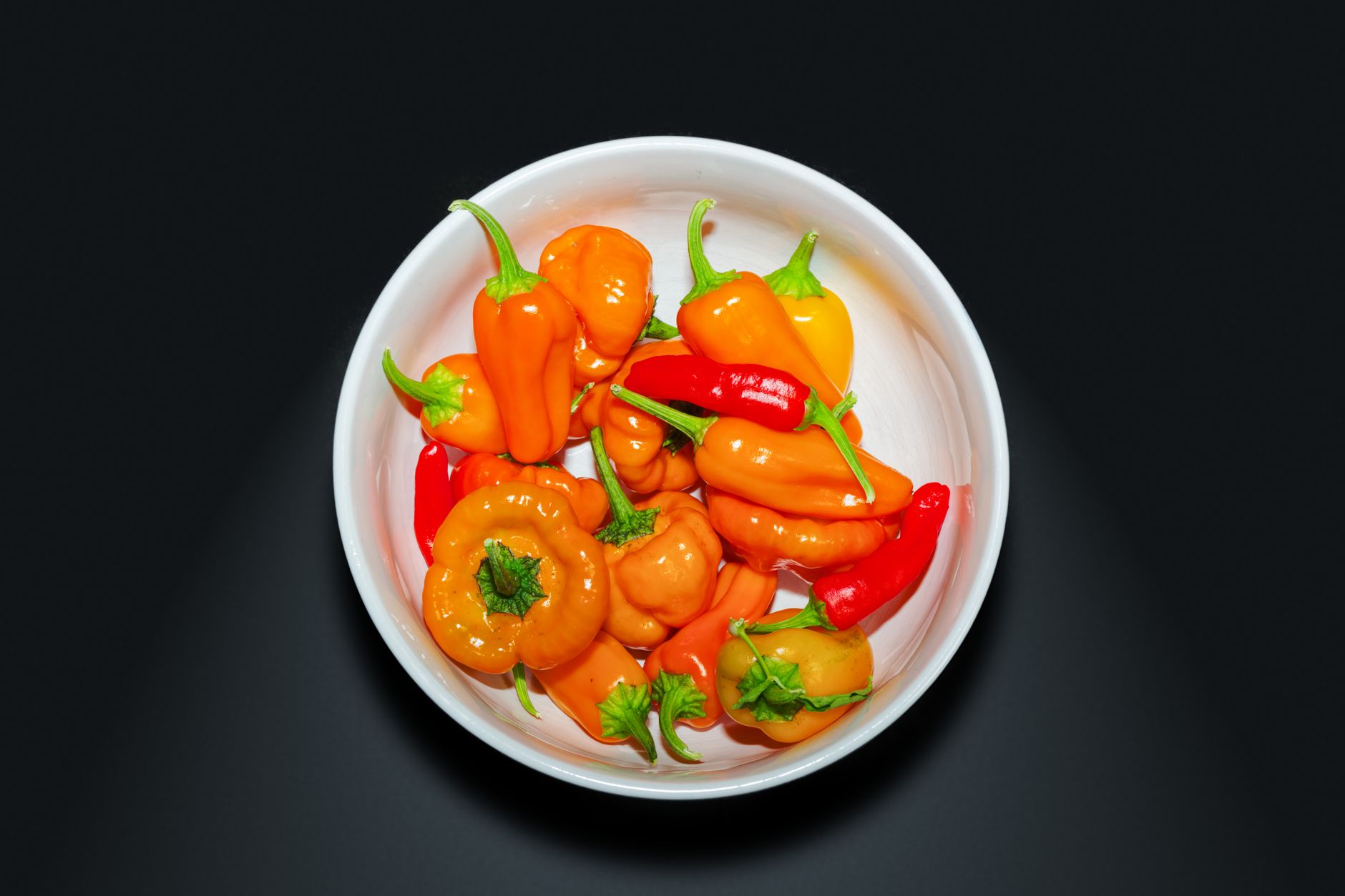
May 22, 2026Peruvian Ají Chiles: Flavor, Texture, and Cooking Uses
Ají amarillo, rocoto, and ají panca each bring a different character to Peruvian cooking. Explore their uses in sauces and dishes.

science
Oct 11, 2026Why American Spicy Food is Getting Bolder: Heat, Acid, and Umami Over Fire
American spicy cooking has shifted from pure heat toward layered flavor—fermented sauces, smoked peppers, and acid working together. These techniques make heat feel less aggressive and more useful at the table.
science
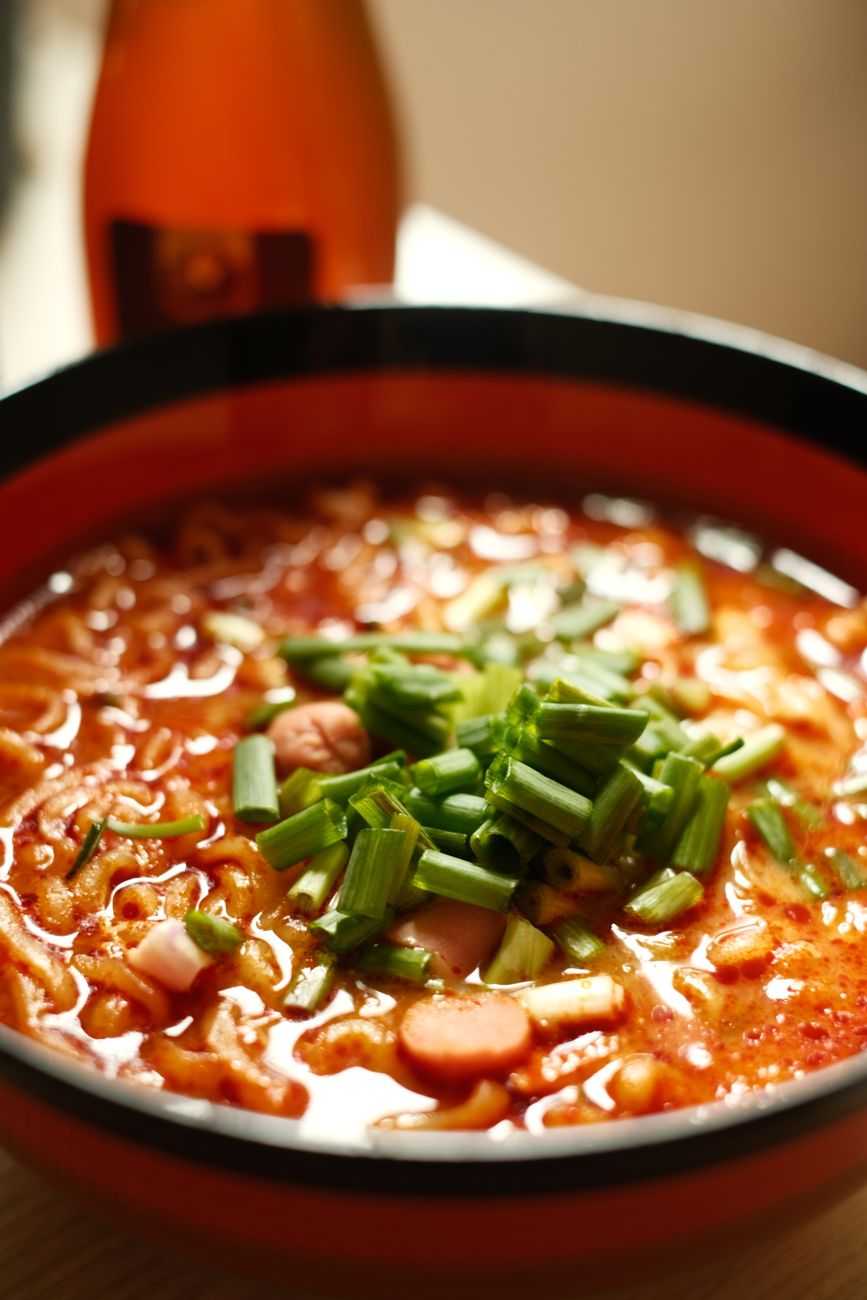
Oct 9, 2026Why Japanese Spicy Dishes Have Become Impossible to Put Down
Japanese cooks have long used chili as an accent, but the current wave of spicy dishes—ramen, miso-based bowls, karaage—works because heat is layered with umami, fat, and salt. Learn how capsaicin behaves in oil versus broth, why rayu (chili oil) builds flavor rather than just fire, and how multiple applications of heat keep a dish craveable instead of numbing.
Comments
Reader discussion is shared across recipes, reviews, and editorial pieces.
Comments are read-only while member sign-in is paused.