
FlamingFoodies recipe
Jamaican Escovitch Fish with Scotch Bonnet Oil
Crispy fried snapper topped with pickled vegetables and a gentle scotch bonnet-infused oil that brings warmth without overwhelming heat.
Golden fried fish meets tangy pickled vegetables and gently spiced scotch bonnet oil in this soul-warming take on Jamaica's beloved escovitch fish.
Ingredients
Fish
- 2 lbsred snapper fillets, skin on, scaled and cleaned
- 1 teaspoonsalt
- 1/2 teaspoonblack pepper
- 1 limelime juice
- 1 cupall-purpose flour
- 2 cupsvegetable oil, for frying
Escovitch Vegetables
- 1 largewhite onion, thinly sliced
- 1 largecarrot, julienned
- 1 mediumred bell pepper, sliced into strips
- 1/2 cupwhite vinegar
- 2 tablespoonsbrown sugar
- 1 teaspoonsalt
- 4 wholeallspice berries
- 2 baybay leaves
Scotch Bonnet Oil
- 1/3 cupvegetable oil
- 1 wholescotch bonnet pepper, pricked with a knife
- 2 clovesgarlic, smashed
- 1 sprigfresh thyme
Method
1. Season and prep the fish Pat those snapper fillets completely dry—this is your ticket to crispy skin. Rub them with lime juice, salt, and pepper, then let them sit for 15 minutes while you prep everything else. The lime firms up the flesh and adds brightness. When you're ready to fry, dredge each fillet in flour and shake off the excess—you want just enough to create that golden crust.
Watch for: Fish should feel firm and the flour coating should look even and light
Tip: Dry fish is happy fish. Any moisture will cause splattering and prevent that beautiful crispy skin we're after.
2. Make the scotch bonnet oil Start your scotch bonnet oil early since it needs time to develop its flavor. Heat the oil gently with the pricked pepper, smashed garlic, and thyme sprig. Keep it at a lazy bubble—aggressive heat will make the oil bitter and overly spicy. Let it infuse for 10 minutes, then remove from heat. The pepper keeps giving flavor even as it cools.
Watch for: Oil should gently bubble around the pepper, never violently sizzle
Tip: Pricking the pepper is crucial—it prevents bursting and lets the heat release slowly and evenly.
3. Fry the fish Get your oil to 350°F and fry the fish skin-side down first. This is where patience pays off—let that skin get properly golden before flipping, about 4-5 minutes depending on thickness. You'll know it's ready when the flesh flakes easily and the skin looks like burnished gold. Transfer to your serving platter and try not to nibble the crispy bits.
Watch for: Skin should be deeply golden and fish should flake when gently pressed with a fork
Tip: Don't crowd the pan. Fry in batches if needed—crowded fish steams instead of crisping.
4. Quick-pickle the vegetables While the fish rests, make your quick pickle. Bring the vinegar, brown sugar, salt, allspice, and bay leaves to a rolling boil, then add all your sliced vegetables. They only need 2-3 minutes—you want them tender but still with some snap. Spoon the hot vegetables and their liquid right over the fish, then finish with that gorgeous scotch bonnet oil.
Watch for: Vegetables should be bright in color and tender-crisp
Tip: The vegetables should still have some bite—they'll continue softening slightly from residual heat.
Equipment
- large skillet or heavy pot
- small saucepan
- medium saucepan
- tongs
- thermometer
Make ahead
- The scotch bonnet oil actually improves over 1-3 days, so make it ahead if you can. The pickled vegetables can be prepared earlier in the day and left at room temperature—they'll just get more flavorful.
Storage
- Leftover fish and vegetables keep covered in the fridge for up to 2 days. The pickled vegetables alone will keep for up to a week and make a great condiment.
Reheat
- Escovitch fish is meant to be served at room temperature, but if you want it warm, heat gently in a 300°F oven for 8-10 minutes to keep that crispy coating intact.
Top tips
- Make the scotch bonnet oil a day or two ahead—the flavors deepen and mellow beautifully
- Don't skip pricking the pepper; it prevents bursting and allows that gentle, fruity heat to infuse properly
- Serving at room temperature isn't just traditional—it actually lets all the flavors shine brightest
Substitutions
- King fish, grouper, or mahi-mahi work beautifully if you can't find snapper
- Habanero can stand in for scotch bonnet—similar heat and fruitiness
- White sugar or coconut sugar work fine in place of brown sugar
Serve with
- Rice and peas is the classic pairing—the coconut rice soaks up all those good juices
- Sweet fried plantains add another layer of Caribbean comfort
- Festival (those little sweet fried dumplings) are perfect for sopping up the oil
Find another recipe
Open archive →Jamaican Escovitch Fish with Scotch Bonnet Oil

Crispy fried snapper topped with pickled vegetables and a gentle scotch bonnet-infused oil that brings warmth without overwhelming heat.
Prep
30 min
Cook
25 min
Active
45 min
Total
55 min
Yield
4 servings
Share this
Pass it around
Send this page to a friend, copy the link, or save it to a Pinterest board.
Save for later
Pin this page
Save the image with a link back to this recipe, review, or article.
Peppers in this recipe
Recipe notes
Before you cook
Escovitch fish brings together everything I love about Jamaican cooking—it's vibrant, welcoming, and tastes even better when shared. This dish starts with crispy fish (the skin crackling just right) and gets crowned with bright pickled vegetables and a scotch bonnet oil that whispers rather than shouts. I've kept the heat gentle here because the real magic happens in the balance: tangy pickles cutting through rich oil, fruity pepper warmth playing against the sweet fish. The best part? It's actually meant to be served at room temperature, which means you can get everything ready without last-minute stress and just let people gather around the table.
Total time
55 min
Prep: 30 min. Cook: 25 min.
Yield
4 servings
The ingredient quantities below are for this yield.
Method
How to cook it
Use the step navigator to move around, or stay in cook mode and work top to bottom.
- 1
Step 1 of 4
Season and prep the fish
Pat those snapper fillets completely dry—this is your ticket to crispy skin. Rub them with lime juice, salt, and pepper, then let them sit for 15 minutes while you prep everything else. The lime firms up the flesh and adds brightness. When you're ready to fry, dredge each fillet in flour and shake off the excess—you want just enough to create that golden crust.
- 2
Step 2 of 4
Make the scotch bonnet oil
Start your scotch bonnet oil early since it needs time to develop its flavor. Heat the oil gently with the pricked pepper, smashed garlic, and thyme sprig. Keep it at a lazy bubble—aggressive heat will make the oil bitter and overly spicy. Let it infuse for 10 minutes, then remove from heat. The pepper keeps giving flavor even as it cools.
- 3
Step 3 of 4
Fry the fish
Get your oil to 350°F and fry the fish skin-side down first. This is where patience pays off—let that skin get properly golden before flipping, about 4-5 minutes depending on thickness. You'll know it's ready when the flesh flakes easily and the skin looks like burnished gold. Transfer to your serving platter and try not to nibble the crispy bits.
- 4
Step 4 of 4
Quick-pickle the vegetables
While the fish rests, make your quick pickle. Bring the vinegar, brown sugar, salt, allspice, and bay leaves to a rolling boil, then add all your sliced vegetables. They only need 2-3 minutes—you want them tender but still with some snap. Spoon the hot vegetables and their liquid right over the fish, then finish with that gorgeous scotch bonnet oil.
Troubleshooting
Tips that matter
- Make the scotch bonnet oil a day or two ahead—the flavors deepen and mellow beautifully
- Don't skip pricking the pepper; it prevents bursting and allows that gentle, fruity heat to infuse properly
- Serving at room temperature isn't just traditional—it actually lets all the flavors shine brightest
Substitutions and variations
Storage and leftovers
Plan ahead and reheat well
Make ahead
The scotch bonnet oil actually improves over 1-3 days, so make it ahead if you can. The pickled vegetables can be prepared earlier in the day and left at room temperature—they'll just get more flavorful.
Storage
Leftover fish and vegetables keep covered in the fridge for up to 2 days. The pickled vegetables alone will keep for up to a week and make a great condiment.
Reheat
Escovitch fish is meant to be served at room temperature, but if you want it warm, heat gently in a 300°F oven for 8-10 minutes to keep that crispy coating intact.
At the table
Serving suggestions
- Rice and peas is the classic pairing—the coconut rice soaks up all those good juices
- Sweet fried plantains add another layer of Caribbean comfort
- Festival (those little sweet fried dumplings) are perfect for sopping up the oil
- Hard-dough bread makes it a proper Jamaican feast
FAQ
Common questions
How do I know if the scotch bonnet oil is getting too hot?
Taste a tiny bit on some bread after 5 minutes of infusing. If it's already quite spicy, pull out the pepper early. The heat keeps developing even off the heat, so better to err on the gentle side.
Can I use fish fillets instead of whole fish?
Absolutely—fillets are actually easier to handle and cook more evenly. Just keep the skin on for the best texture and that authentic look.
Why serve this at room temperature?
The pickled vegetables taste brightest when they're not steaming hot, and the scotch bonnet oil doesn't overwhelm the fish. Plus, it makes entertaining so much easier—everything can be ready when your guests arrive.
Heat profile
Mild heat
The recipe is classified as mild. Adjust the chile quantity to your preference.
Skill level
Intermediate
Check the method for steps that need to be prepared at the same time.
Total time
55 min
Prep: 30 min. Cook: 25 min.
Yield
4 servings
The ingredient quantities below are for this yield.
Cook this with
Three useful buys before you start
A sauce, a pantry ingredient, and a kitchen tool to consider for this dish.
Sauce
Scotch Bonnet and Ginger
Queen Majesty · Best for seafood
Explore this sauce from the same cuisine: jamaican.
Get the sauce used herePantry
Nando's Medium Peri-Peri Sauce
Char-ready marinade
Chicken, skewers, and grilled vegetables. The bottle to grab when chicken needs acid, garlic, and real heat before it hits the grill or broiler.
Grab the pantry stapleGear
Stainless Steel Grill Basket
Summer helper
Seafood, fajitas, and charred vegetables. A cleaner route for shrimp, peppers, onions, and small vegetables that would otherwise disappear into the grates.
Use this toolPair this with
The right bottle for this recipe
These sauce picks are matched to the dish itself, not dropped in at random. Use them to finish, sharpen, or push the heat where it helps.
Scotch Bonnet and Ginger
Explore this sauce from the same cuisine: jamaican.
A bright, elegant sauce that leans on fruit, ginger, and Scotch bonnet lift instead of brute force.
Yellowbird Habanero
It brings enough heat to cut through the richer bites without flattening the rest of the dish.
A bright, carrot-forward bottle with enough heat to stay lively and enough sweetness to stay versatile.
Shop the pantry
Pantry staples for this recipe
Char-ready marinade
$8-$14Nando's Medium Peri-Peri Sauce
Chicken, skewers, and grilled vegetables. The bottle to grab when chicken needs acid, garlic, and real heat before it hits the grill or broiler.
Check price on AmazonHerb-citrus punch
$7-$13Chermoula Marinade Paste
Fish, grilled chicken, roasted veg. Morocco's go-to herb marinade — bright with cilantro, cumin, lemon, and garlic. Exceptional on fish, chicken, and roasted vegetables.
Check price on AmazonBackyard hero
$8-$14Jerk Seasoning
Chicken, shrimp, and grilling marinades. A fast flavor base for shrimp skewers, chicken thighs, grilled corn, and any cookout that needs more swagger.
Check price on AmazonRecommended equipment
Cooking tools
Summer helper
$18-$30Stainless Steel Grill Basket
Seafood, fajitas, and charred vegetables. A cleaner route for shrimp, peppers, onions, and small vegetables that would otherwise disappear into the grates.
Check price on AmazonWeeknight workhorse
$22-$40Half Sheet Pan Set
Wings, sheet-pan dinners, and broiler finishes. The tray set that makes roasted wings, vegetables, salmon, and sheet-pan dinners feel like a plan instead of a scramble.
Check price on AmazonCook next
More recipes with similar heat
These are the next recipes most likely to fit the same mood, pantry, or heat level once this one is in your rotation.
jamaican · mild
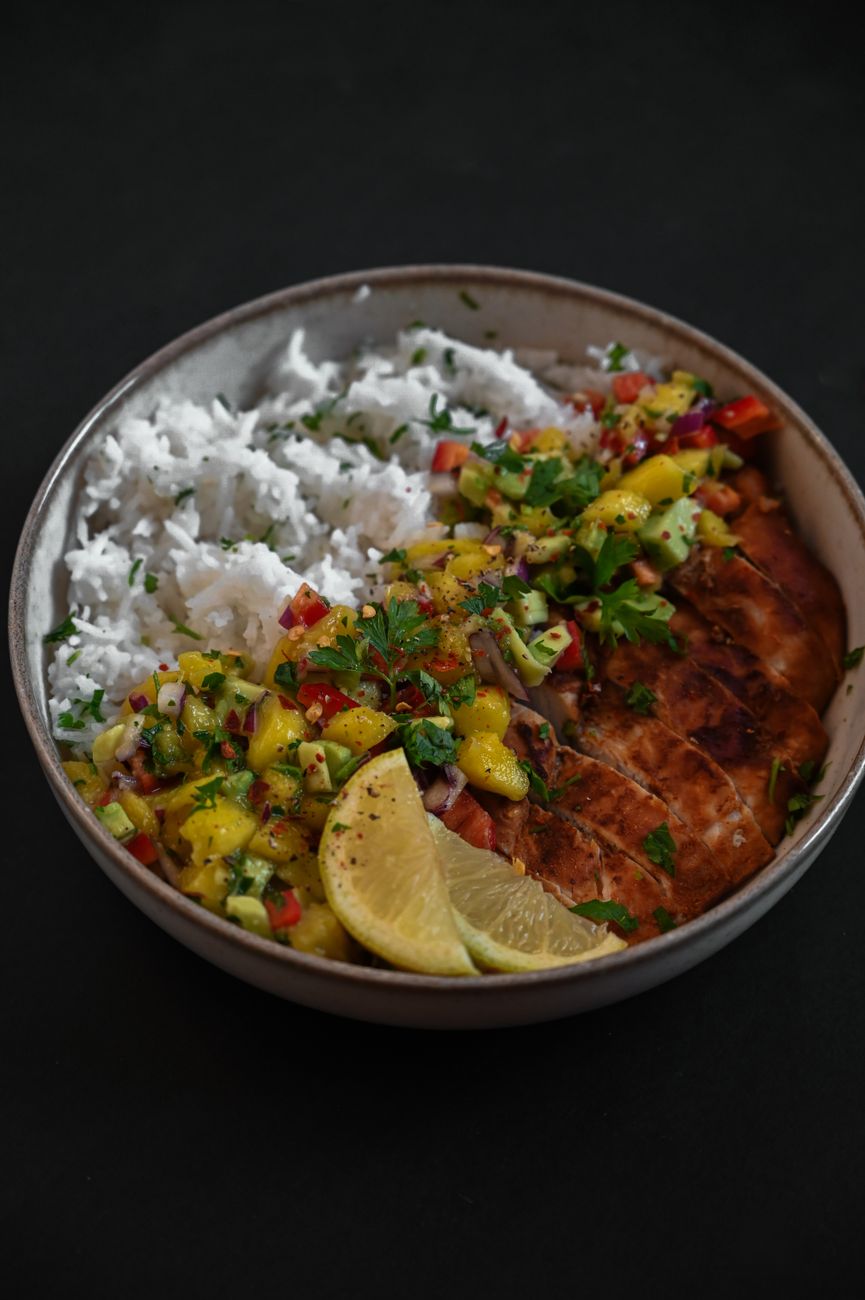
May 9, 2026Coconut Rice Bowl with Scotch Bonnet Chicken and Mango Slaw
Tender chicken thighs simmered in coconut milk with a touch of scotch bonnet pepper, served over fragrant coconut rice with crisp mango slaw and cilantro-lime finish. 55 min · 0 saves.

jamaican · mild
Apr 11, 2026Jamaican Brown Stew Chicken with Sweet Scotch Bonnet
Tender chicken pieces slowly braised in a rich, caramelized sauce with aromatic thyme, allspice, and just a whisper of Scotch bonnet heat. 65 min · 0 saves.
jamaican · medium
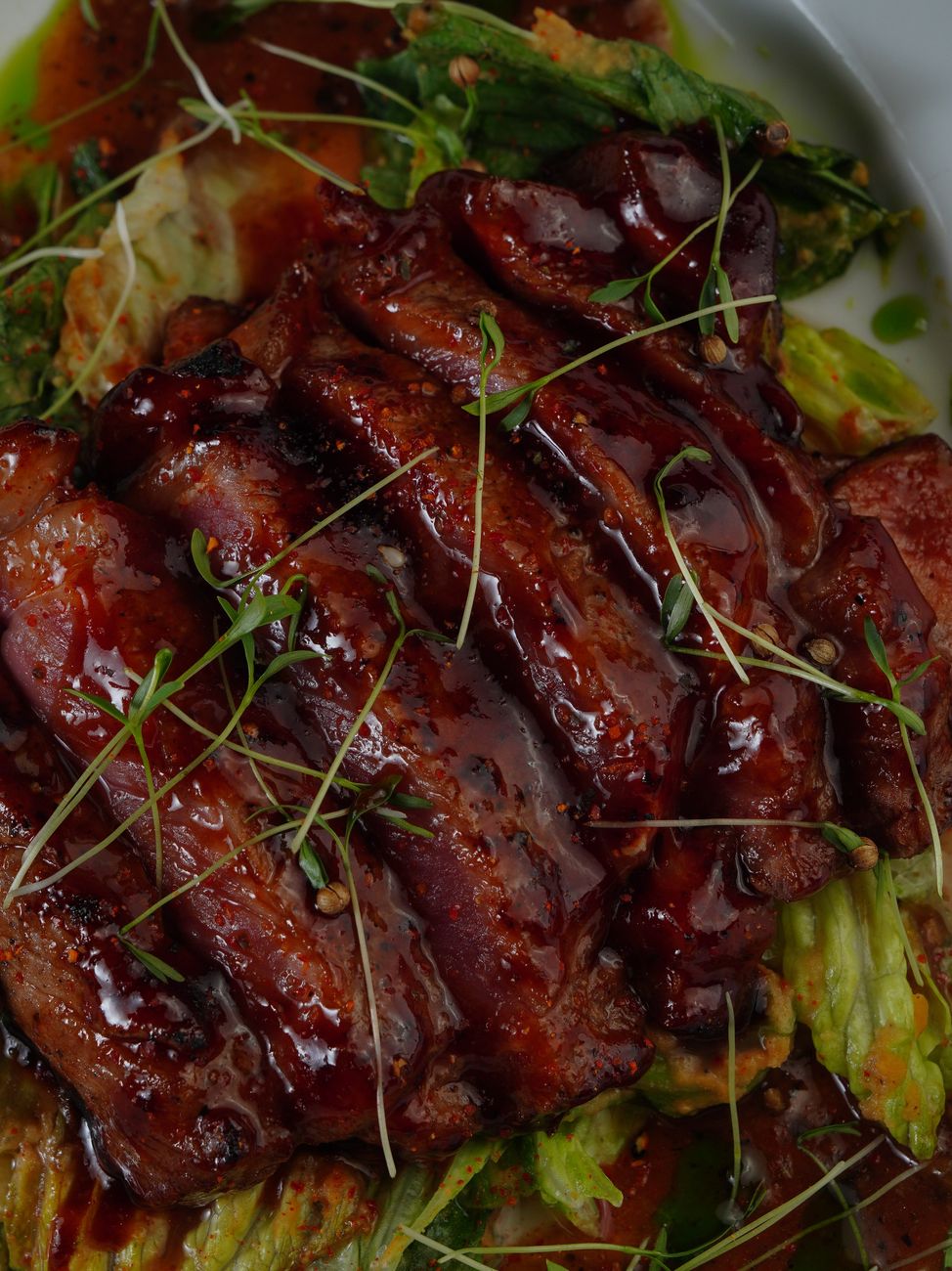
Apr 26, 2026Grilled Jerk Pork Shoulder with Roasted Scotch Bonnet Glaze
Tender pork shoulder gets the full jerk treatment with aromatic spices, slow grilling, and a glossy scotch bonnet glaze that brings authentic Jamaican heat without overwhelming anyone at your table. 200 min · 0 saves.
FlamingFoodies picks
Pantry, gear, and bottle picks that fit this meal
Everyday bottle
Yellowbird Habanero Hot Sauce
Bright carrot-habanero heat with enough body to work on eggs, tacos, and roasted vegetables. Best for breakfasts, tacos, and meal prep bowls.
View on AmazonNumbing heat
Fly By Jing Sichuan Gold
A more citrusy, peppercorn-leaning sauce when you want flavor movement instead of pure capsaicin. Best for dumplings, noodles, and fried eggs.
View on AmazonFrom the blog
More about this dish
Read more about the ingredients and cuisine.
culture
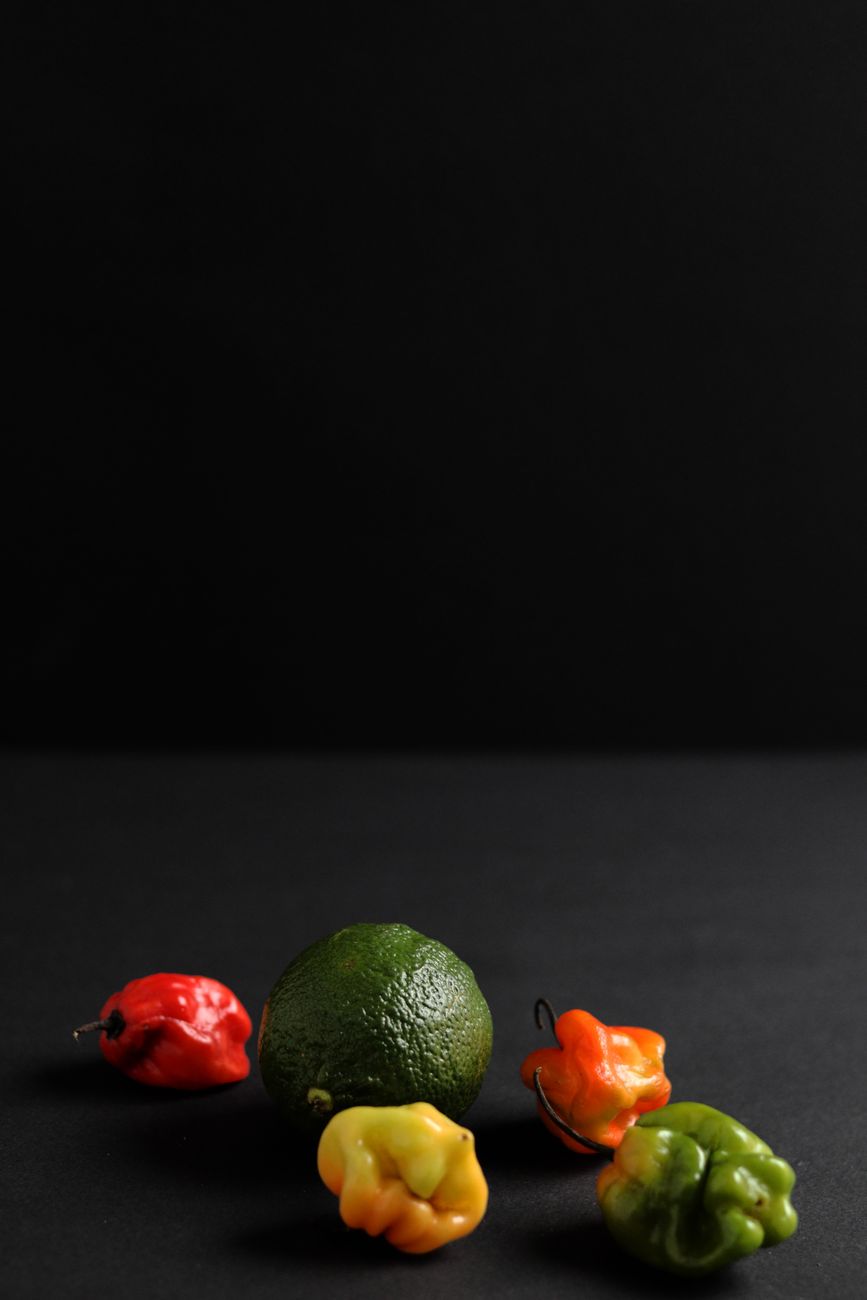
Apr 23, 2026Jamaica's Heat Revolution: Three Spicy Styles Reshaping Caribbean Tables
Three brilliant ways Jamaican cooks are reimagining their pepper-forward traditions—from jerk-spiced vegetables to scotch bonnet curry comfort foods—that actually make sense for your kitchen.
culture
Apr 11, 2026Three Jamaican Spicy Dishes That Have Us Coming Back for More
From slow-braised curry goat to vinegar-bright escovitch fish, these three Jamaican dishes prove that the island's smartest cooks have always known how to make scotch bonnets sing without screaming.
Background guides
Read the guide behind the technique
Learn more about the cooking techniques used here.
Community notes
Reader discussion is shared across recipes, reviews, and editorial pieces.
Comments are read-only while member sign-in is paused.