
science
West African Peppers, Fermented Seasonings, and Aromatics
A closer look at peppers, grains of paradise, fermented seasonings, and the regional differences within West African cooking.
Share this
Pass it around
Send this page to a friend, copy the link, or save it to a Pinterest board.

Save for later
Pin this page
Save the image with a link back to this recipe, review, or article.
West African Peppers, Fermented Seasonings, and Aromatics
West African pepper dishes build heat differently than a lot of other cuisines. In dishes like jollof rice or pepper soup, the burn tends to arrive gradually and stay balanced against other flavors instead of overwhelming the dish.
That balance comes from technique as much as from the peppers themselves. Cooks across Ghana, Nigeria, Senegal, and neighboring countries pair specific pepper varieties with fermentation methods and aromatic spice blends, so the heat works alongside other flavors instead of competing with them.
The result is food where pepper heat is one layer among several: fermented condiments, oil-based sauces, and spice blends all shape how the heat comes through and how long it lingers.
The Scotch Bonnet Secret
Scotch bonnets are central to a lot of these dishes, and they carry real heat by Scoville standards, yet jollof rice made with them doesn't read as punishing. Part of the reason is what else is in the pepper besides heat: scotch bonnets have a fruity, almost floral flavor underneath the burn.
When scotch bonnets are blended into a tomato-onion base for Nigerian stews, or pureed with ginger for Ghanaian pepper sauce, that fruitiness has room to come through alongside the heat rather than being buried by it.
In jollof rice, the scotch bonnet cooks down with tomatoes and onions until it softens into something closer to sweet than sharp. The heat that remains is diffused through the rice rather than concentrated in one bite, and the pepper's fruit character comes through before the heat does.
Fermentation and Flavor
Fermented pepper preparations—condiments like Nigerian ata dindin or Senegalese dibi sauce—develop over days or weeks, and that time changes both texture and flavor.
Fermented locust beans (iru or dawadawa) that show up in pepper sauces contribute a strong savory, almost cheese-like depth alongside the heat. Cooks use them to round out pepper sauces rather than to add heat on their own.
Grains of Paradise
Cooks use grains of paradise in specific ways:
- Nigerian pepper soup gets them added near the end of cooking to preserve their aromatic oils
- Ghanaian kelewele mixes them with ginger and scotch bonnet
- Senegalese thieboudienne incorporates them into fish stuffing
- Malian jollof variations grind them fresh into the pepper base
Used this way, grains of paradise add complexity to a dish's heat without simply increasing how hot it tastes.
Regional Heat Personalities
Each West African region has its own approach to heat, and these differences show up clearly across the dishes below.
Ghanaian heat hits bright and clean. Shito combines scotch bonnets with dried shrimp and ginger for spice that wakes up your palate without overstaying its welcome. It complements the subtle flavors in banku or kenkey instead of competing with them—heat as supporting actor rather than scene-stealer.
Nigerian heat tells longer stories: egusi or ogbono often start mild and build as the dish simmers with fermented locust beans and palm oil. Nigerian pepper soup takes this further, using multiple pepper varieties that come through at different points across a bowl.
Senegalese heat leans on balance. Yassa dishes pair scotch bonnets with large amounts of onions, creating sweetness that plays against the spice rather than fighting it. The peppers get cooked until they're practically jammy, concentrating their flavors while softening the sharp edges.
Umami and Heat
West African pepper preparations usually include ingredients rich in natural glutamates: dried fish, fermented beans, aged palm oil, concentrated tomato paste. These ingredients add savory depth that balances against the heat, so pepper doesn't dominate the dish on its own.
Stock cubes have become common in modern West African cooking partly for this reason—they add a similar savory base. Traditional fermented ingredients do the same job with more complexity, but both approaches lean on umami to round out the heat.
Spice blends like suya spice work the same way. They build heat alongside aromatics, acids, and other warming spices rather than relying on pepper alone.
Across these regional differences, the common thread is technique: pairing specific peppers with fermentation, oil, and aromatics so the heat works alongside other flavors instead of overwhelming them.
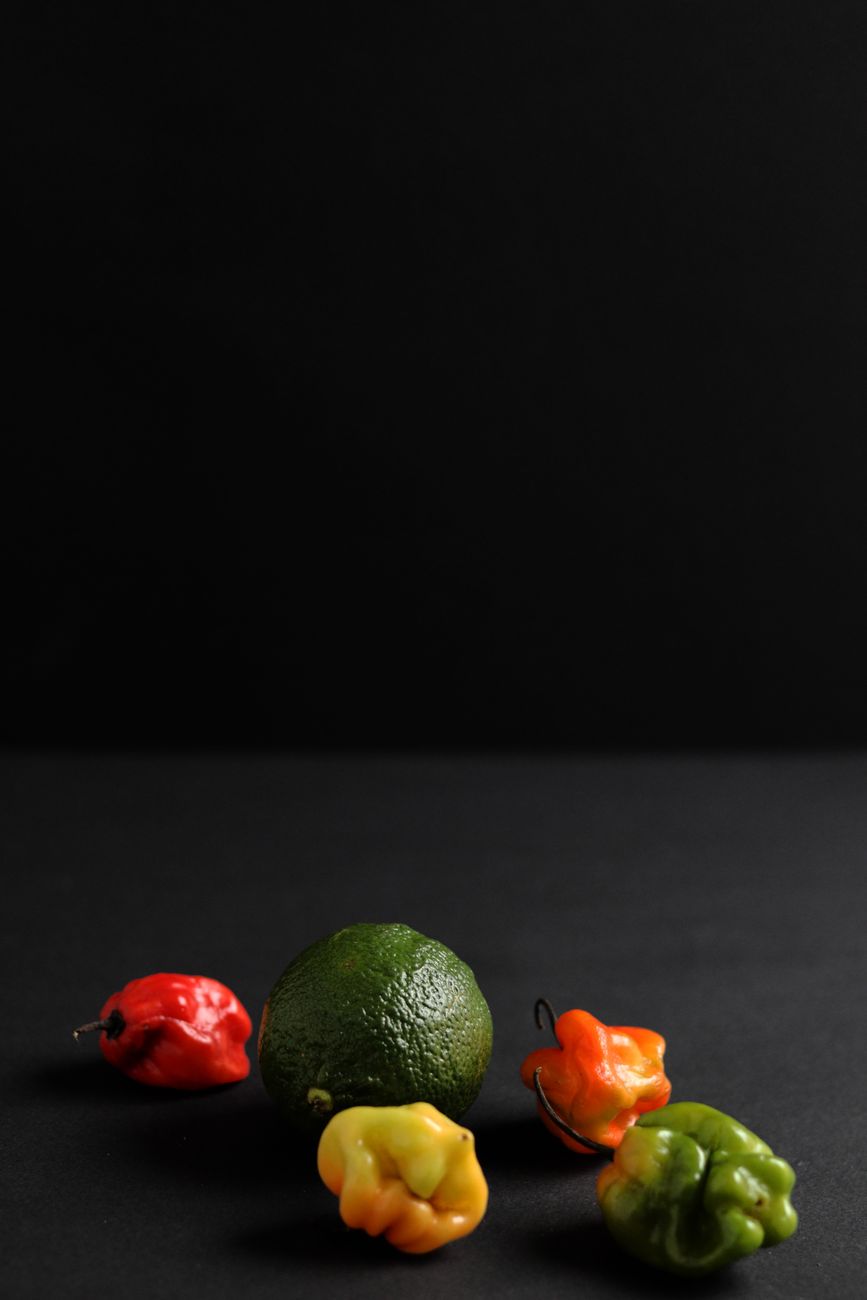
Peppers featured in this post
Cook with this idea
Recipes to try next.
Put these ingredients and techniques to use in your next meal.
west_african · hot
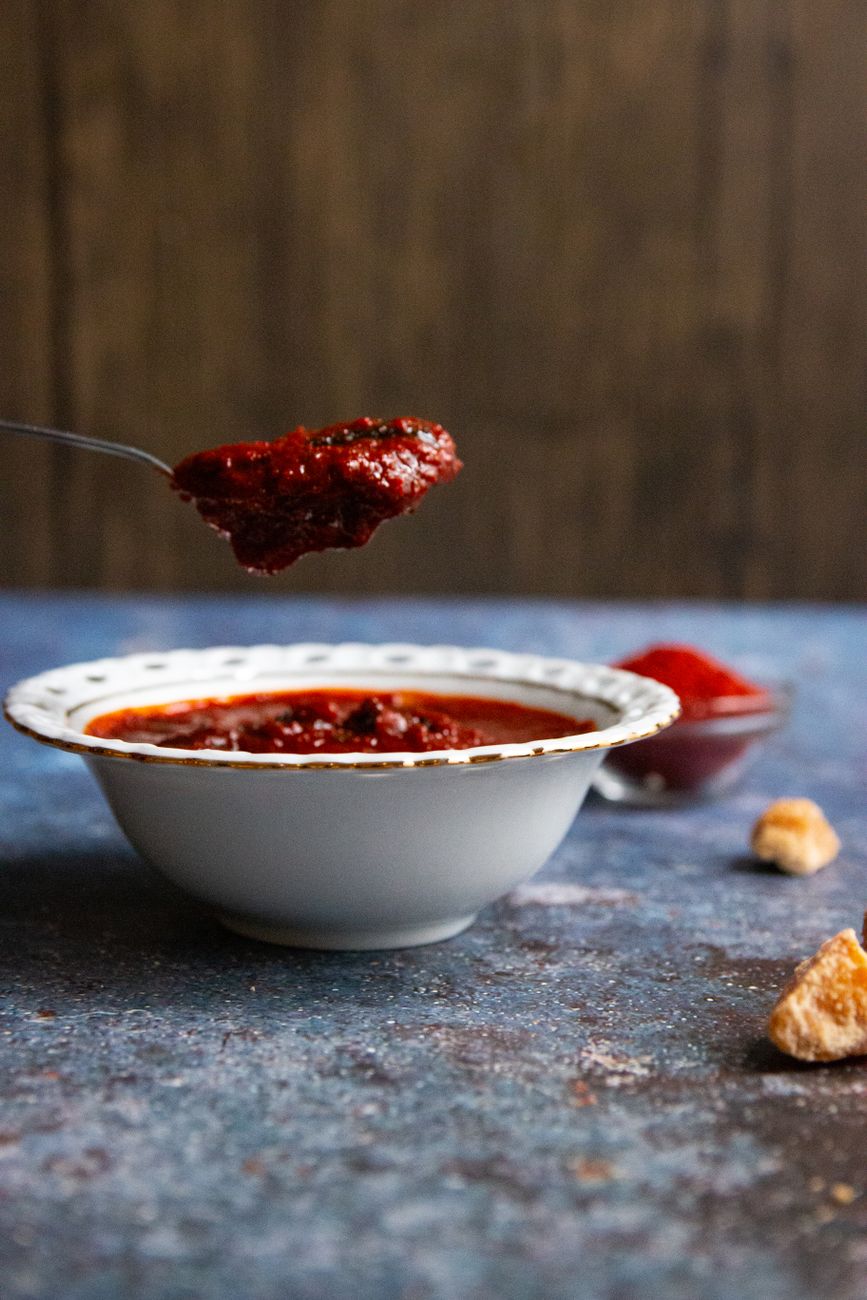
Apr 11, 2026Ghanaian Pepper Sauce (Shito) with Scotch Bonnet Heat
A fierce and smoky Ghanaian pepper sauce that brings genuine heat and depth to your table, made with scotch bonnet peppers, dried fish, and warm spices. 55 min · 0 saves.

west_african · hot
Apr 11, 2026Ghanaian Spicy Palm Nut Soup with Scotch Bonnets
A rich, fiery palm nut soup with tender goat meat and whole scotch bonnets that don't hide their heat. This traditional Ghanaian comfort food delivers exactly the kind of warming fire your family will remember. 115 min · 0 saves.

west_african · medium
May 21, 2026Grilled Senegalese Chicken with Yassa Marinade
Juicy chicken thighs swimming in a golden marinade of caramelized onions, bright mustard, and just enough chile heat to make you reach for seconds. 65 min · 0 saves.
Bottle picks
Related hot sauce reviews.
Explore sauces with related ingredients, flavors, and heat levels.
Yellowbird Habanero Hot Sauce Review
A bright, carrot-forward bottle with enough heat to stay lively and enough sweetness to stay versatile.
Best for tacos
Best for: Tacos and rice bowls
Skip if: Skip if you want a classic vinegar-forward table sauce with almost no sweetness.
Read review
Queen Majesty Scotch Bonnet and Ginger Review
A bright, elegant sauce that leans on fruit, ginger, and Scotch bonnet lift instead of brute force.
Best for seafood
Best for: Seafood and fish tacos
Skip if: Skip if you want a thick, smoky wing sauce more than a bright finishing bottle.
Read review
Fly By Jing Sichuan Gold Review
A citrusy, tingly sauce with real peppercorn presence and enough versatility to move beyond dumplings.
Best for dumplings
Best for: Eggs and breakfast tacos
Skip if: Skip if you want a thick, smoky wing sauce more than a bright finishing bottle.
Read review
Go deeper
Background guides that build on this.
Keep reading
More on this subject.
If this post helped, these are the next pieces most likely to keep the thread going.
science
Jun 13, 2026Jollof Rice, Suya, and Pepper Soup: West African Seasonings
Jollof rice, suya, and pepper soup use peppers alongside peanuts, aromatics, and other seasonings. Compare what each ingredient contributes.

science
Jun 6, 2026Pepper Soup, Suya, and Ethiopian Berbere: Different African Seasonings
Compare West African pepper soup and suya with Ethiopian berbere preparations, keeping their different regional traditions in view.
science
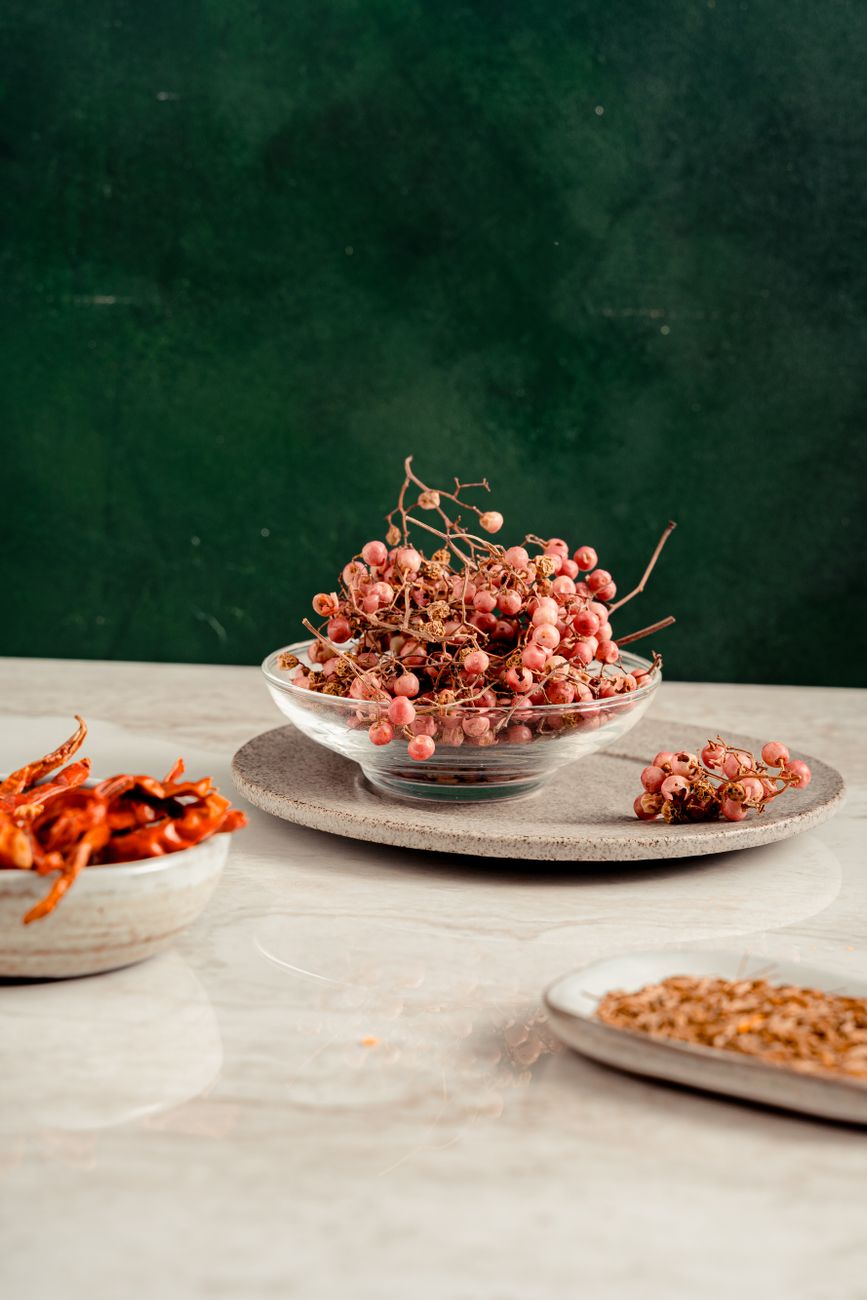
Oct 10, 2026Why Chili Oil and Numbing Heat Drive the Spiciest Chinese Dishes Right Now
Two kinds of heat drive the spicy Chinese dishes worth craving: the numbing tingle of Sichuan peppercorn and the slow burn of infused chili oil. Learn how they work together, which dried chilies matter, and how to build layered heat that enhances flavor instead of flattening it.
Comments
Reader discussion is shared across recipes, reviews, and editorial pieces.
Comments are read-only while member sign-in is paused.