
Banana Pepper
Also known as: yellow wax pepper, Hungarian banana, sweet banana
The banana pepper is a long, curved yellow pepper that's almost always sold pickled or fresh as a mild, tangy ingredient. Common on sandwiches, salads, and pizzas across the American Midwest, it's one of the most widely consumed mild peppers in the US.
Scoville
0–500 SHU
Heat
Mild
Origin
europe
Species
C. annuum
Type
Fresh pod
Plant height
18–30 in
Heat profile
Mild heat — 0–500 SHU
This pepper
Banana Pepper
0–500 SHU
Step hotter
Shishito
50–200 SHU
Flavor profile
Tangy, slightly sweet, mild with almost no perceptible heat — closer to a sweet pepper than a chile.
The banana pepper occupies an interesting space — it's a chile by botany but functionally a sweet pepper by usage. Pickled rings are the format most Americans encounter, sold by the jar at every supermarket and standard at sub shops and pizzerias from coast to coast. The pepper has almost no heat (less than a green bell pepper in many cases) and instead delivers tang, slight sweetness, and crunch. The Hungarian wax pepper is a closely related cultivar with more heat — important to distinguish when shopping for seeds. For most cooking contexts, 'banana pepper' refers to the mild version.
Color
Pale yellow ripening through orange to red
Did you know
The banana pepper's status as a 'standard pizzeria topping' across the American Midwest is a 20th-century Italian-American invention — banana peppers themselves are originally from Hungary and Central Europe, not Italy.
How to use it
- —Pickled in rings for sandwiches, subs, and pizza toppings
- —Sliced fresh into salads and Greek-style preparations
- —Stuffed with cheese and breadcrumbs for an oven-baked appetizer
- —Added to relishes and pickle blends
- —Used in Hungarian and Eastern European cooking as a mild stuffed pepper
Pairs well with
Substitutes
Can't find banana pepper? Try one of these.
How to grow it
Growing banana pepper at home
USDA zones
Perennial in 9–11, annual in 4–8
Germinate
7–14 days
To harvest
~65 days from transplant
Plant height
18–30 in
Sun
full sun
Water
moderate
Container
Container-friendly
One of the most cooperative peppers for US home gardens — productive, early-fruiting, tolerant of cooler summers than habanero or chinense varieties. A single plant can produce 30–50 peppers over a season. Container-friendly with a 3-gallon pot. Harvest at yellow stage for classic banana pepper flavor; leave on the plant to ripen orange and red for a sweeter version.
Where to find it
Buying banana pepper
Fresh
Year-round at virtually every US grocery store. Pickled rings are standard pantry items, also year-round.
Dried
Not commonly dried — banana peppers are eaten fresh or pickled.
Seasonality
Year-round; greenhouse and US field production keep fresh supply continuous.
Seed sources
- Burpee
- Bonnie Plants
- Baker Creek
- Johnny's Selected Seeds
Be careful with seed labeling: 'banana pepper' usually means the mild sweet variety, but 'Hungarian wax' or 'hot banana' refers to a hotter cultivar (5,000–15,000 SHU). Check the seed packet's heat description before planting if you specifically want the mild form.
History & origin
Where banana pepper comes from
Banana peppers descend from Hungarian cultivars that immigrants brought to the US in the 19th and early 20th centuries. The mild yellow form became commercially successful in the American Midwest, particularly Ohio and Pennsylvania, where Hungarian and Italian-American communities popularized it. Today commercial production is concentrated in California, Florida, and the Great Lakes states. The hotter Hungarian wax pepper is a close cultivar relative that diverged through separate selection.
Cook with it
Recipes that use banana pepper.
american · reaper
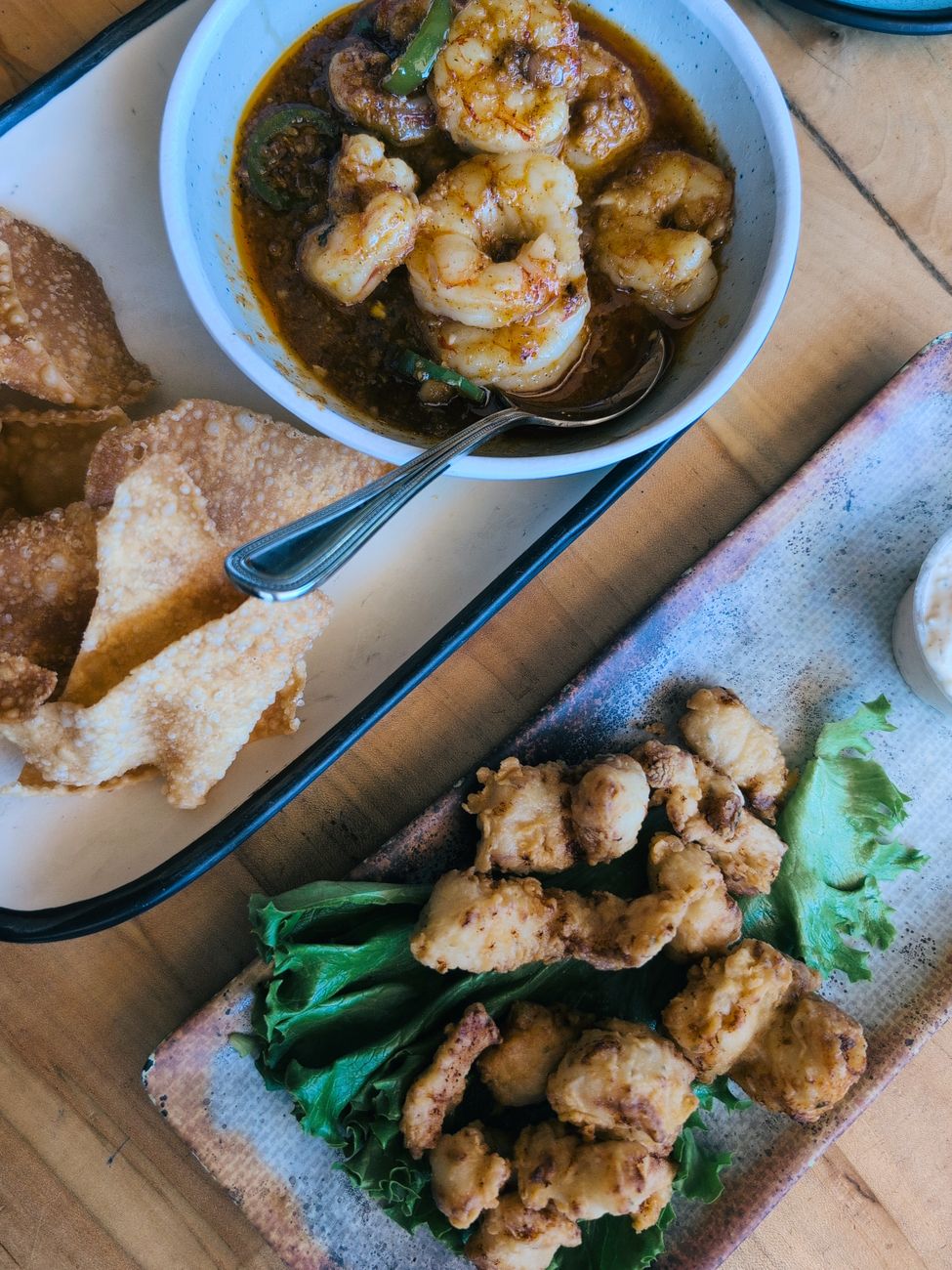
Oct 12, 2026Garlic Reaper Shrimp with Charred Scallions
Large shrimp seared until golden, tossed with Torchbearer Garlic Reaper sauce and finished with crispy garlic chips and charred scallion greens. The sauce clings to the shrimp without overwhelming the sweetness of the protein, and the heat builds steadily rather than hitting all at once. 20 min · 0 saves.

american · reaper
Jun 15, 2026Reaper-Spiked Buffalo Chicken Mac and Cheese
Comfort food meets serious heat in this weeknight mac loaded with shredded chicken and Torchbearer's garlic reaper sauce. 40 min · 0 saves.
italian · inferno
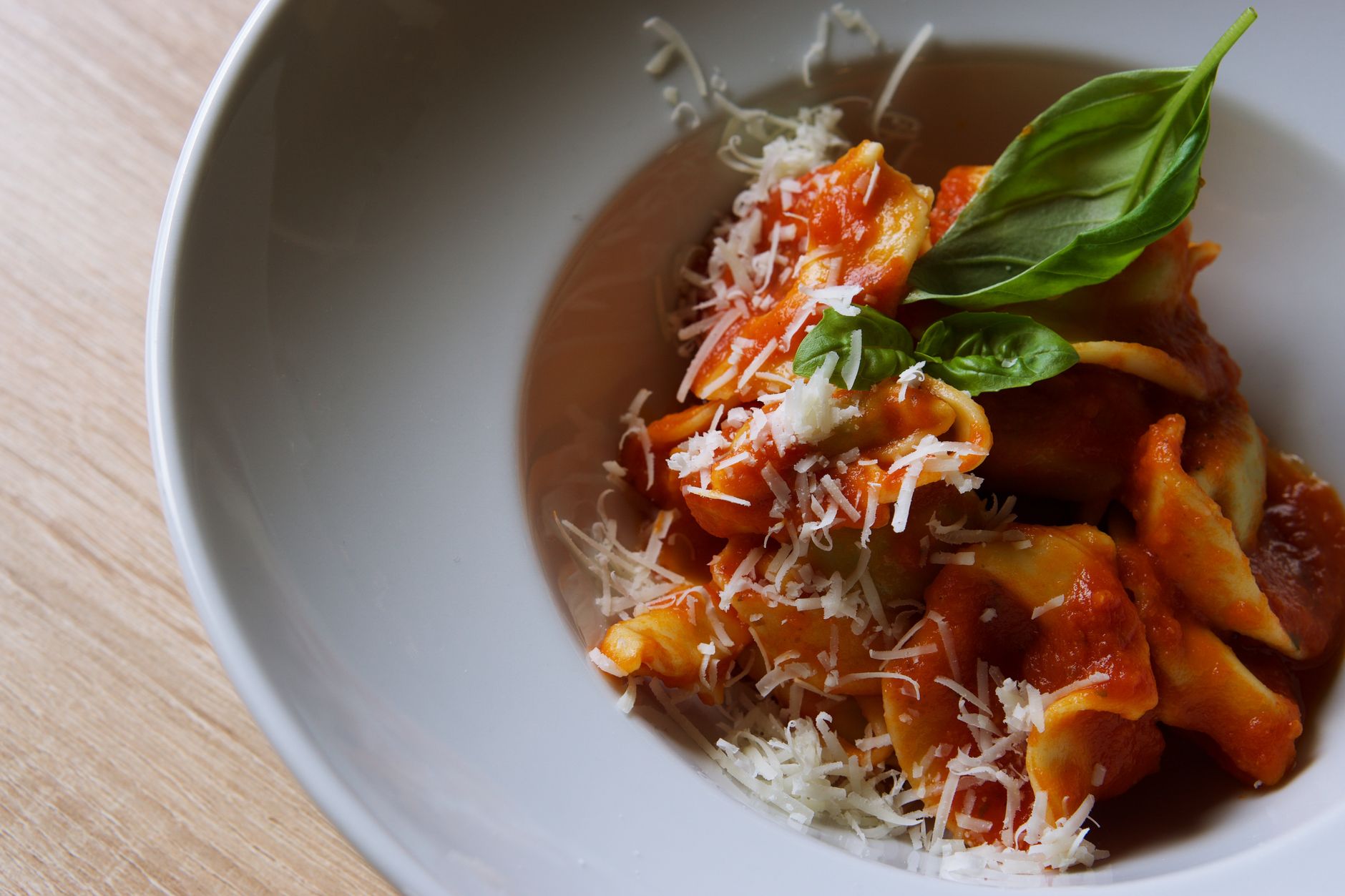
Jun 14, 2026Pasta all'Arrabbiata Infernale with Carolina Reaper
A blistering take on Rome's classic angry pasta, using Carolina Reaper chilis to transform this beloved dish into something truly fearsome while keeping the clean, bright tomato flavors that make arrabbiata so irresistible. 40 min · 0 saves.
Background reading
Guides that cover banana pepper.
Similar peppers
Other mild peppers
Frequently asked
Common questions about banana pepper
Are banana peppers spicy?
Barely. Sweet banana peppers are 0–500 Scoville Heat Units — well below jalapeño and often imperceptibly mild. The 'heat' you taste in a pickled banana pepper is mostly the brine's vinegar and salt, not the pepper itself. Hungarian wax peppers (a related cultivar sometimes confused with banana) are significantly hotter.
What's the difference between banana peppers and pepperoncini?
Different peppers, often confused because both are commonly pickled, yellow-ish, and mild. Pepperoncini are smaller, slightly more wrinkled, and slightly milder; banana peppers are longer, smoother, and have a touch more sweetness. Pepperoncini originated in Greece and Italy; banana peppers in Hungary. Functionally similar but not identical.
Can you eat banana peppers raw?
Yes — fresh banana peppers are excellent sliced into salads, sandwiches, and Greek-style preparations. The flavor is tangy and slightly sweet, with crunch similar to a mild pepper. The yellow-pickled form is more common in the US, but the fresh form is just as useful.
Are Hungarian wax peppers the same as banana peppers?
Closely related but distinct cultivars. Sweet banana peppers are 0–500 SHU; Hungarian wax peppers are 5,000–15,000 SHU (similar to a jalapeño). Both are yellow and curved, which causes the confusion. If a seed packet or grocer doesn't specify, the yellow milder version is usually banana pepper; the hotter version is usually Hungarian wax.
Pantry examples
If you want to taste banana pepper in a bottle or pantry product
These are optional examples of how this pepper shows up in real products. The profile above stands on its own even if you never shop from this section.
Most-poured bottle
Cholula Original Hot Sauce
The best-selling Mexican hot sauce in the US — mild enough for any table, bright enough for eggs, tacos, pizza, and cocktails. The bottle most people already trust.
View example ↗