
culture
Why Ethiopian Spice Blends Are Having Their Moment Right Now
Ethiopian cooks know something about heat that the rest of us are just catching on to: the best spice blends don't just burn, they tell a story. From berbere's wine-dark complexity to mitmita's bright fire, these blends layer warmth with depth in ways that will change how you think about spicy food.
Share this
Pass it around
Send this page to a friend, copy the link, or save it to a Pinterest board.
Save for later
Pin this page
Save the image with a link back to this recipe, review, or article.
Why Ethiopian Spice Blends Are Having Their Moment Right Now
The first time you taste real berbere, you understand why Ethiopian cooks guard their family recipes so fiercely. This isn't the one-note burn of cayenne or the sweet heat of paprika—it's something richer, more layered, with a warmth that builds slowly and sticks around.
Ethiopian cuisine approaches heat the way a good jazz musician approaches a solo: it's not about showing off, it's about building something complex and beautiful that keeps revealing new depths. While most spicy food traditions rely on a single chile variety or straightforward capsaicin punch, Ethiopian cooks layer complex spice blends that create warmth alongside deep, earthy flavors that make you want to keep eating.
Three blends in particular deserve a permanent spot in your spice cabinet: berbere with its wine-dark complexity, mitmita's bright fire, and awaze's fermented depth. Each one takes a completely different approach to building heat, and once you understand how they work, you'll wonder why it took you so long to discover them.
Berbere: The Foundation Blend That Does Everything
If garam masala is the soul of Indian cooking and Chinese five-spice defines Sichuan cuisine, then berbere is the heartbeat of Ethiopian kitchens. But where those blends lean aromatic first, berbere leads with heat—then surprises you with everything else it has to offer.
The foundation starts with dried chilies, usually a thoughtful mix that might include cayenne, paprika, and dried bird's eye chilies. But the magic happens in the supporting cast. Fenugreek brings this unexpected maple-like sweetness that keeps the heat from overwhelming your palate. Cardamom and cinnamon add layers of warmth without fighting the chilies for attention. Nigella seeds contribute just enough bitterness to prevent the whole thing from becoming too sweet or one-dimensional.
Here's what makes berbere so versatile: it completely transforms depending on how you use it. Bloom it in oil at the start of cooking, and it becomes rich and mellow. Stir it into a stew during the last few minutes, and you get more direct heat. Sprinkle it over finished dishes, and it adds both gorgeous color and a gentle kick that wakes up everything else on the plate.
The heat level sits in that perfect middle ground—more assertive than paprika, but not as aggressive as straight cayenne. Most good berbere blends hit about the same intensity as a well-made chili powder, which means they're approachable for cooks who want complexity along with their spice.
Mitmita: When You Want the Fire Up Front
If berbere is a slow burn, mitmita is a bright flash of lightning. This blend doesn't mess around—it centers on bird's eye chilies, which bring both serious heat and this wonderful citrusy quality that cuts right through rich, fatty foods.
Mitmita ingredients include:
- Bird's eye chilies deliver the heat and that distinctive brightness
- Cardamom adds aromatic depth without competing
- Cloves bring complexity and a slight numbing quality that mellows the burn
- Salt makes everything else sing louder
The proportions matter more here than in most spice blends. Too heavy-handed with the cardamom and you end up with something that smells like soap. Too light and the chilies steamroll everything else. The best mitmita builds heat gradually instead of slapping you in the face.
This is the perfect spice for rich foods that can handle its intensity. It's traditionally paired with kitfo—Ethiopian steak tartare—where the buttery beef provides the ideal backdrop for all that fire. But it's equally brilliant stirred into thick yogurt for a cooling-but-spicy condiment, or mixed with olive oil and brushed onto grilled vegetables.
Mitmita can be very hot. Start with a small amount and adjust to your preference.
Awaze: Fermented Heat That Builds Complexity Over Time
Awaze takes the concept of berbere and asks: what if we made it even more interesting? Start with berbere, mix it with tej (Ethiopian honey wine) or sometimes whiskey, then let time and fermentation work their magic. What you end up with is something closer to a hot sauce than a dry spice blend, but with more layers than most fermented chile pastes even dream of.
The fermentation process is where the real transformation happens. It smooths out the sharp edges of the chilies while concentrating their essential flavor. The alcohol adds its own warmth and pulls out flavor compounds from the spices that would stay locked up in water or oil alone. Given enough time, all those individual flavors start talking to each other, creating new notes—sometimes fruity, sometimes funky, always deeper than what you started with.
Buying awaze can be hit-or-miss. Some commercial versions taste like berbere mixed with wine and bottled the same day. The good ones show clear signs of proper fermentation: a slight tang, deeper color, and heat that builds slowly instead of attacking immediately.
Making your own awaze requires more patience than skill. Mix berbere with enough tej or dry white wine to create a loose paste. Cover it and leave it at room temperature for several days, stirring occasionally, until it develops that telltale tang and the flavors really meld together. Store it in the refrigerator where it'll keep for months and actually improve with age.
How to Use Ethiopian Spice Blends in Your Own Cooking
These blends work best when you treat them as the foundation of your dish rather than an afterthought. Berbere really comes alive when you bloom it in oil or fat before adding other ingredients—this isn't the time to be shy about using enough fat to let it sizzle and release its aroma. Mitmita can go straight into your food, but giving it a minute or two of gentle heat helps all those components marry properly. Awaze works beautifully both stirred into dishes as they cook and passed at the table as a condiment.
The most important thing to understand is that Ethiopian spicing is about building layers, not delivering maximum burn. Start with less than your instincts tell you to use, taste as you go, and build up gradually. You're not trying to set mouths on fire—you want to create heat that makes all the other flavors in your dish more interesting, not less.
Each of these blends brings its own personality to the table, but they all share this fundamental approach: complexity over simple intensity, depth over one-note heat. That's exactly why they're finding their way into more and more home kitchens. They give you a way to cook with serious spice without sacrificing the deeper flavors that turn a meal into something memorable.
Peppers featured in this post
Cook with this idea
Recipes to try next.
Put these ingredients and techniques to use in your next meal.

ethiopian · medium
Oct 7, 2026Tibs Misir Wot with Shrimp
Red lentil sauce infused with berbere spice, tomato and ginger, with shrimp folded in just before serving. A weeknight version of Ethiopian spiced seafood. 35 min · 0 saves.

ethiopian · medium
Apr 8, 2026Doro Wot (Ethiopian Chicken Stew)
Ethiopia's national dish featuring tender chicken simmered in a complex berbere-spiced sauce with hard-boiled eggs. This aromatic stew delivers medium heat through the traditional berbere spice blend, creating layers of warmth that build with each bite. 120 min · 0 saves.
ethiopian · medium
Mar 20, 2026Berbere Roasted Cauliflower
A sheet-pan side with smoky berbere warmth, crisp edges, and a cooling lemon yogurt finish. 45 min · 119 saves.
Bottle picks
Related hot sauce reviews.
Explore sauces with related ingredients, flavors, and heat levels.
Fly By Jing Sichuan Gold Review
A citrusy, tingly sauce with real peppercorn presence and enough versatility to move beyond dumplings.
Best for dumplings
Best for: Eggs and breakfast tacos
Skip if: Skip if you want a thick, smoky wing sauce more than a bright finishing bottle.
Read review
Mike's Hot Honey Review
Sweet heat done right: sticky, quick, and versatile enough to become a finishing move instead of a novelty.
Best for gifting
Best for: Pizza and fried chicken
Skip if: Skip if you want a classic vinegar-forward table sauce with almost no sweetness.
Read review
Heatonist Los Calientes Rojo Review
Heatonist Los Calientes Rojo: flavor notes, heat level, and suggested food pairings.
Best for tacos
Best for: Tacos and rice bowls
Skip if: Skip if you are chasing a novelty-level heat hit or a super-special-occasion bottle.
Read review
Go deeper
Background guides that build on this.
Keep reading
More on this subject.
If this post helped, these are the next pieces most likely to keep the thread going.

culture
Jun 2, 2026Beyond Doro Wat: The Ethiopian Spice Revolution Taking Over American Tables
From berbere-spiked kitfo to mitmita-crusted tibs, Ethiopian cuisine's most exciting spicy dishes are finding their way into home kitchens and neighborhood restaurants across America—and your dinner table will never be the same.

culture
Jun 15, 2026Four Middle Eastern Heat Styles That Should Be on Your Radar Right Now
From harissa's patient burn to zhug's bright herb-fire, these Middle Eastern heat styles teach us that the best spicy food builds complexity alongside warmth—and they'll change how your family thinks about heat.
culture
Jun 13, 2026Boudin, Crawfish Boils, and Cajun-Inspired Dishes
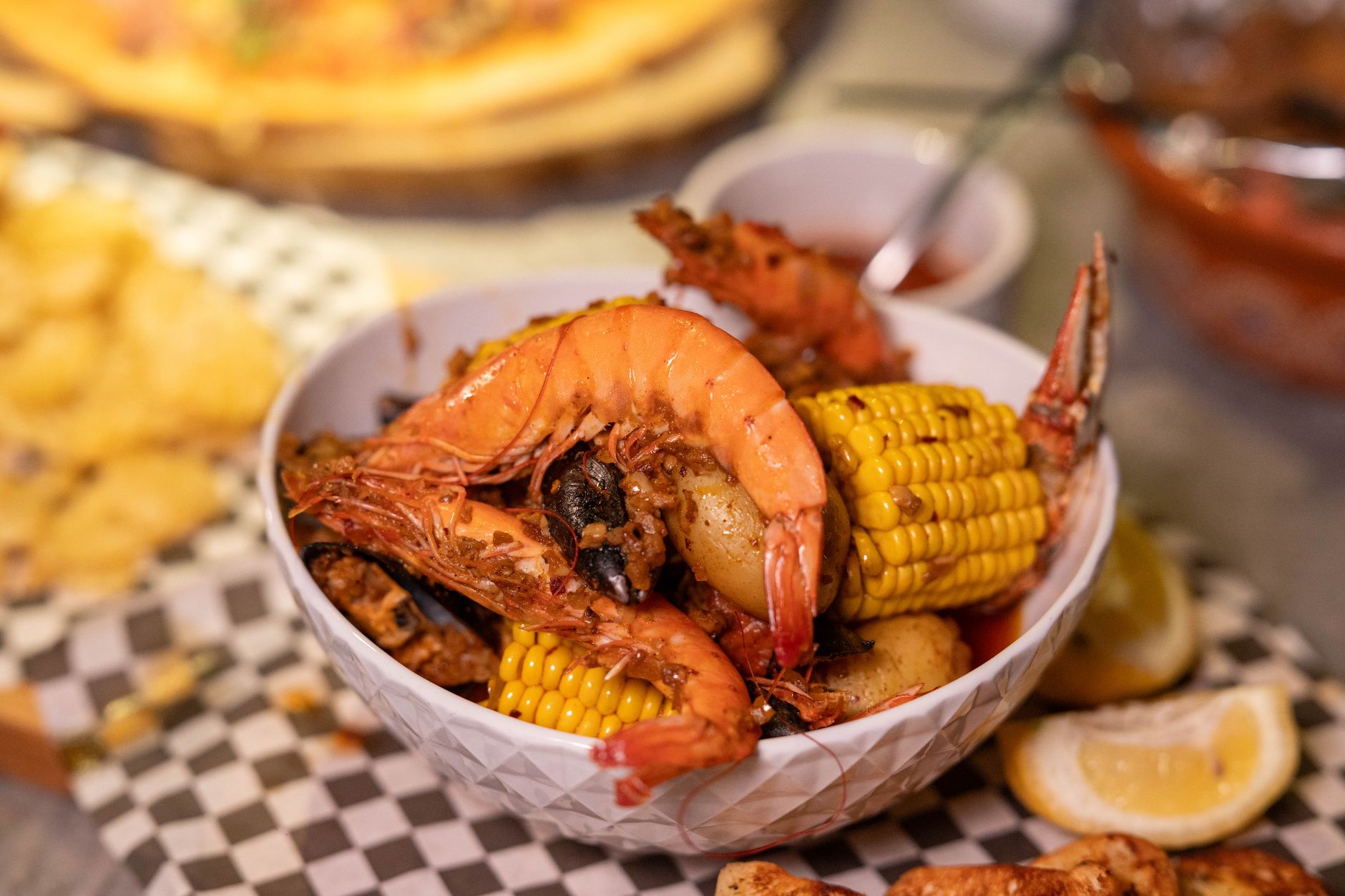
Boudin, crawfish boils, and Cajun-inspired dishes offer different textures and seasoning choices, from rice sausage to spiced seafood.
Comments
Reader discussion is shared across recipes, reviews, and editorial pieces.
Comments are read-only while member sign-in is paused.