
Poblano
Also known as: poblano pepper, fresh ancho, chile poblano
The poblano is the workhorse mild chile of Mexican cooking, named for the state of Puebla where it originated. Large, heart-shaped, and dark green when picked, it carries enough flavor to anchor a dish but enough restraint to feed an entire table.
Scoville
1K–2K SHU
Heat
Mild
Origin
mexico
Species
C. annuum
Type
Fresh pod
Plant height
24–36 in
Heat profile
Mild heat — 1K–2K SHU
See the full scoville scale →Flavor profile
Rich, earthy, slightly fruity heat — closer to a vegetable than a chile when fresh.
The poblano sits in the sweet spot of mild Mexican peppers — flavorful enough to matter, mild enough that anyone can eat it. It is the pepper of chiles rellenos and chiles en nogada, two of Mexico's most identifiable dishes. When roasted and peeled, the flesh turns silky and the flavor deepens into something that tastes more like a vegetable than a chile. When dried, the same pepper becomes the ancho — one of the foundations of Mexican mole. Two completely different ingredients, one plant.
Color
Dark green ripening to deep red
Did you know
The poblano's mild heat varies more than most peppers — some pods register barely any burn, others sneak up to jalapeño-adjacent intensity. Mexican cooks taste a small piece before committing.
How to use it
- —Chiles rellenos stuffed with cheese or picadillo
- —Chiles en nogada — the patriotic Mexican stuffed-pepper dish
- —Sliced and sautéed for rajas (with cream or in tacos)
- —Roasted and blended into mild salsas and crema bases
- —Dried as ancho for moles, adobos, and pantry use
Pairs well with
Substitutes
Can't find poblano? Try one of these.
How to grow it
Growing poblano at home
USDA zones
Perennial in 9–11, annual in 4–8
Germinate
10–21 days
To harvest
~75 days from transplant
Plant height
24–36 in
Sun
full sun
Water
moderate
Container
Container-friendly
One of the easier mild chiles for US home gardens. Productive (15–25 pods per plant), forgiving of soil conditions, and not as heat-dependent as chinense varieties. Harvest green for fresh poblanos; let pods ripen fully red on the plant and dry them for homemade anchos.
Where to find it
Buying poblano
Fresh
Year-round at most US grocery stores; near-universal at Latin grocers. One of the easiest Mexican chiles to find fresh in the US.
Dried
Dried poblano is sold as ancho — very widely available at Latin grocers and online.
Seasonality
Peak field-grown August–October; greenhouse production keeps fresh supply steady year-round.
Seed sources
- Burpee
- Bonnie Plants
- Native Seeds/SEARCH
- Baker Creek
- Johnny's Selected Seeds
Look for poblanos with dark, glossy skin and firm flesh. Pale or wrinkled pods are past their prime. The bigger and broader the pod, the better for stuffing; smaller pods are better for slicing into rajas.
History & origin
Where poblano comes from
The poblano takes its name from Puebla — 'poblano' meaning 'from Puebla.' Cultivation predates Spanish contact by millennia. The pepper became culturally inseparable from Puebla cuisine when chiles en nogada was reportedly created there in 1821 to honor Agustín de Iturbide; the green poblano, white walnut sauce, and red pomegranate seeds form the Mexican flag's colors on a plate. Today the largest commercial production comes from Mexican states near Puebla plus parts of the southern US.
Cook with it
Recipes that use poblano.

mexican · hot
Oct 18, 2026Habanero Chicken and Charred Corn Rice Bowl
A composed rice bowl with charred corn, habanero-marinated chicken, black beans, and a roasted habanero crema. Heat builds from the marinated chicken and finishes with bright chile warmth in the sauce. 60 min · 0 saves.

mexican · inferno
Oct 9, 2026Charred Chicken Wings with 7-Pot Chile and Lime
Whole chicken wings coated in a roasted 7-pot chile paste, charred until blistered, and finished with fresh lime and fleur de sel. For heat lovers who want chile flavor to drive the dish, not mask it. 45 min · 0 saves.

mexican · hot
Oct 7, 2026Habanero Chicken and Black Bean Rice Bowl with Charred Tomatillo Salsa
A composed Mexican rice bowl layered with cilantro-lime rice, habanero-marinated chicken thighs, black beans, and charred tomatillo salsa. The heat builds steadily from the chicken through the sauce without overwhelming each component. 60 min · 0 saves.
From the blog
Articles about poblano.
culture
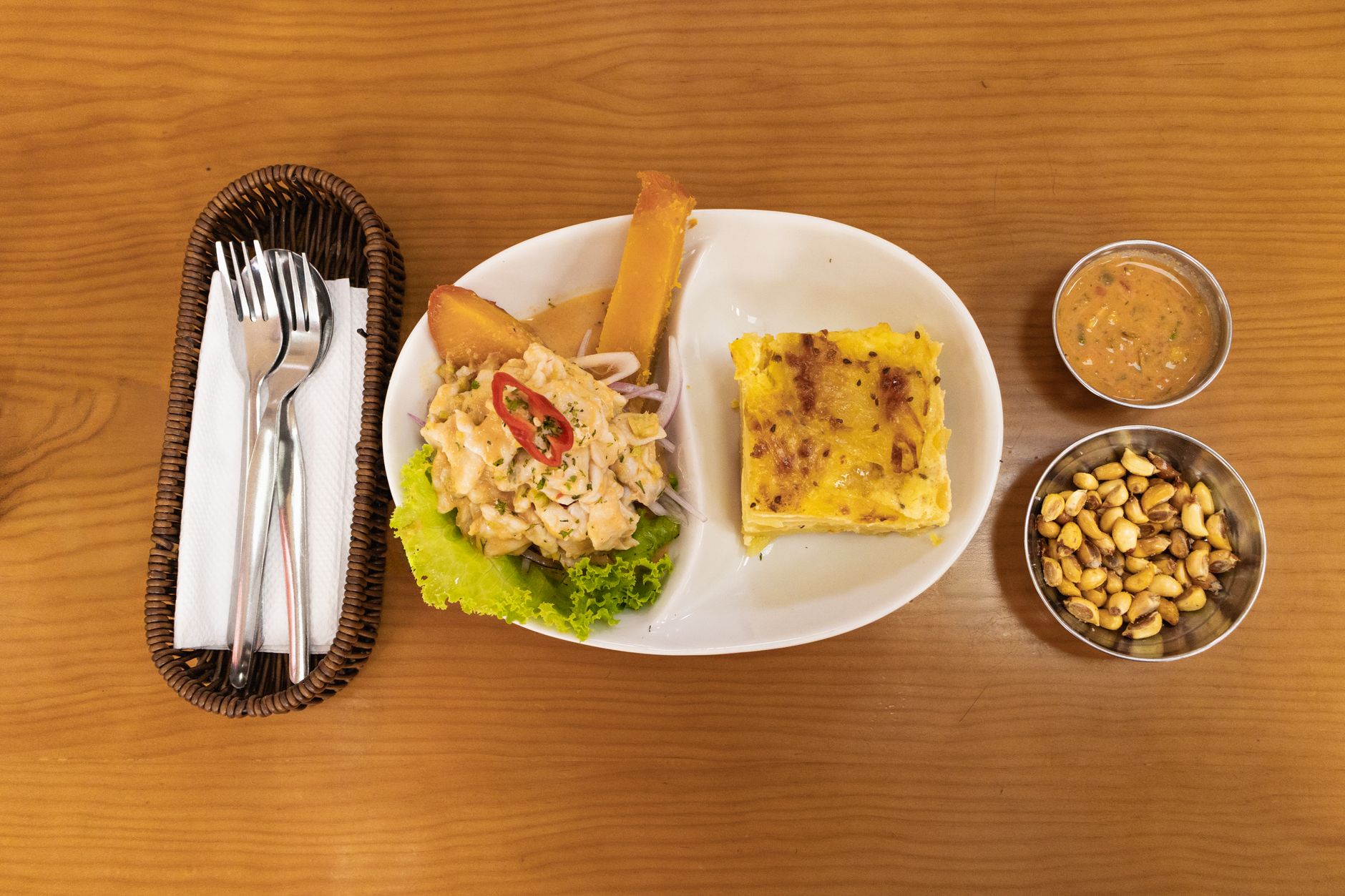
May 20, 2026Cooking with Ají Amarillo, Rocoto, and Ají Panca
Compare ají amarillo, rocoto, and ají panca, including their textures and the dishes that put their different flavors to use.
culture
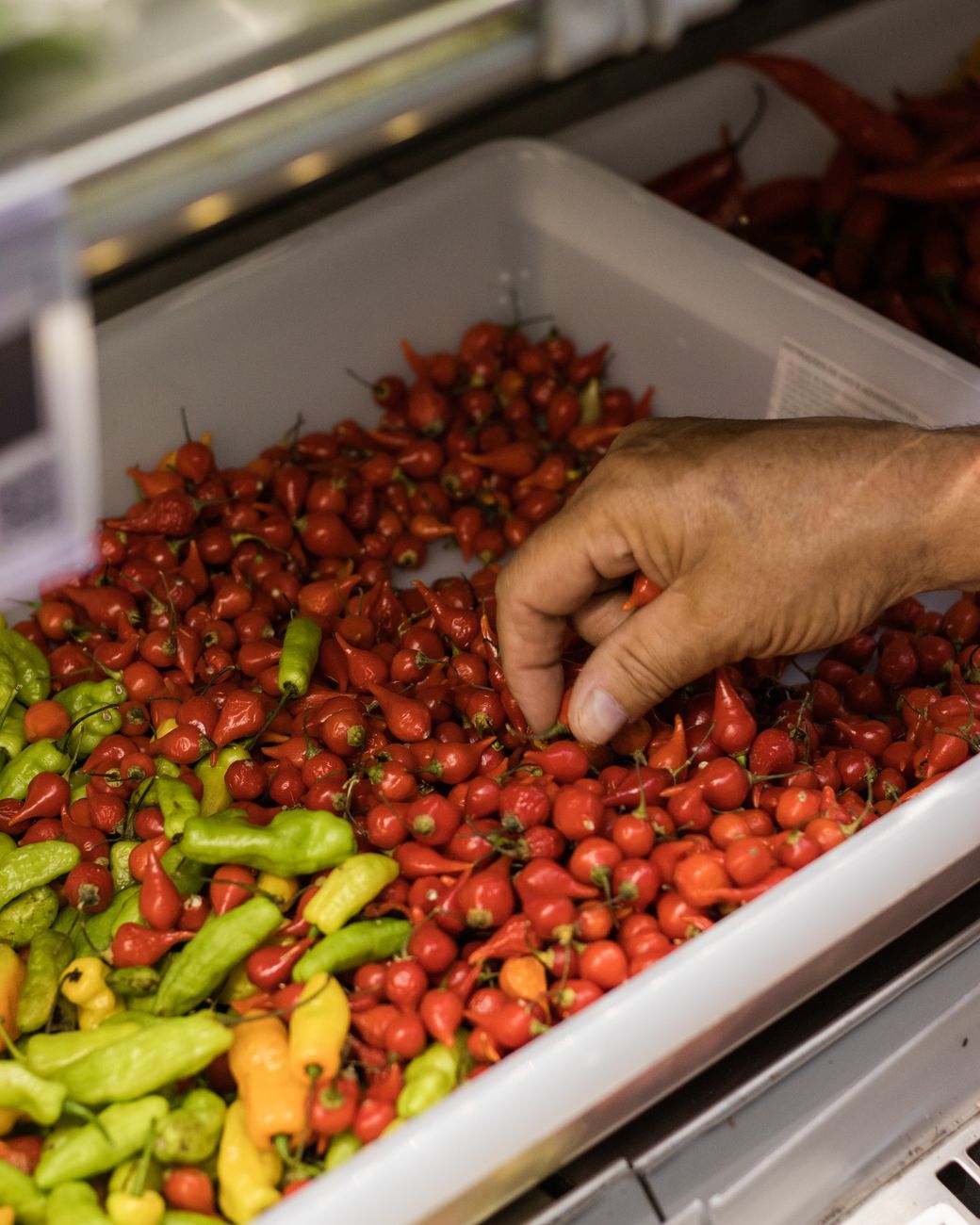
May 3, 2026Three Brazilian Spice Styles Making Every Home Cook Sweat (In the Best Way)
From the smoky malagueta peppers of Bahia to the gentle warmth of pimenta biquinho, Brazilian cooks have mastered the art of building heat that brings families together rather than clearing the table.

culture
May 2, 2026Three Brazilian Heat Waves Taking Over American Tables
From coastal moqueca to grilled pimenta biquinho, these warming Brazilian dishes are finding their way into home kitchens everywhere—and your dinner table deserves to know why.
Background reading
Guides that cover poblano.
Similar peppers
Other mild peppers
Frequently asked
Common questions about poblano
What's the difference between poblano and ancho?
They're the same pepper at different stages. A poblano is the fresh green pod; an ancho is the same pod ripened red and dried. The drying process transforms the flavor completely — fresh poblanos taste vegetal and bright, ancho tastes like raisin, dried fruit, and chocolate. Both come from the same plant.
How spicy is a poblano?
Mild — 1,000 to 2,000 Scoville Heat Units, which is about a quarter the heat of a jalapeño. Individual peppers vary significantly though; an occasional poblano will register noticeably hotter (closer to a mild jalapeño). Taste a small piece before committing if heat tolerance is a concern.
Should you peel poblanos before cooking?
For chiles rellenos and rajas, yes — roast the peppers until the skin blackens, steam them in a covered bowl for 10 minutes, then peel. The skin is tough and slightly bitter. For sliced raw uses (some salsas, stir-fries) you can skip peeling. Charring also deepens the flavor significantly.
Can I substitute a green bell pepper for a poblano?
Not really. Green bell peppers have no heat and a sharper, more grassy flavor — they'll miss the earthy depth and mild burn that defines a poblano. Anaheim or Hatch are the right substitutes when poblano isn't available. Bell pepper works only if you're already removing the heat dimension entirely.
Pantry examples
If you want to taste poblano in a bottle or pantry product
These are optional examples of how this pepper shows up in real products. The profile above stands on its own even if you never shop from this section.
Smoky shortcut
Chipotle Peppers in Adobo
The pantry move for smoky mayo, burger sauce, taco braises, and chili that tastes like you actually thought ahead.
View example ↗Most-poured bottle
Cholula Original Hot Sauce
The best-selling Mexican hot sauce in the US — mild enough for any table, bright enough for eggs, tacos, pizza, and cocktails. The bottle most people already trust.
View example ↗Bright finisher
Tajin Clasico Seasoning
Citrusy chile seasoning for fruit, grilled corn, rims, cucumbers, and the kind of summer snacks that disappear fast.
View example ↗