
science
Middle Eastern Spicy Dishes: Dried Chiles and Cooling Accompaniments
Dried chiles, herbs, rich sauces, and cooling accompaniments create contrast in Middle Eastern spicy dishes. Explore ways to balance a plate.

Share this
Pass it around
Send this page to a friend, copy the link, or save it to a Pinterest board.

Save for later
Pin this page
Save the image with a link back to this recipe, review, or article.
Properly made muhammara—that roasted red pepper and walnut spread, brightened with Aleppo pepper and pomegranate molasses—has a way of sticking with you. The same is true of a good spoonful of zhug or a shakshuka where the tomatoes have simmered down with plenty of harissa.
That staying power isn't accidental. Middle Eastern spicy dishes build heat differently than many other chile-forward cuisines, and knowing how helps you cook them better.
What Makes These Dishes So Layered
Middle Eastern cooking often builds heat alongside deeply savory elements rather than on its own. Take a Palestinian maqluba finished with harissa stirred through the rice: the heat from the chiles sits against slowly caramelized onions, concentrated tomato paste, and sometimes a fermented note in the spice blend. The result is a dish where heat, sweetness, and savoriness are working together rather than one note dominating.
Zhug shows the same principle. That Yemeni green condiment isn't just serrano or jalapeño heat—cilantro and parsley add bright, grassy notes, garlic adds sharpness, good olive oil carries everything, and salt ties it together. Blended properly, it reads as a complex condiment rather than a straightforward hot sauce.
Compare that to a simple vinegar-based hot sauce, which delivers clean heat and tang. Zhug adds herbaceous brightness, richness, and aromatic depth on top of the heat, which is why a small amount goes a long way and keeps a dish interesting bite after bite.
Why Dried Chiles Show Up So Often
Many of the Middle Eastern dishes built around chile heat rely on dried chiles rather than fresh ones, and there's a practical reason beyond tradition. Drying concentrates the chile's heat and, through the toasting and rehydrating process, develops deeper, slightly smoky and earthy notes that fresh chiles don't have.
Traditional Tunisian harissa is a good example. Made with dried guajillo, ancho, or similar chiles rehydrated and blended with garlic, coriander, caraway, and salt, it delivers heat wrapped in toasted, earthy flavor. That's part of why a spoonful of harissa can transform a simple white bean and lamb stew or a batch of roasted carrots.
Dried chiles bring concentrated heat, toasted depth from the preparation process, a hint of natural sweetness, and aromatic complexity that builds as the paste comes together. Fresh chiles offer their own bright, vegetal heat, but it's a different effect.
Why Cooling Elements Almost Always Show Up Alongside the Heat
Nearly every seriously spicy Middle Eastern dish is served with something cooling alongside it, and that pairing is a deliberate part of the cooking, not an afterthought.
Shakshuka is a clear example. You can load it with harissa or fresh chiles, but the eggs bring fat and protein that soften the heat between bites, and the tomatoes add natural sweetness and acidity that balance it further. Fresh herbs—cilantro, parsley, sometimes mint—add their own cooling, refreshing quality.
This pattern shows up widely: spicy Turkish pide often comes with yogurt-based sauces, fiery Moroccan tagines include dried fruit for sweetness and textural relief, and hot mezze spreads are served with cucumber, fresh herbs, or thick labneh. Pairing fat, dairy, or something sweet and cool with a spicy dish is a practical way to keep the meal balanced and enjoyable, rather than overwhelming.
Making This Work in Your Own Kitchen
Building these layered flavors is more useful than chasing raw heat level. A few practical steps:
Invest in good dried chiles. Aleppo pepper, urfa biber, dried guajillo, and ancho chiles each bring a different kind of depth. Toast whole dried chiles lightly in a dry pan before grinding, or rehydrate them properly before blending into a paste—this step matters for flavor.
Plan a cooling element for the plate. A spicy freekeh pilaf works well with thick yogurt or a quick cucumber salad alongside. Harissa-roasted eggplant benefits from fresh herbs and a spoonful of tahini.
Don't rush the base. Let onions properly caramelize before adding tomato paste. Toast whole spices before grinding them. Give braised dishes enough time for the flavors to come together fully.
The goal isn't maximum heat—it's the kind of layered dish where the chile, the aromatics, and the cooling element on the side all pull their weight.
Peppers featured in this post
Cook with this idea
Recipes to try next.
Put these ingredients and techniques to use in your next meal.
middle_eastern · inferno
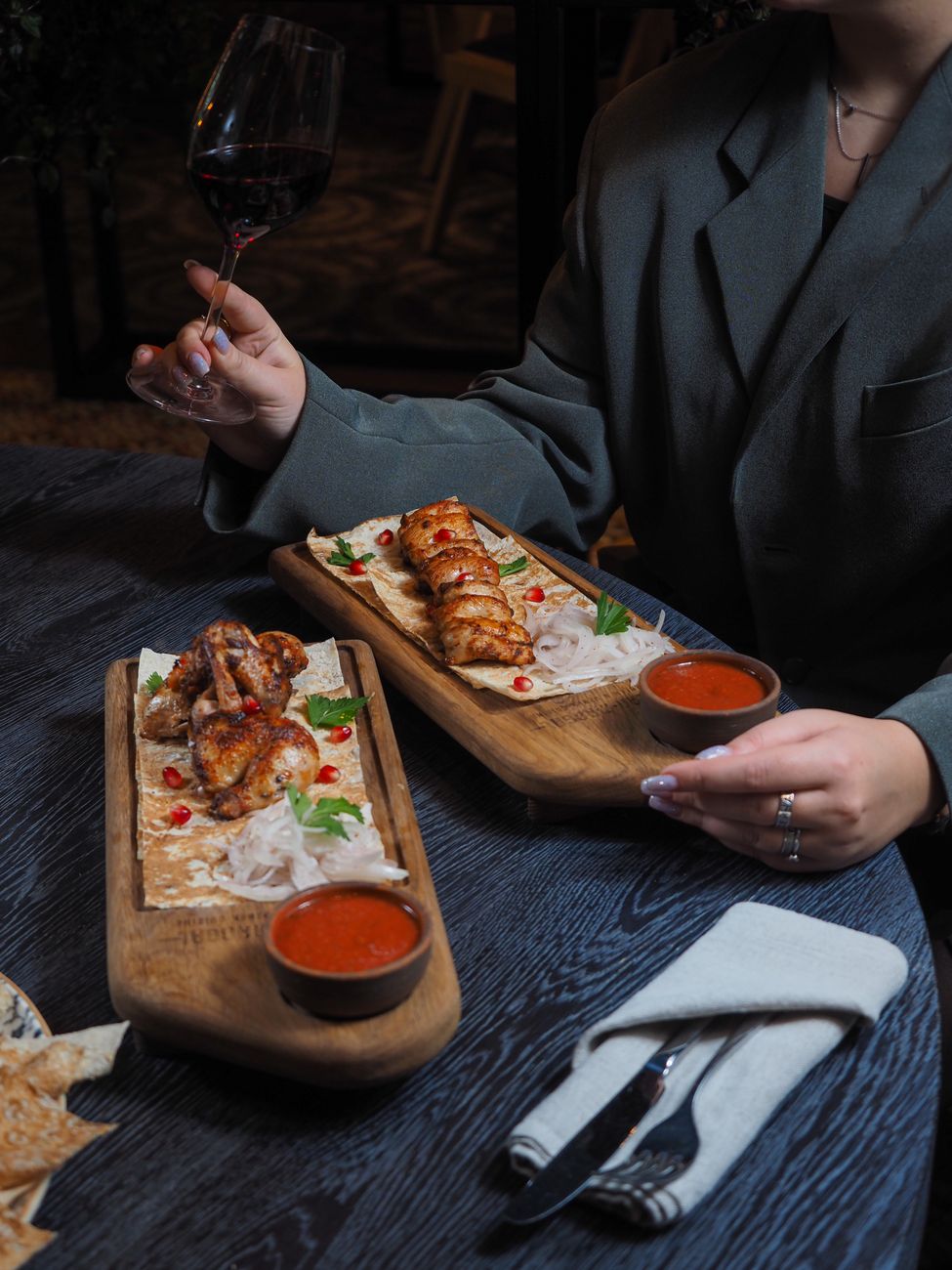
Jun 15, 2026Scorpion Harissa Wings with Pomegranate Glaze
Middle Eastern-spiced chicken wings with an extreme heat harissa marinade featuring Trinidad Scorpion peppers and a tangy pomegranate molasses glaze. 70 min · 0 saves.
middle_eastern · inferno
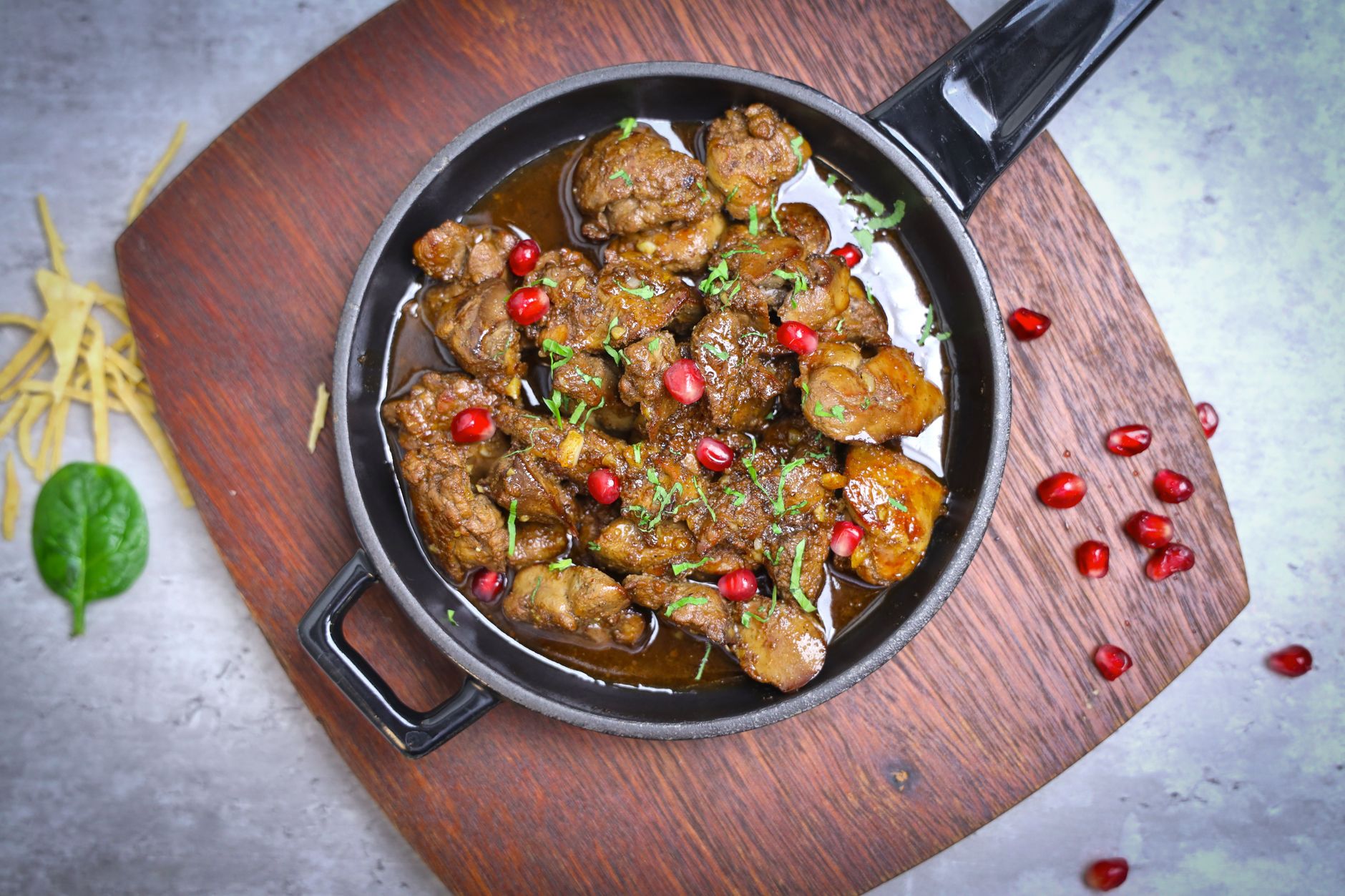
Jun 6, 2026Scorpion Pepper Fesenjan (Persian Pomegranate Walnut Stew)
A treasured Persian fesenjan recipe that pushes the boundaries with Trinidad Scorpion peppers. This rich, glossy stew weaves together ground walnuts and tart pomegranate molasses with chicken that falls apart at the touch of a fork—all while delivering heat that will test even the most dedicated spice lovers. 115 min · 0 saves.
middle_eastern · inferno
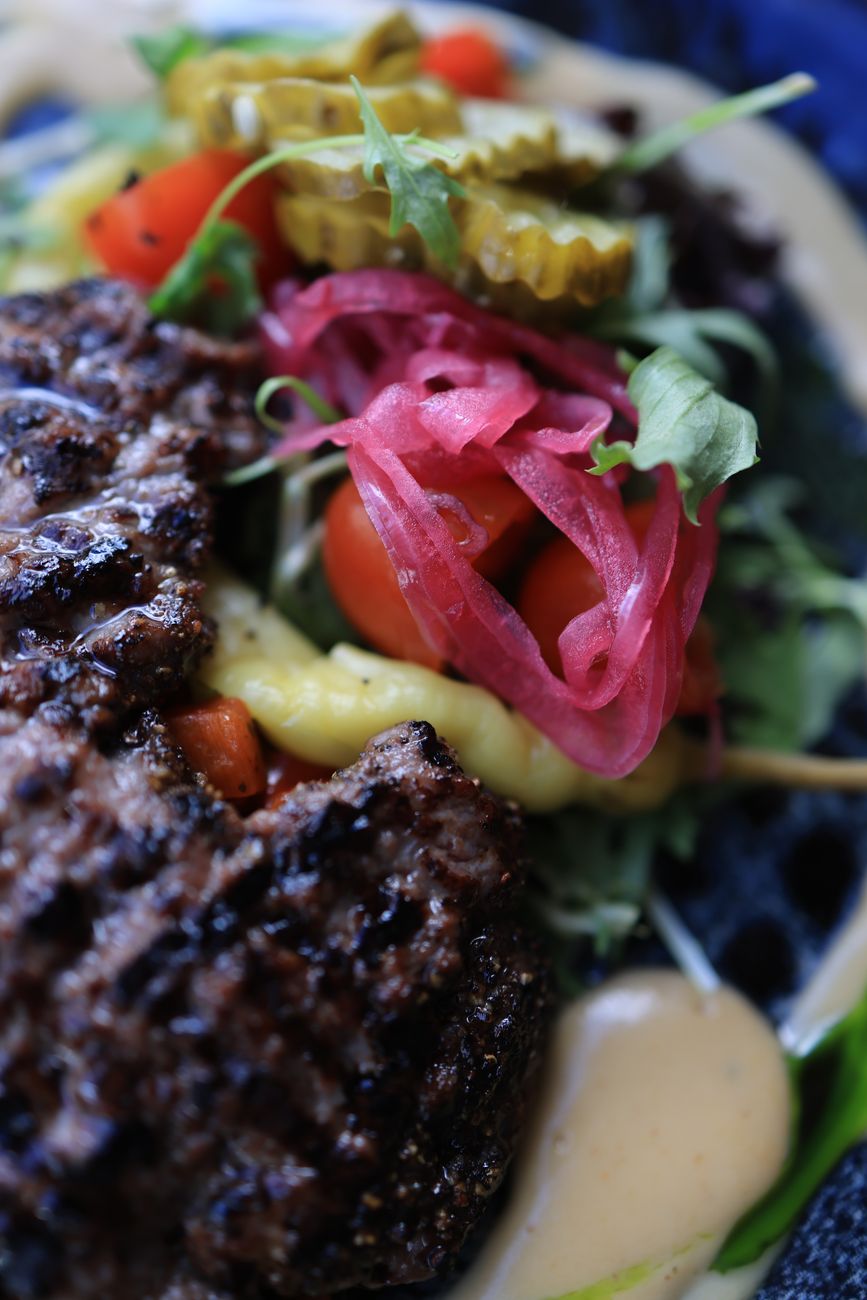
May 15, 2026Trinidad Moruga Lamb Shawarma Burger with Fire Harissa Mayo
A soul-warming Middle Eastern lamb burger that brings serious fire to the family table, with traditional shawarma spices amplified by Trinidad Moruga scorpion pepper and a cooling yogurt sauce for those brave enough to dive in. 60 min · 0 saves.
Bottle picks
Related hot sauce reviews.
Explore sauces with related ingredients, flavors, and heat levels.
Fly By Jing Sichuan Gold Review
A citrusy, tingly sauce with real peppercorn presence and enough versatility to move beyond dumplings.
Best for dumplings
Best for: Eggs and breakfast tacos
Skip if: Skip if you want a thick, smoky wing sauce more than a bright finishing bottle.
Read review
Mike's Hot Honey Review
Sweet heat done right: sticky, quick, and versatile enough to become a finishing move instead of a novelty.
Best for gifting
Best for: Pizza and fried chicken
Skip if: Skip if you want a classic vinegar-forward table sauce with almost no sweetness.
Read review
Heatonist Los Calientes Rojo Review
Heatonist Los Calientes Rojo: flavor notes, heat level, and suggested food pairings.
Best for tacos
Best for: Tacos and rice bowls
Skip if: Skip if you are chasing a novelty-level heat hit or a super-special-occasion bottle.
Read review
Go deeper
Background guides that build on this.
Keep reading
More on this subject.
If this post helped, these are the next pieces most likely to keep the thread going.
science
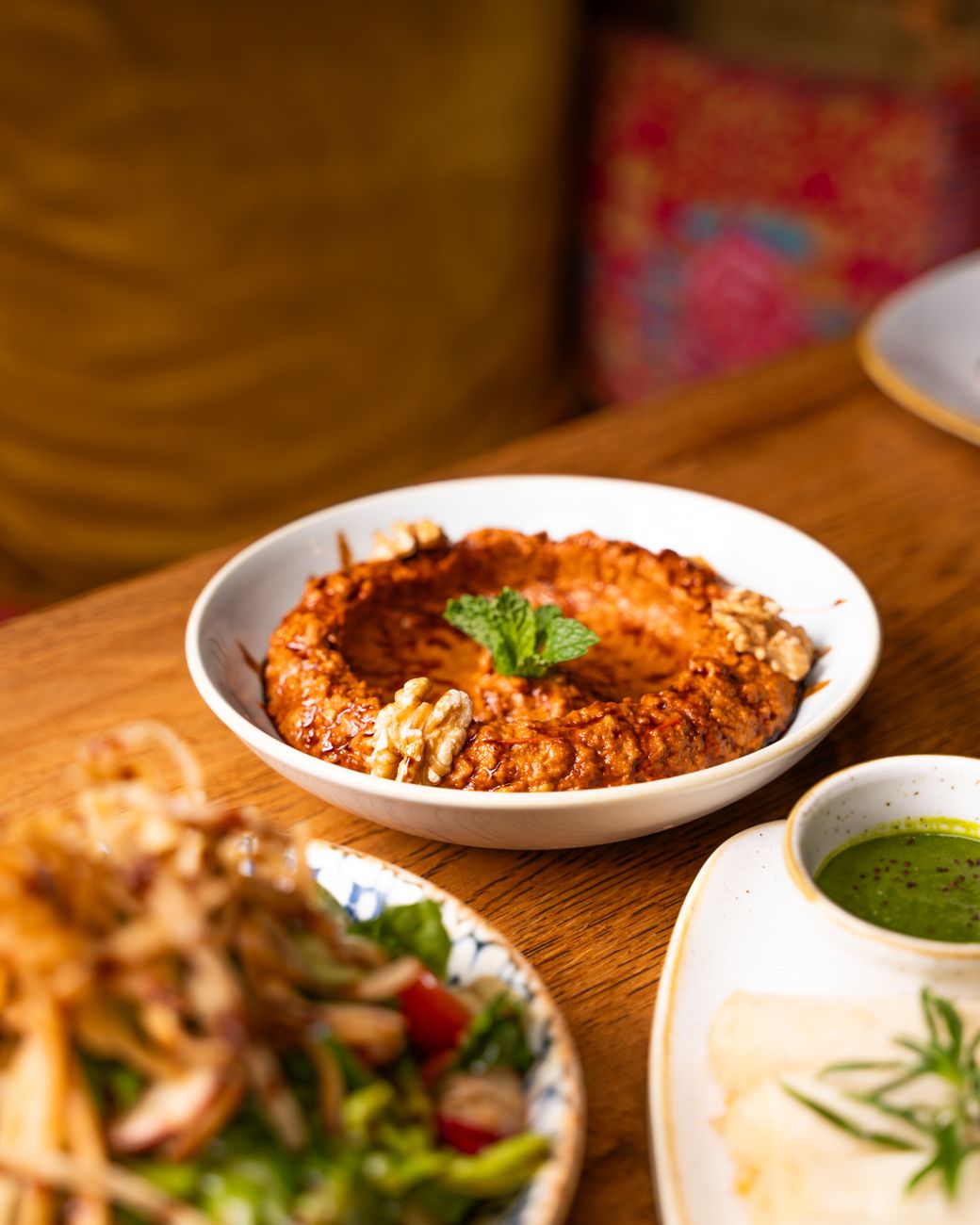
May 2, 2026Muhammara, Harissa, and Zhug: Three Ways to Season a Meal
Roasted peppers and walnuts in muhammara, chili paste in harissa dishes, and fresh herbs in zhug bring different flavors to the table.

science
Apr 17, 2026Harissa, Aleppo Pepper, and Pomegranate Molasses
Pair harissa, Aleppo pepper, or a spicy variation on za'atar with herbs and tart pomegranate molasses in everyday cooking.
science
Apr 15, 2026Harissa and Za'atar Oil: Ingredients and Cooking Uses
Use harissa and za'atar in spice oils, vegetables, and sauces, with attention to their different ingredients and flavors.
Comments
Reader discussion is shared across recipes, reviews, and editorial pieces.
Comments are read-only while member sign-in is paused.