
science
Muhammara, Harissa, and Zhug: Three Ways to Season a Meal
Roasted peppers and walnuts in muhammara, chili paste in harissa dishes, and fresh herbs in zhug bring different flavors to the table.
Share this
Pass it around
Send this page to a friend, copy the link, or save it to a Pinterest board.

Save for later
Pin this page
Save the image with a link back to this recipe, review, or article.
Muhammara, Harissa, and Zhug: Three Ways to Season a Meal
Middle Eastern heat often works differently than the straightforward burn of a jalapeño or the smoky punch of chipotle. Muhammara, harissa-based stews, and zhug each build their heat on a foundation of fat, acid, and aromatics, so the pepper is one part of a larger flavor structure rather than the whole point.
Each dish represents a different way of combining chile heat with other ingredients: muhammara leans on fat and tartness, harissa on fermentation and spice, zhug on fresh herbs and acid.
Here's how the ingredients and preparation in each dish create that effect.
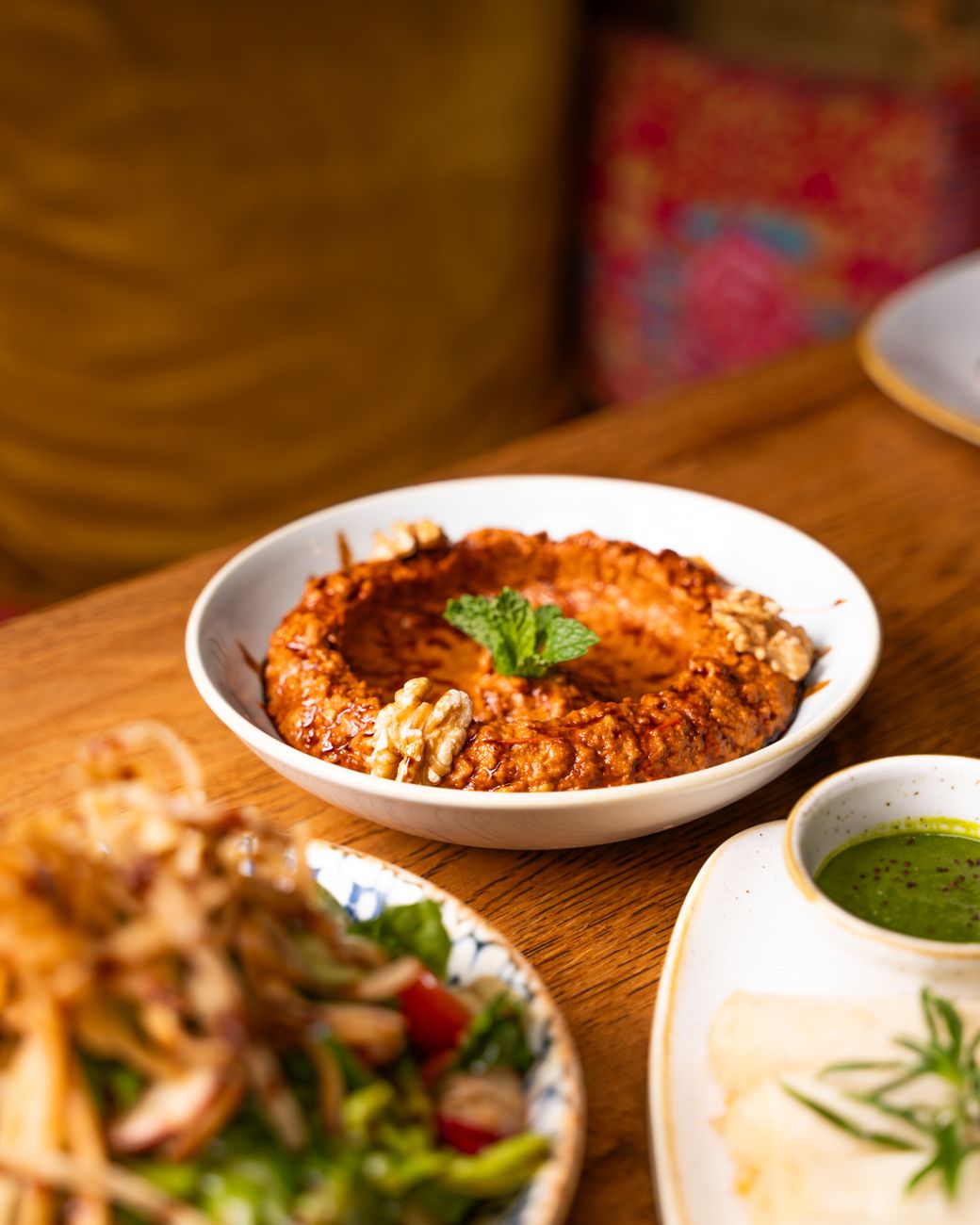
Muhammara: Sweet, Tart, and Layered Heat
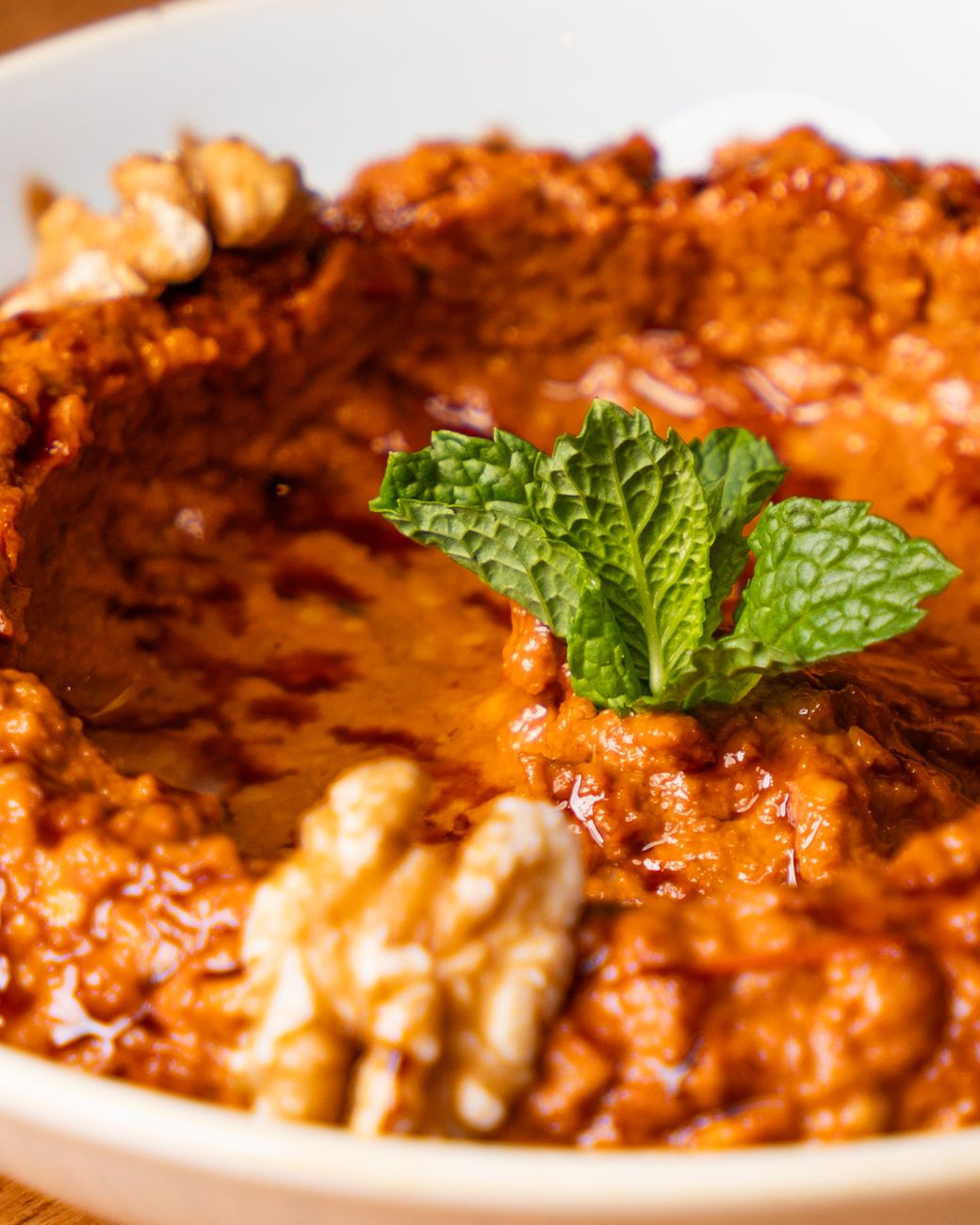
Muhammara feels like a well-balanced bite by design. This Syrian-Lebanese dip combines Aleppo pepper, walnuts, pomegranate molasses, and olive oil in proportions that keep the flavor shifting from sweet to tart to savory within a single spoonful.
Aleppo pepper is the backbone. Unlike cayenne's sharp heat or chipotle's smokiness, Aleppo delivers a warm, slightly fruity heat that builds gradually. It measures around 10,000 Scoville units, moderate compared to many chiles, so it doesn't overwhelm the other ingredients.
The chunky texture also matters. Every spoonful has a slightly different ratio of pepper, walnut, and pomegranate molasses, so the flavor doesn't feel repetitive from bite to bite.
Harissa's Complex Heat: What Fermentation Adds
Traditional Tunisian harissa that ferments for weeks develops a deeper, more layered flavor than harissa that's blended and bottled right away. The extended fermentation builds umami notes that make it taste less like a condiment and more like a base ingredient in its own right.
The pepper base usually combines baklouti, serrano, and cayenne, landing anywhere from 5,000 to 25,000 Scoville units depending on the recipe. That's real heat, but it's balanced by the other components. During fermentation, the peppers and garlic break down and develop savory, umami-rich notes that round out the sharper edges of the chile heat.
The spice blend adds further complexity. Coriander seeds bring citrusy brightness, caraway adds earthiness, and garlic mellows from sharp to sweet through fermentation. Together they build a layered aroma that a single ingredient couldn't produce alone.
Zhug: Heat Balanced by Fresh Herbs
Fresh green chilies behave differently than dried ones. Jalapeños and serranos in zhug keep their grassy, vegetal character alongside their heat, so you taste the pepper as a vegetable first and a spice second.
Garlic and lemon juice round out the sauce, adding savory depth and brightness that complement the peppers and herbs.
Zhug pairs well with grilled meats and roasted vegetables because its fresh, herbal flavor offsets the richness of caramelized, concentrated flavors elsewhere on the plate. The heat builds gradually enough that the other ingredients remain easy to taste.
What Ties These Three Dishes Together
Muhammara, harissa, and zhug each combine chile heat with other strong flavors: fat and tartness in muhammara, fermentation and spice in harissa, fresh herbs and acid in zhug. In each case, the pepper is balanced rather than left to stand alone.
Peppers featured in this post
Cook with this idea
Recipes to try next.
Put these ingredients and techniques to use in your next meal.
middle_eastern · hot
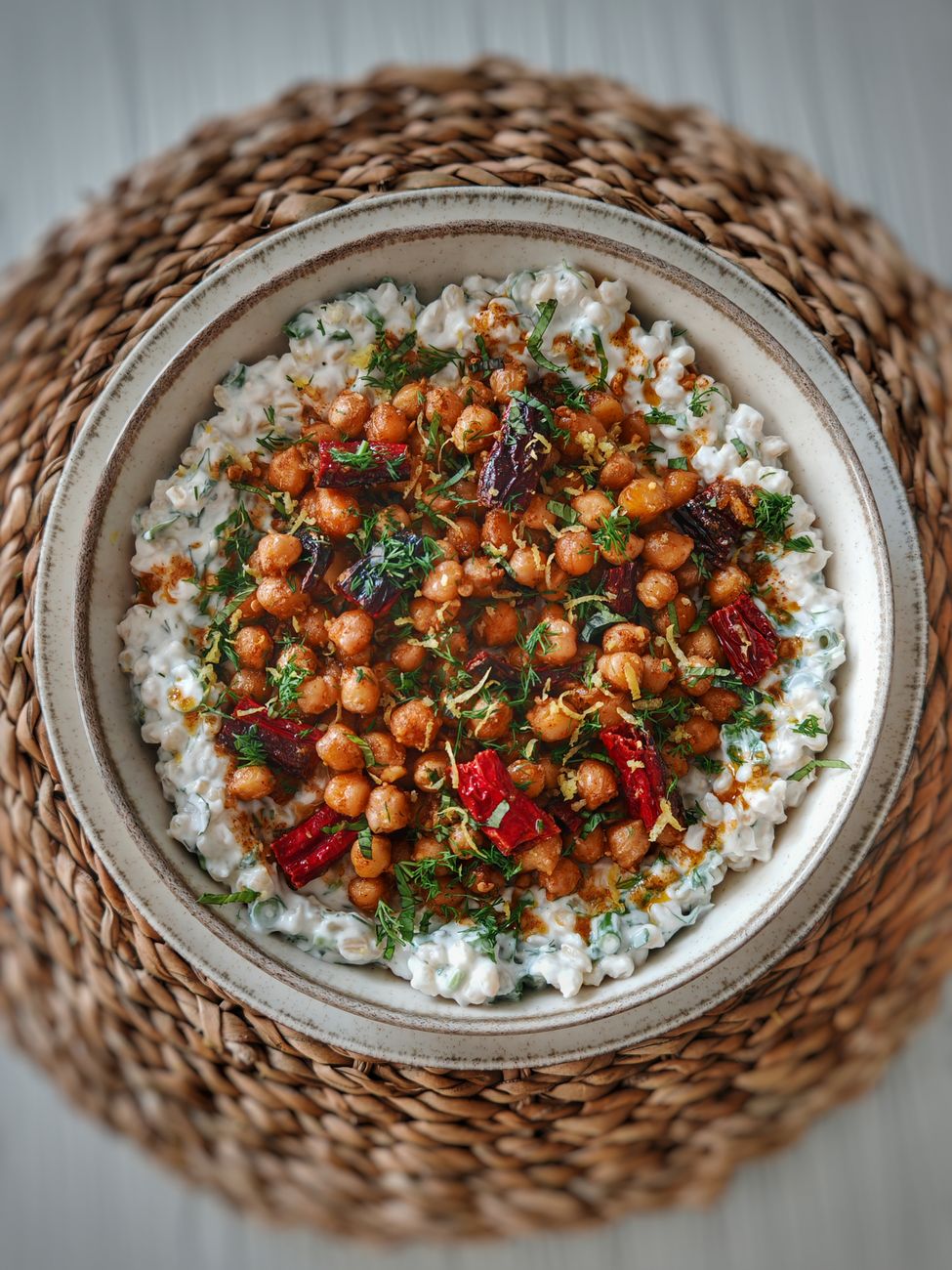
Oct 12, 2026Harissa-Spiced Noodles with Crispy Chickpeas
Hand-pulled or store-bought noodles tossed with harissa-butter sauce, roasted chickpeas, and charred tomatoes. The heat builds gradually through the spiced fat rather than hitting all at once. 40 min · 0 saves.
middle_eastern · inferno
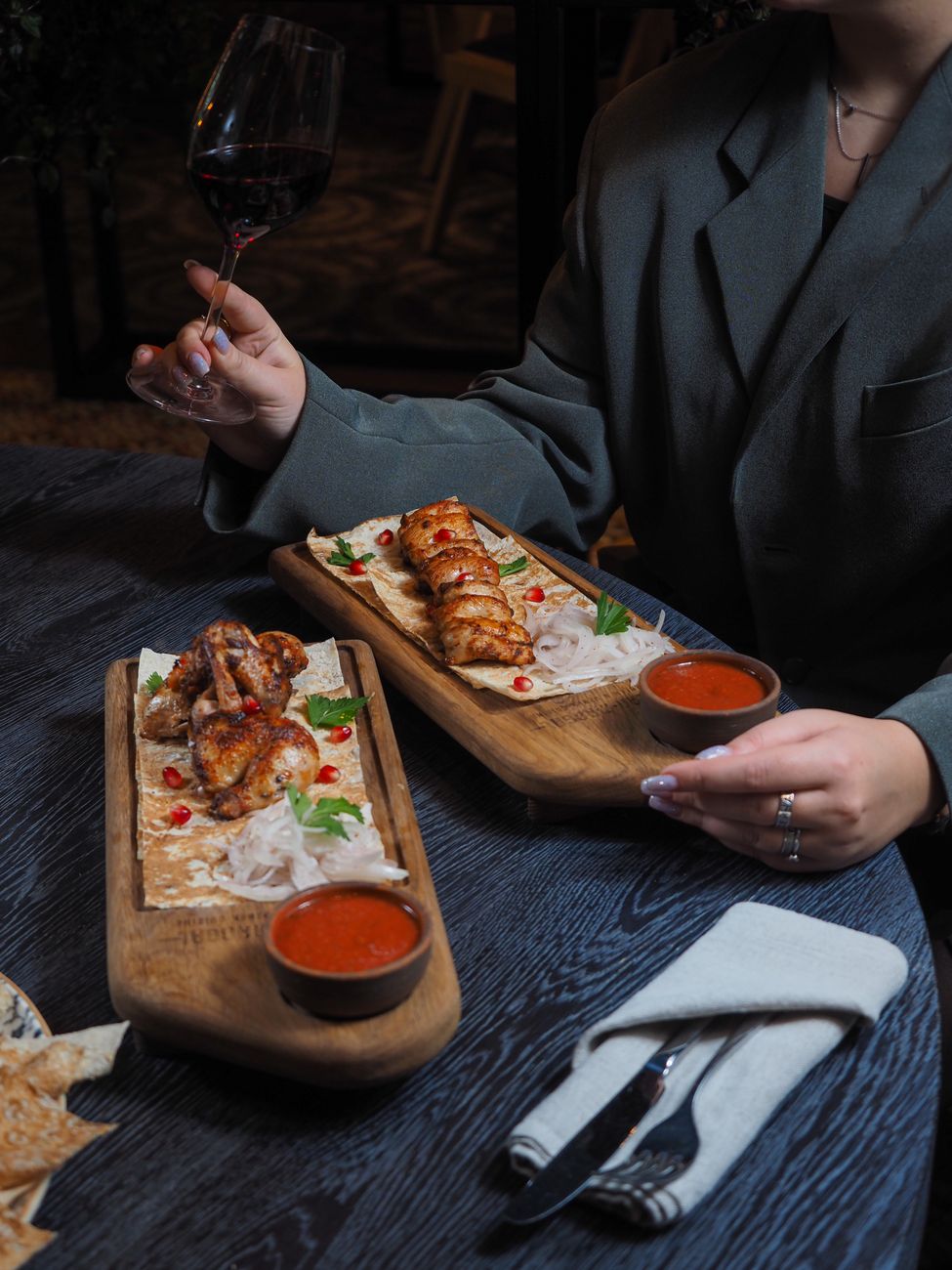
Jun 15, 2026Scorpion Harissa Wings with Pomegranate Glaze
Middle Eastern-spiced chicken wings with an extreme heat harissa marinade featuring Trinidad Scorpion peppers and a tangy pomegranate molasses glaze. 70 min · 0 saves.
middle_eastern · inferno
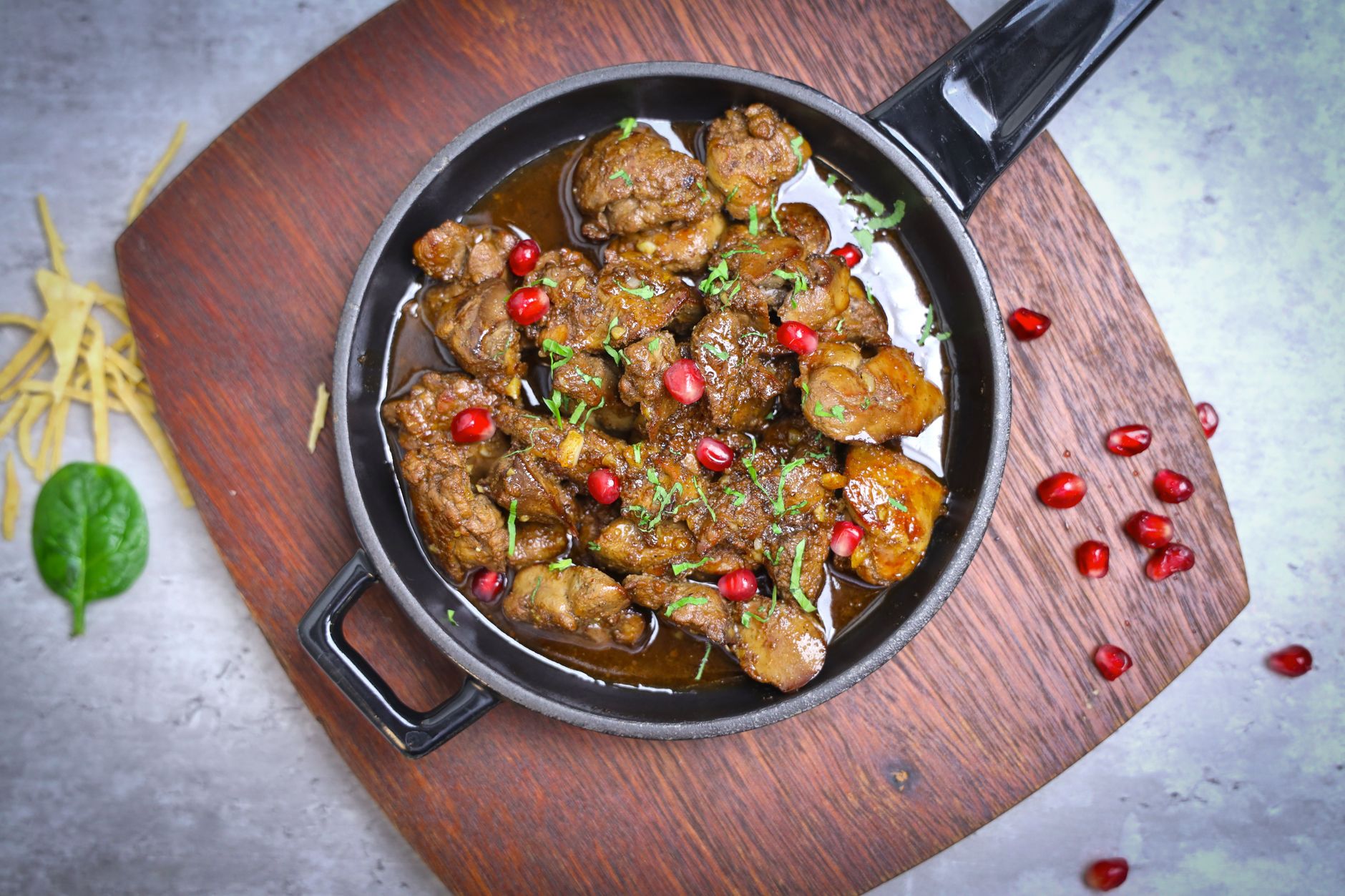
Jun 6, 2026Scorpion Pepper Fesenjan (Persian Pomegranate Walnut Stew)
A treasured Persian fesenjan recipe that pushes the boundaries with Trinidad Scorpion peppers. This rich, glossy stew weaves together ground walnuts and tart pomegranate molasses with chicken that falls apart at the touch of a fork—all while delivering heat that will test even the most dedicated spice lovers. 115 min · 0 saves.
Bottle picks
Related hot sauce reviews.
Explore sauces with related ingredients, flavors, and heat levels.
Fly By Jing Sichuan Gold Review
A citrusy, tingly sauce with real peppercorn presence and enough versatility to move beyond dumplings.
Best for dumplings
Best for: Eggs and breakfast tacos
Skip if: Skip if you want a thick, smoky wing sauce more than a bright finishing bottle.
Read review
Mike's Hot Honey Review
Sweet heat done right: sticky, quick, and versatile enough to become a finishing move instead of a novelty.
Best for gifting
Best for: Pizza and fried chicken
Skip if: Skip if you want a classic vinegar-forward table sauce with almost no sweetness.
Read review
Heatonist Los Calientes Rojo Review
Heatonist Los Calientes Rojo: flavor notes, heat level, and suggested food pairings.
Best for tacos
Best for: Tacos and rice bowls
Skip if: Skip if you are chasing a novelty-level heat hit or a super-special-occasion bottle.
Read review
Go deeper
Background guides that build on this.
Keep reading
More on this subject.
If this post helped, these are the next pieces most likely to keep the thread going.
science
Oct 7, 2026Why Middle Eastern Spicy Dishes Are Built on Layered Heat, Not Just Fire
Middle Eastern spicy food layers chile peppers with warm spices and acid to build depth instead of just heat. Learn how dishes like harissa and muhammara work, and how to adjust the burn to your taste.

science
Jun 8, 2026Middle Eastern Spicy Dishes: Dried Chiles and Cooling Accompaniments
Dried chiles, herbs, rich sauces, and cooling accompaniments create contrast in Middle Eastern spicy dishes. Explore ways to balance a plate.

science
Apr 17, 2026Harissa, Aleppo Pepper, and Pomegranate Molasses
Pair harissa, Aleppo pepper, or a spicy variation on za'atar with herbs and tart pomegranate molasses in everyday cooking.
Comments
Reader discussion is shared across recipes, reviews, and editorial pieces.
Comments are read-only while member sign-in is paused.