
science
Harissa, Aleppo Pepper, and Pomegranate Molasses
Pair harissa, Aleppo pepper, or a spicy variation on za'atar with herbs and tart pomegranate molasses in everyday cooking.

Share this
Pass it around
Send this page to a friend, copy the link, or save it to a Pinterest board.

Save for later
Pin this page
Save the image with a link back to this recipe, review, or article.
Harissa, Aleppo Pepper, and Pomegranate Molasses
Harissa mingling with roasted vegetables, or Aleppo pepper rubbed into grilled chicken, shows how Middle Eastern cooking builds heat from several ingredients at once rather than relying on a single pepper to do all the work.
Middle Eastern cooks combine chilies with aromatics like coriander, caraway, garlic, sumac, and pomegranate molasses. Each ingredient adds its own flavor alongside the chili's heat, which is part of why these dishes read as more layered than a dish seasoned with chili alone.
Why Harissa Works
This North African paste gets its heat from dried chilies such as guajillo and New Mexico varieties, but coriander, caraway, and garlic round out the flavor with earthy, sweet, and pungent notes alongside the chili.
That blend of spices is why harissa tastes different from a single-note hot sauce: the heat comes bundled with other flavors instead of arriving on its own.
Harissa is easy to work into other dishes. Stir it into Greek yogurt for a sauce that plays cool against warm, mix it into softened butter for grilled vegetables with more depth, or rub it directly onto lamb before roasting. It has enough body and richness to season whatever it touches without overwhelming it.
Aleppo Pepper's Appeal
This Syrian chili brings moderate heat, generally cited in the 10,000 to 30,000 Scoville range, which puts it well below cayenne but above a standard paprika.
Aleppo pepper is traditionally processed with salt mixed into the ground chilies. That processing affects flavor and helps preserve the pepper, giving it a rounder, less sharp heat and a savory, salty finish that works well as a seasoning on its own.
Aleppo pepper turns up in a lot of good places: sprinkled over roasted vegetables where its fruity notes complement caramelized edges, mixed into grain bowls alongside fresh herbs, or worked into meat marinades. One simple use is as a finishing salt, so each person can add as much heat as they want at the table.
Its moderate intensity also makes it a reasonable choice for cooks feeding people with different heat preferences, since it adds warmth without pushing into aggressive heat.
Za'atar Gets a Spicy Variation
Traditional za'atar isn't spicy, but some contemporary blends add hot pepper flakes or ground chilies to the classic mix of sumac, thyme, and sesame seeds.
Sumac contributes a tart, slightly sour edge that balances the chili's heat, while sesame seeds add fat that helps carry both heat and aromatics across a dish. Thyme adds its own herbal, slightly bitter notes to the blend.
Spicy za'atar shows up on pizza, flatbreads, roasted chicken, and grilled fish. It works in these contexts because the herbal and tangy elements add complexity to heartier proteins while staying light enough not to overwhelm more delicate dishes.
Pomegranate Molasses as a Counterpoint
This thick, tangy syrup brings a sour edge along with sweetness, which is why dishes that combine spicy elements with pomegranate molasses—muhammara, spicy lamb preparations among them—read as balanced rather than one-note, with the sweet-tart syrup tempering the pepper's warmth.
Building These Flavors at Home
A few practical starting points if you want to build these combinations yourself:
Layer your heat sources. Combine a more immediate heat, like cayenne, with a slower-building one, like harissa, for a more complex result than either used alone.
Brighten with acid. Sumac, pomegranate molasses, or fresh lemon juice can make chili heat feel lighter and less one-dimensional.
Include aromatic oils. Cumin, coriander, and fennel add their own flavor and help distribute heat and aromatics more evenly through a dish.
Season properly. Salt rounds out flavors and helps the other seasonings in a dish come together.
Peppers featured in this post
Cook with this idea
Recipes to try next.
Put these ingredients and techniques to use in your next meal.
middle_eastern · hot
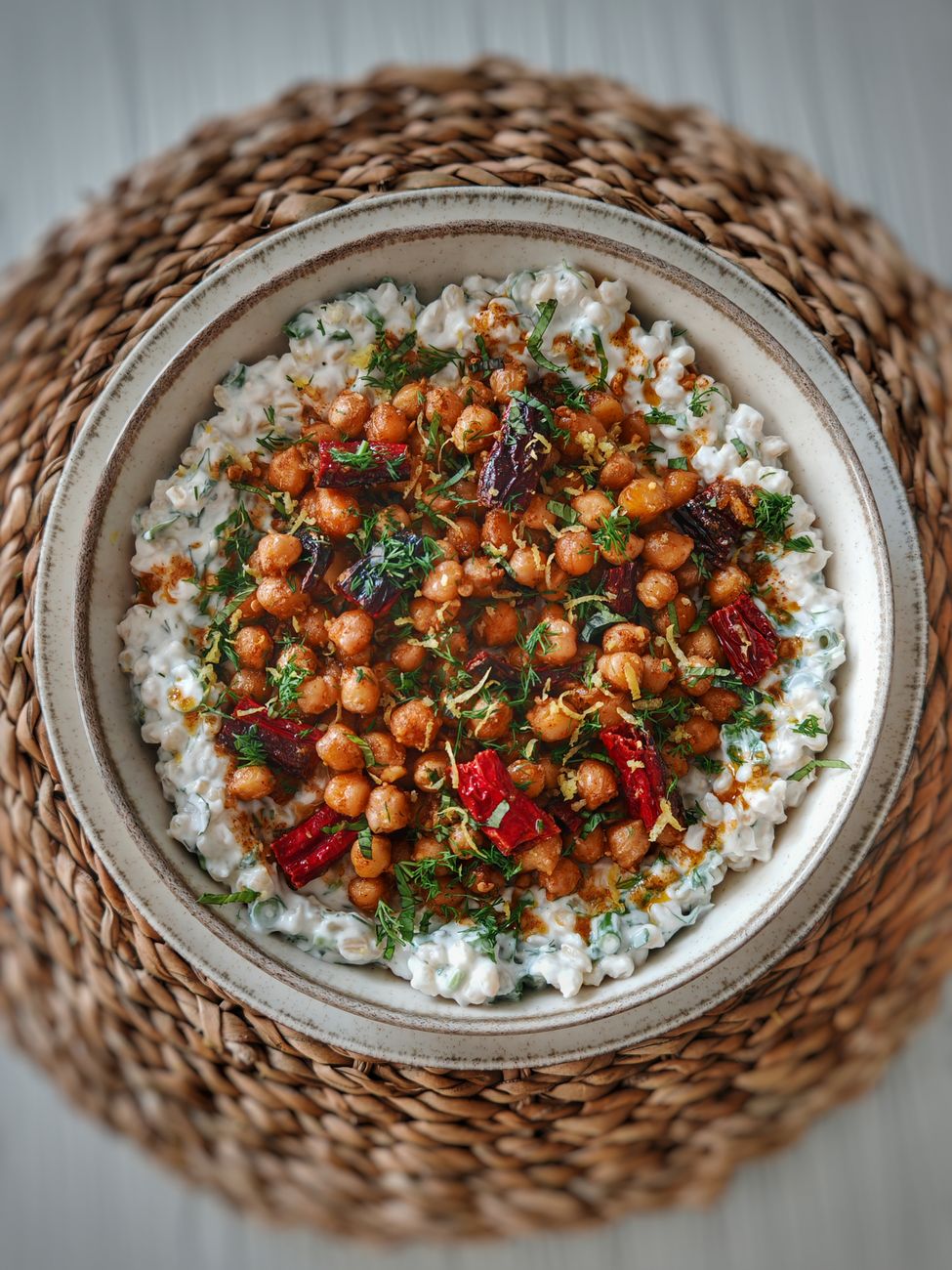
Oct 12, 2026Harissa-Spiced Noodles with Crispy Chickpeas
Hand-pulled or store-bought noodles tossed with harissa-butter sauce, roasted chickpeas, and charred tomatoes. The heat builds gradually through the spiced fat rather than hitting all at once. 40 min · 0 saves.
middle_eastern · inferno
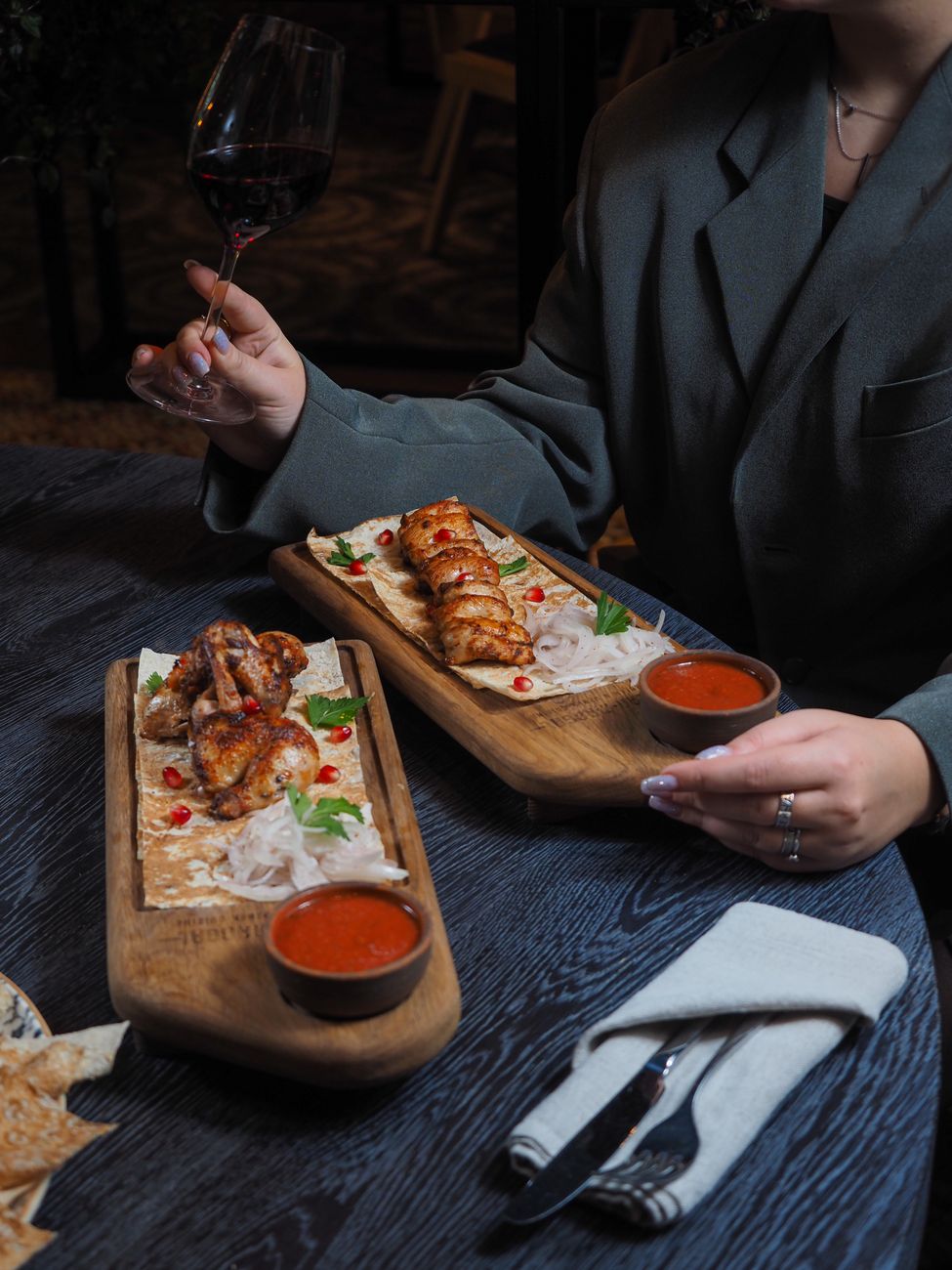
Jun 15, 2026Scorpion Harissa Wings with Pomegranate Glaze
Middle Eastern-spiced chicken wings with an extreme heat harissa marinade featuring Trinidad Scorpion peppers and a tangy pomegranate molasses glaze. 70 min · 0 saves.
middle_eastern · inferno
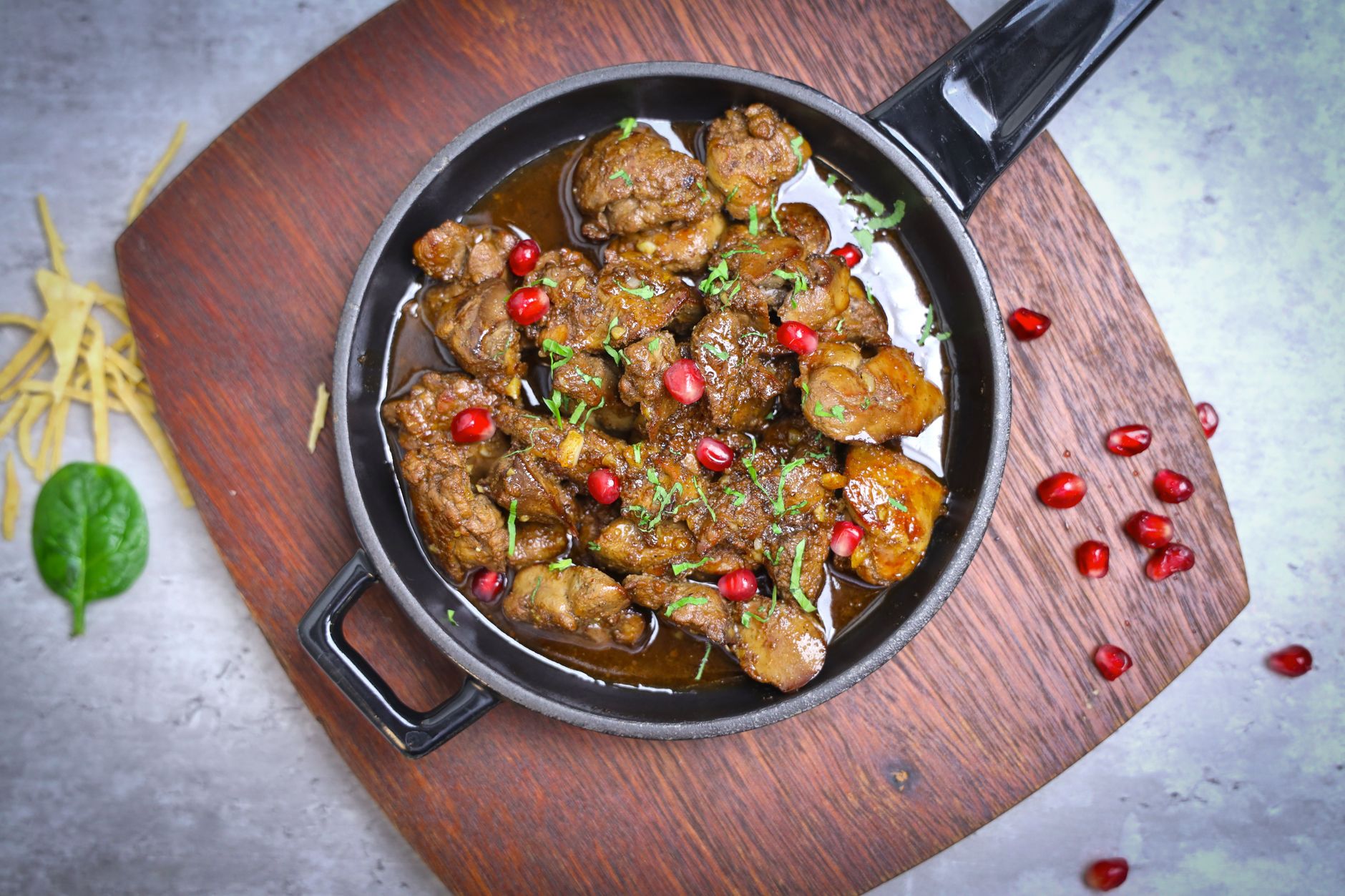
Jun 6, 2026Scorpion Pepper Fesenjan (Persian Pomegranate Walnut Stew)
A treasured Persian fesenjan recipe that pushes the boundaries with Trinidad Scorpion peppers. This rich, glossy stew weaves together ground walnuts and tart pomegranate molasses with chicken that falls apart at the touch of a fork—all while delivering heat that will test even the most dedicated spice lovers. 115 min · 0 saves.
Bottle picks
Related hot sauce reviews.
Explore sauces with related ingredients, flavors, and heat levels.
Mike's Hot Honey Review
Sweet heat done right: sticky, quick, and versatile enough to become a finishing move instead of a novelty.
Best for gifting
Best for: Pizza and fried chicken
Skip if: Skip if you want a classic vinegar-forward table sauce with almost no sweetness.
Read review
Heatonist Los Calientes Rojo Review
Heatonist Los Calientes Rojo: flavor notes, heat level, and suggested food pairings.
Best for tacos
Best for: Tacos and rice bowls
Skip if: Skip if you are chasing a novelty-level heat hit or a super-special-occasion bottle.
Read review
Yellowbird Habanero Hot Sauce Review
A bright, carrot-forward bottle with enough heat to stay lively and enough sweetness to stay versatile.
Best for tacos
Best for: Tacos and rice bowls
Skip if: Skip if you want a classic vinegar-forward table sauce with almost no sweetness.
Read review
Go deeper
Background guides that build on this.
Keep reading
More on this subject.
If this post helped, these are the next pieces most likely to keep the thread going.
science
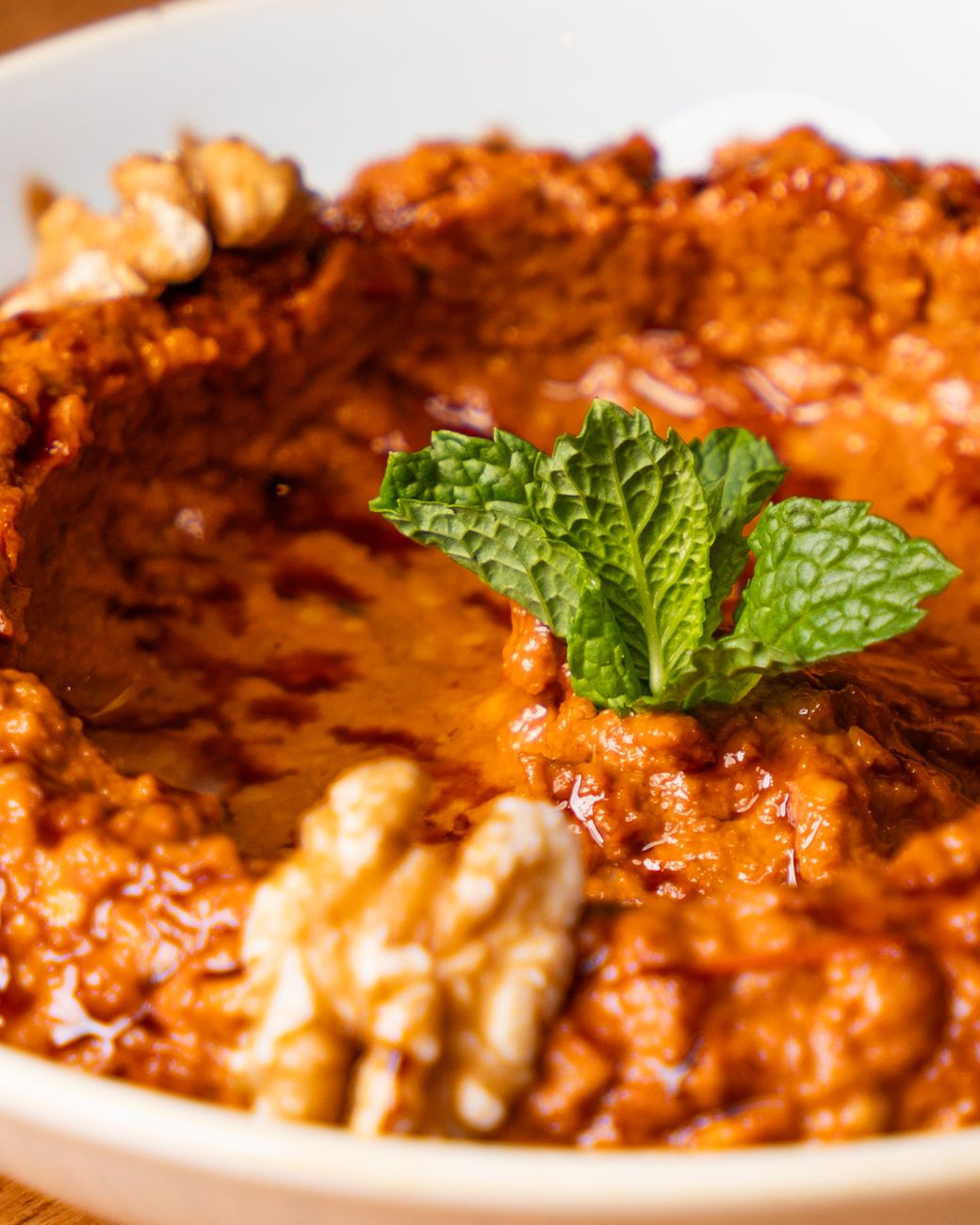
Oct 7, 2026Why Middle Eastern Spicy Dishes Are Built on Layered Heat, Not Just Fire
Middle Eastern spicy food layers chile peppers with warm spices and acid to build depth instead of just heat. Learn how dishes like harissa and muhammara work, and how to adjust the burn to your taste.

science
Jun 8, 2026Middle Eastern Spicy Dishes: Dried Chiles and Cooling Accompaniments
Dried chiles, herbs, rich sauces, and cooling accompaniments create contrast in Middle Eastern spicy dishes. Explore ways to balance a plate.
science
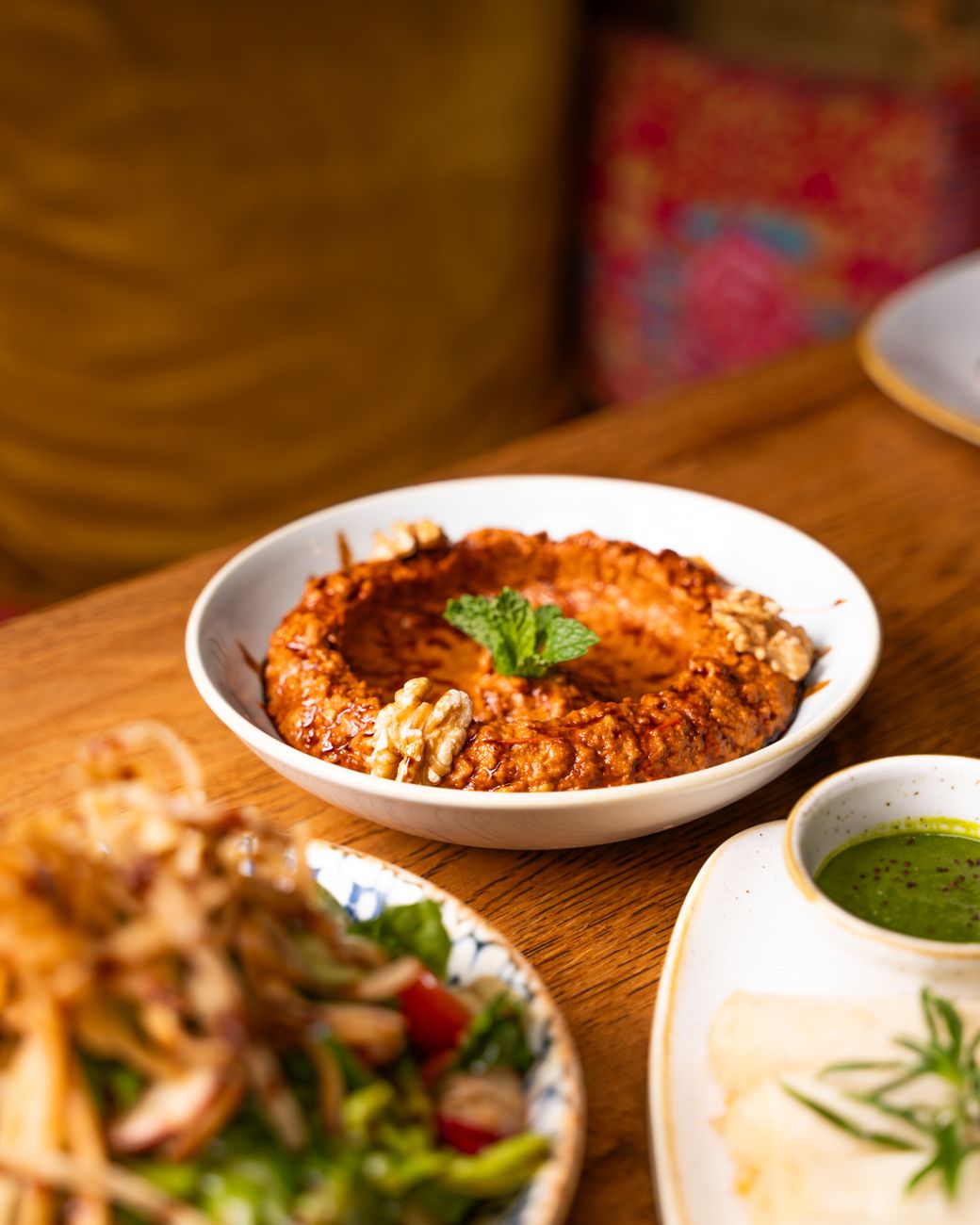
May 2, 2026Muhammara, Harissa, and Zhug: Three Ways to Season a Meal
Roasted peppers and walnuts in muhammara, chili paste in harissa dishes, and fresh herbs in zhug bring different flavors to the table.
Comments
Reader discussion is shared across recipes, reviews, and editorial pieces.
Comments are read-only while member sign-in is paused.