
science
Harissa and Za'atar Oil: Ingredients and Cooking Uses
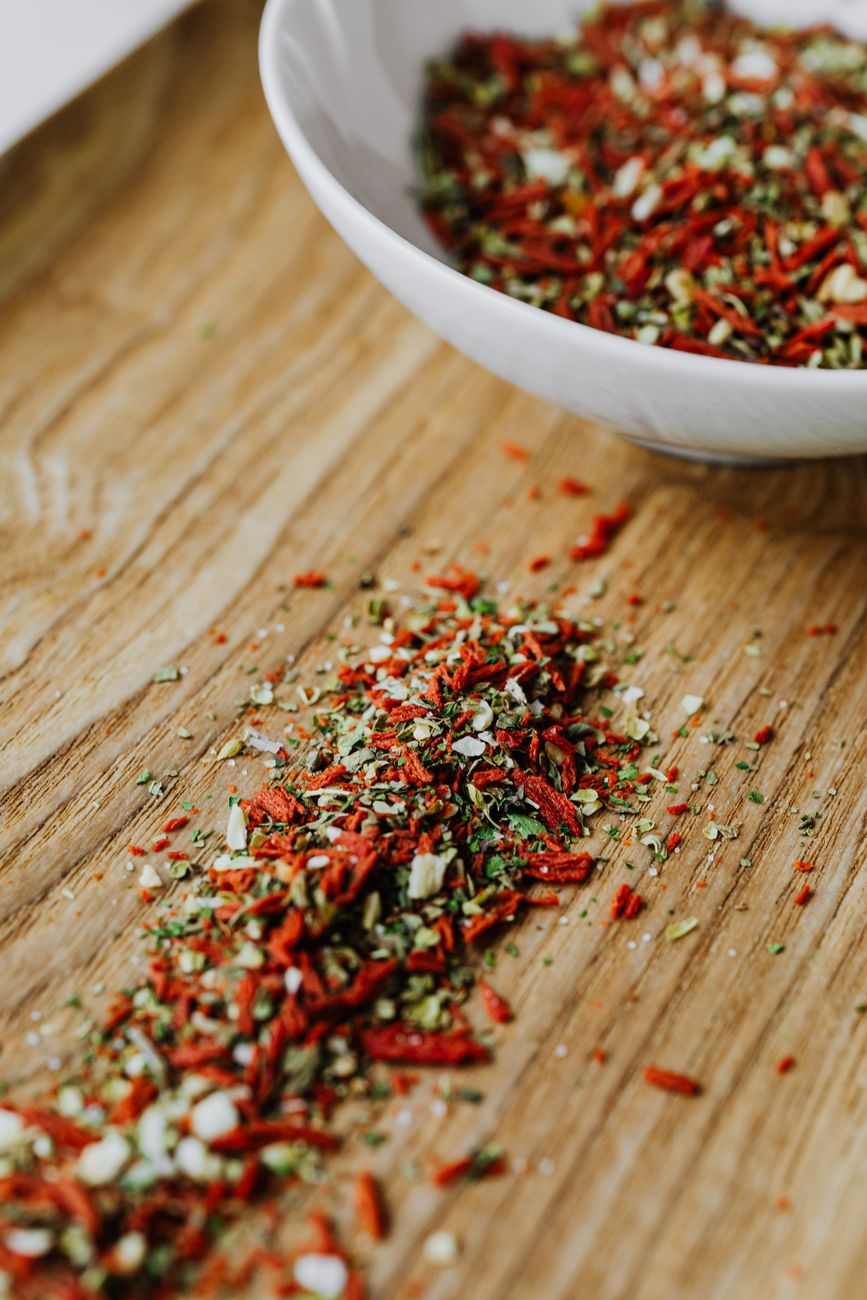
Use harissa and za'atar in spice oils, vegetables, and sauces, with attention to their different ingredients and flavors.
Share this
Pass it around
Send this page to a friend, copy the link, or save it to a Pinterest board.

Save for later
Pin this page
Save the image with a link back to this recipe, review, or article.
Layering Heat in Harissa
Harissa blends dried chilies with different heat profiles: smoky dried red peppers for immediate warmth, bird's eye chilies for a lingering tingle, and sometimes chipotle-style smoked peppers for a deeper, more background heat. The result is a heat that builds across a few bites rather than hitting all at once.
This staggered heat, combined with garlic and a tangy paste base, is part of why it's easy to keep scraping another spoonful from a shakshuka pan or rationing the last bit in the jar.
The supporting spices shape the flavor as much as the chilies do. Coriander seeds add a citrusy, slightly floral note. Caraway brings an earthy, slightly bitter edge. Garlic adds sharpness and depth, tying the blend together rather than just adding fire.
Za'atar's Layered Flavor
Za'atar isn't spicy in the usual chili sense, but it's built from ingredients that work together to keep your palate interested. Sumac contributes a tart, lemony sourness that cuts through richer foods. Wild thyme adds an earthy, slightly peppery warmth. Toasted sesame seeds bring a nutty, savory note once the heat of toasting brings out their aroma.
This combination of tartness, herbal warmth, and nuttiness is why za'atar-crusted flatbread or a drizzle of za'atar oil over roasted cauliflower can feel more interesting than a single dominant flavor would.
Baharat and Berbere: Balancing Heat with Aromatics
Baharat and berbere both combine black pepper's sharp, fast-hitting heat with dried chilies that build more slowly. Baharat typically rounds this out with cinnamon and allspice, which add warm, slightly sweet notes that offset the pepper's bite.
Berbere leans on fenugreek for a bitter, slightly nutty undertone that balances its chili heat. Slow braising, as in many berbere-spiced stews like doro wat, gives the spices time to meld into the dish, producing a more rounded, sustained warmth rather than a sharp, upfront heat.
Building Your Own Spice Oils
Once you understand how these blends layer flavor and heat, you can build your own versions:
• Choose a neutral oil that can handle heat—avocado or grapeseed work better than olive oil here • Toast whole spices separately before grinding to bring out their aroma • Add dried chilies to cold oil and heat slowly to extract flavor without burning them • Include something acidic (sumac, dried lime, or a splash of pomegranate molasses) to add brightness • Balance heat with cooling elements like fennel seed or nigella
The most successful versions of these blends don't rely on heat alone. They combine warmth, tartness, richness, and aromatics so no single note dominates.
This is part of why a harissa-spiked carrot soup or a za'atar flatbread can taste more complete than a dish built around a single seasoning, even when the ingredient list is short.
When cooking with these blends, resist the urge to pile on more chili just because you can. The balance between the spices is what makes the dish work, not chili heat by itself. A well-balanced berbere should invite another bite, not send you reaching for water.
This balance is also why these blends pair well with rich, cooling ingredients like tahini, Greek yogurt, or good olive oil—the richness offsets the heat and rounds out the dish.
Peppers featured in this post
Cook with this idea
Recipes to try next.
Put these ingredients and techniques to use in your next meal.
middle_eastern · hot
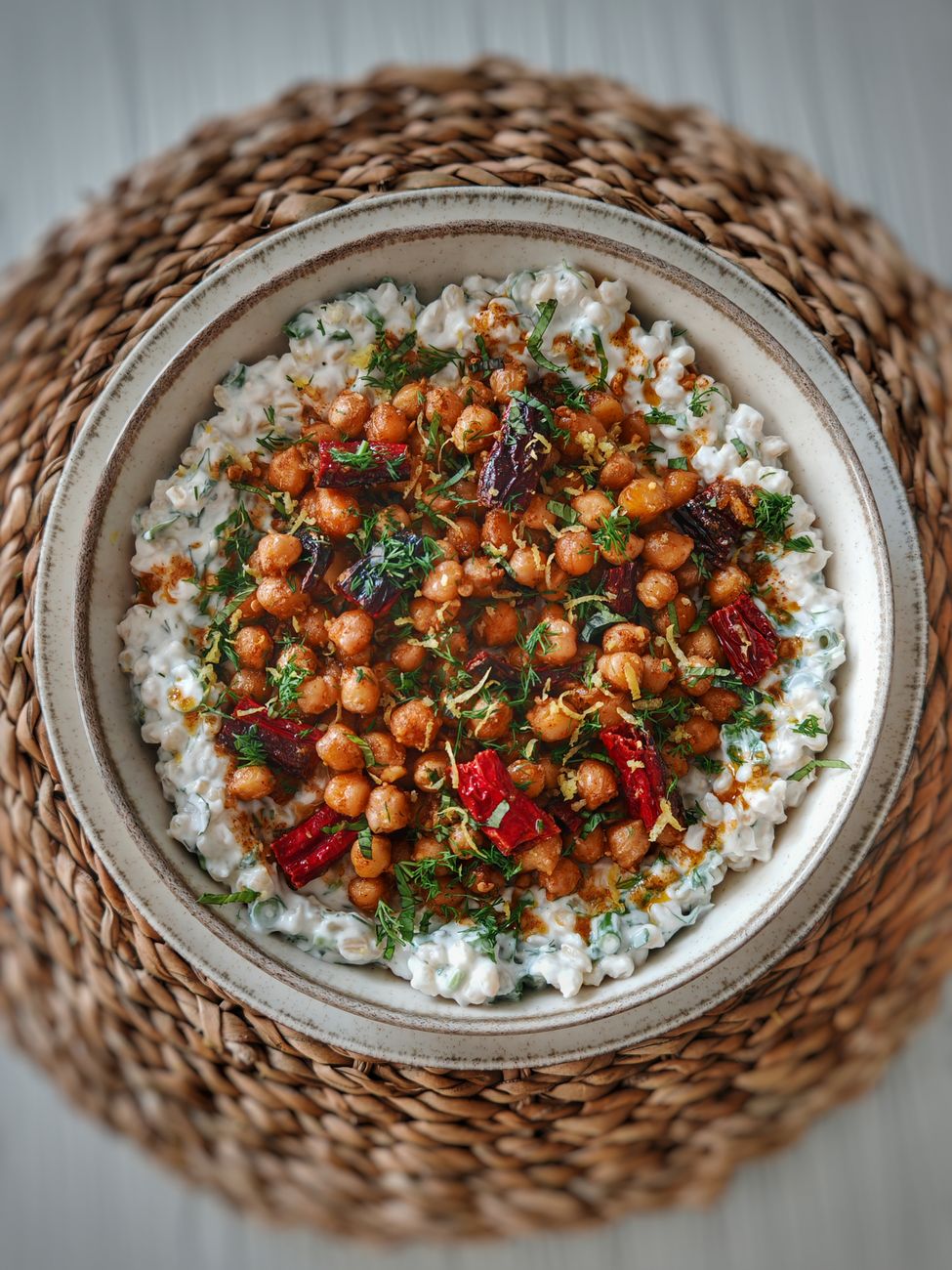
Oct 12, 2026Harissa-Spiced Noodles with Crispy Chickpeas
Hand-pulled or store-bought noodles tossed with harissa-butter sauce, roasted chickpeas, and charred tomatoes. The heat builds gradually through the spiced fat rather than hitting all at once. 40 min · 0 saves.
middle_eastern · inferno
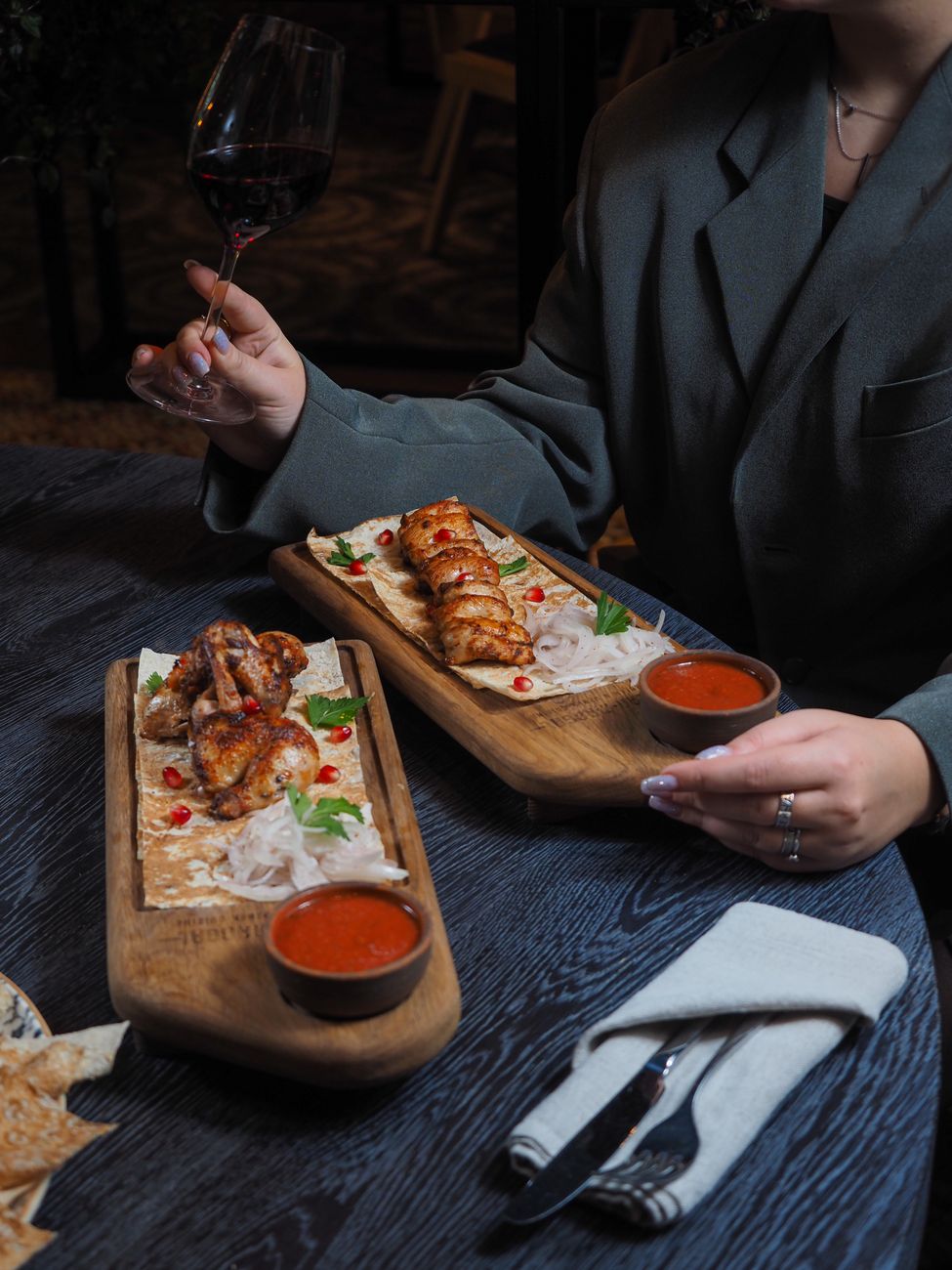
Jun 15, 2026Scorpion Harissa Wings with Pomegranate Glaze
Middle Eastern-spiced chicken wings with an extreme heat harissa marinade featuring Trinidad Scorpion peppers and a tangy pomegranate molasses glaze. 70 min · 0 saves.
middle_eastern · inferno
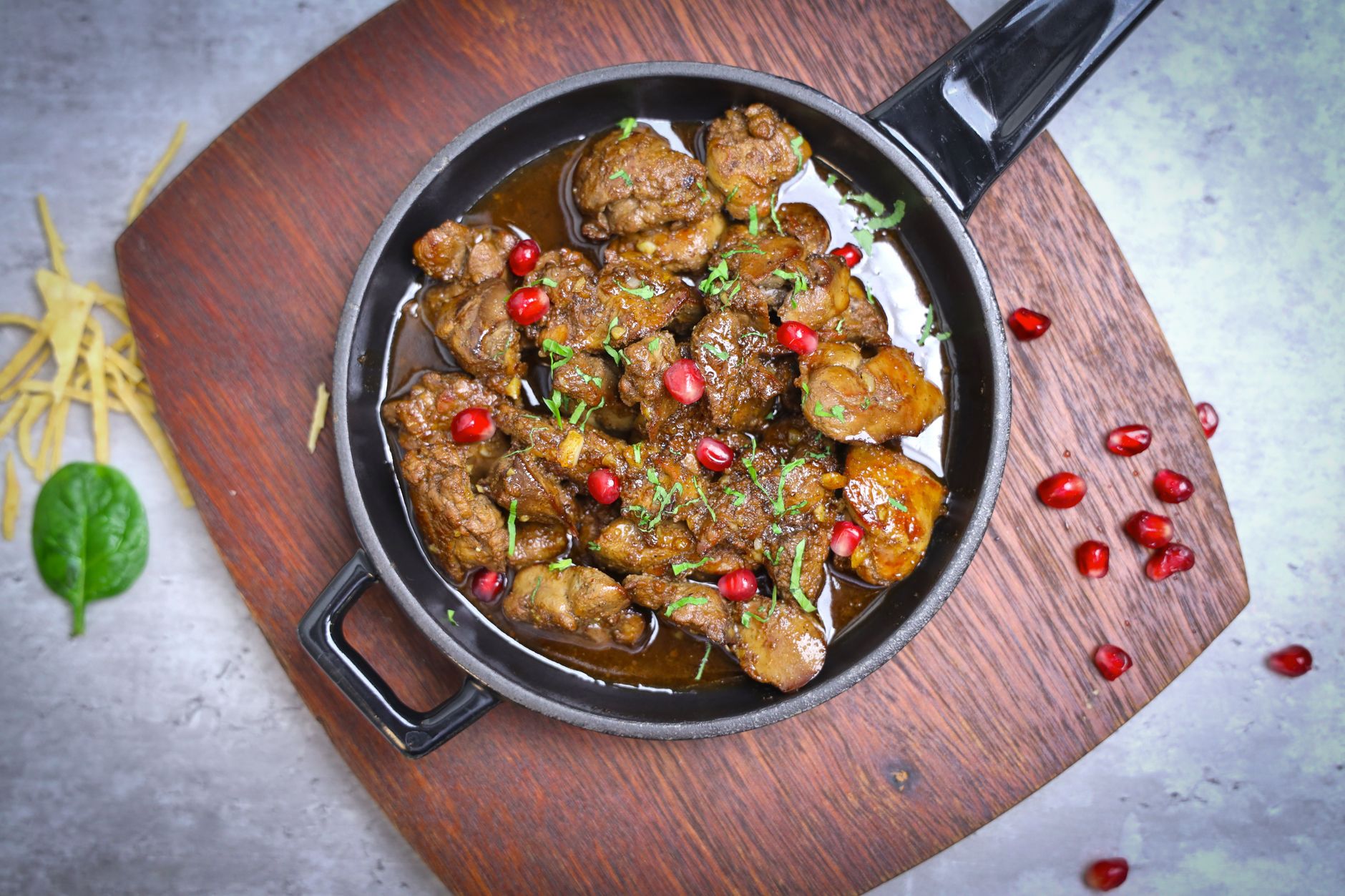
Jun 6, 2026Scorpion Pepper Fesenjan (Persian Pomegranate Walnut Stew)
A treasured Persian fesenjan recipe that pushes the boundaries with Trinidad Scorpion peppers. This rich, glossy stew weaves together ground walnuts and tart pomegranate molasses with chicken that falls apart at the touch of a fork—all while delivering heat that will test even the most dedicated spice lovers. 115 min · 0 saves.
Bottle picks
Related hot sauce reviews.
Explore sauces with related ingredients, flavors, and heat levels.
Fly By Jing Sichuan Gold Review
A citrusy, tingly sauce with real peppercorn presence and enough versatility to move beyond dumplings.
Best for dumplings
Best for: Eggs and breakfast tacos
Skip if: Skip if you want a thick, smoky wing sauce more than a bright finishing bottle.
Read review
Mike's Hot Honey Review
Sweet heat done right: sticky, quick, and versatile enough to become a finishing move instead of a novelty.
Best for gifting
Best for: Pizza and fried chicken
Skip if: Skip if you want a classic vinegar-forward table sauce with almost no sweetness.
Read review
Heatonist Los Calientes Rojo Review
Heatonist Los Calientes Rojo: flavor notes, heat level, and suggested food pairings.
Best for tacos
Best for: Tacos and rice bowls
Skip if: Skip if you are chasing a novelty-level heat hit or a super-special-occasion bottle.
Read review
Go deeper
Background guides that build on this.
Keep reading
More on this subject.
If this post helped, these are the next pieces most likely to keep the thread going.
science
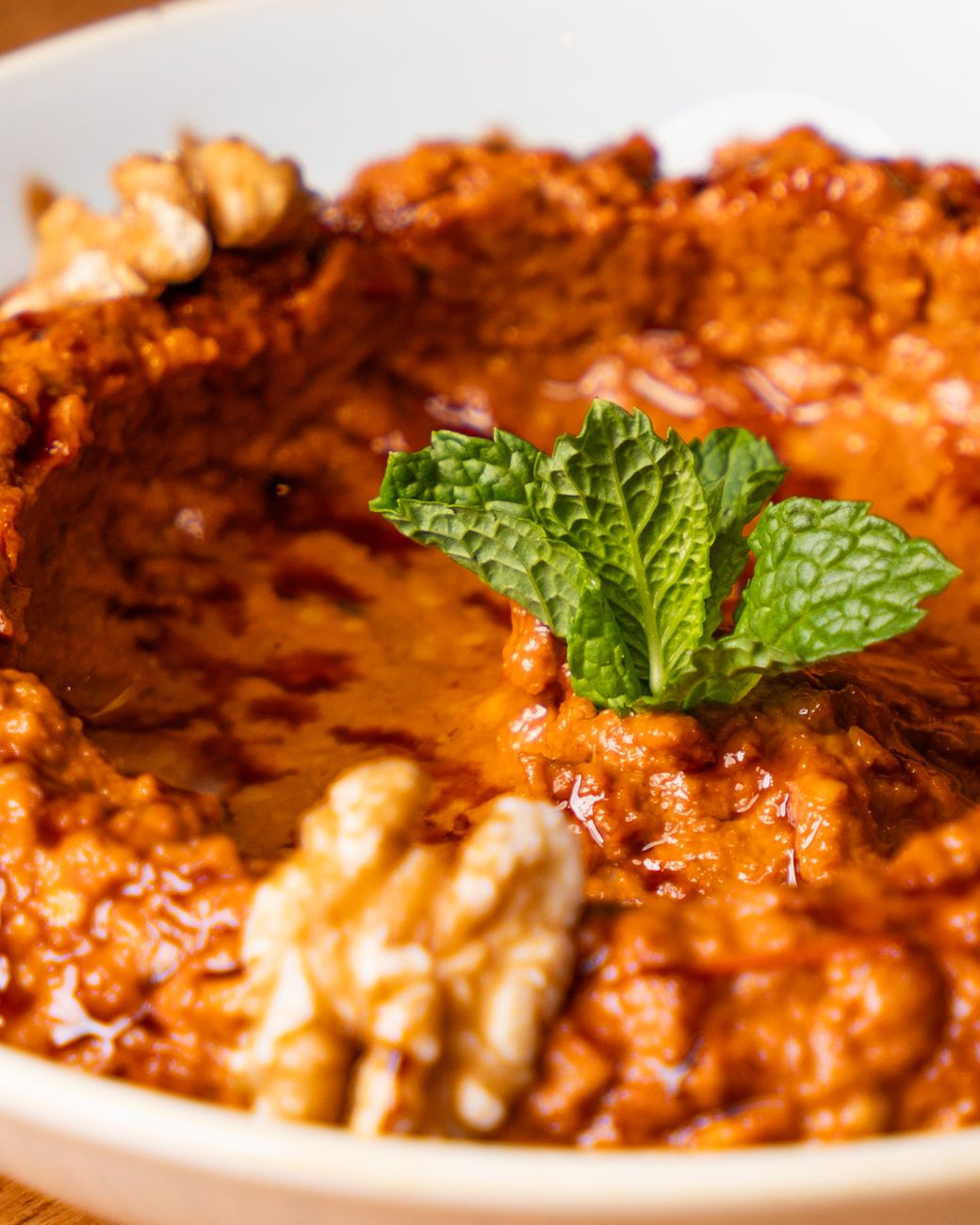
Oct 7, 2026Why Middle Eastern Spicy Dishes Are Built on Layered Heat, Not Just Fire
Middle Eastern spicy food layers chile peppers with warm spices and acid to build depth instead of just heat. Learn how dishes like harissa and muhammara work, and how to adjust the burn to your taste.

science
Jun 8, 2026Middle Eastern Spicy Dishes: Dried Chiles and Cooling Accompaniments
Dried chiles, herbs, rich sauces, and cooling accompaniments create contrast in Middle Eastern spicy dishes. Explore ways to balance a plate.
science
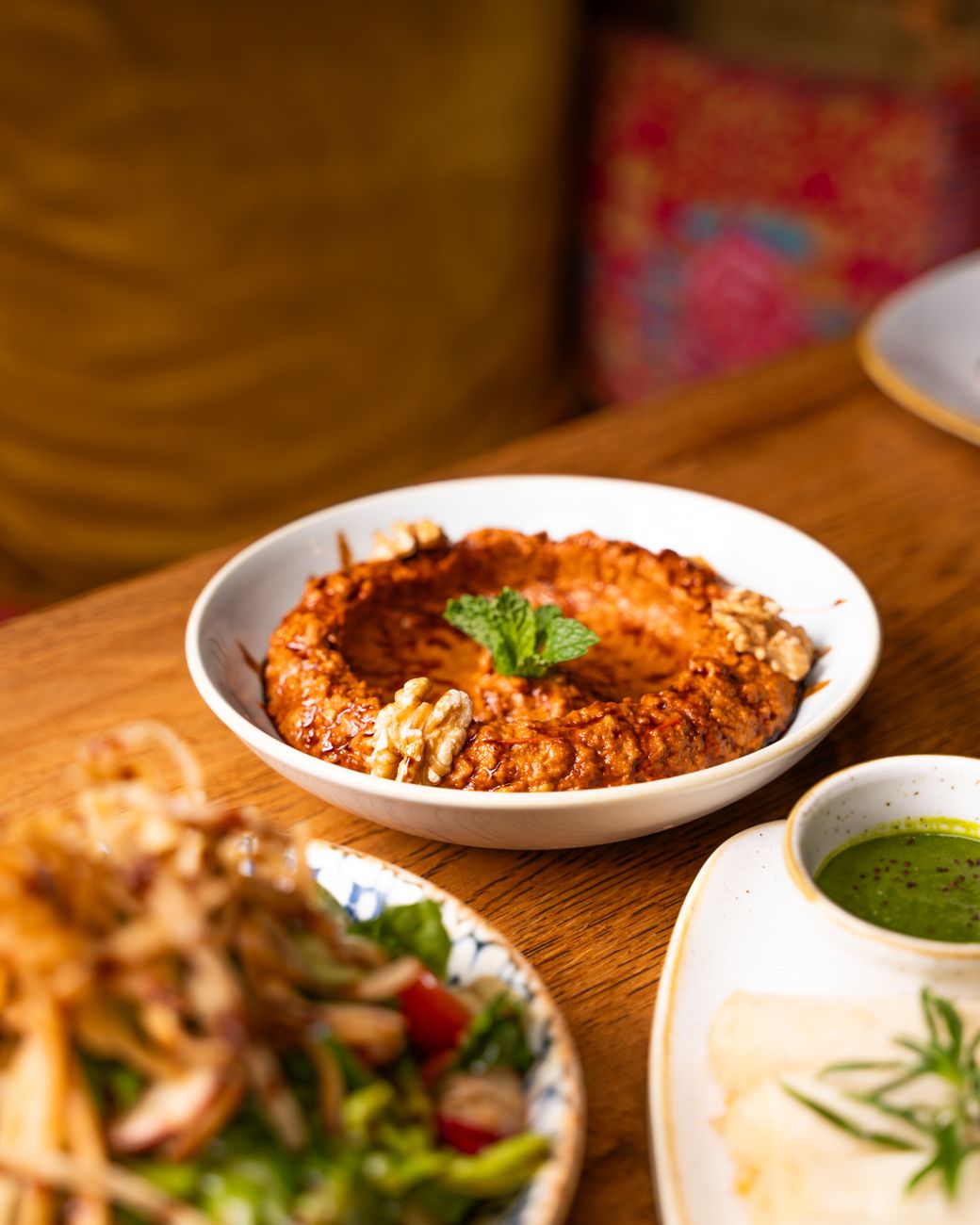
May 2, 2026Muhammara, Harissa, and Zhug: Three Ways to Season a Meal
Roasted peppers and walnuts in muhammara, chili paste in harissa dishes, and fresh herbs in zhug bring different flavors to the table.
Comments
Reader discussion is shared across recipes, reviews, and editorial pieces.
Comments are read-only while member sign-in is paused.