
culture
Why Spicy Greek Dishes Are Having a Moment
Greek cooking has always built heat into its foundations. Florina peppers, Aleppo chilies, and fresh green varieties have shaped regional cooking for centuries—and now diners are discovering what Greek tables have always known.
Share this
Pass it around
Send this page to a friend, copy the link, or save it to a Pinterest board.

Save for later
Pin this page
Save the image with a link back to this recipe, review, or article.
Greek cuisine carries a reputation for mildness that doesn't match the table. Chili peppers, dried chilies, and fiery regional preparations are woven into the cooking, layered with olive oil, tomato, and brined cheeses. Right now, as more people encounter authentic Greek spicy dishes, they're finding something distinct: heat that builds flavor rather than overshadowing it.
The peppers that define Greek spice
Greek cooks reach for specific peppers shaped by what grows locally and what neighbors have always used. The most distinctive is the Florina pepper, a sweet red chili from northern Greece. When fresh, Florinas carry moderate heat—around 1,000–2,000 Scoville units—with fruity, slightly smoky notes. Dried and ground, they become a cornerstone spice in Greek kitchens, especially in regions near the Bulgarian border, where the plant takes root reliably.
Long, thin green chilies are equally important. Used fresh in salads, grilled whole as a side, or pickled, they're milder than jalapeños and hold their shape when cooked. You'll find them at Greek markets under their straightforward name: Greek green chilies.
For deeper heat, cooks use dried red chilies—often sourced from Aleppo or similar origins—which deliver warmth alongside a subtle, almost raisin-like sweetness. Aleppo pepper, the dried form of a pepper variety grown in Syria and Turkey, has woven itself into Greek cooking over the past decade, offering less aggressive bite than cayenne and a more layered flavor.
How Greek kitchens build spice into dishes
Spicy Greek cooking doesn't hinge on a single condiment. Instead, heat is built into dishes during cooking, often paired with garlic, tomato, and olive oil to create depth.
Fava—the split pea dish from the Cycladic islands—is a useful example. The base is simple: yellow split peas, onions, and olive oil cooked until creamy. Heat arrives in two ways: a dusting of dried chili or Aleppo pepper stirred into the warm puree, and a drizzle of spicy olive oil infused with dried chilies. The chili doesn't overwhelm the earthiness of the peas; it sharpens the dish and adds a lingering warmth that makes you reach for another spoonful.
Htipiti, the whipped feta dip, shifts personality when built with heat. Traditional versions are creamy and mild. The spicy versions fold in roasted red peppers, dried chili flakes, and sometimes a raw green chili or two, pulsed into the dip. The result is brighter and warmer, with visible pepper flecks—more textured and demanding than the original.
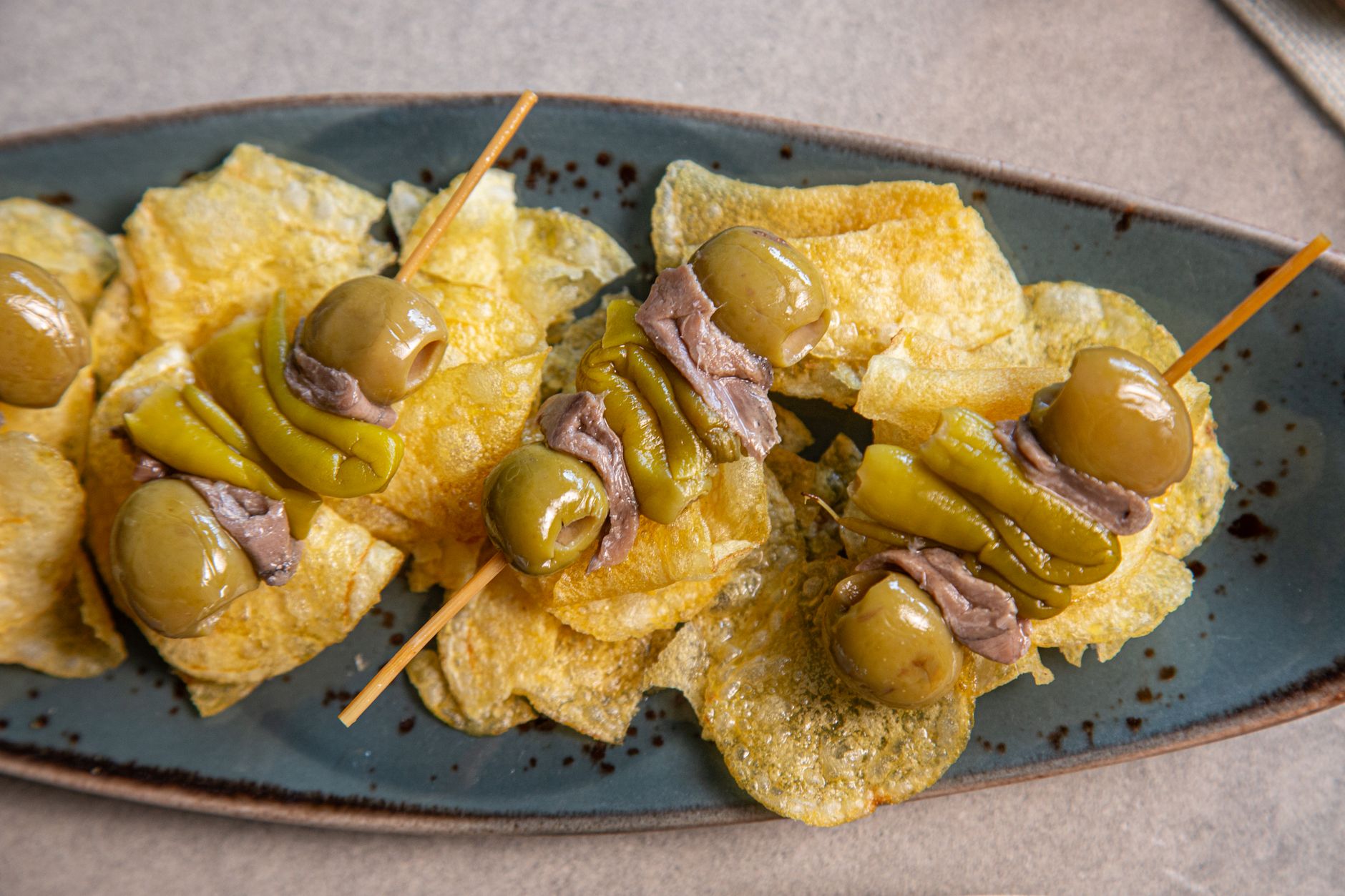
In tavernas across Greece, grilled meats arrive with pikilia, a selection of small spiced dishes. Among them: charred green chilies—often Shishitos or Greek varieties—which blister in high heat and soften to something almost creamy inside. A pinch of sea salt is all that's needed. The heat is moderate but direct, and the texture transforms entirely from raw pepper to something almost creamy inside.
Pastitsada, the Corfiot stew of rooster or beef braised in tomato sauce with whole spice (cinnamon, cloves), sometimes begins with a base of dried chili or Florina pepper powder. The chili contributes to the overall depth rather than dominating the sauce.
Why this approach matters now
Diners increasingly seek flavor complexity in heat rather than pure intensity. Greek cooking delivers that balance. The peppers used—Florina, Aleppo, fresh green varieties—offer character that pairs with olive oil, tomato, and brined cheeses. They don't compete with those foundations; they sharpen and deepen them.
Greek restaurants and food producers have also become more accessible internationally in recent years. Spicy Greek products—chili-infused oils, hot feta spreads, fiery pepper pastes—are easier to find at specialty markets and online. That availability means home cooks experimenting with Mediterranean cooking now have access to Florina pepper powder and authentic Greek chili oils, which shifts what's possible in their own kitchens.
More fundamentally, spicy Greek food feels rooted rather than borrowed. It's shaped by centuries of regional ingredient availability and working-class taverna tradition. That foundation appeals to cooks looking for heat that arrives through technique and tradition rather than shock value.
Using Greek peppers at home
Start with one or two peppers. Florina pepper powder, available through Greek specialty shops and online, adds warmth and subtle fruit to split pea dips, roasted vegetable spreads, and grilled fish. Begin with a quarter teaspoon in a dish that serves four, taste, and adjust upward from there.
Fresh green Greek chilies (or Shishitos as a substitute) are straightforward to cook: halve them, seed them if you prefer less heat, toss with olive oil, salt, and garlic, then grill or pan-char over high heat until blistered. The pepper softens and becomes almost creamy inside, while the charred exterior adds bitter-sweet depth.
Aleppo pepper, found at most spice shops now, works as a finishing seasoning for hummus, whipped feta, or grilled vegetables. Unlike chili flakes, it doesn't have an aggressive bite. Instead, it adds warmth and a faint fruitiness that reads as layered rather than simply spicy.
The core principle is patience: Greek spicy cooking builds heat and flavor through layering and technique over time, rather than through immediate intensity. That restraint, combined with the specific character of the peppers themselves, creates something genuinely craveable.
Peppers featured in this post
Cook with this idea
Recipes to try next.
Put these ingredients and techniques to use in your next meal.
other · medium
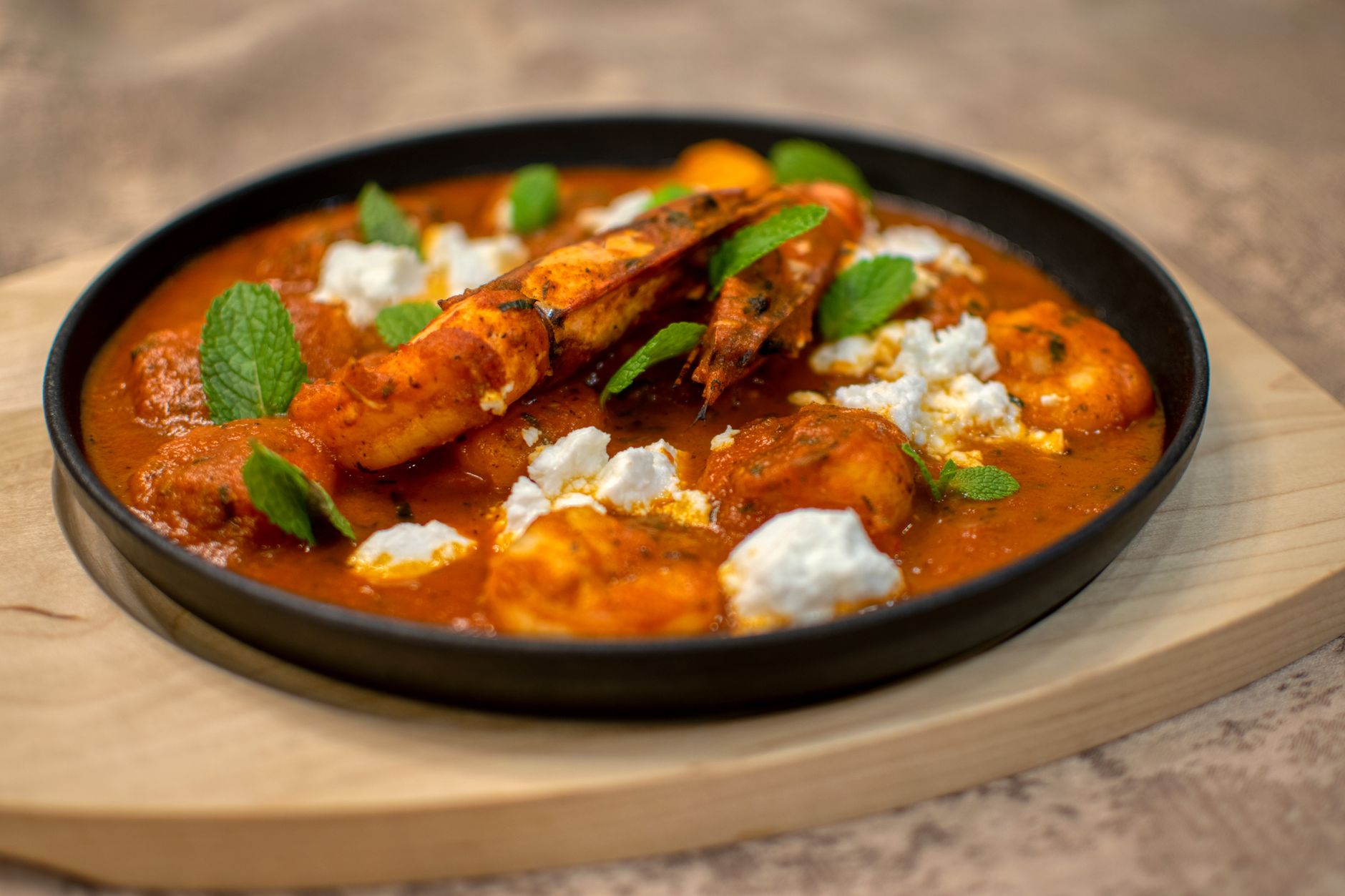
Oct 19, 2026Shrimp Saganaki with Chilli and Feta
Pan-seared shrimp finished with a warm tomato sauce, crumbled feta, and dried chilli heat—a Greek seafood dish that cooks in one skillet. 25 min · 0 saves.

other · medium
Oct 11, 2026Rendang Daging (Malaysian Beef Rendang)
A slow-braised beef stew where fresh red chillies, garlic, ginger and galangal break down into a paste, then simmer in coconut milk until the liquid reduces to a glossy, spiced glaze clinging to each piece of meat. The beef becomes tender enough to break with a spoon, and the heat builds gradually from the chillies and warm spices—cardamom, cloves, cinnamon—rather than arriving sharp and alone. 115 min · 0 saves.

other · medium
Oct 9, 2026Moqueca de Camarão com Pimenta
A Brazilian seafood stew where shrimp braise gently in coconut milk with red peppers, garlic, coriander, and fresh malagueta chillies. The heat builds slowly from the whole peppers simmered in the sauce, so you taste the shrimp's sweetness and the garlic's depth before any burn catches up. 40 min · 0 saves.
Bottle picks
Related hot sauce reviews.
Explore sauces with related ingredients, flavors, and heat levels.
Fly By Jing Sichuan Gold Review
A citrusy, tingly sauce with real peppercorn presence and enough versatility to move beyond dumplings.
Best for dumplings
Best for: Eggs and breakfast tacos
Skip if: Skip if you want a thick, smoky wing sauce more than a bright finishing bottle.
Read review
Mike's Hot Honey Review
Sweet heat done right: sticky, quick, and versatile enough to become a finishing move instead of a novelty.
Best for gifting
Best for: Pizza and fried chicken
Skip if: Skip if you want a classic vinegar-forward table sauce with almost no sweetness.
Read review
Heatonist Los Calientes Rojo Review
Heatonist Los Calientes Rojo: flavor notes, heat level, and suggested food pairings.
Best for tacos
Best for: Tacos and rice bowls
Skip if: Skip if you are chasing a novelty-level heat hit or a super-special-occasion bottle.
Read review
Go deeper
Background guides that build on this.
Keep reading
More on this subject.
If this post helped, these are the next pieces most likely to keep the thread going.

culture
Jun 11, 2026Greek Fire: The Spicy Side of Hellenic Cooking That's Finally Getting Its Due
Greek cooking has always packed more heat than the world gives it credit for. From pepper-rich island specialties to chili-spiked mainland classics, these are the fiery dishes that deserve a spot at your table.
culture
Jun 6, 2026Greek Heat: Three Spicy Regional Styles That Deserve Your Attention
From northern Greece's soul-warming paprika braises to island pepper preparations that pack both heat and tang, discover the spicy side of Greek cuisine that goes far beyond those ubiquitous red pepper flakes.

culture
May 30, 2026Greece's Hottest Kitchen Secrets: Why Spicy Greek Cooking Is Having a Moment
From fiery feta spreads that'll surprise your guests to pepper-braised meats that make you understand why Greek grandmothers always kept the good olive oil handy, this is the spicy side of Greek cooking that deserves a place at your table.
Comments
Reader discussion is shared across recipes, reviews, and editorial pieces.
Comments are read-only while member sign-in is paused.