
FlamingFoodies recipe
Moqueca de Camarão com Pimenta
A Brazilian seafood stew where shrimp braise gently in coconut milk with red peppers, garlic, coriander, and fresh malagueta chillies. The heat builds slowly from the whole peppers simmered in the sauce, so you taste the shrimp's sweetness and the garlic's depth before any burn catches up.
Coconut-braised shrimp with fresh chilli, red pepper, and cilantro, finished with a drizzle of dendê oil or olive oil.
Ingredients
For the recipe
- 1.5 lblarge shrimp, peeled and deveined
- 1 mediumred bell pepper, diced
- 1 mediumonion, thinly sliced
- 4 clovesgarlic, minced
- 1 tbspfresh ginger, grated
- 1 canunsweetened coconut milk, 13.5 oz
- 0.5 cupfish or vegetable stock, room temperature
- 2 mediummalagueta chillies or bird's eye chillies, split lengthwise, seeds intact
- 0.5 tspground coriander
- 0.25 tspsea salt, plus to taste
- 2 tbspfresh cilantro, roughly chopped
- 1 tbspdendê oil or extra-virgin olive oil, for finishing
- 2 tbspolive oil, for cooking
Method
1. Build the base Heat olive oil in a large, heavy pot or Dutch oven over medium heat. Add the sliced onion and diced red pepper. Cook, stirring occasionally, until the onion is soft and translucent, about 5 minutes. The pepper will begin to release its colour into the oil. Add minced garlic and ginger, stirring constantly for about 1 minute until fragrant.
Watch for: The onion should be soft enough to break easily with the back of a spoon; garlic should smell sweet and slightly toasted, not harsh or burnt.
2. Add the chillies and spices Stir in the ground coriander and sea salt. Add the split malagueta chillies—keep them whole so you can fish them out later if the heat becomes too intense. Stir for about 30 seconds to toast the coriander and release its floral note.
Watch for: The pot should smell warm and slightly grassy, not burnt.
3. Simmer the coconut broth Pour in the coconut milk and fish stock. Stir gently to combine. Bring the mixture to a bare simmer over medium heat—small bubbles should rise slowly around the edges, not a rolling boil. Let it simmer for 5 minutes to allow the flavours to meld. The broth will smell fragrant and slightly deeper in colour.
Watch for: Small bubbles should rise from the bottom of the pot. The broth will smell of coconut, garlic, and a faint warmth from the chillies.
4. Cook the shrimp Add the shrimp to the simmering broth. Stir gently once or twice. Maintain a bare simmer and cook until the shrimp are opaque throughout and just firm to the touch, about 3 to 5 minutes. Do not leave them unattended—overcooked shrimp become rubbery. Taste the broth. If it is too hot, fish out one or both chillies; if you want more heat, leave them in or add a small pinch of chilli flakes. Finish with a drizzle of dendê oil or extra-virgin olive oil and scatter with fresh cilantro.
Watch for: Shrimp should be pale pink or white throughout, not translucent. A gentle press should feel firm but still tender.
Equipment
- Large pot or Dutch oven (4 to 5 quart capacity)
- Cutting board
- Chef's knife
- Wooden spoon
- Measuring spoons and cups
- Bowls for serving
Make ahead
- Prepare the onion, pepper, garlic, and ginger up to 2 hours ahead and store in separate bowls in the refrigerator. The base (steps 1–2) can be made up to 4 hours ahead; cool, cover, and refrigerate. Reheat gently on the stove before adding the coconut milk.
Storage
- Refrigerate leftovers in an airtight container for up to 2 days. The chillies will intensify the heat over time—remove them before storing if you prefer milder flavour on day two.
Reheat
- Warm gently in a pot over low to medium heat, stirring occasionally, until just steaming. Do not boil. If reheating from the refrigerator, add a splash of stock or water to loosen the sauce.
Top tips
- Simmer the chillies whole rather than grinding or mincing them. This keeps the heat gentler and lets you taste the pepper's sweetness before the burn catches up. Fish them out anytime if the stew gets too spicy.
- If your shrimp are very large (16 to 20 per pound), add an extra minute to the cooking time.
- Coconut milk can separate if boiled hard. Keep the heat at a gentle simmer from start to finish.
Substitutions
- Swap malagueta chillies for bird's eye chillies (similar heat and flavour), Scotch bonnets (fruitier and hotter), or serrano chillies (milder and fresher).
- Use tiger prawns in place of shrimp—extend cooking time by 1 to 2 minutes.
- Substitute fish stock with vegetable stock or clam juice if fish stock is unavailable.
Serve with
- Serve over white or brown rice to catch the broth.
- Accompany with warm cassava flour (farofa) for sprinkling over each bowl.
- Add a side of simply dressed green salad or steamed green beans.
Find another recipe
Open archive →Moqueca de Camarão com Pimenta

A Brazilian seafood stew where shrimp braise gently in coconut milk with red peppers, garlic, coriander, and fresh malagueta chillies. The heat builds slowly from the whole peppers simmered in the sauce, so you taste the shrimp's sweetness and the garlic's depth before any burn catches up.
Prep
20 min
Cook
20 min
Active
35 min
Total
40 min
Yield
4 servings
Share this
Pass it around
Send this page to a friend, copy the link, or save it to a Pinterest board.
Save for later
Pin this page
Save the image with a link back to this recipe, review, or article.
Peppers in this recipe
Recipe notes
Before you cook
Moqueca is a braise, not a boil. The shrimp cook low and slow in a fragrant coconut base so they stay tender, and you have time to taste each layer—the sweetness of the shrimp, the garlic, the coriander—before the chilli heat arrives.
Total time
40 min
Prep: 20 min. Cook: 20 min.
Yield
4 servings
The ingredient quantities below are for this yield.
Method
How to cook it
Use the step navigator to move around, or stay in cook mode and work top to bottom.
- 1
Step 1 of 4
Build the base
Heat olive oil in a large, heavy pot or Dutch oven over medium heat. Add the sliced onion and diced red pepper. Cook, stirring occasionally, until the onion is soft and translucent, about 5 minutes. The pepper will begin to release its colour into the oil. Add minced garlic and ginger, stirring constantly for about 1 minute until fragrant.
- 2
Step 2 of 4
Add the chillies and spices
Stir in the ground coriander and sea salt. Add the split malagueta chillies—keep them whole so you can fish them out later if the heat becomes too intense. Stir for about 30 seconds to toast the coriander and release its floral note.
- 3
Step 3 of 4
Simmer the coconut broth
Pour in the coconut milk and fish stock. Stir gently to combine. Bring the mixture to a bare simmer over medium heat—small bubbles should rise slowly around the edges, not a rolling boil. Let it simmer for 5 minutes to allow the flavours to meld. The broth will smell fragrant and slightly deeper in colour.
- 4
Step 4 of 4
Cook the shrimp
Add the shrimp to the simmering broth. Stir gently once or twice. Maintain a bare simmer and cook until the shrimp are opaque throughout and just firm to the touch, about 3 to 5 minutes. Do not leave them unattended—overcooked shrimp become rubbery. Taste the broth. If it is too hot, fish out one or both chillies; if you want more heat, leave them in or add a small pinch of chilli flakes. Finish with a drizzle of dendê oil or extra-virgin olive oil and scatter with fresh cilantro.
Troubleshooting
Tips that matter
- Simmer the chillies whole rather than grinding or mincing them. This keeps the heat gentler and lets you taste the pepper's sweetness before the burn catches up. Fish them out anytime if the stew gets too spicy.
- If your shrimp are very large (16 to 20 per pound), add an extra minute to the cooking time.
- Coconut milk can separate if boiled hard. Keep the heat at a gentle simmer from start to finish.
Substitutions and variations
Storage and leftovers
Plan ahead and reheat well
Make ahead
Prepare the onion, pepper, garlic, and ginger up to 2 hours ahead and store in separate bowls in the refrigerator. The base (steps 1–2) can be made up to 4 hours ahead; cool, cover, and refrigerate. Reheat gently on the stove before adding the coconut milk.
Storage
Refrigerate leftovers in an airtight container for up to 2 days. The chillies will intensify the heat over time—remove them before storing if you prefer milder flavour on day two.
Reheat
Warm gently in a pot over low to medium heat, stirring occasionally, until just steaming. Do not boil. If reheating from the refrigerator, add a splash of stock or water to loosen the sauce.
At the table
Serving suggestions
- Serve over white or brown rice to catch the broth.
- Accompany with warm cassava flour (farofa) for sprinkling over each bowl.
- Add a side of simply dressed green salad or steamed green beans.
- Pair with a crisp, light white wine such as Vinho Verde or a dry beer.
FAQ
Common questions
What is dendê oil?
Dendê is palm oil used throughout Brazilian cooking. It has a deep orange-red colour and a distinct, slightly sweet flavour. It is available at Latin and African markets and online. If you cannot find it, extra-virgin olive oil is an acceptable substitute, though the flavour profile changes.
Can I make this with other seafood?
Yes. Fish fillets (firm varieties like mahi-mahi or snapper) take 6 to 8 minutes. Scallops take 3 to 4 minutes and become tough if overcooked. Squid takes 4 to 5 minutes. Mix and match as you prefer, adjusting timing based on thickness.
Is the chilli heat necessary?
The chillies are integral to the dish—they provide warmth and pepper flavour, not just spice. If you dislike chilli altogether, you can omit them and add more fresh coriander or a pinch of cumin instead, though the dish will lose its traditional character.
Heat profile
Medium heat
The recipe is classified as medium. Use less chile if you prefer milder food.
Skill level
Intermediate
Check the method for steps that need to be prepared at the same time.
Total time
40 min
Prep: 20 min. Cook: 20 min.
Yield
4 servings
The ingredient quantities below are for this yield.
Cook this with
Three useful buys before you start
A sauce, a pantry ingredient, and a kitchen tool to consider for this dish.
Sauce
Yellowbird Habanero
Yellowbird · Best for tacos
It brings enough heat to cut through the richer bites without flattening the rest of the dish.
Get the sauce used herePantry
Nando's Medium Peri-Peri Sauce
Char-ready marinade
Chicken, skewers, and grilled vegetables. The bottle to grab when chicken needs acid, garlic, and real heat before it hits the grill or broiler.
Grab the pantry stapleGear
Stainless Steel Grill Basket
Summer helper
Seafood, fajitas, and charred vegetables. A cleaner route for shrimp, peppers, onions, and small vegetables that would otherwise disappear into the grates.
Use this toolPair this with
The right bottle for this recipe
These sauce picks are matched to the dish itself, not dropped in at random. Use them to finish, sharpen, or push the heat where it helps.
Yellowbird Habanero
It brings enough heat to cut through the richer bites without flattening the rest of the dish.
A bright, carrot-forward bottle with enough heat to stay lively and enough sweetness to stay versatile.
Los Calientes Rojo
It brings enough heat to cut through the richer bites without flattening the rest of the dish.
Heatonist Los Calientes Rojo: flavor notes, heat level, and suggested food pairings.
Shop the pantry
Pantry staples for this recipe
Char-ready marinade
$8-$14Nando's Medium Peri-Peri Sauce
Chicken, skewers, and grilled vegetables. The bottle to grab when chicken needs acid, garlic, and real heat before it hits the grill or broiler.
Check price on AmazonSmoky shortcut
$4-$10Chipotle Peppers in Adobo
Burger sauce, chili, and taco fillings. The pantry move for smoky mayo, burger sauce, taco braises, and chili that tastes like you actually thought ahead.
Check price on AmazonWarm spice
$9-$16Berbere Spice Blend
Sheet pan dinners and stews. A smoky-spiced shortcut for lentils, roasted vegetables, stews, and fast weeknight braises.
Check price on AmazonRecommended equipment
Cooking tools
Summer helper
$18-$30Stainless Steel Grill Basket
Seafood, fajitas, and charred vegetables. A cleaner route for shrimp, peppers, onions, and small vegetables that would otherwise disappear into the grates.
Check price on AmazonDIY hot sauce
$20-$35Fermentation Jar Kit
Homemade sauce projects. A clean starter kit for building fermented hot sauces and pepper mash at home.
Check price on AmazonCook next
More recipes with similar heat
These are the next recipes most likely to fit the same mood, pantry, or heat level once this one is in your rotation.

other · hot
Jun 8, 2026Moqueca de Camarão with Malagueta Fire
Brazilian coconut shrimp stew spiked with fresh malagueta and habanero peppers for serious heat 35 min · 0 saves.

other · reaper
May 2, 2026Carolina Reaper Rendang Burger
A burger that marries the soul-warming complexity of Malaysian rendang with the fearsome heat of Carolina Reaper peppers. These beef patties get lovingly glazed in a concentrated rendang sauce where coconut milk, tamarind, and aromatic spices create a symphony of flavor that happens to deliver nuclear-level heat. 80 min · 0 saves.

other · hot
Apr 12, 2026Habanero Shrimp and Grits with Holy Trinity
Creamy stone-ground grits topped with plump Gulf shrimp in a fiery habanero-spiked sauce with the classic Cajun trinity of onions, celery, and bell peppers. 65 min · 0 saves.
FlamingFoodies picks
Pantry, gear, and bottle picks that fit this meal
Pitmaster starter
BBQ Rub Gift Set
A clean route into grilling gifts, especially for people who care more about cookouts than novelty heat stunts. Best for grilling gifts and backyard cooks.
View on AmazonKitchen staple
12-Inch Cast Iron Skillet
The sear-and-char pan for smash burgers, fajitas, cornbread, and anything that likes hard edges. Best for weeknight proteins and pan sauces.
View on AmazonFrom the blog
More about this dish
Read more about the ingredients and cuisine.
science
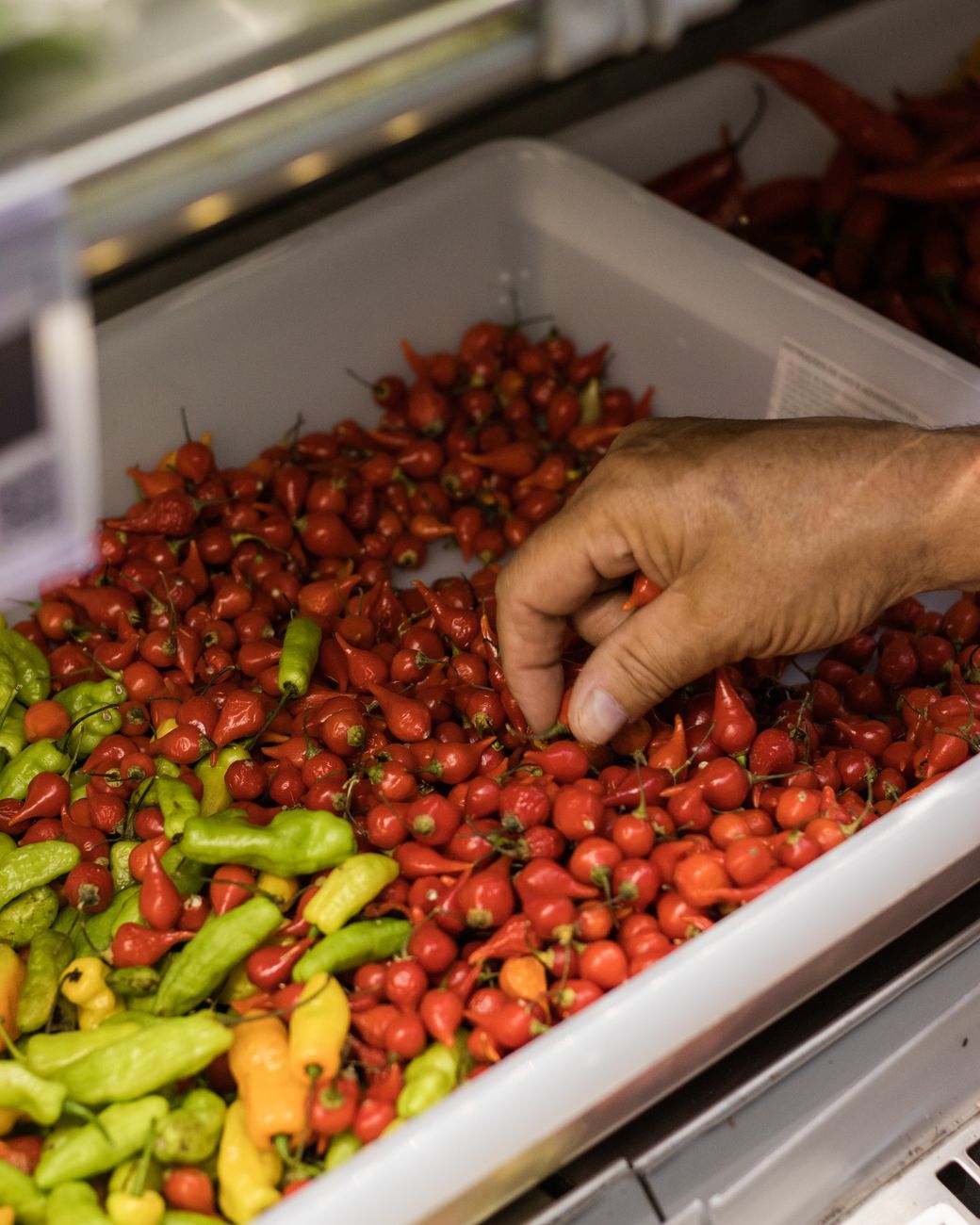
Sep 7, 2026Why Spicy Brazilian Cooking Is Having a Moment—And What You Should Actually Cook
Brazilian heat culture goes way beyond malagueta peppers—and it's finally getting the attention it deserves. We're breaking down the regional spicy dishes actually worth cooking right now, from Bahian dendê-fired seafood to São Paulo's fermented pimenta biquinho renaissance, plus why this approach to building heat (layered, craveable, never punishing) is exactly what home cooks are hungry for.
science
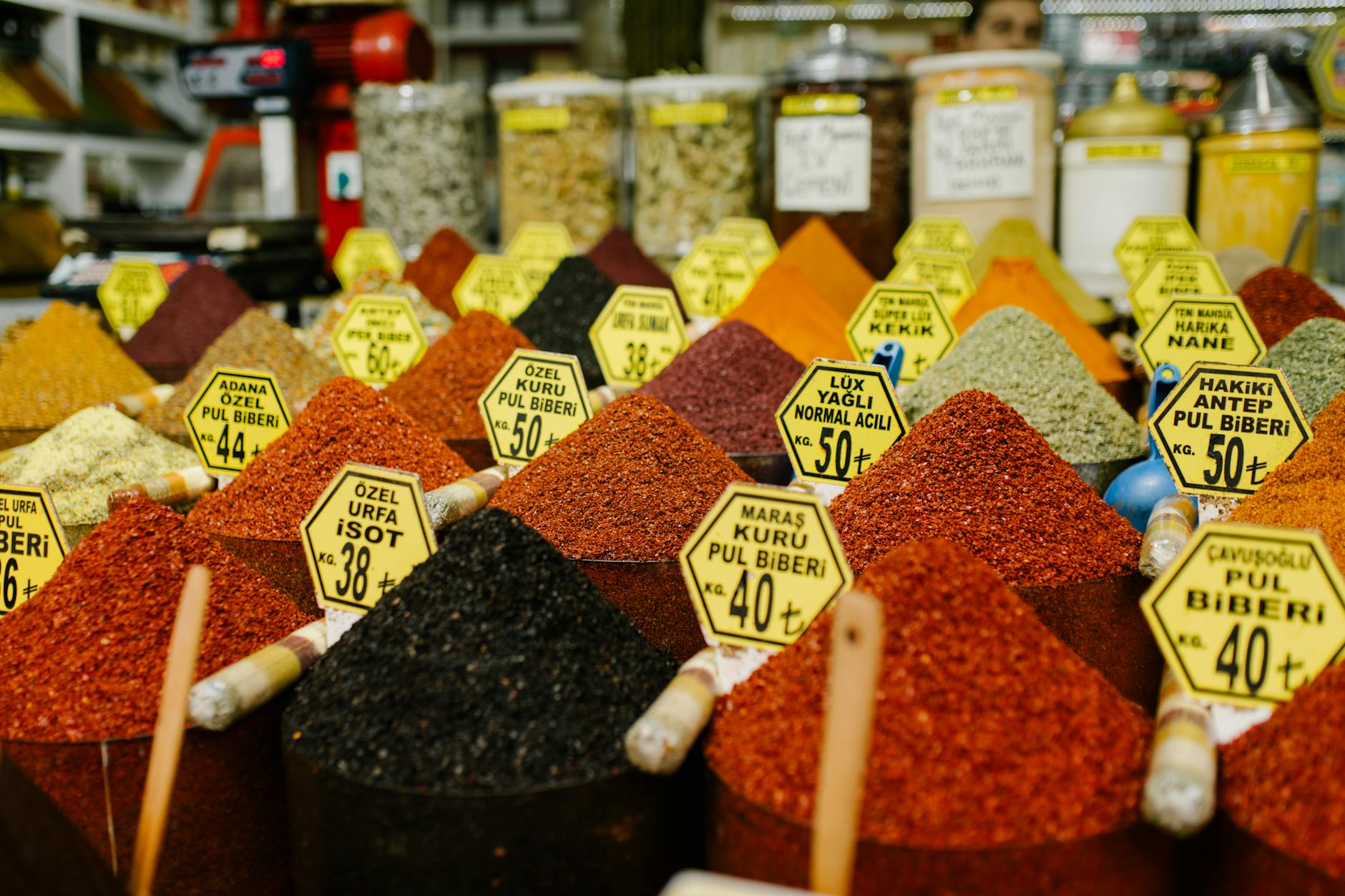
Jun 12, 2026Urfa Biber: How Turkish Dried Peppers Are Prepared and Used
A guide to Urfa biber and Turkish dried-pepper preparation, with ideas for seasoning dishes without relying on a single measure of heat.
Background guides
Read the guide behind the technique
Learn more about the cooking techniques used here.
Community notes
Reader discussion is shared across recipes, reviews, and editorial pieces.
Comments are read-only while member sign-in is paused.