
culture
Greece's Hottest Kitchen Secrets: Why Spicy Greek Cooking Is Having a Moment
From fiery feta spreads that'll surprise your guests to pepper-braised meats that make you understand why Greek grandmothers always kept the good olive oil handy, this is the spicy side of Greek cooking that deserves a place at your table.

Share this
Pass it around
Send this page to a friend, copy the link, or save it to a Pinterest board.

Save for later
Pin this page
Save the image with a link back to this recipe, review, or article.
The Spicy Side of Greek Cooking That Nobody Talks About
Greek food has gotten stuck with a reputation for being all lemon, olive oil, and gentle herbs—which is a shame, because it means most people never discover the dishes that actually make Greek families argue about who makes them better.
The truth is, Greek cooks have been playing with serious heat for centuries, particularly up north and on the islands where winters get cold and peppers grow with real personality. What happened is that the tourist-friendly versions of everything became the story we tell about Greek food abroad. But spend time in any Greek kitchen where someone's grandmother still calls the shots, and you'll find yourself reaching for water more often than you'd expect.
Now that more Greek-American chefs are getting bold about showing off the fierier family recipes, and home cooks are hunting down the regional dishes that don't make it onto restaurant menus, we're finally seeing what Greek food actually tastes like when nobody's worried about scaring off tourists.
Tirokafteri: The Spicy Feta Spread That Beats Hummus
If you've never made tirokafteri, you're missing out on one of those dishes that makes people lean across the table and ask what exactly they're eating. This whipped feta and pepper spread brings real heat through roasted red peppers, fresh chiles, and sometimes a generous hit of hot paprika—but the magic is in how the creamy, salty feta carries all that fire without drowning it.
What I love about tirokafteri is how completely it changes depending on which peppers you choose. Jalapeños give you clean, straightforward heat that won't confuse anyone. Fresno peppers bring this lovely fruity note that plays beautifully with the tang of good feta. If you can get your hands on pequin chiles, you're looking at something with real complexity—a heat that builds and shifts as you eat.
The texture choice matters more than you'd think. Hand-mash everything and you get this rustic, chunky spread where every bite hits differently—smooth cheese here, a piece of pepper there. Run it through the food processor and it becomes silky, almost mousse-like. Both versions work, but they're completely different experiences with pita or vegetables.
One thing that drives me crazy: people serving this straight from the refrigerator. Cold feta doesn't release its flavors properly. Let it come to room temperature, and suddenly you taste everything the cook intended.
Spetsiotiki Kouneli: When Rabbit Meets Serious Heat
The island of Spetses gave us what might be Greece's most unapologetically spicy traditional dish. Spetsiotiki kouneli takes rabbit, braises it with tomatoes and wine, then hits it with enough black pepper and hot paprika to make you understand that Greek grandmothers were not messing around.
This isn't delicate cooking. As the rabbit slowly braises, the meat drinks up all that spiced liquid while the peppers concentrate into something that demands your full attention. Done right, it should make conversation pause for a moment—not because you're in pain, but because you need to appreciate what just happened in your mouth.
Since most of us can't just pop out and buy good rabbit, Greek-American restaurants have started adapting this technique for chicken thighs and lamb shoulder. Smart move. The principles stay the same: slow braising with enough pepper heat to mean business, and a sauce bold enough to stand up to rich meat instead of hiding behind it.
I've seen beautiful versions where the cook tosses in whole dried chiles that break down into the sauce as everything cooks. Calabrian chiles work wonderfully here. Dried Fresnos too, or pequin peppers if you want to get serious about the heat.
The Pepper Cheese Revolution
Greek cheesemakers have been working peppers into their cheeses for generations, but we're just now catching up over here. And these aren't those mild herb cheeses you see everywhere—they mean business.
The ones worth hunting down:
- Kasseri with hot peppers: aged sheep's milk cheese studded with pepper pieces that hit like little flavor bombs
- Spicy graviera: nutty, complex cheese where the chile heat gets distributed throughout
- Pepper-crusted manouri: soft cheese rolled in coarse pepper blends that let you control your own heat level
- Feta aged with chiles: traditional feta that picks up heat during the aging process
Each one handles heat completely differently. Kasseri gives you these intense bursts when you hit a pepper piece. Graviera spreads the heat evenly so every bite delivers. The manouri lets you decide—eat around the pepper crust if you're feeling cautious, or lean into it if you're ready.
These cheeses don't lose their personality when you cook with them. Try spicy graviera in your next spanakopita filling, or make a grilled cheese with hot pepper kasseri, good bread, and ripe tomatoes. The heat doesn't disappear—it just weaves itself into whatever you're making.
Regional Heat: Northern Greece's Pepper Legacy
Up in the mountains near Albania and North Macedonia, Greek cooks developed a completely different relationship with heat. Harsh winters, different growing conditions, and neighbors with their own pepper traditions created a cuisine built on preserved peppers, hot paprika, and dried chiles.
Florina peppers grow up there, and depending on variety and conditions, they range from sweet and gentle to genuinely challenging. The traditional preparation—roasting, peeling, and preserving in olive oil—concentrates everything good about them and creates an ingredient that brings both sweetness and heat to the heavy stews that get families through winter.
Spetsofai, the sausage and pepper dish from this region, shows you exactly how northern Greek cooks think about heat. Proper spetsofai should make you sweat lightly while you eat. The peppers aren't just there to showcase the sausage—they're equal partners, bringing complex heat that builds throughout the meal and keeps you interested.
This northern style is showing up more in Greek restaurants and home kitchens, partly because it's gorgeous to look at (those red and green peppers photograph beautifully), but mostly because it delivers the kind of satisfying heat that doesn't require hunting down exotic ingredients.
Making It Work at Home
The reason Greek spicy cooking works so well is that it balances heat with fat, acid, and salt instead of just trying to hurt you with pure capsaicin. Olive oil carries pepper flavors and smooths rough edges. Lemon juice brightens heavy dishes. Salty cheeses give you relief between bites.
Start with the best peppers you can find. Florina peppers are ideal but nearly impossible to find fresh here. Marconi or poblanos work for mild heat. Fresno peppers if you want more intensity.
Don't skimp on the olive oil. Greek cooking uses olive oil generously because that fat content is essential for how these dishes handle heat. Cut back on oil and the spice hits differently—and not in a good way.
Taste as you go, especially with anything cheese-based. Different fetas bring different salt levels, and that completely changes how the heat reads on your palate. Properly balanced tirokafteri should hit with pepper heat first, then let that creamy cheese richness follow and provide relief.
Peppers featured in this post
Cook with this idea
Recipes to try next.
Put these ingredients and techniques to use in your next meal.
other · medium
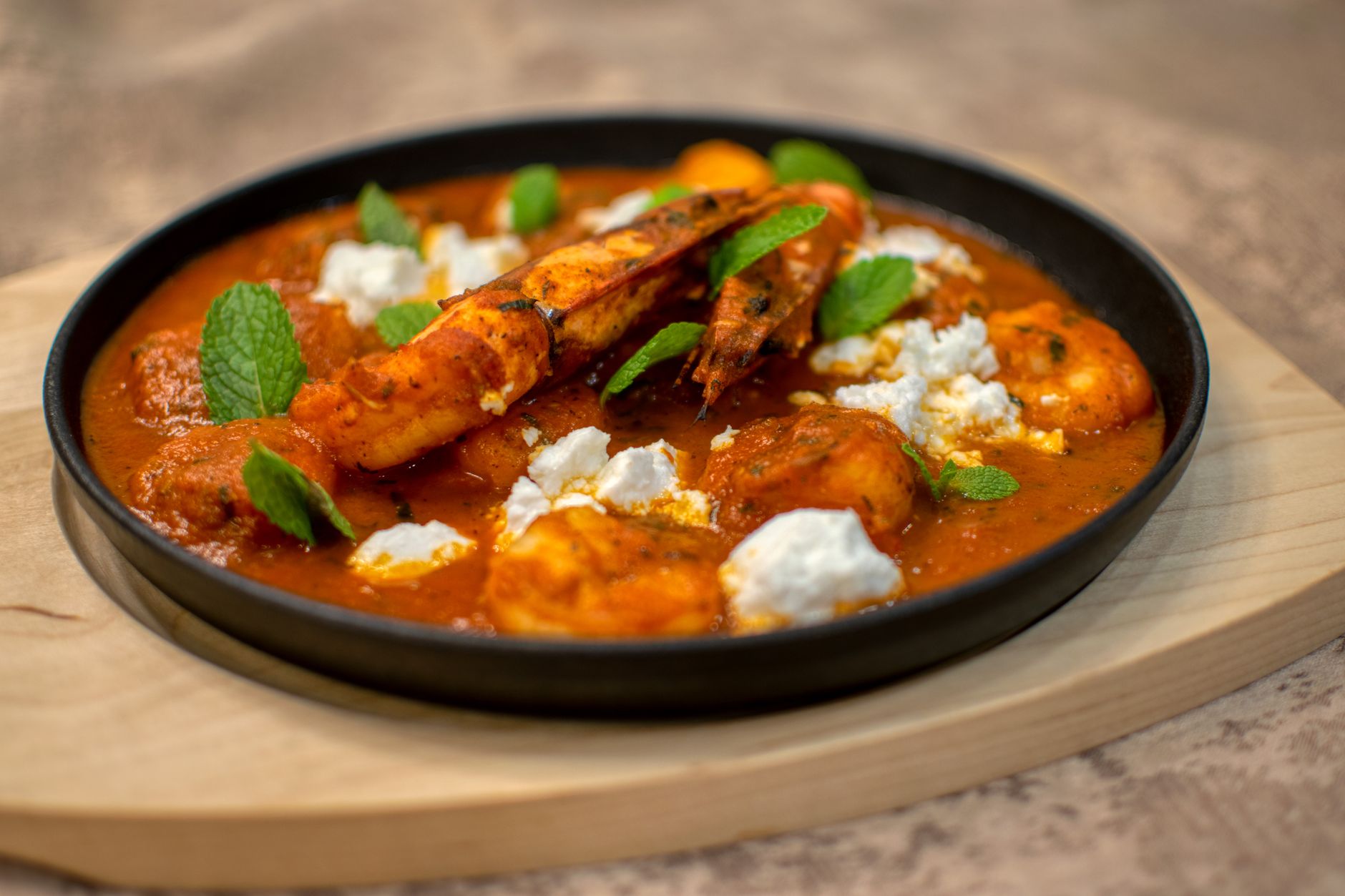
Oct 19, 2026Shrimp Saganaki with Chilli and Feta
Pan-seared shrimp finished with a warm tomato sauce, crumbled feta, and dried chilli heat—a Greek seafood dish that cooks in one skillet. 25 min · 0 saves.

other · medium
Oct 11, 2026Rendang Daging (Malaysian Beef Rendang)
A slow-braised beef stew where fresh red chillies, garlic, ginger and galangal break down into a paste, then simmer in coconut milk until the liquid reduces to a glossy, spiced glaze clinging to each piece of meat. The beef becomes tender enough to break with a spoon, and the heat builds gradually from the chillies and warm spices—cardamom, cloves, cinnamon—rather than arriving sharp and alone. 115 min · 0 saves.

other · medium
Oct 9, 2026Moqueca de Camarão com Pimenta
A Brazilian seafood stew where shrimp braise gently in coconut milk with red peppers, garlic, coriander, and fresh malagueta chillies. The heat builds slowly from the whole peppers simmered in the sauce, so you taste the shrimp's sweetness and the garlic's depth before any burn catches up. 40 min · 0 saves.
Bottle picks
Related hot sauce reviews.
Explore sauces with related ingredients, flavors, and heat levels.
Fly By Jing Sichuan Gold Review
A citrusy, tingly sauce with real peppercorn presence and enough versatility to move beyond dumplings.
Best for dumplings
Best for: Eggs and breakfast tacos
Skip if: Skip if you want a thick, smoky wing sauce more than a bright finishing bottle.
Read review
Mike's Hot Honey Review
Sweet heat done right: sticky, quick, and versatile enough to become a finishing move instead of a novelty.
Best for gifting
Best for: Pizza and fried chicken
Skip if: Skip if you want a classic vinegar-forward table sauce with almost no sweetness.
Read review
Heatonist Los Calientes Rojo Review
Heatonist Los Calientes Rojo: flavor notes, heat level, and suggested food pairings.
Best for tacos
Best for: Tacos and rice bowls
Skip if: Skip if you are chasing a novelty-level heat hit or a super-special-occasion bottle.
Read review
Go deeper
Background guides that build on this.
Keep reading
More on this subject.
If this post helped, these are the next pieces most likely to keep the thread going.

culture
Jun 11, 2026Greek Fire: The Spicy Side of Hellenic Cooking That's Finally Getting Its Due
Greek cooking has always packed more heat than the world gives it credit for. From pepper-rich island specialties to chili-spiked mainland classics, these are the fiery dishes that deserve a spot at your table.
culture
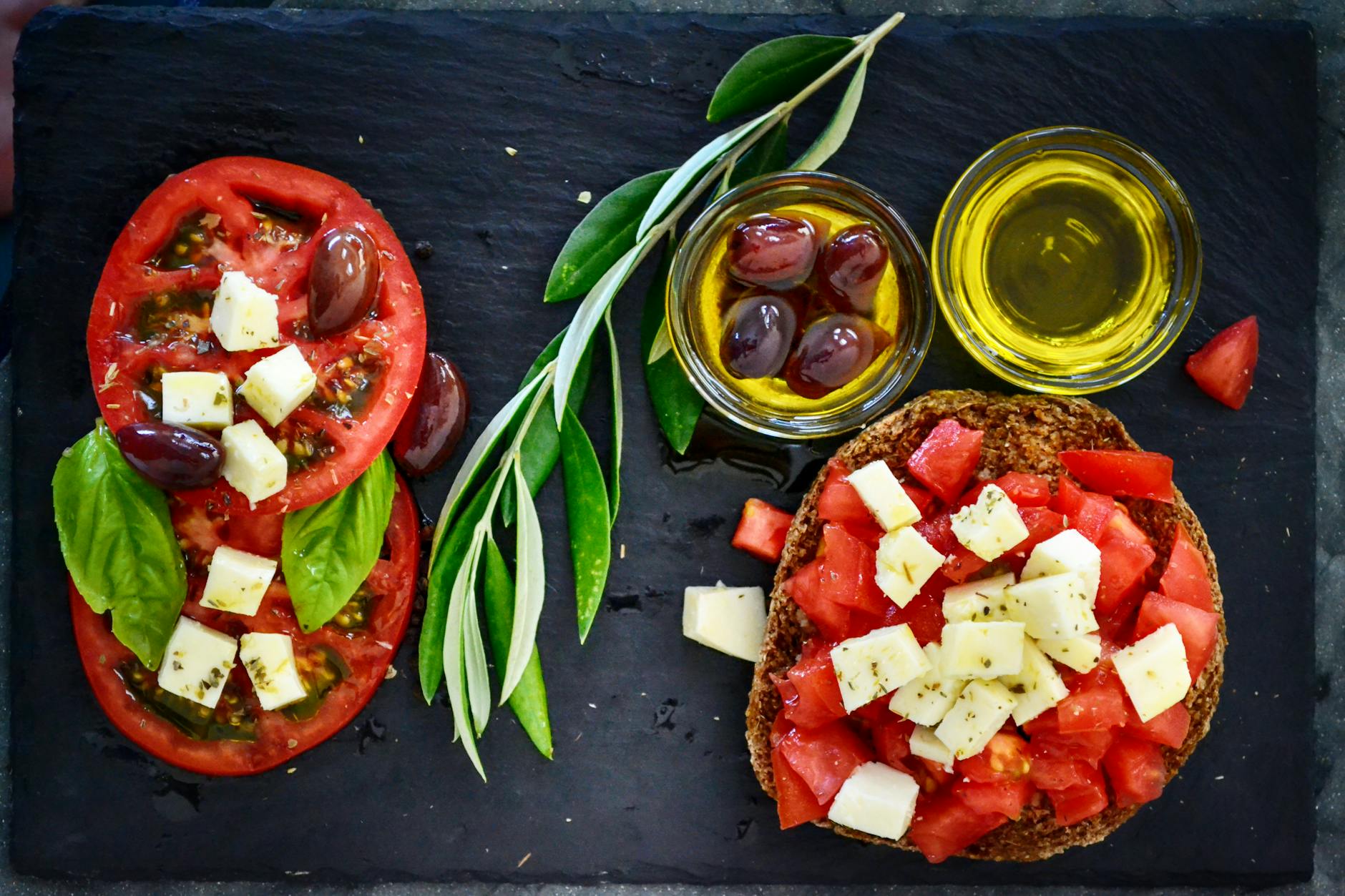
Jun 6, 2026Greek Heat: Three Spicy Regional Styles That Deserve Your Attention
From northern Greece's soul-warming paprika braises to island pepper preparations that pack both heat and tang, discover the spicy side of Greek cuisine that goes far beyond those ubiquitous red pepper flakes.
culture
May 25, 2026Why Brazil's Fiery Regional Cooking Is Having Its Moment
From malagueta-spiked moqueca to pimenta-de-cheiro stews, Brazilian heat culture offers complexity beyond the ubiquitous jalapeño. Here's what makes these dishes so craveable—and why your dinner table needs this kind of warmth.
Comments
Reader discussion is shared across recipes, reviews, and editorial pieces.
Comments are read-only while member sign-in is paused.