
FlamingFoodies recipe
Rendang Daging (Malaysian Beef Rendang)
A slow-braised beef stew where fresh red chillies, garlic, ginger and galangal break down into a paste, then simmer in coconut milk until the liquid reduces to a glossy, spiced glaze clinging to each piece of meat. The beef becomes tender enough to break with a spoon, and the heat builds gradually from the chillies and warm spices—cardamom, cloves, cinnamon—rather than arriving sharp and alone.
Beef braised in coconut milk and chilli paste until fall-apart tender, with heat that builds gradually and finishes smooth rather than sharp.
Ingredients
Chilli-spice paste
- 4 mediumfresh red chillies, stems removed
- 6 clovesgarlic
- 4 cm piecefresh ginger, peeled
- 3 cm piecefresh galangal, peeled
- 2 stalkslemongrass, white part only, roughly chopped
Braising liquid and spices
- 2 cans (400 ml each)coconut milk
- 1 teaspooncardamom pods, lightly crushed
- 2 wholecloves
- 1 piece (3 cm)cinnamon stick
- 1 teaspoonturmeric powder
- 1 teaspoonsalt
- 1 tablespoonpalm sugar or light brown sugar
For cooking
- 800 gbeef chuck or shoulder, cut into 4 cm cubes
- 2 tablespoonspalm oil or vegetable oil
Method
1. Blend the chilli paste Add the chillies, garlic, ginger, galangal and lemongrass to a food processor or blender with 3–4 tablespoons of water. Pulse and blend until you have a smooth, thick paste. If the processor struggles, add a little more water in small amounts—you want paste, not liquid. This may take 2–3 minutes.
Watch for: The paste should look creamy and even, with no large unblended pieces of ginger or chilli visible.
Tip: A wet spice grinder, mortar and pestle, or even a fork and bowl work if you don't have a processor; pound and mash until the mixture breaks down into a paste.
2. Sear the beef Heat the oil in a heavy-bottomed pot or Dutch oven over medium-high heat. Once shimmering, add the beef cubes in a single layer without crowding—work in two batches if needed. Let each side brown for 2–3 minutes without moving the meat, then turn and brown the other side. This takes about 8 minutes total per batch. Transfer the beef to a plate.
Watch for: The beef should show deep brown patches on each side, and the pot should smell rich and toasted.
Tip: Crowding the pot drops the temperature and steams the meat instead of browning it. Take time with this step; the colour adds depth to the finished sauce.
3. Cook the paste and bloom the spices In the same pot, add the chilli paste and stir constantly for 2–3 minutes. The paste will darken and smell deep and aromatic as the moisture cooks off slightly. Add the cardamom, cloves, cinnamon stick and turmeric, stirring for another 30 seconds to coat them in the paste. Pour in both cans of coconut milk, stirring to combine, then add the salt and palm sugar.
Watch for: The paste will thicken and deepen in colour as it cooks; you should smell fragrant spice and chilli rather than raw garlic.
Tip: Cooking the paste before adding liquid allows the chillies and aromatics to release their oils and depth. Skip this step and the rendang will taste flat.
4. Braise the beef until tender Return the beef and any accumulated juices to the pot, stirring to coat with the sauce. Bring to a gentle simmer, then reduce the heat to low. Cover partially (leave the lid slightly ajar) and cook for 60–75 minutes, stirring occasionally. The beef is done when it breaks apart easily when pressed with a fork or spoon, and the sauce has thickened to coat the meat in a glossy, clinging layer rather than looking soupy.
Watch for: The sauce should go from runny and cream-coloured to thick and rust-brown. When you tilt the pot, the sauce should move slowly and coat the meat. The beef should shred easily under gentle pressure.
Tip: Partial covering allows some liquid to evaporate while preventing the bottom from sticking or burning. If the sauce is still thin after 75 minutes, uncover fully and simmer for another 10–15 minutes, stirring more frequently.
5. Taste and adjust Remove the cinnamon stick, cardamom pods and cloves if you prefer not to bite into them (or leave them for those who enjoy them). Taste the rendang and add more salt or a pinch more sugar if needed. The flavour should be savoury and slightly sweet, with a lingering, rounded heat from the chillies.
Watch for: The heat should feel warm and complex rather than a sharp burn. Sweetness should not dominate but should balance the chilli and spice.
Equipment
- Food processor or blender (or mortar and pestle)
- Heavy-bottomed pot or Dutch oven (at least 4 litres)
- Sharp knife and cutting board
- Wooden spoon for stirring
- Measuring spoons and cups
Make ahead
- Rendang can be made up to 2 days in advance. Store in an airtight container in the refrigerator. The flavours deepen and mellow as it sits, making day-old rendang particularly good. The texture of the coconut milk and meat can separate upon freezing, so refrigeration is preferable.
Storage
- Keep in an airtight container in the refrigerator for up to 3 days. Rendang can develop an off smell or sour taste if kept longer, so do not store beyond this window.
Reheat
- Reheat gently over low heat in a pot, stirring occasionally. The sauce may have thickened as it cooled; add 2–3 tablespoons of water or fresh coconut milk to loosen it if needed. Do not boil, as high heat can break down the sauce and toughen the meat.
Top tips
- Rendang tastes even better the next day, once the spices and chilli have fully mellowed into the meat. Make it up to 2 days in advance and reheat gently over low heat, adding a splash of water or coconut milk if the sauce has thickened too much.
- The rendang uses both fresh chillies (which provide bright, initial heat) and dried spices like cardamom and cloves (which warm from within). This combination means the heat builds gradually rather than hitting immediately.
Substitutions
- Beef chuck can be swapped for beef brisket, oxtail or lamb shoulder; adjust cooking time as needed (oxtail may require an extra 20–30 minutes).
- Fresh galangal: If unavailable, use 1 teaspoon dried galangal powder mixed into the paste, or omit and rely on ginger for warmth. The dish will taste slightly different but remain recognisably rendang.
- Lemongrass: If fresh lemongrass is not available, substitute 1 teaspoon dried lemongrass or omit it; the rendang will lose some brightness but the core flavour remains intact.
Serve with
- Serve over steamed white rice or fragrant jasmine rice to soak up the sauce.
- Accompany with cucumber slices (acar or fresh), pickled vegetables, or a cooling raita to balance the heat.
- Offer sambal on the side for those who want additional heat.
Find another recipe
Open archive →Rendang Daging (Malaysian Beef Rendang)

A slow-braised beef stew where fresh red chillies, garlic, ginger and galangal break down into a paste, then simmer in coconut milk until the liquid reduces to a glossy, spiced glaze clinging to each piece of meat. The beef becomes tender enough to break with a spoon, and the heat builds gradually from the chillies and warm spices—cardamom, cloves, cinnamon—rather than arriving sharp and alone.
Prep
25 min
Cook
1 hr 30 min
Active
35 min
Total
1 hr 55 min
Yield
4 servings
Share this
Pass it around
Send this page to a friend, copy the link, or save it to a Pinterest board.
Save for later
Pin this page
Save the image with a link back to this recipe, review, or article.
Recipe notes
Before you cook
Rendang daging is Malaysian slow cooking at its foundation: beef braised in a paste of fresh red chillies, garlic, ginger and galangal, simmered in coconut milk until the liquid reduces to a glossy, spiced glaze clinging to each piece. The chilli heat works alongside cardamom, cloves and cinnamon rather than standing alone, and the finished texture is neither soup nor paste but something between—thick enough to cling to rice, loose enough to spoon.
Total time
1 hr 55 min
Prep: 25 min. Cook: 1 hr 30 min.
Yield
4 servings
The ingredient quantities below are for this yield.
Method
How to cook it
Use the step navigator to move around, or stay in cook mode and work top to bottom.
- 1
Step 1 of 5
Blend the chilli paste
Add the chillies, garlic, ginger, galangal and lemongrass to a food processor or blender with 3–4 tablespoons of water. Pulse and blend until you have a smooth, thick paste. If the processor struggles, add a little more water in small amounts—you want paste, not liquid. This may take 2–3 minutes.
- 2
Step 2 of 5
Sear the beef
Heat the oil in a heavy-bottomed pot or Dutch oven over medium-high heat. Once shimmering, add the beef cubes in a single layer without crowding—work in two batches if needed. Let each side brown for 2–3 minutes without moving the meat, then turn and brown the other side. This takes about 8 minutes total per batch. Transfer the beef to a plate.
- 3
Step 3 of 5
Cook the paste and bloom the spices
In the same pot, add the chilli paste and stir constantly for 2–3 minutes. The paste will darken and smell deep and aromatic as the moisture cooks off slightly. Add the cardamom, cloves, cinnamon stick and turmeric, stirring for another 30 seconds to coat them in the paste. Pour in both cans of coconut milk, stirring to combine, then add the salt and palm sugar.
- 4
Step 4 of 5
Braise the beef until tender
Return the beef and any accumulated juices to the pot, stirring to coat with the sauce. Bring to a gentle simmer, then reduce the heat to low. Cover partially (leave the lid slightly ajar) and cook for 60–75 minutes, stirring occasionally. The beef is done when it breaks apart easily when pressed with a fork or spoon, and the sauce has thickened to coat the meat in a glossy, clinging layer rather than looking soupy.
- 5
Step 5 of 5
Taste and adjust
Remove the cinnamon stick, cardamom pods and cloves if you prefer not to bite into them (or leave them for those who enjoy them). Taste the rendang and add more salt or a pinch more sugar if needed. The flavour should be savoury and slightly sweet, with a lingering, rounded heat from the chillies.
Troubleshooting
Tips that matter
- Rendang tastes even better the next day, once the spices and chilli have fully mellowed into the meat. Make it up to 2 days in advance and reheat gently over low heat, adding a splash of water or coconut milk if the sauce has thickened too much.
- The rendang uses both fresh chillies (which provide bright, initial heat) and dried spices like cardamom and cloves (which warm from within). This combination means the heat builds gradually rather than hitting immediately.
Substitutions and variations
Storage and leftovers
Plan ahead and reheat well
Make ahead
Rendang can be made up to 2 days in advance. Store in an airtight container in the refrigerator. The flavours deepen and mellow as it sits, making day-old rendang particularly good. The texture of the coconut milk and meat can separate upon freezing, so refrigeration is preferable.
Storage
Keep in an airtight container in the refrigerator for up to 3 days. Rendang can develop an off smell or sour taste if kept longer, so do not store beyond this window.
Reheat
Reheat gently over low heat in a pot, stirring occasionally. The sauce may have thickened as it cooled; add 2–3 tablespoons of water or fresh coconut milk to loosen it if needed. Do not boil, as high heat can break down the sauce and toughen the meat.
At the table
Serving suggestions
- Serve over steamed white rice or fragrant jasmine rice to soak up the sauce.
- Accompany with cucumber slices (acar or fresh), pickled vegetables, or a cooling raita to balance the heat.
- Offer sambal on the side for those who want additional heat.
- Add a simple stir-fried green vegetable (such as bok choy or long beans) to the table to round out the meal.
FAQ
Common questions
Why is my rendang still soupy after 75 minutes?
The sauce reduces as the beef cooks, but if yours is still thin, uncover the pot fully and simmer for another 10–15 minutes over low heat, stirring often. The sauce should be thick enough to coat a spoon. Avoid high heat, which can scorch the bottom.
Can I use a slow cooker or instant pot?
Yes. Slow cooker: Cook on low for 6–8 hours after adding the beef and sauce; the result will be slightly thinner, so reduce the coconut milk by ¼ can and add it partway through if needed. Instant Pot: Sauté the paste and spices on the sauté setting, add the beef and sauce, then cook under pressure for 30 minutes. Release pressure naturally for 10 minutes, then quick-release. The texture will be slightly different from stovetop but the flavour remains good.
What if I don't have fresh chillies?
You can use dried red chillies, but the rendang will taste different. Soak 8–10 dried red chillies in hot water for 15 minutes, then blend them into the paste instead of fresh chillies. Start with this amount and taste; dried chillies are more concentrated. You will lose the bright note fresh chillies provide, but you gain deeper, earthy heat.
Is the heat level adjustable for sensitive palates?
Yes. Use 2 fresh chillies instead of 4, and remove the seeds and white ribs before blending to reduce heat intensity significantly. You will still have flavour from the chilli itself, just less burn. Taste as you cook and add more chilli if desired. Alternatively, serve with cooling sides like cucumber or raita for guests who want to dial down the spice.
Heat profile
Medium heat
The recipe is classified as medium. Use less chile if you prefer milder food.
Skill level
Intermediate
Check the method for steps that need to be prepared at the same time.
Total time
1 hr 55 min
Prep: 25 min. Cook: 1 hr 30 min.
Yield
4 servings
The ingredient quantities below are for this yield.
Cook this with
Three useful buys before you start
A sauce, a pantry ingredient, and a kitchen tool to consider for this dish.
Sauce
Yellowbird Habanero
Yellowbird · Best for tacos
It brings enough heat to cut through the richer bites without flattening the rest of the dish.
Get the sauce used herePantry
Berbere Spice Blend
Warm spice
Sheet pan dinners and stews. A smoky-spiced shortcut for lentils, roasted vegetables, stews, and fast weeknight braises.
Grab the pantry stapleGear
Molcajete Mortar and Pestle
Sauce lab
Fresh salsa and chunky chili pastes. The right move for salsa macha, charred pepper pastes, and rough-textured marinades with bite.
Use this toolPair this with
The right bottle for this recipe
These sauce picks are matched to the dish itself, not dropped in at random. Use them to finish, sharpen, or push the heat where it helps.
Yellowbird Habanero
It brings enough heat to cut through the richer bites without flattening the rest of the dish.
A bright, carrot-forward bottle with enough heat to stay lively and enough sweetness to stay versatile.
Los Calientes Rojo
It brings enough heat to cut through the richer bites without flattening the rest of the dish.
Heatonist Los Calientes Rojo: flavor notes, heat level, and suggested food pairings.
Shop the pantry
Pantry staples for this recipe
Warm spice
$9-$16Berbere Spice Blend
Sheet pan dinners and stews. A smoky-spiced shortcut for lentils, roasted vegetables, stews, and fast weeknight braises.
Check price on AmazonNorth African depth
$8-$14Ras el Hanout Spice Blend
Tagines, roast meats, couscous. The complex Moroccan spice blend — warm, aromatic, and layered — for tagines, roast lamb, couscous, and spiced grain bowls.
Check price on AmazonChar-ready marinade
$8-$14Nando's Medium Peri-Peri Sauce
Chicken, skewers, and grilled vegetables. The bottle to grab when chicken needs acid, garlic, and real heat before it hits the grill or broiler.
Check price on AmazonRecommended equipment
Cooking tools
Sauce lab
$35-$60Molcajete Mortar and Pestle
Fresh salsa and chunky chili pastes. The right move for salsa macha, charred pepper pastes, and rough-textured marinades with bite.
Check price on AmazonMeal-prep anchor
$30-$60Compact Rice Cooker
Bowls, fried rice, and weekly meal prep. A simple countertop win for rice bowls, congee, spicy fried rice, and the carb base that makes leftovers useful.
Check price on AmazonCook next
More recipes with similar heat
These are the next recipes most likely to fit the same mood, pantry, or heat level once this one is in your rotation.

other · reaper
Jun 15, 2026Nuclear Beef Rendang Burger
A Malaysian-inspired burger featuring slow-cooked beef rendang spiked with Carolina Reaper peppers, served on toasted roti with coconut sambal and crisp vegetables. 225 min · 0 saves.

other · reaper
May 2, 2026Carolina Reaper Rendang Burger
A burger that marries the soul-warming complexity of Malaysian rendang with the fearsome heat of Carolina Reaper peppers. These beef patties get lovingly glazed in a concentrated rendang sauce where coconut milk, tamarind, and aromatic spices create a symphony of flavor that happens to deliver nuclear-level heat. 80 min · 0 saves.

other · hot
May 12, 2026Sambal Udang with Bird's Eye Chilies
Malaysian prawns bathed in a blazing sambal paste made with bird's eye chilies, tamarind, and palm sugar. The heat builds with each bite while sweet and tangy notes let the prawns shine through the fire. 37 min · 0 saves.
FlamingFoodies picks
Pantry, gear, and bottle picks that fit this meal
Southern staple
Texas Pete Original Hot Sauce
A vinegar-forward Southern table sauce with more body than Tabasco and more heat than Crystal. A natural fit for BBQ, collard greens, fried chicken, and cornbread. Best for fried chicken, greens, bbq, and southern cooking.
View on AmazonNumbing heat
Fly By Jing Sichuan Gold
A more citrusy, peppercorn-leaning sauce when you want flavor movement instead of pure capsaicin. Best for dumplings, noodles, and fried eggs.
View on AmazonFrom the blog
More about this dish
Read more about the ingredients and cuisine.
science
Sep 7, 2026Why Spicy Brazilian Cooking Is Having a Moment—And What You Should Actually Cook
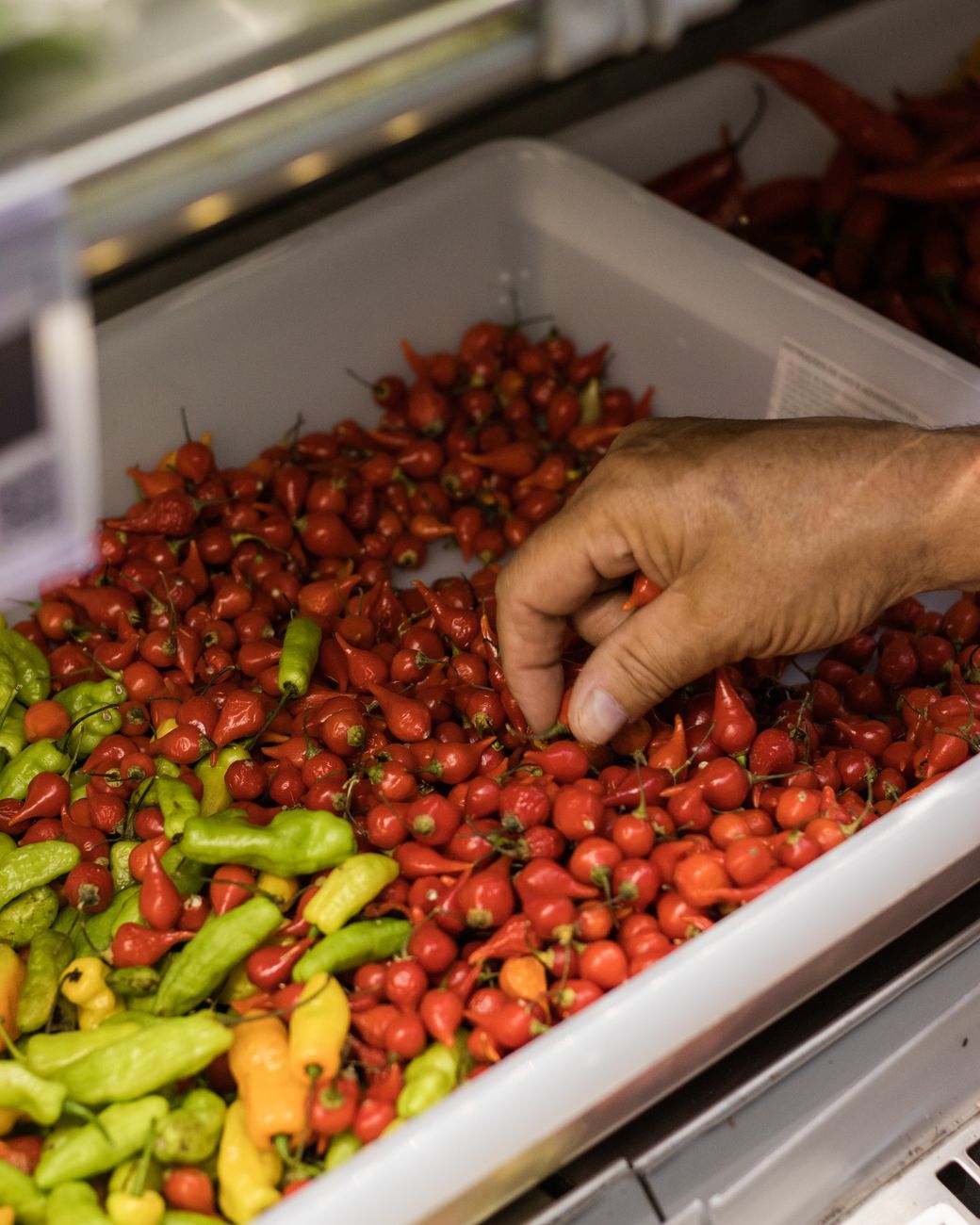
Brazilian heat culture goes way beyond malagueta peppers—and it's finally getting the attention it deserves. We're breaking down the regional spicy dishes actually worth cooking right now, from Bahian dendê-fired seafood to São Paulo's fermented pimenta biquinho renaissance, plus why this approach to building heat (layered, craveable, never punishing) is exactly what home cooks are hungry for.
science
Jun 12, 2026Urfa Biber: How Turkish Dried Peppers Are Prepared and Used
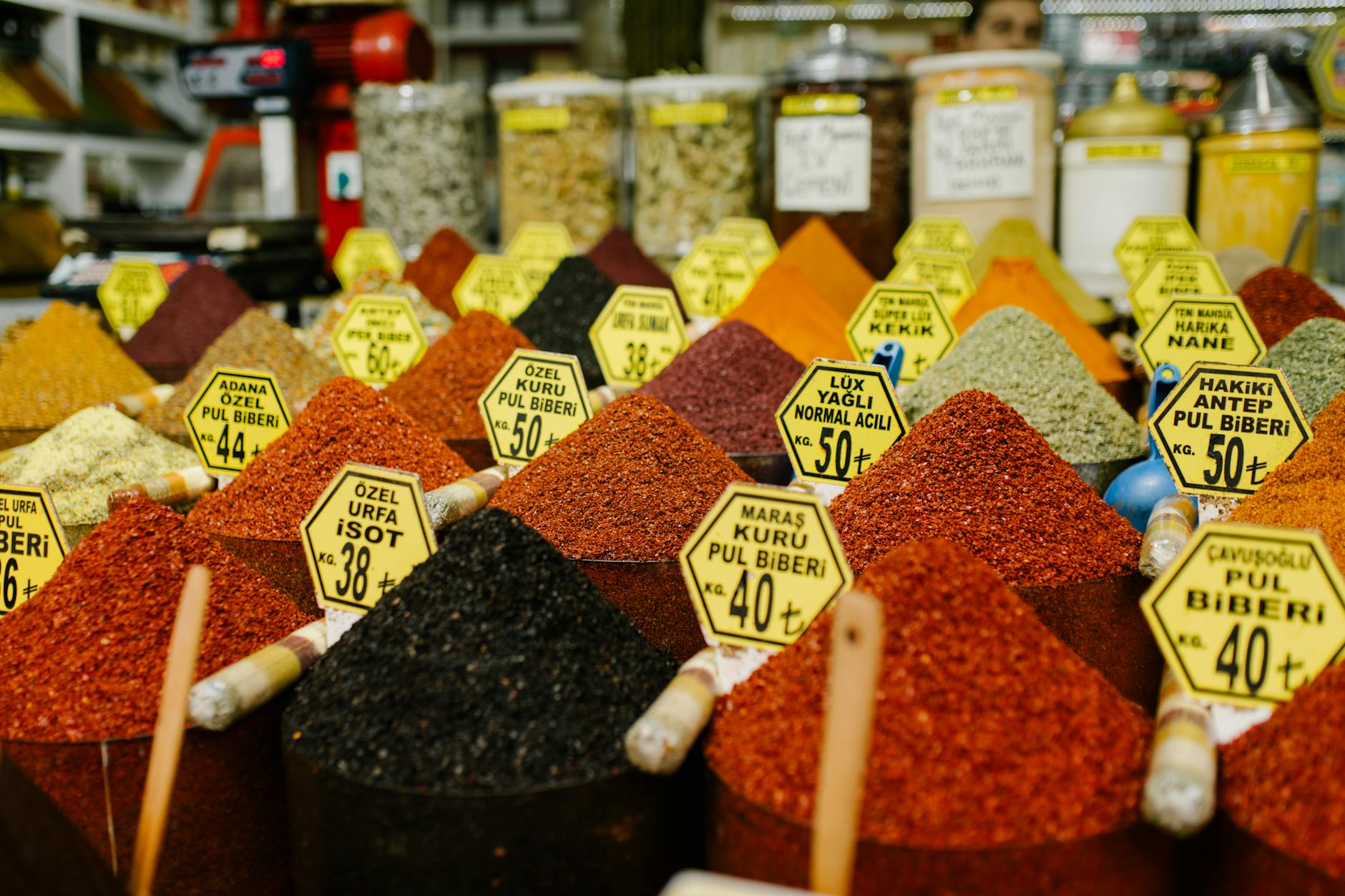
A guide to Urfa biber and Turkish dried-pepper preparation, with ideas for seasoning dishes without relying on a single measure of heat.
Background guides
Read the guide behind the technique
Learn more about the cooking techniques used here.
Community notes
Reader discussion is shared across recipes, reviews, and editorial pieces.
Comments are read-only while member sign-in is paused.